Content Menu
● What Is a CPAP Machine and How It Works
● What Is Distilled Water?
>> The Distillation Process Explained
● Why Tap Water Is a Bad Choice for CPAP Machines
>> 1. Mineral Buildup
>> 2. Bacterial Growth
>> 3. Reduced Equipment Lifespan
>> 4. Health Concerns
● Benefits of Using a Distillation Water Machine for CPAP
>> 1. Consistent Purity
>> 2. Long-Term Cost Efficiency
>> 3. Eco-Friendly Operation
>> 4. Multi-Purpose Use
>> 5. Reliable Hygiene Control
● Understanding Industrial-Grade Distillation Water Machines
● How to Care for Your CPAP Humidifier
● Key Differences Between Distilled, Purified, and Filtered Water
● How Often Should You Replace Distilled Water?
● Conclusion
● FAQ
>> (1) What happens if I accidentally use tap water in my CPAP machine?
>> (2) Can I use bottled water instead of distilled water?
>> (3) How is distilled water different from purified water?
>> (4) How long can I store distilled water?
>> (5) Is it worth buying a distillation water machine for home use?
Continuous Positive Airway Pressure (CPAP) machines are essential for people suffering from sleep apnea, ensuring steady airflow throughout the night. However, one commonly overlooked factor in maintaining CPAP performance and hygiene is the type of water used. Many users wonder why distilled water is recommended over regular tap water — the differences are more important than they seem.
This article explores the importance of distilled water in CPAP machines, how it is produced, and why investing in a Distillation Water Machine can be a smart decision for both home and industrial users.
What Is a CPAP Machine and How It Works
A CPAP machine provides a constant stream of air pressure through a mask, keeping airways open during sleep. It prevents pauses in breathing and reduces snoring.
To improve comfort, most CPAP devices include a humidifier chamber that adds moisture to the airflow, preventing dryness in the nose, throat, or mouth. The water used in this humidifier directly affects both user experience and machine longevity.
When impurities are introduced through poor-quality water, mineral deposits can accumulate in the humidifier, shortening the lifespan of the CPAP system.
What Is Distilled Water?
Distilled water is the purest form of water available. It is produced by boiling water to create steam, then condensing it back into a liquid, leaving behind impurities such as minerals, salts, and microorganisms.
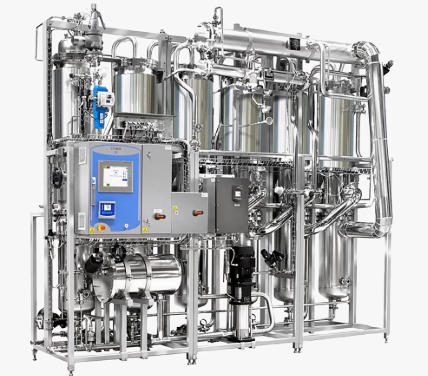
This process, known as distillation, is commonly performed using a Distillation Water Machine — an advanced piece of equipment designed to remove contaminants at a molecular level.
The Distillation Process Explained
1. Boiling: Raw water is heated until it turns into steam.
2. Evaporation: Impurities like silica, metals, and salts are left behind.
3. Condensation: The steam cools back into pure water droplets.
4. Collection: The purified water is stored, ready for hygienic or industrial use.
Companies like Everheal, experts in pharmaceutical equipment, design high-efficiency Distillation Water Machines to meet the strict standards required by pharmaceutical, medical, and laboratory environments.
Their systems are ideal for producing water used in CPAP devices, sterile production lines, and sensitive manufacturing processes.
Why Tap Water Is a Bad Choice for CPAP Machines
While tap water is safe for most household uses, it can cause serious issues when used in a CPAP humidifier. The main problems include:
1. Mineral Buildup
Tap water contains minerals like calcium, magnesium, and iron. When heated, these form scale deposits in the humidifier chamber, which are difficult to remove and can interfere with proper heating.
2. Bacterial Growth
Non-distilled water introduces microorganisms that thrive in warm, moist environments — exactly the conditions inside a CPAP humidifier. Over time, this can lead to unpleasant odors, mold, or even respiratory infections.
3. Reduced Equipment Lifespan
Hard water residue not only clogs internal components but can also affect airflow consistency and damage the humidifier's heating plate.
Using water from a Distillation Water Machine eliminates these risks because the water contains no minerals or biological impurities.
4. Health Concerns
Even though boiling tap water can kill bacteria, it does not remove dissolved minerals or chemical contaminants. Only a distillation process can ensure full purification, guaranteeing CPAP users breathe pure, moisture-rich air each night.
Benefits of Using a Distillation Water Machine for CPAP
1. Consistent Purity
A Distillation Water Machine delivers guaranteed water purity with every batch, unlike bottled distilled water that may deteriorate or become contaminated after opening.
2. Long-Term Cost Efficiency
While it may seem expensive initially, owning a Distillation Water Machine reduces dependency on store-bought distilled water and prevents costly CPAP repairs.
3. Eco-Friendly Operation
By eliminating the need for single-use plastic bottles, distillation systems reduce environmental impact.
4. Multi-Purpose Use
Distilled water from such machines is versatile — useful not just for CPAP machines but also for laboratories, pharmaceutical production, sterilization systems, and humidifiers.
5. Reliable Hygiene Control
The distillation process ensures every drop of water is biologically sterile, an essential feature for medical-grade applications and personal health devices like CPAP machines.
Understanding Industrial-Grade Distillation Water Machines
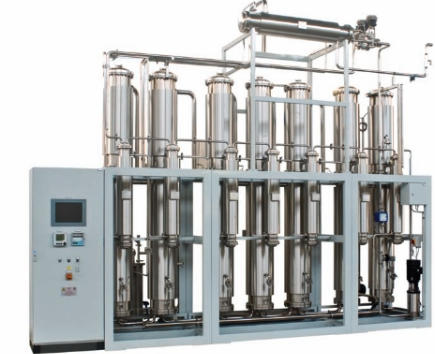
Large-scale distillation systems, such as those developed by Everheal, combine advanced design with pharmaceutical manufacturing standards. These systems typically include:
- Pure Steam Generators: Produce clean steam for sterilization and water purification.
- Multi-Effect Distillation Units: Efficiently generate large volumes of distilled water while preserving energy.
- Control Systems: Automated and monitored for temperature, pressure, and output purity.
In industries such as pharmaceuticals or healthcare, the use of pure water is mandatory for both hygiene and regulatory compliance.
Everheal's Distillation Water Machine delivers the purity required by international standards, ensuring consistent water quality for various processes — including medical devices like CPAP systems.
How to Care for Your CPAP Humidifier
Even when using distilled water, good maintenance habits are essential:
- Empty and dry the water chamber daily.
- Clean the chamber weekly with mild soap or a manufacturer-approved cleaner.
- Replace the humidifier chamber according to manufacturer recommendations.
- Avoid refilling from questionable sources, even if labeled as “purified.”
By combining high-purity water from a Distillation Water Machine with these maintenance routines, you ensure maximum hygiene and CPAP performance.
Key Differences Between Distilled, Purified, and Filtered Water
| Type of Water | Production Method | Purity Level | Suitable for CPAP |
| Tap Water | Municipal filtration | Low | No |
| Filtered Water | Carbon or reverse osmosis filter | Moderate | Not ideal |
| Purified Water | Chemically treated | High | Sometimes |
| Distilled Water | Steam condensation (Distillation Water Machine) | Highest | Yes |
Distilled water stands apart due to its freedom from minerals and microorganisms, making it the indisputable choice for sensitive equipment like CPAP machines.
How Often Should You Replace Distilled Water?
Ideally, use fresh distilled water daily. Even though distilled water is sterile, stagnation can lead to contamination if left in the chamber too long. Always empty and refill your humidifier with new water before each use.
For industrial use, continuous production through a Distillation Water Machine ensures a steady supply of freshly distilled water without concerns about storage time or contamination.
Conclusion
Using distilled water in a CPAP machine is not a luxury — it is a necessity for hygiene, equipment durability, and breathing safety. Tap water accelerates mineral buildup, encourages bacterial growth, and can reduce the efficiency of the machine.
A modern Distillation Water Machine, like those engineered by Everheal, guarantees water purity that helps maintain both your health and your equipment. Whether for hospitals, laboratories, or personal CPAP use, distilled water remains the foundation of safety and reliability.
FAQ
(1) What happens if I accidentally use tap water in my CPAP machine?
Continuous use of tap water causes mineral deposits to form in the humidifier, leading to scale buildup, damage, and potential bacterial contamination. If used occasionally, rinse the unit thoroughly and refill it with distilled water.
(2) Can I use bottled water instead of distilled water?
Bottled drinking water often contains minerals for taste enhancement, making it unsuitable for CPAP use. Always choose water produced from a Distillation Water Machine or labeled specifically as distilled.
(3) How is distilled water different from purified water?
Purified water might have undergone reverse osmosis or chemical treatment, but distilled water is vaporized and recondensed, ensuring 100% removal of minerals and microorganisms.
(4) How long can I store distilled water?
When sealed, distilled water can last up to one year. However, once opened, it's best to use it within 7 days, or produce it fresh daily using your own Distillation Water Machine.
(5) Is it worth buying a distillation water machine for home use?
Yes. A compact Distillation Water Machine offers convenience, cost savings, and reliability for anyone relying on CPAP equipment or requiring high-purity water at home.


