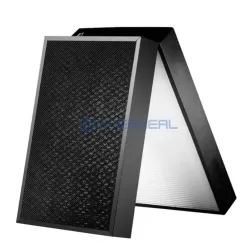
| Availability: | |
|---|---|
|
Features
1. Premium ultra-fine fiberglass paper;
2. Polypropylene ethylene frame, no toxic gas pollutionservice life;
3. Large filtering area, low resistance and long servicelife;
4. The depth is 290mm only, suitable for the ventilationsystem that has limited space;
5. With flange frame, these series can be exchanged bypocket air filters.
|
Model Dimensions and Parameters
| Model | Dimensions(mm) | Reted Air Flow(m³/h) | Initial Resistence(pa) | Efficiency%En779 | Media | Seperator | Sealant | Frame |
| FV | 592*592*295 | 3600 | ≤110 | 90% 99% | pp | Thermosol | Polyurethane Rubber PU | Polypropylene ethylene |
| FV | 295*595*295 | 1800 | ≤110 | 99.9% 99.99% | pp or fiberglass | Thermosol | Polyurethane Rubber PU | Polypropylene ethylene |
Mainly Applications
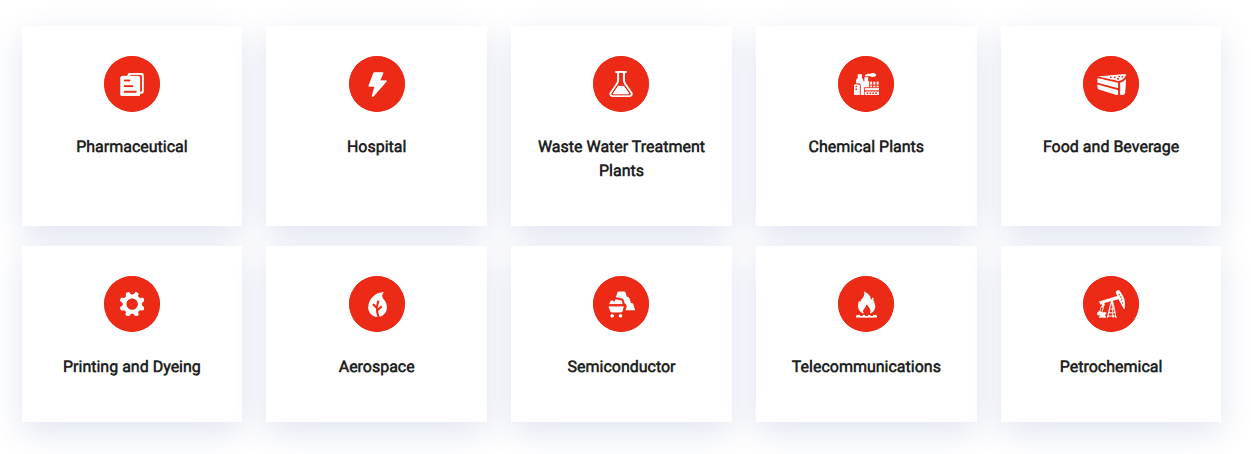
The FV Combined Sub-HEPA Air Filter is an advanced air purification solution, ideal for industrial manufacturing cleanrooms. Engineered with sub-HEPA filtration technology, it effectively removes fine particles and pollutants, ensuring a pristine and controlled environment essential for manufacturing processes. Its compatibility with existing HVAC systems makes it a versatile addition.
Hot Tags: FV Combined Sub-HEPA Air Filter, Hepa Air Filter, Hepa Air Filtration System, Hepa Filtration Systems, Hepa Filter System, Hepa Filtration System, Flow Hood Hepa Filter, Industrial Hepa Filter, Hepa Panel Filter, Laminar Flow Filter, China, Customized, OEM, Low price, manufacturing company, manufacturers, factory, suppliers, quotation, for sale
This comprehensive 2026 guide covers all major types of liquid filling machines used in pharmaceutical manufacturing, from manual and semi-automatic to fully automated monobloc systems. It details selection criteria based on viscosity, sterility, output speed, and regulatory compliance, with real-world case studies from Ningbo Everheal Medical Equipment. The article also explores future trends including IoT-enabled smart fillers and Industry 4.0 integration, offering actionable insights for pharma decision-makers planning custom production lines or facility upgrades.
Capsule filling machines are essential equipment in pharmaceutical manufacturing. They accurately fill hard capsules with powders, granules, pellets, and other materials through a controlled sequence of feeding, separation, dosing, closing, and discharge. Different machine types use different filling principles, so understanding how they work helps manufacturers choose the right equipment for production scale, product characteristics, and process stability.
This article presents a clear overview of the fully automatic linear tube filling machine for pharmaceutical packaging. It explains the machine’s structure, applications, advantages, selection factors, and production value in a clean, practical format for website publication.
Gravity-fed and pressure-fed dispensing are two common ways to move shear-sensitive liquid medications through pharmaceutical production lines. This article compares both methods from a process, product-quality, and plant-design perspective, helping manufacturers choose the most suitable option for sterile and high-value liquid preparations.
Automated capping and hand-crimping are two widely used vial closure methods in pharmaceutical manufacturing, but they differ significantly in consistency, scale, and suitability for maintaining container closure integrity. This article compares both approaches in practical terms and explains how manufacturers can choose the right method for sterile, high-value, and regulated production environments.
This article compares single-stage and multi-stage distillation for high-hardness feedwater in pharmaceutical environments. It explains performance differences, scaling risk, pretreatment needs, and lifecycle cost, while offering practical selection guidance, FAQ, and industry-focused recommendations for plant planning and water system design.
This article compares horizontal and vertical sterilization cabinets for lab glassware, with a focus on usable loading capacity, workflow efficiency, and facility planning. It explains the real tradeoffs behind chamber size, operator convenience, and space utilization, helping pharma and lab teams choose the right design for reliable, repeatable sterilization.
This article explains the working principle and core features of ampoule filling lines in a practical, E-E-A-T-friendly format. It compares ampoule filling systems with other sterile filling solutions, adds procurement guidance, and provides SEO-ready structure, FAQs, references, and visual suggestions for stronger engagement.
Filling machines are a critical part of pharmaceutical manufacturing, influencing accuracy, sterility, efficiency, and compliance. This article explains the working principles of major filling technologies, compares their strengths, and helps manufacturers choose the right solution for modern pharma production lines.
This article explains the different types of capsule filling machines and their industrial uses, with practical guidance for pharma manufacturers. It compares manual, semi-automatic, automatic, liquid, and multi-material systems, then adds expert insights on selection, containment, plant layout, and line integration.
Pure steam is critical in pharmaceutical plants, but not all pure steam applications require the same quality. This article compares pure steam for autoclaves and humidification from a GMP, engineering, and SEO perspective, helping manufacturers choose the right system, avoid validation risks, and improve plant design efficiency.
Interlocking pass boxes and air showers are both important tools for pharmaceutical contamination control, but they serve different roles. This article compares their functions, GMP relevance, selection criteria, and best-use scenarios to help pharma manufacturers choose the right material transfer solution.
This article compares synthetic fiber media and glass fiber media in pharmaceutical HVAC systems, with a focus on humidity resistance, GMP reliability, maintenance, and lifecycle performance. It is written for pharma plant engineers, cleanroom planners, and facility decision-makers seeking practical, compliance-aware guidance.
This article compares **aluminum vs stainless steel frames** for washable air filters from a pharmaceutical and industrial engineering perspective. It explains durability, corrosion resistance, lifecycle value, and application fit, while giving practical decision rules, SEO-friendly structure, and B2B-ready CTA guidance.
Capsule filling is a critical step in pharmaceutical manufacturing. This guide explains the different types of capsule filling, their applications, advantages, and limitations, while also offering expert advice on choosing the right system, improving plant layout, and building a more efficient production line.
This article compares liquid bottle filling machines and pharmaceutical liquid filling systems from a practical, SEO-focused, and engineering perspective. It explains key differences, selection criteria, industry trends, and layout planning tips to help pharmaceutical manufacturers choose the right solution for compliant, efficient, and scalable production.
Capsule filling machines are essential for pharmaceutical and nutraceutical production. This guide explains machine types, working principles, applications, benefits, and buying tips from an industry expert perspective, helping manufacturers choose the right solution for efficient, compliant, and scalable capsule production.
This article compares gel-seal and gasket-seal HEPA filters for pharmaceutical facilities operating in high-vibration environments. It explains long-term seal integrity, maintenance trade-offs, validation impacts, and selection criteria, while offering practical guidance for GMP cleanrooms and production plants.
This article compares Form-Fill-Seal (FFS) and pre-made pouch filling for large-volume parenterals, focusing on cost, sterility, layout planning, and total cost of ownership. It helps pharmaceutical manufacturers choose the right packaging strategy for long-term efficiency and GMP-compliant production.
This article compares rubber stopper vibratory bowls and centrifugal feeders from a pharmaceutical GMP perspective, focusing on particulate generation, cleanability, integration, and real-world selection logic. It is written for manufacturers planning sterile production lines, especially where contamination control, layout planning, and high-value drug preparation are critical.