Content Menu
● Understanding Vial Filling Machines and Their Importance
● The Current State of Indonesia's Pharmaceutical Equipment Market
● Everheal: A Leading Partner for Vial Filling and Sterilization Systems
>> Everheal's Core Product Range Includes:
● Top Vial Filling Machine Manufacturers and Suppliers in Indonesia
>> 1. PT. Bio Farma – Integrated Pharmaceutical Solutions
>> 2. PT. Sanco Indonesia – Machinery Engineering and Supply
>> 3. PT. Mitrakarya Tehnik – Industrial Machinery and Automation
>> 4. PT. Trimitra Sejati – Pharmaceutical Equipment Integrator
>> 5. PT. Sentral Mesin Industri – Engineering and Custom Manufacturing
>> 6. Everheal (China) – Strategic Technology Partner
● Choosing the Right Vial Filling Machine Manufacturer or Supplier
● Market Trends Shaping Indonesia's Vial Filling Sector
● How Everheal Supports Pharmaceutical Development in Indonesia
● Conclusion
● FAQs About Vial Filling Machine Manufacturers and Suppliers
>> 1. What is a vial filling machine used for?
>> 2. Are there local vial filling machine manufacturers in Indonesia?
>> 3. What should I check before buying a vial filling machine?
>> 4. Can Everheal supply vial filling machines to Indonesia?
>> 5. What capacity options are available for vial filling machines?
Indonesia has become one of the rising players in Southeast Asia's pharmaceutical and healthcare equipment industry. Among the many segments gaining attention, vial filling machines have emerged as high-demand equipment due to the nation's growing pharmaceutical production needs, especially for vaccines, injectable drugs, and diagnostics.
This article introduces the top vial filling machine manufacturers and suppliers in Indonesia, explores their product offerings, competitive strengths, and technological advantages, and explains how global companies like Everheal are supporting the Indonesian pharmaceutical sector with professional-grade vial filling systems and production line solutions.
Understanding Vial Filling Machines and Their Importance
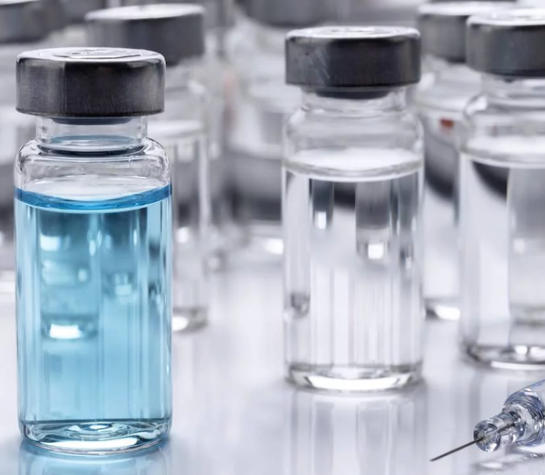
A vial filling machine is an essential part of any modern pharmaceutical production line. Its primary role is to fill liquid or powder-based medicines into sterile glass or plastic vials under precise volume control and contamination-free conditions. These equipment systems are used in the production of:
- Injectable medicines and vaccines
- Biological and biosimilar products
- Diagnostic and testing reagents
- Eye drops, oral suspensions, and infusions
Modern vial filling systems incorporate automation, robotics, and aseptic technologies to guarantee accuracy, efficiency, and sterility. With Indonesia's expanding pharmaceutical manufacturing capacity, the local demand for reliable vial filling machines—especially from GMP-compliant and ISO-certified suppliers—has surged in recent years.
The Current State of Indonesia's Pharmaceutical Equipment Market
Indonesia is home to over 200 pharmaceutical manufacturers, many of which have been upgrading their facilities to meet strict international quality standards such as WHO GMP and PIC/S certifications.
This rapid modernization has created new opportunities for vial filling machine manufacturers and suppliers to provide high-quality, cost-effective, and compliant machinery. Additionally, local engineering integration companies and distributors have partnered with international brands to ensure technical support, after-sales service, and spare parts availability.
Key growth drivers include:
- Government initiatives for local vaccine production
- Increasing exports of generic injectables to ASEAN and Middle Eastern countries
- Infrastructure development in industrial zones like Bekasi, Karawang, and Surabaya
- Rising investment from global pharma leaders such as Kalbe Farma, Dexa Medica, and Bio Farma
Everheal: A Leading Partner for Vial Filling and Sterilization Systems
Everheal, a Chinese company specialized in pharmaceutical equipment and factory integration, plays a crucial role in supporting Indonesia's manufacturing growth. The company provides a full range of advanced filling and sterilization solutions customized for injectable and aseptic production lines.
Everheal's Core Product Range Includes:
- Pure Water Preparation Systems for pharmaceutical-grade water
- Pure Steam Generators for sterilization processes
- Multi-Effect Distillation Water Machines to produce WFI (Water for Injection)
- Liquid Filling and Sealing Machines for precise vial and ampoule packaging
- Sterilization Systems (steam, dry heat, gas types) for equipment and materials
By providing both machinery and complete plant design solutions, Everheal ensures smooth integration, compliance with GMP regulations, and scalability for clients worldwide—including Indonesia.
Top Vial Filling Machine Manufacturers and Suppliers in Indonesia
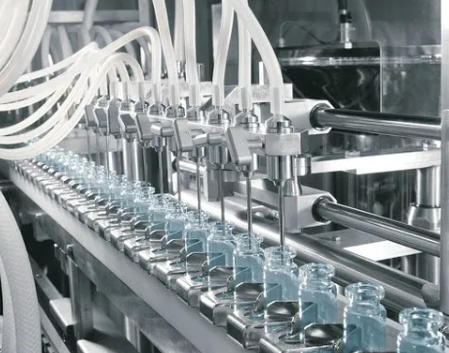
Below is an in-depth look at some of the most recognized Vial Filling Machine Manufacturers and Suppliers operating in Indonesia today. These companies include local manufacturers, exclusive distributors, and regional partners representing global brands.
1. PT. Bio Farma – Integrated Pharmaceutical Solutions
Location: Bandung, West Java
PT. Bio Farma stands as Indonesia's most established state-owned pharmaceutical manufacturer, specializing in vaccines and injectable products. While not a machine manufacturer itself, Bio Farma collaborates with major Vial Filling Machine Manufacturers and Suppliers to maintain state-of-the-art production capabilities for polio, tetanus, and COVID-19 vaccines.
They integrate automated vial filling lines with sterilization tunnels, labeling, and inspection systems, serving as a model for public-private cooperation in pharmaceutical technology enhancement.
2. PT. Sanco Indonesia – Machinery Engineering and Supply
Location: Bekasi
PT. Sanco Indonesia is a well-known machinery engineering company providing filling, packaging, and processing equipment across industries. The firm supplies advanced vial filling and capping machines from European and Asian partners, supporting both small batch labs and large-scale pharmaceutical factories.
Sanco's mechanical integration expertise and nationwide service network make it one of the reliable vial filling machine suppliers in the region.
3. PT. Mitrakarya Tehnik – Industrial Machinery and Automation
Location: Surabaya
PT. Mitrakarya Tehnik focuses on automation and precision equipment for food, chemical, and pharmaceutical sectors. The company is an authorized distributor for several vial filling machine manufacturers from Japan and South Korea.
They offer technical installation, operator training, and preventive maintenance services—helping clients maintain consistent production efficiency under GMP conditions.
4. PT. Trimitra Sejati – Pharmaceutical Equipment Integrator
Location: Jakarta
PT. Trimitra Sejati provides full packaging and filling solutions for pharmaceutical and cosmetic industries. Their product range includes vial filling machines, ampoule fillers, and automatic sealing systems suitable for sterile environments.
They also offer custom production line design, integrating foreign-made equipment (mainly from China and Germany) into turnkey facilities. Their ability to balance cost and performance positions them as one of the top Vial Filling Machine Suppliers in Indonesia.
5. PT. Sentral Mesin Industri – Engineering and Custom Manufacturing
Location: Tangerang
PT. Sentral Mesin Industri focuses on custom machine fabrication and modification. The company manufactures semi-automatic vial fillers, bottle filling machines, and liquid dosing equipment designed for small-scale pharmaceutical operations.
Although not at the high-end of the market, this firm fills an important niche for small to mid-size pharmaceutical producers in Indonesia needing practical and affordable equipment options.
6. Everheal (China) – Strategic Technology Partner
Although headquartered in China, Everheal plays a significant role in Indonesia's pharmaceutical modernization through partnership projects, system design consulting, and equipment supply.
Everheal offers modular vial filling and sealing machines that comply with EU GMP, cGMP, and ISO 9001 standards. Their equipment provides features such as:
- Servo-driven precision filling nozzles
- Automated vial washing, sterilization, and sealing integration
- Real-time production monitoring with data integrity compliance
- Compatibility with cleanroom installations
With years of experience in pure water, steam, and aseptic filling systems, Everheal provides Indonesian clients with end-to-end engineering—from technical layout design to validation support and staff training.
Choosing the Right Vial Filling Machine Manufacturer or Supplier
Selecting the right Vial Filling Machine Manufacturer or Supplier is a critical decision for pharmaceutical producers. Consider the following factors when evaluating potential partners:
- Compliance and Certification: Machines should comply with GMP, CE, ISO, and FDA standards.
- Customization and Scalability: The supplier should offer both lab-scale and high-speed production solutions.
- After-Sales Support: Local technical service and spare parts supply are essential for long-term stability.
- Automation and Data Integrity: Advanced controls ensure traceability and regulatory compliance.
- Total Cost of Ownership: Energy efficiency, maintenance needs, and operational costs matter for long-term ROI.
Everheal stands out for meeting all these criteria, providing Indonesian clients with dependable aseptic filling line technology and global engineering expertise.
Market Trends Shaping Indonesia's Vial Filling Sector
The future of vial filling machine manufacturers and suppliers in Indonesia looks promising due to several emerging trends:
- Localized production: Global collaboration is shifting toward domestic assembly and technical transfer.
- Regulatory alignment: Indonesia's FDA (BPOM) continues to harmonize local regulations with international GMP standards.
- Biopharmaceutical expansion: More companies are moving from traditional formulations to biologics requiring high-precision vial filling systems.
- Digital transformation: Smart factory integration, IoT monitoring, and AI-assisted quality control are becoming common.
- Sustainability: Energy-efficient and low-waste filling lines are gaining investments from ESG-conscious firms.
These trends open opportunities for collaborative ventures between Indonesian pharmaceutical companies and international machine manufacturers like Everheal.
How Everheal Supports Pharmaceutical Development in Indonesia
Everheal not only supplies high-quality vial filling machines but also acts as a strategic engineering partner. The company extends comprehensive technical support that includes:
- Plant layout and process flow design
- Installation, commissioning, and IQ/OQ/PQ validation
- FAT and SAT testing procedures
- Training programs for operators and maintenance staff
- On-site troubleshooting and remote monitoring
Through technology transfer and customized integration services, Everheal helps Indonesian manufacturers achieve operational efficiency and regulatory compliance while reducing project timelines and costs.
Conclusion
Indonesia's pharmaceutical industry is advancing rapidly, driving demand for world-class Vial Filling Machine Manufacturers and Suppliers. Local firms, distributors, and international partners—led by innovative companies such as Everheal—are working together to establish a robust ecosystem for sterile product manufacturing.
For pharmaceutical producers planning to expand or upgrade their aseptic lines, selecting a reliable and experienced supplier ensures not only high productivity but also strict adherence to global quality standards.
As Indonesia continues its journey toward becoming a regional pharmaceutical powerhouse, the role of vial filling machine technology will remain at the heart of its transformation.
FAQs About Vial Filling Machine Manufacturers and Suppliers
1. What is a vial filling machine used for?
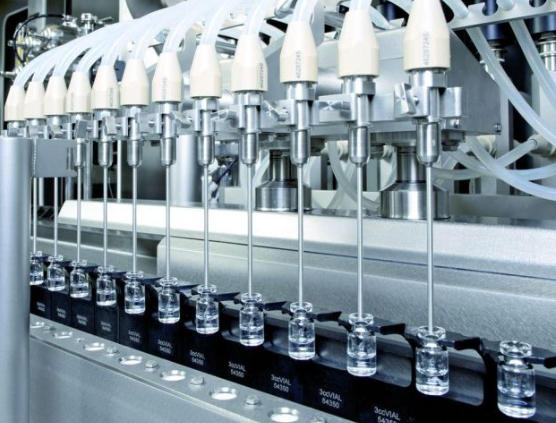
A vial filling machine is used to fill liquid or powder formulations into sterile vials with accurate dosage control while maintaining aseptic conditions required in vaccine and injectable drug production.
2. Are there local vial filling machine manufacturers in Indonesia?
Yes, several companies such as PT. Trimitra Sejati and PT. Sentral Mesin Industri produce or customize vial filling equipment for local industries, while others import high-end systems from China, Europe, and Japan.
3. What should I check before buying a vial filling machine?
Buyers should check certifications (GMP, CE, ISO), material quality (SUS316L stainless steel), control systems, automation level, and availability of after-sales service or local technical support.
4. Can Everheal supply vial filling machines to Indonesia?
Yes. Everheal provides vial filling and sealing equipment, along with complete production line consulting, installation, and validation services, fully tailored to Indonesian pharmaceutical manufacturing standards.
5. What capacity options are available for vial filling machines?
Capacity can range from small laboratory units (100–500 vials/hour) to fully automated production lines (up to 24,000 vials/hour), depending on the manufacturer and customized configuration.


