




|
INTRODUCTION
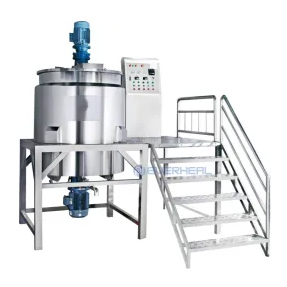
Our pharmaceutical mixing tanks are essential equipment designed for precise medication formulations. Built with advanced technology and rigorous quality control, we ensure every mixing process achieves the expected accuracy and consistency. Available in various capacities and configurations, our mixing tanks cater to diverse production environments and requirements. Whether preparing liquids, semi-solids, or solid formulations, our tanks deliver reliable performance and operational ease, effectively managing mixing and formulation challenges in pharmaceutical production. Choose our pharmaceutical mixing tank to enhance precision and reliability in your pharmaceutical manufacturing processes.
|
MODULES
Agitator:
The agitator is the core component of the mixing tank, used to blend and mix different components of drugs or solutions to ensure uniformity and stability. The design and performance of the agitator are crucial for the quality of the final product.
Inlets:
Inlets are used to introduce various raw materials, solvents, or other drug components into the mixing tank. These materials can be added through one or multiple inlets to ensure the accuracy and correctness of the formulation.
Outlets:
Outlets are typically located at the bottom of the mixing tank for draining the final mixed product or solution. The outlets may be equipped with valves or other control devices to regulate the flow rate and quantity of the product.
Control System:
The control system includes sensors, instruments, and automation equipment to monitor and adjust critical parameters such as temperature, pressure, pH, and agitation speed within the mixing tank. These control systems ensure precise control during the mixing process and consistency in product quality.
Cooling or Heating System:
For processes requiring temperature control, the mixing tank may have cooling or heating systems. These systems regulate the temperature of the mixing liquid using circulating fluids such as water or coolants to meet process requirements.
Monitoring and Safety Devices:
Monitoring and safety devices include temperature sensors, pressure gauges, safety valves, etc., to monitor the internal conditions of the mixing tank and take necessary actions to ensure operational safety and product quality.
These modules work together to enable the mixing tank to effectively carry out pharmaceutical preparation processes and ensure that the quality of the final product meets requirements.
|
WHY CHOOSE US
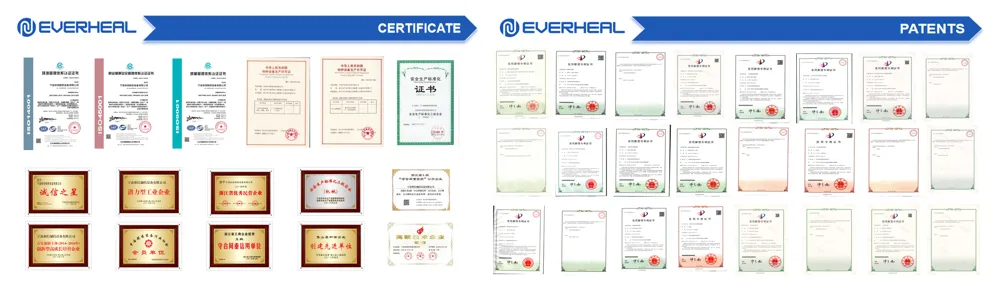
Quality Assurance: We prioritize the quality of our products to ensure that they are in full compliance with strict GMP standards and regulations.
Reliability: Our track record of timely deliveries and dependable service ensures you receive your orders when you need them.
Expertise: With years of experience in the industry, we bring deep knowledge and understanding to every product we offer.
Customer Support: Our dedicated support team is committed to addressing your queries and concerns promptly and effectively.
Competitive Pricing: We offer competitive pricing without compromising on quality, providing value for your investment.
Customization: We can tailor products to meet specific requirements, ensuring they fit seamlessly into your operations.
|
APPLICATION
Mixing tanks have diverse applications across various industries, primarily involving the blending, mixing, and processing of liquids or slurries. Some common applications of mixing tanks include:
Pharmaceuticals: Mixing tanks are used for blending active pharmaceutical ingredients (APIs), excipients, and other components to create drug formulations. They ensure uniformity and consistency of the final product.
Food and Beverage: In food processing, mixing tanks are employed for mixing ingredients, blending flavors, homogenizing products like sauces and beverages, and emulsifying ingredients like oils and water.
Chemicals: Chemical industries utilize mixing tanks for combining raw materials, mixing solutions, dispersing solids into liquids, and facilitating chemical reactions under controlled conditions.
Cosmetics: Mixing tanks are essential in cosmetics manufacturing for blending ingredients like oils, fragrances, emulsifiers, and colorants to produce creams, lotions, shampoos, and other personal care products.
Biotechnology: Mixing tanks are utilized in biotech industries for cell culture mixing, fermentation processes, and the production of biological products such as vaccines and antibodies.
These applications demonstrate the versatility of mixing tanks across industries, where they play a crucial role in ensuring efficient processes, product quality, and consistency. The design and specifications of mixing tanks vary depending on the specific requirements of each application to achieve optimal performance.
|
PAYMENT TERMS
30% advance payment upon contract signing, with the remaining 70% to be settled before shipment.
|
FAQ
Q: Where is your factory located?
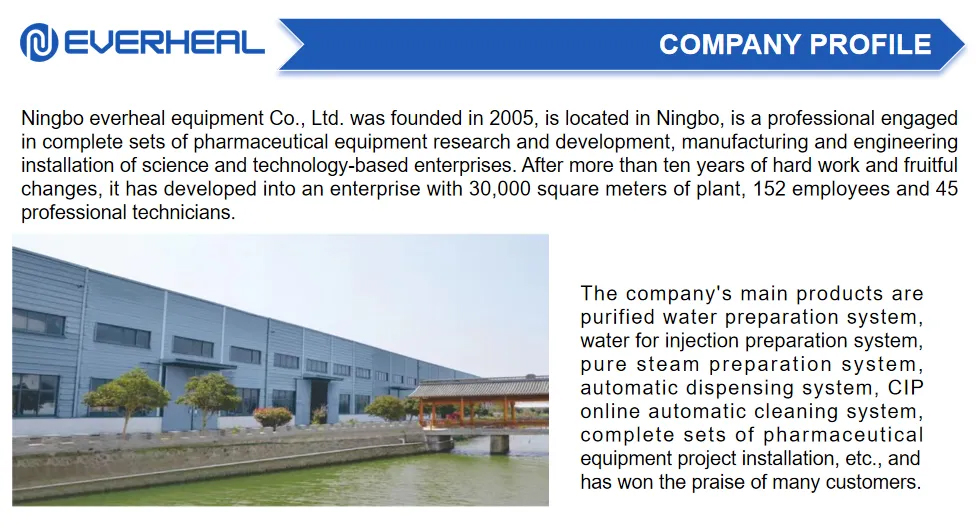
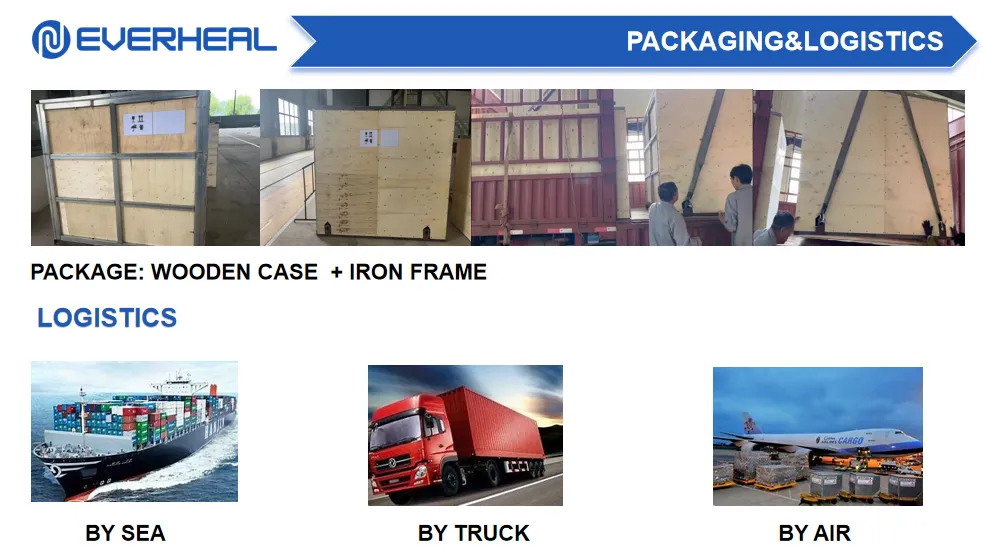
A: Our factory is located in Ningbo, China, a port city along the East China Sea. This location ensures convenient shipping and rapid delivery worldwide.
Q: How many years of experience does your factory have?
A: Our factory has over 20 years of experience, focusing on manufacturing high-quality products and delivering solutions and services.
Q: How long is the delivery time for your products?
A: Our standard delivery time usually falls within the range of 60 to 90 days. We will provide the exact delivery time upon order confirmation. It depends on the specific product type, specifications, and order quantity.
Q: We have an overseas project. Do you have experience to provide support?
A: Yes, we have extensive overseas project experience. Please contact our sales team, and they will collaborate with you to provide engineering support and solutions, ensuring the successful implementation of your project.
Q: What after-sales service can you provide?
A: We will arrange engineers to video guide with you in the first time, if we can't solve the problem, we will arrange the service to customer site as soon as possible.
Hot Tags: Pharmaceutical Mixing Tank, Mixing Tank With Agitator, Chemical Mixing Tank, Industrial Mixing Tank, Stainless Steel Mixing Tanks, Chemical Mixing Tank With Agitator, Stainless Steel Mixing Tank With Agitator, Stainless Steel Mixing Vessel, Chemical Tank Mixer, Stainless Steel Pharmaceutical Vessels, China, Customized, OEM, Low price, manufacturing company, manufacturers, factory, suppliers, quotation, for sale


