Content Menu
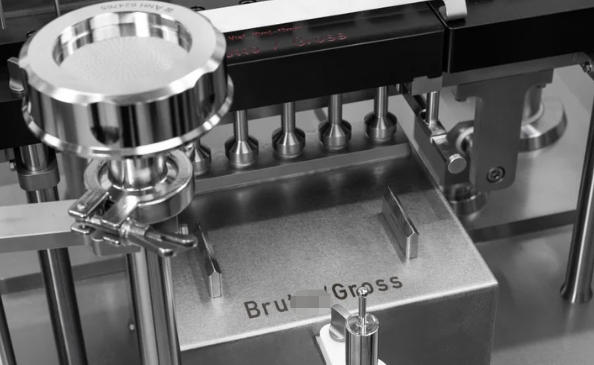
● Growing Demand for Vial Filling in Turkmenistan
● Key Criteria for Selecting Vial Filling Machine Manufacturers And Suppliers
>> Compliance and quality
>> Technical scope and integration
>> Customization and layout design
>> After‑sales service and training
>> Cost of ownership
>> Example evaluation checklist
● Leading International Vial Filling Machine Manufacturers And Suppliers
>> Syntegon
>> groninger
>> Micmachinery and other specialized firms
● Everheal: A Turnkey Partner for Vial Filling Projects
>> Everheal vial filling and crimping solutions
>> End‑to‑end project capabilities
● Local and Regional Partners Supporting Vial Filling Projects
>> Local distributors and tender participants
>> Regional EPC and engineering firms
>> Industrial machinery suppliers
● Comparison of Selected Vial Filling Machine Manufacturers And Suppliers Relevant to Turkmenistan
● How to Choose the Right Partner for Your Vial Filling Line
>> 1. Define product and regulatory needs
>> 2. Evaluate process utilities and supportive systems
>> 3. Shortlist Vial Filling Machine Manufacturers And Suppliers
>> 4. Request integrated proposals
>> 5. Consider long‑term partnership potential
>> Illustration: A typical Turkmenistan project
● Conclusion
● FAQ
>> 1. What key standards should Vial Filling Machine Manufacturers And Suppliers meet for Turkmenistan projects?
>> 2. Why is Everheal a strong choice among Vial Filling Machine Manufacturers And Suppliers for Turkmenistan?
>> 3. Can smaller pharma companies in Turkmenistan work with top Vial Filling Machine Manufacturers And Suppliers?
>> 4. How do local partners add value when working with international Vial Filling Machine Manufacturers And Suppliers?
>> 5. What supporting equipment should be planned alongside vial filling machines?
Turkmenistan's pharmaceutical sector is steadily modernizing, and demand for reliable Vial Filling Machine Manufacturers And Suppliers is growing as local and regional producers expand sterile injectable capacity. For project owners, the right partner must provide not only machines, but also engineering support, validation, and long‑term service.
As Turkmenistan upgrades existing facilities and builds new plants, investors and manufacturers increasingly look to experienced international Vial Filling Machine Manufacturers And Suppliers that can deliver complete, compliant solutions. These solutions must cover everything from purified water systems and pure steam generation to vial filling, sterilization, and packaging, ensuring a smooth path from project design to commercial production.
Growing Demand for Vial Filling in Turkmenistan
Turkmenistan is investing in healthcare and pharmaceutical self‑sufficiency, driving upgrades from manual filling to automated vial lines that support GMP compliance and stable production. Manufacturers need turnkey partners who understand water systems, clean steam, sterilization, and filling technology as integrated elements of one production ecosystem.
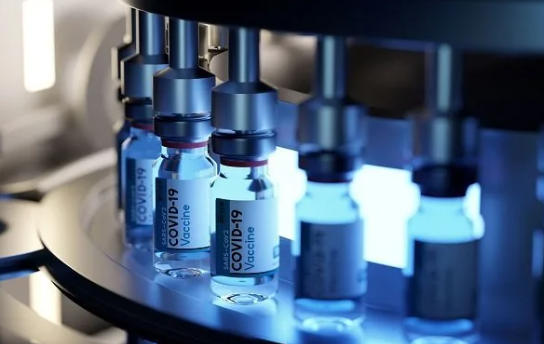
As injectable medicines and vaccines gain importance, demand for flexible Vial Filling Machine Manufacturers And Suppliers capable of handling different vial sizes and batch scales is rising. International equipment suppliers with Central Asia experience now work through local agents, EPC firms, and government tenders to deploy complete vial filling and packaging solutions across the country.
The market is still emerging, which means that the first movers who select strong Vial Filling Machine Manufacturers And Suppliers can secure quality advantages, better process control, and easier regulatory approvals. At the same time, government bodies and private investors prefer partners who can train local staff and provide long‑term technical backing.
Key Criteria for Selecting Vial Filling Machine Manufacturers And Suppliers
When evaluating Vial Filling Machine Manufacturers And Suppliers serving Turkmenistan, buyers should focus on several critical dimensions instead of looking only at catalog specifications or price lists.
Compliance and quality
Turkmen producers must meet cGMP, WHO, and local ministry requirements, so equipment must support validated processes, electronic records where needed, and robust cleaning and sterilization strategies. Vial filling systems should be compatible with cleanroom operation, offer easy cleaning and sterilization, and enable consistent, reproducible results with accurate dosing.
Regulatory inspections increasingly focus on data integrity and traceability. Therefore, modern Vial Filling Machine Manufacturers And Suppliers should provide solutions with proper batch records, alarms, event logs, and validation support documentation, such as FAT, SAT, IQ, and OQ protocols, to help users pass audits smoothly.
Technical scope and integration
The best Vial Filling Machine Manufacturers And Suppliers offer complete lines, including vial washing, depyrogenation tunnels, filling and stoppering, capping or crimping, and downstream inspection and packaging. Isolated procurement of single machines can cause interface problems later, whereas a single partner who designs the line can ensure mechanical, electrical, and software compatibility.
Integration with upstream and downstream equipment is also crucial. Vial filling lines must work in harmony with solution preparation systems, filtration units, lyophilizers (if any), labeling and cartoning machines, and secondary packaging. Choosing Vial Filling Machine Manufacturers And Suppliers who understand the full value chain significantly reduces project risk.
Customization and layout design
For greenfield sites or line upgrades, strong suppliers can design plant layouts, utility routing, and cleanroom zoning to optimize material and personnel flows. This helps to avoid cross‑contamination, minimize bottlenecks, and comply with GMP zoning principles such as unidirectional flow and clear separation of clean and dirty areas.
The ideal Vial Filling Machine Manufacturers And Suppliers will work with users to evaluate existing buildings, room heights, floor loading, and utility routes, then adapt machine layout accordingly. Customization can include line configuration, line length, number of filling heads, conveyor systems, and integration of isolators or RABS where higher containment is needed.
After‑sales service and training
Given Turkmenistan's developing industrial base, reliable commissioning, operator training, and remote diagnostics are crucial decision factors when choosing Vial Filling Machine Manufacturers And Suppliers. Without adequate training, even the best machines will fail to deliver their full potential.
A strong service program usually includes preventive maintenance, access to spare parts, remote troubleshooting, and periodic refresher training. For Turkmenistan, where travel can add time and cost, it is especially helpful if Vial Filling Machine Manufacturers And Suppliers cooperate with local or regional service partners who can support equipment quickly.
Cost of ownership
Buyers should look beyond initial purchase price and consider energy consumption, spare parts availability, production efficiency, and flexibility for future products. A slightly higher initial cost may be justified if the machine offers:
- Lower rejection rates and higher yield
- Easy format changeovers, enabling multiple products on one line
- Reduced downtime through robust design and remote service
- Long‑term availability of critical components
By evaluating total cost of ownership, decision‑makers can better compare the offers of different Vial Filling Machine Manufacturers And Suppliers and avoid under‑specifying equipment that later becomes a bottleneck.
Example evaluation checklist
A typical procurement team in Turkmenistan might rate each candidate Vial Filling Machine Manufacturers And Suppliers on:
- GMP and regulatory compliance
- Project experience in Central Asia or similar markets
- Ability to provide complete lines and utility systems
- References and installed base with injectable products
- Strength of after‑sales service and spare parts support
- Flexibility of technical solutions and layout design
After scoring these criteria, they can shortlist partners for technical clarification, site visits to reference plants, and commercial negotiation.
Leading International Vial Filling Machine Manufacturers And Suppliers
Several international companies dominate the global vial filling market and are increasingly present in Central Asian projects. These Vial Filling Machine Manufacturers And Suppliers provide a range of technologies from entry‑level lines to high‑speed, fully automated systems.
Syntegon
Syntegon Technology offers high‑speed vial filling machines for liquid and lyophilized products, with advanced in‑process control and containment options to meet stringent pharma standards. Its equipment portfolio covers vial washing, sterilizing, filling, and closing, often integrated with isolators for high‑risk products.
Because of their strong track record in regulated markets, Syntegon is one of the best‑known Vial Filling Machine Manufacturers And Suppliers for large‑scale sterile injectable plants. Turkmen investors seeking to build high‑capacity plants targeting export markets can benefit from such premium solutions.
groninger
groninger provides vial filling machines for bulk processing, integrating washing, sterilizing, filling, and closing modules capable of handling high speeds with precise in‑process controls. Their systems can achieve very high throughput with 100% in‑process weight checking, which helps minimize product loss and ensure consistent fill volumes.
For users seeking premium Vial Filling Machine Manufacturers And Suppliers, groninger's equipment is particularly attractive for fully automated lines designed for national or regional vaccine and injectable supply. Although investment costs may be higher, the efficiency and automation level can justify the decision for large projects.
Micmachinery and other specialized firms
Various industry rankings list Micmachinery and several other manufacturers among the top global players in vial filling technology, supplying semi‑automatic and fully automated equipment to pharmaceutical clients worldwide. These Vial Filling Machine Manufacturers And Suppliers often focus on cost‑effective solutions suitable for emerging markets.
They may offer:
- Compact vial filling lines for lower capacities
- Semi‑automatic vial filling and stoppering machines
- Flexible, modular setups that can grow with demand
Such suppliers work with regional distributors to reach markets like Turkmenistan, where they can serve small and mid‑size projects that need solid performance without premium price tags.
Even when these companies do not have offices in Turkmenistan, they cooperate with local engineering firms or agents to provide installation, validation, and long‑term service to end users. For buyers, this means they can combine global technology with local presence and service.
Everheal: A Turnkey Partner for Vial Filling Projects
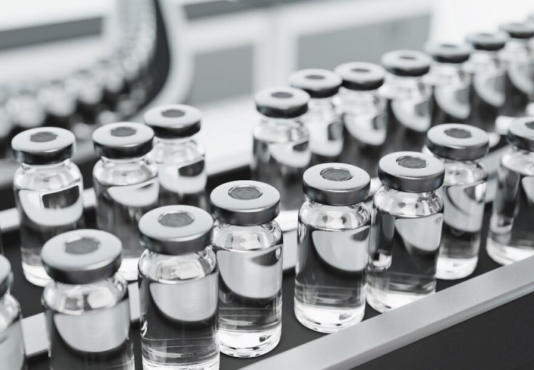
Everheal, headquartered in Ningbo, China, is a pharmaceutical equipment manufacturer and engineering company serving Turkmenistan and other Central Asian markets. Positioned among leading pharmaceutical equipment manufacturers and suppliers, Everheal combines process equipment, automation, and layout design to deliver integrated solutions.
Everheal specializes in:
- Purified water preparation systems and distillation units for WFI production
- Pure steam generators and sterilization systems for vials, equipment, and components
- Pharmaceutical filling equipment including vial filling and crimping machines, liquid filling and sealing machines, and related automation
- Cleanroom and HVAC systems designed to meet cGMP and WHO standards
By combining these technologies, Everheal acts not only as one of the Vial Filling Machine Manufacturers And Suppliers, but also as a full‑scope partner for factory layout planning and production line construction in Turkmenistan. This positioning is valuable for investors who want a single engineering partner rather than many separate suppliers.
Everheal vial filling and crimping solutions
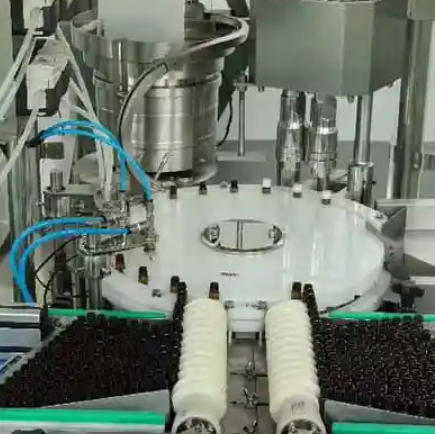
Everheal's vial filling and crimping machine is designed for filling, stoppering, and crimping vials in pharmaceutical, medical, and cosmetic applications. It can be integrated with ultrasonic bottle washing machines and hot air circulation tunnel ovens to create a continuous vial washing, sterilizing, and filling line.
Key technical features include:
- Conveying system with vibrating tray for sorting rubber stoppers and aluminum caps, using stainless steel trays to eliminate cleaning dead spots
- Servo‑based control system utilizing branded electrical components for accurate, modular, and stable operation
- Detection system with no‑bottle‑no‑fill function, automatic alarms, and sensors at filling, stoppering, capping, and crimping stations
- Flexible dosing volumes and parameter storage for quick recipe changeovers when switching products or vial sizes
The machine is capable of accurate dosing within a narrow tolerance range, depending on product characteristics, and offers typical capacities suitable for small to mid‑scale production. These capabilities make Everheal one of the Vial Filling Machine Manufacturers And Suppliers well suited to mid‑scale sterile production lines in Turkmenistan.
Everheal also provides customization options, such as:
- Different numbers of filling heads
- Adaptation for various vial sizes and closures
- Integration with laminar flow or isolation technology
- Interface with upstream solution preparation and downstream packaging
End‑to‑end project capabilities
Everheal supports Turkmen customers from concept to commercial production with services that go beyond standard Vial Filling Machine Manufacturers And Suppliers.
Key services include:
- Technical consultation and URS definition
Everheal's engineers help define user requirement specifications, utility demands, and cleanroom classes to ensure the vial filling line fits regulatory expectations and future expansion needs.
- Factory layout planning
The company designs production layouts, material and personnel flows, and cleanroom zoning to minimize cross‑contamination, ease operation, and simplify cleaning. This includes 2D and 3D layout drawings and coordination with building architects.
- Equipment supply and integration
In addition to vial filling machines, Everheal supplies purified water systems, distillation units, pure steam generators, sterilizers, and other core process equipment as a cohesive package. This reduces the risk of mismatched equipment and simplifies project management.
- Automation and control
Everheal can integrate control systems for multiple pieces of equipment, ensuring consistent operation, data collection, alarms, and interlocks. This is important in modern projects where digitalization and data integrity are priorities.
- Validation and training
Everheal assists with installation, commissioning, IQ/OQ documentation, and operator training. This support underpins stable long‑term performance for vial filling lines and helps local staff build competence and confidence.
These strengths position Everheal as a strategic choice among Vial Filling Machine Manufacturers And Suppliers for clients seeking a single partner to manage both equipment and engineering for Turkmenistan projects. For many investors, this integrated approach shortens project timelines and simplifies communication.
Local and Regional Partners Supporting Vial Filling Projects
While Turkmenistan has limited domestic manufacturing of vial filling machines, several local and regional companies play important roles in supplying and supporting equipment. They often cooperate closely with international Vial Filling Machine Manufacturers And Suppliers.
Local distributors and tender participants
Local distributors, such as Turkmenmedimpeks, act as channels for medical and pharmaceutical equipment, working with international partners to supply process machinery and related technologies. They participate in government tenders for hospitals and pharmaceutical factory construction, acting as a bridge between Vial Filling Machine Manufacturers And Suppliers and end users.
These distributors usually provide:
- Local language communication
- Assistance with customs and import procedures
- Coordination of installation and commissioning
- First‑line service and troubleshooting
For international companies, this cooperation is essential for doing business efficiently in Turkmenistan.
Regional EPC and engineering firms
Engineering firms active in Central Asia provide design, installation, and maintenance services for process plants, complementing the offerings of global Vial Filling Machine Manufacturers And Suppliers. They help adapt imported equipment to local power standards, building codes, and regulatory procedures.
Such firms might:
- Design utility networks (steam, water, compressed air)
- Build and qualify cleanrooms and HVAC systems
- Integrate multiple equipment packages into a functional line
- Provide ongoing plant maintenance and upgrades
By working with these regional partners, Vial Filling Machine Manufacturers And Suppliers can deliver projects that are technically sound and well adapted to local conditions.
Industrial machinery suppliers
Multi‑sector machinery suppliers list filling and packaging machines, bottle filling units, and other equipment for sale in Turkmenistan, sometimes including pharmacy‑grade solutions or acting as importers for specialized Vial Filling Machine Manufacturers And Suppliers. For small projects, these companies can offer practical, off‑the‑shelf solutions.
However, for regulated pharmaceutical uses, it remains crucial that any solution, even if purchased via general machinery suppliers, is properly documented, validated, and fit for GMP production.
In many projects, the optimal model is a three‑way collaboration: a global vial equipment manufacturer, a regional or local engineering firm, and the Turkmen end user working together from design to validation. This structure combines global technology, local execution, and owner responsibility.
Comparison of Selected Vial Filling Machine Manufacturers And Suppliers Relevant to Turkmenistan
| Company | Role / Reach in Turkmenistan | Core Strengths for Vial Filling | Typical Project Fit |
| Everheal (China) | Active supplier to Turkmenistan and Central Asia via projects | Integrated water systems, sterilization, vial filling and crimping, factory layout and turnkey support | Greenfield pharma plants needing full‑scope design plus equipment |
| Syntegon | Global supplier with solutions accessible to Turkmen clients | High‑speed vial filling, advanced automation and containment, strong GMP track record | Large‑scale sterile injectable and vaccine facilities |
| groninger | Global high‑end vial filling specialist, available via distributors | High‑capacity, fully automated lines with detailed in‑process control | Premium projects requiring top throughput and automation |
| Micmachinery and peers | Global providers serving emerging markets | Range of semi‑automatic and automatic vial fillers, flexible configurations | Small to mid‑size lines or cost‑sensitive expansions |
| Local distributors | Local interface and tender participants | Access to multiple international manufacturers, local coordination | Government or hospital projects needing local interface and support |
This overview shows how different Vial Filling Machine Manufacturers And Suppliers can complement each other across project scales and technical complexity in Turkmenistan. Buyers can combine global specialists such as Everheal, Syntegon, and groninger with local partners for a balanced solution.
How to Choose the Right Partner for Your Vial Filling Line
For investors and pharmaceutical companies in Turkmenistan, choosing Vial Filling Machine Manufacturers And Suppliers should follow a structured process that balances technical, financial, and regulatory considerations.
1. Define product and regulatory needs
Start by clarifying:
- Vial sizes and formats
- Fill volumes and product types (e.g., solutions, suspensions, lyophilized products)
- Required production capacity and future expansion targets
- Target regulatory frameworks, such as WHO GMP and potential export market regulations
This information guides the selection of machine type, level of automation, containment requirements, and utility capacity.
2. Evaluate process utilities and supportive systems
Ensure that purified water, WFI, pure steam, clean compressed air, and HVAC systems are sized and designed to support the vial line's capacity and sterility goals. For example, insufficient pure steam supply can limit autoclave and sterilizer performance, while inadequate HVAC can compromise cleanroom classification.
Vial Filling Machine Manufacturers And Suppliers that also supply utilities and sterilization systems, such as Everheal, can help align equipment capacity and system design from the start, minimizing rework and delays.
3. Shortlist Vial Filling Machine Manufacturers And Suppliers
Focus on companies with:
- Documented experience in injectable and vaccine production
- Proven installations in Central Asia or similar regions
- Positive references from existing customers
- Clear, transparent technical proposals and scope definitions
It is often beneficial to visit reference sites or request remote plant tours to see how proposed equipment performs in real‑world operation.
4. Request integrated proposals
Instead of buying only stand‑alone machines, ask for turnkey solutions that combine vial filling, sterilization, utilities, and layout engineering. This integrated approach simplifies project management, reduces interface risks, and ensures that all components are designed to work together.
Here, Vial Filling Machine Manufacturers And Suppliers like Everheal, who offer factory layout planning plus purified water systems, pure steam generators, sterilizers, and vial filling and crimping machines, can provide clear advantages over single‑machine sellers.
5. Consider long‑term partnership potential
A reliable partnership with Vial Filling Machine Manufacturers And Suppliers that offer upgrades, retrofits, and operator training will reduce downtime and protect your investment. Look for:
- Availability of remote support
- Reasonable spare parts lead times
- Training packages for operators and maintenance staff
- Options for future capacity upgrades or technology enhancements
A long‑term view helps ensure that the chosen partner remains a valuable asset as regulations evolve and product portfolios expand.
Illustration: A typical Turkmenistan project
A Turkmen injectable manufacturer might partner with Everheal for purified water systems, WFI distillation, pure steam, sterilizers, and vial filling and crimping equipment, while working with a local company for tender management and ongoing on‑site support. This combination ensures that all elements of the vial line are engineered to work together, meet regulatory expectations, and remain reliable over time.
By choosing Vial Filling Machine Manufacturers And Suppliers who can collaborate effectively, the project owner can shorten time‑to‑market and reduce hidden project risks.
Conclusion
Turkmenistan's pharmaceutical industry is entering a phase of modernization in which robust vial filling capabilities are essential for supplying both domestic and regional markets. As demand for sterile injectables grows, carefully selected Vial Filling Machine Manufacturers And Suppliers can help producers achieve GMP compliance, higher productivity, and long‑term reliability.
Global players such as Syntegon and groninger bring high‑speed, fully automated solutions, while companies like Micmachinery broaden the range of cost‑effective options for smaller plants. At the same time, Everheal stands out by combining purified water systems, pure steam generators, sterilizers, and vial filling and crimping machines with complete layout design, automation, and validation support for Turkmen projects.
Local distributors and regional engineering firms help adapt these technologies to the Turkmen context, handling tenders, installation, and ongoing service. For investors and manufacturers, the best strategy is to select Vial Filling Machine Manufacturers And Suppliers that can work collaboratively across equipment, utilities, and engineering to deliver safe, efficient, and future‑proof vial production lines in Turkmenistan.
FAQ
1. What key standards should Vial Filling Machine Manufacturers And Suppliers meet for Turkmenistan projects?
Vial Filling Machine Manufacturers And Suppliers serving Turkmenistan should support compliance with cGMP, WHO, and local regulatory standards for sterile manufacturing. They should also be able to provide a full set of validation documents, including FAT, SAT, IQ, OQ, and related protocols, to support regulatory inspections and product registrations.
2. Why is Everheal a strong choice among Vial Filling Machine Manufacturers And Suppliers for Turkmenistan?
Everheal combines purified water systems, WFI distillation units, pure steam generators, sterilization equipment, and vial filling and crimping machines into integrated turnkey solutions. In addition, Everheal offers factory layout design, automation integration, installation, validation, and staff training tailored to Turkmenistan and the wider Central Asian region, giving clients a single responsible partner for the whole line.
3. Can smaller pharma companies in Turkmenistan work with top Vial Filling Machine Manufacturers And Suppliers?
Yes, many Vial Filling Machine Manufacturers And Suppliers offer scalable solutions, from semi‑automatic units to modular automated lines that fit modest production capacities. Smaller companies can start with a compact line and later upgrade or expand as demand grows, often reusing key components such as purified water systems and sterilization equipment.
4. How do local partners add value when working with international Vial Filling Machine Manufacturers And Suppliers?
Local partners add value by assisting with government tenders, import procedures, construction coordination, and on‑site technical service. They provide language support, cultural understanding, and faster response times. In cooperation with international Vial Filling Machine Manufacturers And Suppliers, local partners help implement complex projects more smoothly and sustain long‑term operation.
5. What supporting equipment should be planned alongside vial filling machines?
In addition to vial filling machines, projects should include washing units, depyrogenation tunnels, sterilizers, purified water and WFI systems, pure steam generators, solution preparation tanks, filtration systems, and appropriate HVAC and cleanroom infrastructure. Selecting Vial Filling Machine Manufacturers And Suppliers that understand and can integrate these systems significantly reduces project risk, shortens commissioning time, and ensures consistent product quality.


