|
Introduction
Dispensing systems are an essential component in the pharmaceutical industry, providing an efficient and accurate method of packaging and dispensing medications. These systems have evolved over the years to incorporate automation and advanced technologies, improving the overall efficiency and safety of pharmaceutical dispensing processes.
|
Key Features Include
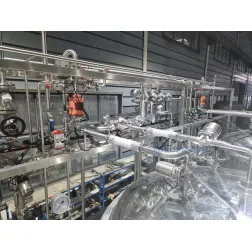
Our fully automatic liquid dispensing equipment not only enhances production efficiency and product quality but also reduces risks and wastage during manufacturing processes. It is the ideal choice for your pharmaceutical formulation room, providing reliable assurance for your pharmaceutical production needs.
Precision Ratio Control: Equipped with advanced metering and control systems, the equipment accurately dispenses various liquid components, ensuring every batch meets stringent formulation requirements.
Automated Operations: Fully automated processes reduce the potential for human errors, thereby improving workflow efficiency and lowering labor costs.
Flexible Formulation Management: Supports multiple formulation storage and rapid switching capabilities to accommodate diverse batch and product specifications for flexible production needs.
Hygienic and Clean Design: Designed in compliance with GMP standards, the equipment uses easy-to-clean materials and configurations to maintain high operational standards and product quality stability.
Data Recording and Traceability: Features advanced data logging systems for real-time monitoring of production processes, providing comprehensive production data and batch traceability to ensure product quality and compliance.
|
List of Main Components
Liquid Delivery System: Includes pumps, valves, piping, and fittings for transporting various liquid components to the mixing or proportioning area.
Metering System: Features precise metering pumps or flow meters to accurately measure and control the flow rate and proportion of each liquid component.
Control System: Incorporates a PLC (Programmable Logic Controller) or similar control unit to manage and monitor the entire dispensing process, ensuring accuracy and consistency at each step.
Operator Interface: Provides a user interface, typically a touchscreen or similar interface, for operators to set recipes, monitor operational status, and record data.
Cleaning System: Equipped with dedicated cleaning circuits or systems for automatic cleaning of pipelines, pumps, and other liquid transfer components to prevent cross-contamination and maintain hygienic standards.
Safety Devices: Includes level sensors, pressure sensors, temperature sensors, and other safety devices to monitor and protect the equipment during operation.
Data Logging and Traceability System: Records critical process data to support batch traceability and quality management requirements, ensuring compliance with regulations and quality standards.
Framework and Enclosure: Provides structural support and protection for the equipment, ensuring stability and safety during operation.
These components work together to enable the fully automatic liquid dispensing equipment to perform high-precision and efficient liquid proportioning operations, suitable for the stringent drug formulation processes in pharmaceutical factories.
|
Why Choose Us
Pharmaceutical Grade Stainless Steel Construction:
Our 2-Stage Reverse Osmosis Pure Water Purification System is manufactured using high quality pharmaceutical grade stainless steel materials to ensure product hygiene and durability. It meets the requirements of sensitive environments such as pharmaceutical manufacturing.
Strict Manufacturing Processes and Quality Control:
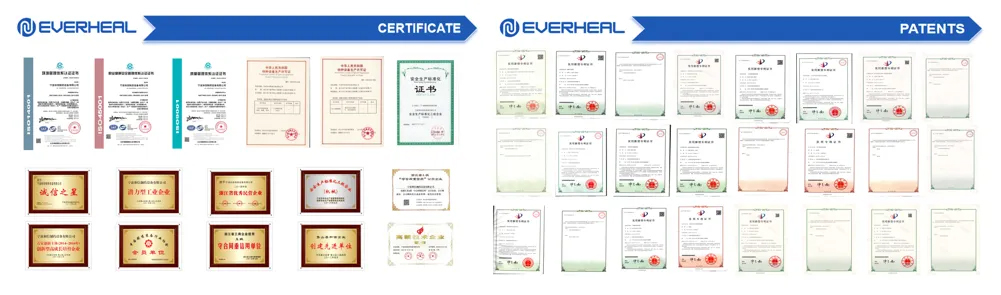
We follow strict manufacturing processes and quality checks. Every device undergoes thorough testing and inspection before it's shipped to ensure it meets the pharmaceutical industry's strict standards.
Deployment of Experienced Engineers to Customer Facilities:
We dispatch experienced engineers to our customers' facilities. During the installation process, they supervise the equipment installation, ensuring that every component is correctly and accurately configured. Additionally, they provide detailed operating instructions to ensure customers can fully utilize the equipment's capabilities for efficient production.
Over 10 Years of Project Experience:
With over 10 years of successful project experience providing water purification solutions to the pharmaceutical industry,Our expertise and experience serve as strong support for the success of your projects.
|
Payment Terms
30% advance payment upon contract signing, with the remaining 70% to be settled before shipment
|
FAQ
Q: Where is your factory located?
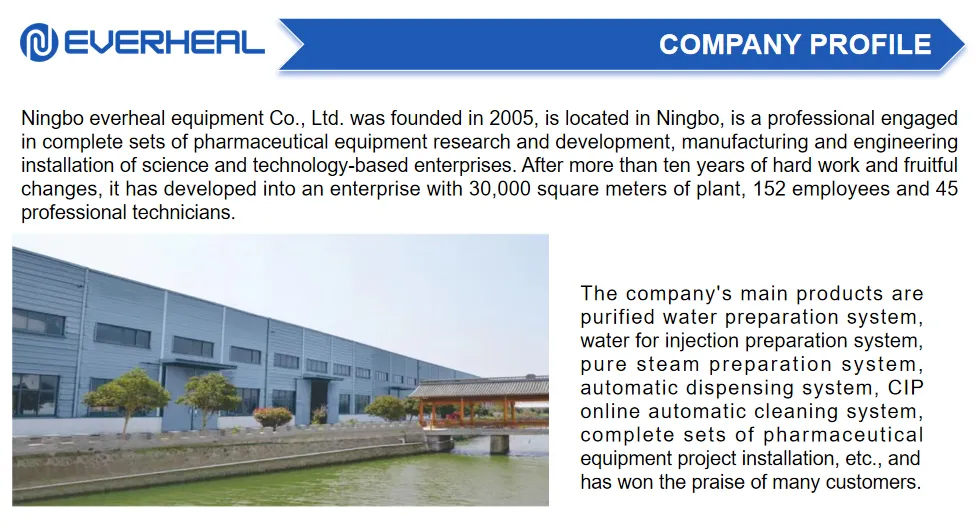
A: Our factory is located in Ningbo, China, a port city along the East China Sea. This location ensures convenient shipping and rapid delivery worldwide.
Q: How many years of experience does your factory have?
A: Our factory has over 20 years of experience, focusing on manufacturing high-quality products and delivering solutions and services.
Q: How long is the delivery time for your products?
A: Our standard delivery time usually falls within the range of 60 to 90 days. We will provide the exact delivery time upon order confirmation. It depends on the specific product type, specifications, and order quantity.
Q: We have an overseas project. Do you have experience to provide support?
A: Yes, we have extensive overseas project experience. Please contact our sales team, and they will collaborate with you to provide engineering support and solutions, ensuring the successful implementation of your project.
Q: What after-sales service can you provide?
A: We will arrange engineers to video guide with you in the first time, if we can't solve the problem, we will arrange the service to customer site as soon as possible.
One of the key features of modern dispensing systems is their automatic capabilities. These systems are designed to automate the process of dispensing medications, reducing the risk of human error and ensuring accurate dosing. Automation allows for faster and more efficient dispensing, as well as increased productivity in busy pharmaceutical settings.
In addition to automation, pharmaceutical dispensing systems are designed to meet the stringent requirements of the industry. These systems are equipped with specialized software and hardware that comply with industry regulations and standards, including good manufacturing practices (GMP) and the US Pharmacopeia (USP). This ensures that medications are dispensed accurately and safely, preventing contamination and ensuring the quality of the final product.
Another key feature of dispensing systems is their ability to handle a wide range of pharmaceutical products. These systems are designed to dispense various forms of medications, including tablets, capsules, liquids, and powders. They are also capable of handling different sizes and shapes of packaging, ensuring flexibility and versatility in pharmaceutical dispensing processes.
Dispensing systems also offer a high level of accuracy and precision, ensuring that medications are dispensed in the correct dosage every time. This is crucial in the pharmaceutical industry, where even small errors in dosing can have serious consequences for patients. By using dispensing systems, pharmaceutical companies can minimize the risk of medication errors and improve overall patient safety.
One of the advantages of using dispensing systems is their ability to streamline pharmaceutical dispensing processes. These systems can significantly reduce the time and effort required for dispensing medications, allowing pharmacists and other healthcare professionals to focus on other important tasks. This not only improves efficiency but also helps to reduce labor costs and increase overall productivity in pharmaceutical settings.
In addition to their automatic and pharmaceutical capabilities, dispensing systems also offer enhanced security features. These systems are equipped with advanced authentication and authorization mechanisms, ensuring that only authorized personnel have access to medications and dispensing processes. This helps to prevent theft and misuse of medications, safeguarding patient health and well-being.
Overall, dispensing systems play a critical role in the pharmaceutical industry, providing a reliable and efficient method of packaging and dispensing medications. With their automatic capabilities, pharmaceutical compliance, and high level of accuracy, these systems help to improve the efficiency and safety of pharmaceutical dispensing processes. By investing in dispensing systems, pharmaceutical companies can enhance their operations, reduce the risk of medication errors, and ultimately improve patient care.
Hot Tags: Pharmaceutical Dispensing System, Chemical Dispensing System, Automated Liquid Dispensing System, Industrial Dispensing System, Preparation System, Chemical Mixer Dispenser, Liquid Dispensing System, Pharmacy Dispensing Unit, Automated Dispensing Machine, Pharmacy Dispensing Systems, China, Customized, OEM, Low price, manufacturing company, manufacturers, factory, suppliers, quotation, for sale