


|
INTRODUCTION
Our IV Soft Bag Filling Machine is specifically designed for pharmaceutical IV fluid production lines, offering exceptional performance and reliable operation. Featuring advanced technology and precise control systems, this equipment ensures the accuracy and consistency of filling processes while operating at high efficiency. Designed to meet stringent pharmaceutical industry standards, it accommodates various filling requirements while ensuring product quality and safety. Whether for small-scale or large-scale production, our soft bag filling machine provides a dependable solution for your pharmaceutical manufacturing line, maximizing production efficiency while maintaining the highest standards of product quality.
|
MAIN TECHNICAL PARAMETERS
Using power supply: AC220V±10% 50~60Hz
Input power 0.8kw (including vibration disk)
the use of pressure: cylinder: 0.5 ~ 0.6MPa , Filling: 0.15-0.3MPa
Filling range: 50~3000ml (adjustable)
Working speed: 500 bags~2000 bags
Filling precision: ≤ 1.0 ± %
Flow sensor coefficient: 2100~3600
Using environment: temperature: ~ 10 ℃ ~ 65 ℃, Humidity:≤85%
Weight of the whole machine: 950kg (including vibration disk)
Volume of the whole machine: including vibrating plate, vibrating screen, conveyor, buffer tank (L)1800×(W)1650×(H)1850
|
WORKING PRINCIPLE
The liquid bag to be filled will be inserted on the bag device pin, in the air supply, liquid pump, vibration disk, vibrating screen are normal under the premise. Rotary cylinder with the liquid bag down to turn nearly 45º, by the slide cylinder will be on the bag device into the clamping cylinder, clamping cylinder clamping the liquid bag, de-bagging cylinder work, on the bag device up to lift, still by the slide cylinder back to the original place, turn nearly 45º, let a person and then manually on the bag.
At the same time, the grasping cylinder drives 8 robots will vibrate automatically arranged in the picking up the mouth of the rubber plug clamping, by the plug cylinder will be lifted for use.
When the bag-loading device returns to the original place, the needle cylinder inserts the filling pin into the mouth of the bag and fills the bag according to the set capacity; at the end of filling, the needle cylinder lifts the filling pin device automatically, the upper sliding cylinder drives the device and the manipulator to go forward again, and the plugging cylinder moves and inserts the rubber plug into the mouth of the bag in a downward direction. After that, the plug cylinder lifts up, the upper sliding cylinder drives the manipulator, and the needle filling device is returned to its original position to standby, completing the whole set of actions.
Because of the fiber optic sensor installed under each clamping device, no bag can be filled without grabbing the rubber plug.
When working automatically, the vibrating plate and vibrating screen will be controlled by the fiber optic sensor, the plug is not in place, the vibrating plate and vibrating screen work, once in place, stop working.
|
KEY MODULES
Filling System: Used to accurately dispense pharmaceutical fluids into soft bags, ensuring precise fill volumes for each bag.
Control System: Includes advanced electronic controls and monitoring devices to regulate and monitor flow rates, pressures, and accuracy during the filling process.
Cleaning System: Designed for thorough cleaning and sterilization of the filling equipment and soft bags to maintain hygienic production environments and product sterility.
Safety Systems: Incorporates safety sensors and emergency stop features to ensure operator and equipment safety.
Filling Heads: Control the flow of fluids into the bags, ensuring precise filling for each unit.
These modules work together to ensure stable operation of the soft bag filling machine in pharmaceutical IV fluid production lines, meeting stringent pharmaceutical industry standards.
|
WHY CHOOSE US ?
Fully Automated Operation: Our system performs bag loading, filling, and sealing processes automatically, reducing labor requirements and human error.
Precision Filling: Ensures accurate and consistent filling volumes, meeting exact specifications for pharmaceutical IV fluid production.
Integrated Sterilization: Features automated sterilization processes, maintaining a sterile environment crucial for pharmaceutical manufacturing.
Laminar Flow Hood: Includes a laminar flow hood to provide a controlled, clean airflow environment, minimizing contamination risks during filling operations.
Advanced Control Systems: Utilizes state-of-the-art electronic controls and monitoring systems to regulate and optimize filling parameters such as flow rates, pressures, and temperatures.
Compliance with Industry Standards: Designed to meet or exceed stringent pharmaceutical industry regulations and standards for quality and safety.
Versatility: Capable of handling various types of pharmaceutical fluids and accommodating different bag sizes and specifications.
These technical advantages ensure efficient, reliable, and compliant operations in pharmaceutical IV fluid production, enhancing productivity and product quality while maintaining stringent hygiene standards.
|
PAYMENT TERMS
30% advance payment upon contract signing, with the remaining 70% to be settled before shipment.
|
FAQ
Q: Where is your factory located?
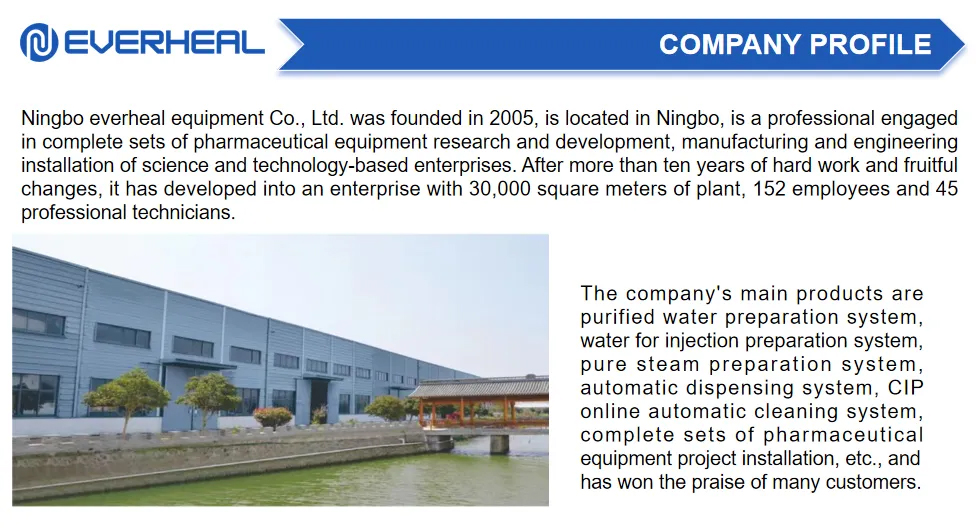
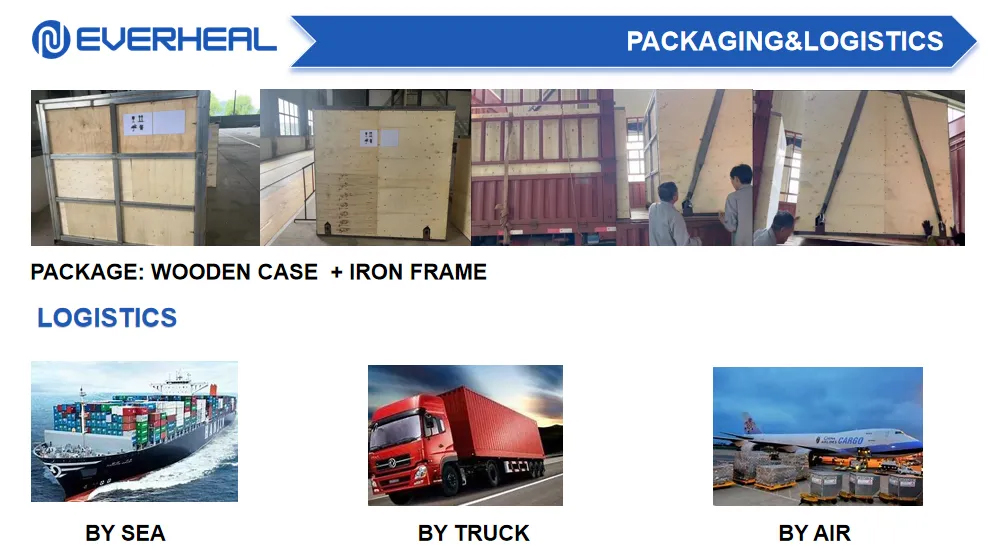
A: Our factory is located in Ningbo, China, a port city along the East China Sea. This location ensures convenient shipping and rapid delivery worldwide.
Q: How many years of experience does your factory have?
A: Our factory has over 20 years of experience, focusing on manufacturing high-quality products and delivering solutions and services.
Q: How long is the delivery time for your products?
A: Our standard delivery time usually falls within the range of 60 to 90 days. We will provide the exact delivery time upon order confirmation. It depends on the specific product type, specifications, and order quantity.
Q: We have an overseas project. Do you have experience to provide support?
A: Yes, we have extensive overseas project experience. Please contact our sales team, and they will collaborate with you to provide engineering support and solutions, ensuring the successful implementation of your project.
Q: What after-sales service can you provide?
A: We will arrange engineers to video guide with you in the first time, if we can't solve the problem, we will arrange the service to customer site as soon as possible.
Hot Tags: IV Soft Bag Filling Machine, Soft Bag Filling Machine, Automated Soft Bag Filling Line, Automatic Bag Filling Machine, Iv Bag Filling Machine, Medical Soft Bag Filler, Iv Bag Filling And Sealing Machine, Bag Filling Machine, Liquid Filling Machine For Soft Bags, Pharmaceutical Soft Bag Filler, China, Customized, OEM, Low price, manufacturing company, manufacturers, factory, suppliers, quotation, for sale


