Content Menu
● Understanding the Washable Air Filter
>> Key Benefits of Washable Air Filters
● Why Cleaning Matters
● How Often Should You Clean Your Washable Air Filter?
● Step-by-Step Guide: How To Clean A Washable Air Conditioner Filter
>> Step 1: Turn Off the Power
>> Step 2: Remove the Filter
>> Step 3: Inspect the Filter
>> Step 4: Vacuum the Surface
>> Step 5: Rinse with Warm Water
>> Step 6: Use Mild Detergent (If Needed)
>> Step 7: Rinse Thoroughly
>> Step 8: Dry Completely
>> Step 9: Reinstall the Filter
● Additional Maintenance Tips
● Common Mistakes to Avoid
● Professional Cleaning vs. DIY Maintenance
● Environmental and Health Advantages
● Troubleshooting After Cleaning
● Conclusion
● FAQ
>> 1. How long does a Washable Air Filter last?
>> 2. Can I use soap or detergent to clean my Washable Air Filter?
>> 3. What happens if I don't clean my Washable Air Filter regularly?
>> 4. Can I dry my Washable Air Filter in the sun?
>> 5. How do I know when to replace my Washable Air Filter?
Maintaining an efficient air conditioning system requires more than just regular service—it begins with taking care of the Washable Air Filter. Over time, dust, pollen, and other airborne particles clog the filter, reducing airflow and system efficiency. Learning how to properly clean and maintain your Washable Air Filter not only saves energy and money but also ensures healthier indoor air quality.
This comprehensive guide explains everything you need to know—from step-by-step cleaning methods to expert tips on maintenance frequency and safety precautions.
Understanding the Washable Air Filter
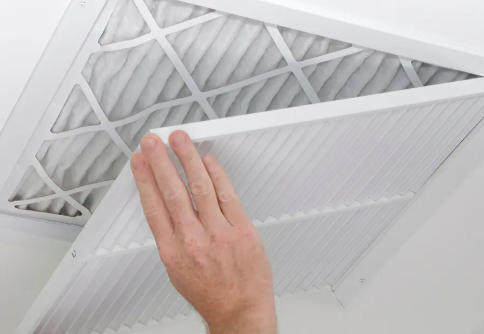
A Washable Air Filter is a reusable filtration component designed to capture dust and debris from circulating air within air conditioning and HVAC systems. Unlike disposable filters, which must be replaced periodically, washable filters can be cleaned multiple times—making them both eco-friendly and cost-effective.
These filters are typically made of durable materials such as aluminum mesh, synthetic fibers, or electrostatic media. Their ability to trap fine particles improves indoor air quality and helps extend the lifespan of the HVAC unit.
Key Benefits of Washable Air Filters
- Cost Efficiency: A single Washable Air Filter can last several years with proper care, reducing replacement expenses.
- Sustainability: Reusable filters minimize waste, supporting environmentally friendly HVAC maintenance practices.
- Enhanced Indoor Air Quality: Regular cleaning eliminates accumulated contaminants, reducing allergy triggers and maintaining cleaner air circulation.
- Improved System Efficiency: A clean filter ensures proper airflow, preventing strain on the compressor and lowering energy consumption.
Why Cleaning Matters
Over time, airborne pollutants such as dust, dander, and mold spores accumulate in the Washable Air Filter, restricting airflow and forcing the unit to work harder. This leads to higher electricity bills and potential damage to system components.
Additionally, a dirty filter reduces cooling performance, causes unpleasant odors, and can even lead to ice formation on cooling coils. Consistent cleaning prevents these issues, ensuring optimal system performance and air purity.
How Often Should You Clean Your Washable Air Filter?
The cleaning frequency depends on environmental factors and system usage. As a general guideline:
- Residential systems: Every 30–60 days during active seasons.
- Commercial or industrial systems: Every 2–4 weeks, especially in dusty or high-traffic environments.
- Pet owners or allergy sufferers: Every 3–4 weeks to prevent allergen buildup.
If you notice reduced airflow or dust buildup around vents, it's likely time to clean your Washable Air Filter.
Step-by-Step Guide: How To Clean A Washable Air Conditioner Filter
Cleaning your Washable Air Filter is a straightforward process. Follow these steps carefully to avoid damaging the filter or compromising performance.
Step 1: Turn Off the Power
Before beginning any maintenance, turn off the air conditioning unit at the main switch or circuit breaker. This prevents accidental activation and ensures safety during the cleaning process.
Step 2: Remove the Filter
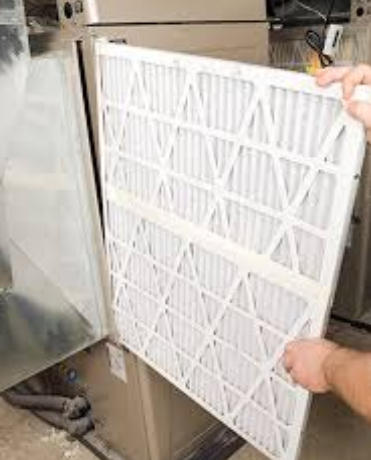
Open the front panel of your air conditioner and gently remove the Washable Air Filter. Refer to the manufacturer's instructions if needed, as some units have locking mechanisms or screws securing the filter.
Step 3: Inspect the Filter
Check the filter's condition. Look for visible dirt accumulation, mold spots, or damage to the mesh frame. If the filter appears torn or excessively worn, replacing it is a better option.
Step 4: Vacuum the Surface
Use a soft-bristle brush attachment on your vacuum cleaner to remove loose dust and debris from both sides of the filter. This step helps clear large particles before washing.
Step 5: Rinse with Warm Water
Hold the filter under running warm water, allowing the flow to flush out trapped contaminants. Rinse from the cleaner side to the dirtier side, pushing debris outward rather than deeper into the mesh.
Step 6: Use Mild Detergent (If Needed)
If the filter is heavily soiled, soak it in a basin filled with warm water and a few drops of mild detergent. Swirl gently and let it soak for 15–20 minutes. Avoid using strong chemicals, bleach, or high-pressure sprays, as these can damage the filter material.
Step 7: Rinse Thoroughly
After soaking, rinse the Washable Air Filter thoroughly under clean water to remove soap residues. Leftover detergent can interfere with airflow or cause unpleasant odors once the unit runs again.
Step 8: Dry Completely
Shake off excess water and place the filter in a cool, shaded area to air dry completely. Avoid direct sunlight or heat sources, which may warp plastic frames or deteriorate the filter fibers. The filter must be 100% dry before reinstallation to prevent mold growth.
Step 9: Reinstall the Filter
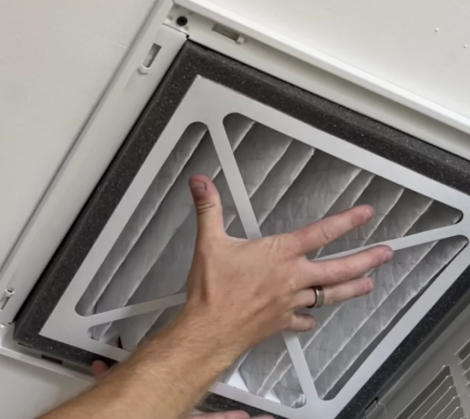
Once dry, carefully return the Washable Air Filter to its original position and close the front panel securely. Turn the system back on and observe airflow efficiency.
Additional Maintenance Tips
Keeping your Washable Air Filter clean is part of a broader maintenance strategy that keeps your HVAC unit running efficiently:
- Keep Surroundings Dust-Free: Regularly clean air vents, ducts, and nearby surfaces to limit new debris accumulation.
- Check for Mold: If you detect a musty odor, disinfect the filter with a diluted white vinegar solution before rinsing.
- Monitor Airflow: Keep track of airflow patterns—if reduced even after cleaning, inspect the blower or evaporator coil for dust buildup.
- Replace When Necessary: Even though washable filters are long-lasting, consider replacement every 3–5 years depending on wear and environmental exposure.
- Coordinate With Maintenance: For large facilities, integrate filter cleaning schedules into your overall preventive maintenance plan.
Common Mistakes to Avoid
Even experienced users sometimes mishandle Washable Air Filters. Avoid these common cleaning pitfalls:
- Using Hot Water or Harsh Chemicals: These can deform or damage the filter's mesh structure.
- Skipping Drying Steps: Reinstalling a damp filter encourages mold growth and unpleasant odors.
- Neglecting Regular Cleaning Intervals: Delayed maintenance leads to system strain and higher energy costs.
- Forgetting to Turn Off Power: Electrical systems should always be powered off before filter removal.
- Applying Excessive Pressure: Using high-pressure washers can tear filter fibers, reducing filtration efficiency.
Professional Cleaning vs. DIY Maintenance
For most homeowners, DIY cleaning is sufficient. However, professional services may be necessary in specialized environments such as hospitals, laboratories, or large-scale manufacturing facilities.
Professionals use calibrated equipment and safe cleaning agents that preserve filter integrity while removing stubborn contaminants. Industrial clients—like those in pharmaceutical manufacturing—often include Washable Air Filter cleaning within overall air purification and HVAC system maintenance contracts.
Environmental and Health Advantages
By maintaining a clean Washable Air Filter, you contribute to both environmental sustainability and human well-being:
- Energy Conservation: Clean filters improve airflow, lowering electricity consumption by up to 15%.
- Reduced Waste: Unlike disposable filters, reusables cut landfill waste substantially.
- Healthier Air: Reduced dust levels aid those with allergies or asthma by minimizing airborne irritants.
- Longer Equipment Lifespan: A clean filter decreases mechanical stress on the system, prolonging its operational life.
Troubleshooting After Cleaning
If you encounter issues after reinstalling your cleaned Washable Air Filter, consider these possible causes:
- Reduced Cooling: Ensure the filter is fully dry and positioned correctly; reversed installation can restrict airflow.
- Unpleasant Odors: Residual moisture or soap can produce odors—re-rinse and sun-dry if this occurs.
- Unusual Noise: Improperly secured panels or misaligned filters may create vibration noise; recheck fitment.
Systematic troubleshooting ensures your air conditioning system performs optimally after every maintenance session.
Conclusion
A Washable Air Filter is an essential component of any efficient and eco-friendly air conditioning system. Regular cleaning ensures proper airflow, enhances energy performance, and promotes cleaner indoor air. By following the correct procedures—gentle washing, thorough rinsing, and complete drying—you can extend the filter's lifespan and maintain the comfort of your environment year-round.
Remember: a clean filter is not just about cooling efficiency—it's about health, sustainability, and long-term savings. Make it a routine part of your HVAC care plan, and you'll notice the difference in both air quality and power consumption.
FAQ
1. How long does a Washable Air Filter last?
With proper care, most Washable Air Filters can last between 3 and 5 years. However, their lifespan depends on usage frequency, environmental conditions, and cleaning consistency.
2. Can I use soap or detergent to clean my Washable Air Filter?
Yes, mild soap or a gentle detergent is recommended for deep cleaning. Avoid strong chemicals or bleach as these can damage the filter's fibers and reduce effectiveness.
3. What happens if I don't clean my Washable Air Filter regularly?
Neglecting regular cleaning causes dust buildup, reduced airflow, increased energy consumption, and potential air quality issues. It can also shorten your HVAC unit's lifespan.
4. Can I dry my Washable Air Filter in the sun?
It's best to let the filter air dry in the shade. Direct sunlight or high heat may warp the filter frame or weaken its material integrity over time.
5. How do I know when to replace my Washable Air Filter?
If the filter's mesh tears, the frame warps, or cleaning no longer restores proper airflow, it's time to replace it. Always use a filter size compatible with your AC system specifications.


