Pharmaceutical Water Trearment Equipment Manufacturer
GMP-Compliant Pharmaceutical Water Systems with Proven Validation Capability
As a professional Pharmaceutical Water Trearment Equipment Manufacturer, Everheal provides complete, GMP-compliant pharmaceutical water systems designed to support purified water (PW) and Water for Injection (WFI) production across global pharmaceutical, biotech, and life science facilities. With extensive engineering experience and a strong compliance-driven mindset, Everheal delivers not only equipment, but fully auditable water system solutions that withstand regulatory inspections and long-term operational demands.
Everheal's pharmaceutical water treatment solutions are developed to meet international pharmacopeia standards, including USP, EP, and JP requirements. From system design and component selection to installation and validation support, every stage reflects the responsibilities of a reliable Pharmaceutical Water Trearment Equipment Manufacturer serving regulated pharmaceutical environments.
Pharmaceutical Water as a Critical GMP Utility
In pharmaceutical manufacturing, water is classified as a critical raw material rather than a general utility. It directly affects product safety, batch consistency, and regulatory compliance. Purified Water and Water for Injection are widely used in formulation, equipment cleaning, CIP/SIP systems, sterile manufacturing, and cleanroom operations.
As an experienced Pharmaceutical Water Trearment Equipment Manufacturer, Everheal designs systems that maintain stable conductivity, microbial control, and endotoxin levels throughout continuous operation. All systems are engineered to support qualification activities and minimize compliance risk during GMP audits.
Purified Water Systems Engineered for Stability
1. Pretreatment and Feedwater Conditioning
Everheal purified water systems begin with customized pretreatment solutions tailored to local feedwater quality. These modules typically include multimedia filtration, water softening, activated carbon filtration, and cartridge filtration. Proper pretreatment ensures long membrane life, stable system performance, and reduced operational variability.
A capable Pharmaceutical Water Trearment Equipment Manufacturer must ensure upstream stability to protect downstream pharmaceutical processes. Everheal's pretreatment design philosophy focuses on predictability, easy maintenance, and GMP-friendly configuration.
2. Reverse Osmosis and Polishing Stages
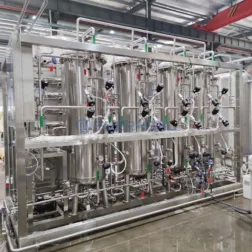
Reverse osmosis is the core technology for pharmaceutical purified water generation. Everheal integrates single or double-pass RO systems combined with electrodeionization or polishing filters to consistently meet pharmaceutical water specifications.
All purified water systems are designed with hygienic piping, automated sanitization capability, and continuous circulation loops to prevent microbial growth. This ensures that water quality remains compliant from generation to point of use, even during extended production cycles.
Water for Injection (WFI) Systems
1. Distillation-Based WFI Production
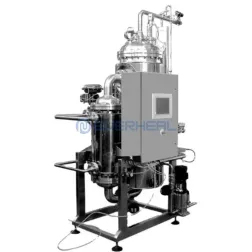
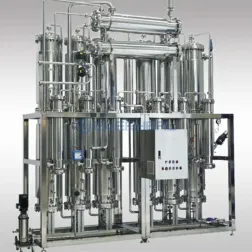
For injectable pharmaceutical products, Water for Injection remains the highest water quality standard. Everheal offers distillation-based WFI systems that comply with global regulatory expectations and GMP requirements.
These systems provide reliable endotoxin control and stable output, making them suitable for sterile production lines. As a trusted Pharmaceutical Water Trearment Equipment Manufacturer, Everheal ensures that all WFI equipment supports cleaning, sterilization, and validation activities without compromising operational efficiency.
2. Advanced System Design for Regulatory Acceptance
Everheal's WFI systems are engineered with pharmaceutical-grade materials, sanitary welding, and validated control strategies. The system architecture supports qualification documentation and long-term compliance, reducing audit pressure for pharmaceutical manufacturers.
Pure Steam Generation for Sterilization Processes
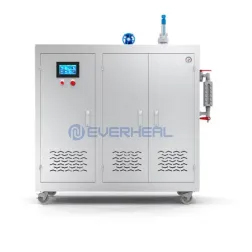
Pure steam is essential for pharmaceutical sterilization, including SIP systems, autoclaves, and cleanroom equipment. Everheal's pure steam generators produce pharmaceutical-grade steam that meets regulatory requirements for condensate quality.
As a specialized Pharmaceutical Water Trearment Equipment Manufacturer, Everheal designs pure steam systems with stable pressure control, reliable output, and integration compatibility with WFI systems. This ensures consistent sterilization performance across production and support equipment.
Hygienic Storage and Distribution Systems
1. Storage Tanks and Recirculation Loops
A compliant pharmaceutical water system extends beyond generation equipment. Everheal supplies hygienic storage tanks and recirculation loops designed to maintain water quality throughout the distribution network.
Proper slope design, sanitary pumps, and continuous circulation help prevent stagnation and microbial contamination. These features are essential for maintaining compliance and supporting daily GMP operations.
2. Monitoring, Automation, and Data Integrity
Everheal systems include online monitoring for conductivity, temperature, and flow, combined with automated alarms and historical data logging. These features support quality assurance activities and provide traceable records during regulatory inspections.
A professional Pharmaceutical Water Trearment Equipment Manufacturer must ensure data transparency and operational traceability. Everheal's automation philosophy aligns with modern GMP expectations for digital compliance and system integrity.
Validation Support and Turnkey Project Capability
Providing equipment alone is not sufficient in regulated pharmaceutical environments. Everheal delivers comprehensive validation support, including documentation aligned with URS, DQ, IQ, OQ, and PQ requirements.
As an experienced Pharmaceutical Water Trearment Equipment Manufacturer, Everheal understands how validation impacts project timelines and audit readiness. The company's turnkey project capability allows pharmaceutical clients to rely on a single supplier for engineering, equipment supply, installation, commissioning, and validation coordination.
This integrated approach reduces communication risk, shortens project cycles, and strengthens compliance outcomes.
Commitment to Long-Term GMP Compliance
Everheal does not act solely as an equipment vendor, but as a long-term compliance partner. As a responsible Pharmaceutical Water Trearment Equipment Manufacturer, Everheal designs systems that remain stable, auditable, and expandable throughout their lifecycle.
Every project reflects a clear focus on hygienic design, risk control, and validation compatibility. Pharmaceutical manufacturers benefit from systems that integrate seamlessly into existing quality management frameworks and support future production expansion.
For global pharmaceutical groups, working with a proven Pharmaceutical Water Trearment Equipment Manufacturer like Everheal reduces regulatory uncertainty and ensures consistent compliance across multiple sites.
Why Choose Everheal
Everheal combines engineering expertise, regulatory understanding, and project execution capability to deliver reliable pharmaceutical water systems worldwide. Key advantages include:
* Compliance with PW and WFI standards under USP, EP, and JP
* Stable system design for continuous pharmaceutical operation
* Validation documentation and audit support
* Turnkey project delivery from design to commissioning
* Long-term technical service and lifecycle support
Choosing Everheal means partnering with a Pharmaceutical Water Trearment Equipment Manufacturer that understands GMP accountability and operational continuity.
Frequently Asked Questions
1. What pharmaceutical water grades can Everheal systems support?
Everheal systems support Purified Water and Water for Injection for a wide range of pharmaceutical applications.
2. Can Everheal systems pass GMP audits?
Yes. Systems are designed with validation support and documentation aligned with GMP audit requirements.
3. Are Everheal systems customizable?
All systems are engineered based on project-specific URS, feedwater conditions, and regulatory requirements.
4. Does Everheal provide turnkey solutions?
Yes. Everheal offers complete turnkey delivery including engineering, installation, commissioning, and validation coordination.
5. Is long-term technical support available?
Everheal provides ongoing technical service and system optimization support to ensure continuous compliance.
Feel free to contact us to learn more and make your purchase!


