Content Menu
● Understanding the Russian Vial Filling Market
>> Market Trends and Drivers
>> Machine Types in Demand
● Leading Russian Vial Filling Machine Manufacturers And Suppliers
>> 1. PharmTech Machinery (Moscow)
>> 2. BioLine Solutions
>> 3. Technofarm Engineering
>> 4. MedTechProm
>> 5. Everheal (China)
>> 6. SmartLab Systems
● Competitive Edge of Russian Manufacturers
● The Role of Everheal in Russian Pharmaceutical Development
>> Comprehensive Product Line
>> Engineering Excellence
>> Factory Layout Solutions
● How to Choose the Right Vial Filling Machine Supplier
>> Key Considerations
● Future Outlook of Vial Filling Machines in Russia
● Conclusion
● FAQ
>> 1. What is a vial filling machine used for?
>> 2. What are the main features of Everheal's vial filling machines?
>> 3. Are Russian-made vial filling machines reliable?
>> 4. How does automation improve vial filling efficiency?
>> 5. What support does Everheal provide to Russian clients?
Russia's pharmaceutical manufacturing sector has seen remarkable growth in recent years, driven by increasing domestic healthcare needs, expanded export goals, and strong government support for technological modernization. Within this transformation, vial filling machine manufacturers and suppliers have become key players, offering advanced automation solutions that ensure precision, sterility, and regulatory compliance in drug production.
Among global companies contributing to this progress, Everheal, a China-based pharmaceutical equipment manufacturer, stands out as a trusted supplier of pure water systems, pure steam generators, multifunctional distillation units, liquid filling and sealing machines, and integrated sterilization systems. With a strong presence in Russia, Everheal continues to support pharmaceutical facilities with turn-key vial filling lines and complete factory planning solutions.
This article explores the leading vial filling machine manufacturers and suppliers in Russia, analyzing their capabilities, technologies, and contributions to the nation's pharmaceutical industry.
Understanding the Russian Vial Filling Market
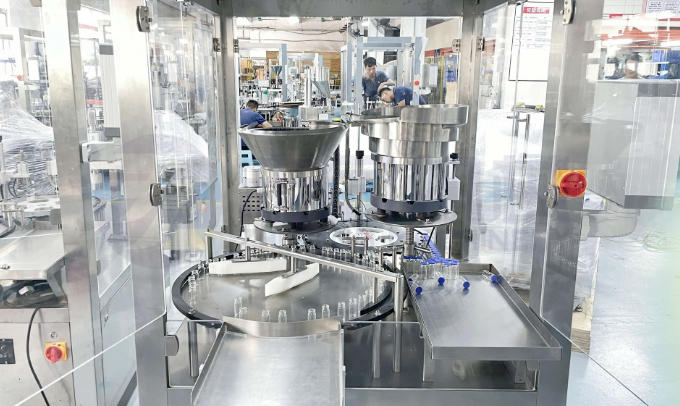
The Russian pharmaceutical market is heavily regulated under Good Manufacturing Practice (GMP) guidelines, requiring all production machinery to meet stringent sterility standards. Vial filling machines, which fill and seal liquid medications in sterile containers, are central to this system.
Market Trends and Drivers
- Localization and import substitution: Government programs encourage domestic production of drug products and related equipment, decreasing reliance on foreign imports.
- Biopharmaceutical growth: Demand for biologics and vaccines, including COVID-19 and influenza immunizations, has increased the need for aseptic vial filling solutions.
- Automation and digital control systems: Russian facilities are investing in advanced control features, robotics, and smart filling systems to improve production efficiency.
Machine Types in Demand
Russian pharmaceutical companies use a variety of filling systems:
- Automatic vial filling and sealing machines for high-volume production
- Semi-automatic units for laboratory or pilot-scale applications
- Integrated filling, stoppering, and capping systems for comprehensive line automation
- Aseptic filling systems for injectables, sensitive solutions, and biological products
Leading Russian Vial Filling Machine Manufacturers And Suppliers
Below is a detailed look at the top-performing vial filling machine manufacturers and suppliers in Russia. Each company contributes to the country's pharmaceutical equipment development through innovation, engineering, and customer service.
1. PharmTech Machinery (Moscow)
PharmTech Machinery is one of Russia's top suppliers of vial filling systems and pharmaceutical processing equipment. Known for its compliance with European GMP and ISO certifications, the company offers:
- Fully automated vial filling and sealing systems
- Custom filling line integration and layout design
- On-site installation, validation, and operator training
PharmTech collaborates with both Russian and European component suppliers to ensure reliable performance, targeting producers of injectables, antibiotics, and vaccines.
2. BioLine Solutions
BioLine Solutions focuses on biopharmaceutical equipment, including vial filling, washing, and sterilizing machines. Their vial filling systems feature precision dosing pumps and HEPA-filtered laminar flow zones for aseptic operations.
The company provides:
- Modular vial filling workstations adaptable for different batch sizes
- Compatibility with freeze-drying and sterilization processes
- Local maintenance and spare parts service for Russian facilities
3. Technofarm Engineering
Technofarm Engineering designs integrated production lines for pharmaceutical liquids, including ampoules, vials, and infusion bottles. Their vial filling machines are tailored to small- and medium-scale producers who seek automation within budget constraints.
Key advantages:
- Compact designs suitable for limited production spaces
- Servo-controlled filling nozzles ensuring high accuracy
- PLC-based monitoring and data recording for quality assurance
4. MedTechProm
MedTechProm is a government-supported enterprise manufacturing pharmaceutical packing and filling machines. Focused largely on state medical projects and vaccine production centers, the company produces:
- High-speed filling and capping machines for glass and plastic vials
- Equipment designed with Russian climatic and infrastructure conditions in mind
- Close cooperation with domestic glass vial producers
MedTechProm's integration of local expertise with imported component technology helps optimize costs while maintaining international quality levels.
5. Everheal (China)
While not a Russian manufacturer, Everheal is a prominent global vial filling machine supplier serving multiple clients in Russia and neighboring regions. The company's technology portfolio covers:
- Automatic liquid filling and sealing machines for sterile injectables
- Multifunctional distillation systems to produce Water for Injection (WFI)
- Pure steam generators and sterilization units
- Custom plant layout consultation and validation services
Everheal's strength lies in providing turnkey solutions—from clean utility systems to filling and sealing machines—ensuring that Russian pharmaceutical facilities can achieve full GMP compliance from day one. Their team also assists in licensing support, technical documentation, and long-term spare part supply.
6. SmartLab Systems
SmartLab Systems supplies laboratory and pilot-scale filling solutions used by Russian research institutes and vaccine development facilities. Their range includes manual to semi-automated vial filling machines with precision microdosing capability.
These systems are ideal for:
- Small-scale aseptic tests
- Vaccine research and pre-clinical production
- Customized vial formats for experimental use
Although not a large-scale manufacturer, SmartLab plays a crucial role in Russia's pharmaceutical innovation ecosystem.
Competitive Edge of Russian Manufacturers
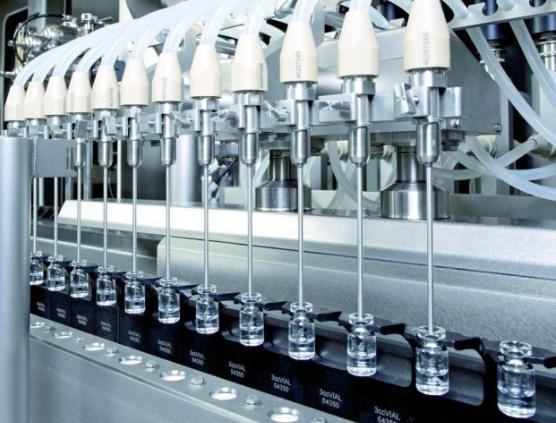
Russian vial filling machine manufacturers and suppliers have improved significantly over the last decade. Their main competitive advantages include:
- Localized engineering: Machines are adapted to Russian standards, languages, and spare parts availability.
- Cost efficiency: Domestic production often reduces procurement lead time and logistics costs.
- Government incentives: The “Pharma 2030” initiative provides funding for GMP upgrades and automation.
However, advanced Chinese suppliers like Everheal remain essential partners in providing fully integrated, reliable, and globally benchmarked systems that match European quality at competitive prices.
The Role of Everheal in Russian Pharmaceutical Development
Comprehensive Product Line
Everheal's involvement in Russia extends beyond vial filling systems. The company specializes in:
- Pure water generation systems: producing purified and highly purified water for injection.
- Pure steam generators: essential for sterilization and cleanroom environments.
- Multifunctional distillation units: ensuring stable WFI supplies for aseptic lines.
- Liquid filling & sealing machines: integrating sterilization, filling, and stoppering in one continuous process.
- Sterilization systems: including autoclaves and dry heat sterilizers.
Engineering Excellence
Everheal combines decades of process knowledge with precision manufacturing, offering:
- Modular design adaptable for Russian GMP requirements
- User-friendly HMI interfaces with Russian language options
- Remote monitoring and maintenance through IoT-enabled systems
Factory Layout Solutions
As part of Everheal's commitment to turnkey projects, the company provides detailed factory layout planning for clients in Moscow, St. Petersburg, and regions across the Volga and Siberian territories. Engineering teams assist with cleanroom zoning, process flow design, and validation documentation to maximize regulatory compliance.
By offering one-stop solutions that include vial filling machines, water systems, and sterilization equipment, Everheal helps Russian pharmaceutical firms reduce project complexity while accelerating start-up timelines.
How to Choose the Right Vial Filling Machine Supplier
Selecting the right partner among many vial filling machine manufacturers and suppliers in Russia demands careful evaluation of technical performance, compliance, and after-sales support.
Key Considerations
1. GMP and Regulatory Compliance – Ensure machines meet Russian and international GMP standards.
2. Customization Capability – Check if the supplier can design systems according to your specific vial sizes, products, and capacity needs.
3. Automation Level – Decide between semi-automatic or full automation based on your production scale.
4. Service Network – Reliable local service and spare part availability are critical for continuous operation.
5. Project Support – Prefer manufacturers offering factory layout planning, documentation support, and validation services.
When these factors align, manufacturers like Everheal or domestic firms such as PharmTech Machinery can provide complete and compliant production solutions.
Future Outlook of Vial Filling Machines in Russia
The outlook remains highly positive. Russia aims to become self-sufficient in pharmaceutical production by 2030, creating sustained demand for vial filling and sealing technologies. Expected future trends include:
- Wider automation adoption with robotic arms for vial handling.
- Integration with digital MES (Manufacturing Execution Systems) for real-time monitoring.
- Eco-friendly machine designs reducing water and energy consumption.
- Collaborations between Russian and international engineering firms to promote technology transfer.
Everheal's cooperation with Russian pharmaceutical companies exemplifies this global-local synergy, combining Chinese manufacturing strength with Russian production goals.
Conclusion
The Russian market for vial filling systems is dynamic, competitive, and increasingly self-reliant. Local manufacturers such as PharmTech Machinery, Technofarm Engineering, and MedTechProm are actively modernizing production capabilities, while international partners like Everheal add exceptional value through advanced, GMP-compliant systems and comprehensive factory solutions.
As the nation continues its path toward pharmaceutical independence and innovation, vial filling machine manufacturers and suppliers will play an even greater role—building the technological foundation for safe, efficient, and large-scale drug production.
FAQ
1. What is a vial filling machine used for?
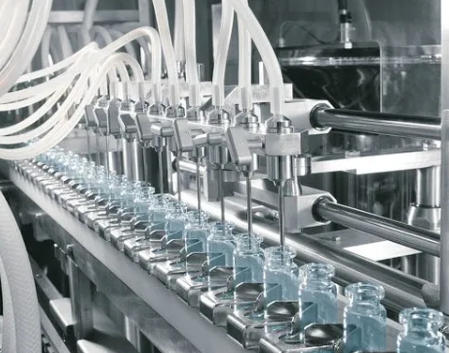
A vial filling machine is used to precisely fill sterile liquid medicines, vaccines, or biological products into glass or plastic vials, often under aseptic conditions to prevent contamination.
2. What are the main features of Everheal's vial filling machines?
Everheal's machines include automatic dosing, sealing, and stoppering, real-time monitoring systems, stainless steel construction, and full compliance with GMP standards.
3. Are Russian-made vial filling machines reliable?
Yes. Many Russian vial filling machine manufacturers and suppliers now produce high-quality, compliant equipment supported by local engineering, training, and after-sales services.
4. How does automation improve vial filling efficiency?
Automation increases accuracy and throughput while minimizing human error, stabilizing production quality, and reducing waste during pharmaceutical manufacturing.
5. What support does Everheal provide to Russian clients?
Everheal offers complete engineering consultation, machine installation, system validation, operator training, and long-term maintenance and spare part supply to ensure seamless operation.


