Pharmaceutical Sterilization Cabinet Manufacturer
Proven, Auditable, and Reproducible Sterilization Solutions by Everheal
In regulated pharmaceutical manufacturing, sterilization is not simply a process step — it is a verifiable quality outcome that must withstand internal quality review, regulatory inspection, and long-term audit scrutiny. As a professional Pharmaceutical Sterilization Cabinet Manufacturer, Everheal designs and supplies sterilization cabinet systems that enable pharmaceutical companies to demonstrate sterilization effectiveness with clear evidence, complete records, and consistent repeatability.
Everheal is an integrated pharmaceutical equipment solution provider specializing in sterile process systems, including pharmaceutical water systems, preparation systems, filling equipment, sterilization equipment, and cleanroom engineering. With a strong engineering foundation and a compliance-driven mindset, Everheal positions itself not only as an equipment supplier, but as a Pharmaceutical Sterilization Cabinet Manufacturer focused on validation, data integrity, and lifecycle reliability.
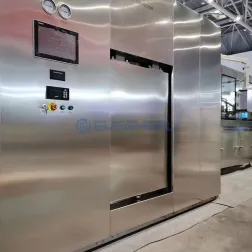
Role of Pharmaceutical Sterilization Cabinets in Regulated Production
Pharmaceutical sterilization cabinets are critical equipment used for terminal sterilization of containers, instruments, and packaged pharmaceutical products. In GMP environments, the effectiveness of sterilization must be scientifically demonstrated, consistently achieved, and fully documented.
As an experienced Pharmaceutical Sterilization Cabinet Manufacturer, Everheal designs its cabinets specifically to meet these requirements. Each system is engineered to ensure:
* Stable and uniform thermal conditions
* Controlled and repeatable sterilization cycles
* Complete recording of process parameters
These features allow pharmaceutical manufacturers to build sterilization processes that are not only effective, but also provable and auditable.
Sterilization Reliability as the Core Design Principle
Reliable sterilization performance is the foundation of every Everheal system. As a Pharmaceutical Sterilization Cabinet Manufacturer, Everheal prioritizes thermal stability, process control accuracy, and chamber uniformity from the earliest design stage.
The sterilization cabinet structure, heating circulation system, and control logic are engineered to maintain consistent sterilization conditions throughout the entire load. This ensures that every item inside the chamber is exposed to the same validated environment, reducing variability and eliminating hidden sterilization risks.
By delivering consistent sterilization performance across repeated cycles, Everheal supports pharmaceutical manufacturers in achieving reproducible sterilization results aligned with GMP expectations.
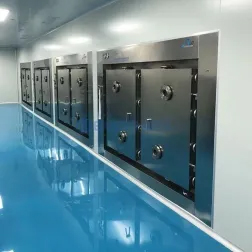
F₀ Control and Temperature Distribution Verification
In pharmaceutical sterilization, achieving and demonstrating sufficient lethality is essential. Everheal sterilization cabinets are designed to support precise thermal exposure control, allowing manufacturers to verify F₀ values and temperature distribution with confidence.
As a compliance-oriented Pharmaceutical Sterilization Cabinet Manufacturer, Everheal incorporates:
* Multi-point temperature monitoring across the chamber
* Stable heat distribution systems to minimize cold spots
* Control logic that supports consistent cycle execution
These capabilities allow quality teams to verify that each sterilization cycle meets predefined lethality requirements and maintains uniform temperature exposure throughout the load.
Built-In Data Recording for Audit and Traceability
Sterilization without data has no regulatory value. Everheal integrates comprehensive data recording functions into every sterilization cabinet, reinforcing its role as a Pharmaceutical Sterilization Cabinet Manufacturer focused on audit readiness.
Each sterilization cycle generates complete process records, including:
* Time-temperature curves
* Cycle parameters and alarm logs
* Batch identification and timestamps
Data can be stored securely and exported for quality review, deviation investigation, or regulatory inspection. This ensures that sterilization results are traceable, reviewable, and defendable at any stage of the product lifecycle.
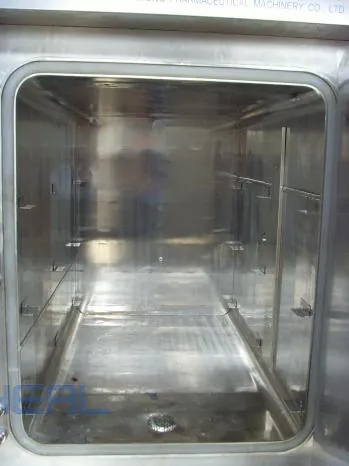
Sterilization Results That Are Provable and Reproducible
For pharmaceutical manufacturers, the true value of sterilization equipment lies in its ability to deliver the same validated outcome cycle after cycle. As a trusted Pharmaceutical Sterilization Cabinet Manufacturer, Everheal designs systems that minimize operator dependency and process variability.
Through automated control, parameter protection, and consistent thermal performance, Everheal cabinets help ensure that sterilization outcomes can be:
* Proven through documented data
* Audited through complete records
* Reproduced through controlled process logic
This aligns perfectly with GMP principles and supports long-term regulatory compliance.
Flexible Cabinet Configurations for Different Applications
Different pharmaceutical products require different sterilization approaches. Everheal offers a wide range of cabinet configurations to support diverse applications, further reinforcing its position as a versatile Pharmaceutical Sterilization Cabinet Manufacturer.
Available customization options include:
* Chamber size and loading capacity
* Door configuration and material selection
* Integration readiness for automated production lines
This flexibility allows sterilization cabinets to be seamlessly incorporated into existing manufacturing systems while maintaining consistent validation standards.
Quality System and Engineering Support
Everheal operates under internationally recognized quality management systems, ensuring that every sterilization cabinet is manufactured, tested, and delivered under controlled conditions. As a professional Pharmaceutical Sterilization Cabinet Manufacturer, Everheal provides engineering support throughout the equipment lifecycle, from design consultation to commissioning support.
This comprehensive approach helps pharmaceutical manufacturers shorten validation timelines and reduce compliance risks.
Why Choose Everheal as Your Pharmaceutical Sterilization Cabinet Manufacturer
Choosing the right Pharmaceutical Sterilization Cabinet Manufacturer is a strategic decision that impacts product safety, regulatory confidence, and operational efficiency. Everheal stands out by offering:
* Sterilization systems designed for verification and audit
* Strong focus on F₀ control and temperature distribution
* Comprehensive data recording and traceability
* Engineering-driven customization capabilities
Everheal helps pharmaceutical manufacturers build sterilization processes that regulators trust and quality teams can confidently defend.
Frequently Asked Questions
1. What makes Everheal a reliable Pharmaceutical Sterilization Cabinet Manufacturer?
Everheal combines compliance-driven design, precise thermal control, and complete data recording to ensure sterilization results are provable and repeatable.
2. How are F₀ values verified in Everheal sterilization cabinets?
The cabinets support stable temperature control and multi-point monitoring, allowing manufacturers to calculate and verify F₀ values accurately.
3. Can sterilization data be used for regulatory audits?
Yes. All sterilization cycles are recorded and exportable, making them suitable for internal review and regulatory inspections.
4. Are Everheal sterilization cabinets suitable for GMP environments?
They are designed specifically for GMP pharmaceutical manufacturing, with validation-ready features and controlled process logic.
5. Can Everheal customize sterilization cabinets for different production lines?
Yes. As a flexible Pharmaceutical Sterilization Cabinet Manufacturer, Everheal provides tailored solutions to match specific process and capacity requirements.
Feel free to contact us to learn more and make your purchase!


