|
Specifications and Technical Parameters
Design Pressure | 0.245Mpa | Purified water | 0.1-0.2Mpa |
working pressure | 0.22Mpa | Steam Source Pressure | 0.4-0.6Mpa |
Design temperature | 139℃ | Water pressure | 0.1-0.3Mpa |
Working temperature | 134℃ | Compressed air pressure | 0.5-0.7Mpa |
Thermal uniformity | ≤±1℃ | | |
Size specification
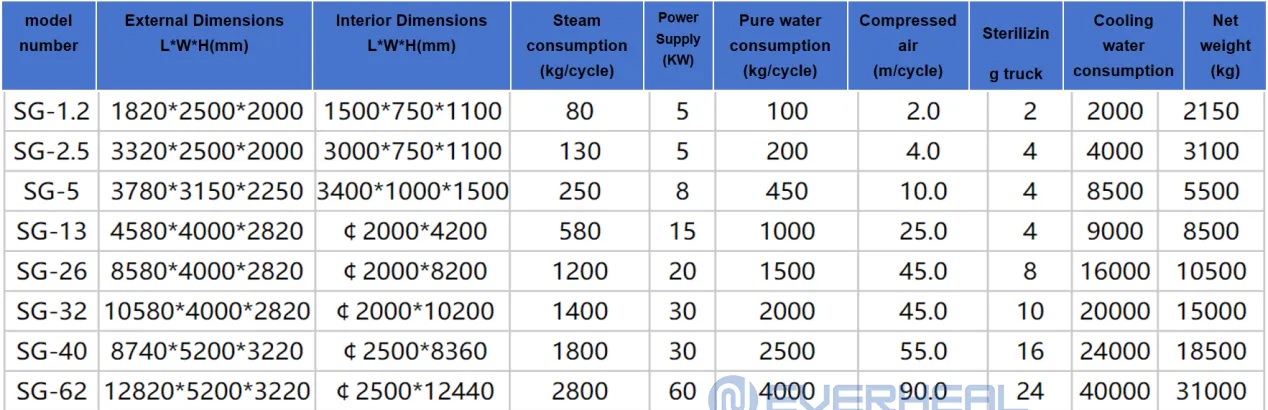
Size specification
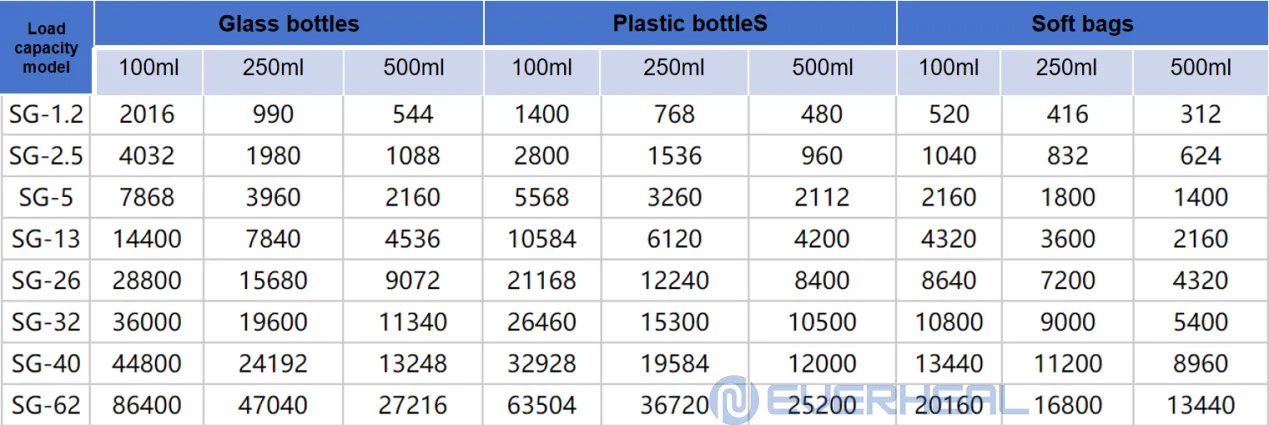
1.1 Introduction to Water Bath Sterilization Cabinet:
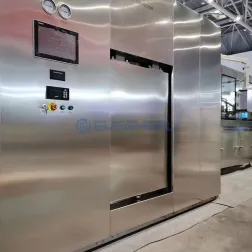
Water bath type sterilization cabinet uses high temperature circulating water as sterilization medium to carry out water shower sterilization operation on the articles. In the whole working process, the sterilization medium runs in a relatively closed circulation system. The equipment has a series of advantages such as high thermal efficiency, good temperature uniformity, wide temperature control range, and effectively prevent secondary pollution in the work process. Supplemented with anti-pressure protection measures, the equipment can be widely used in the pharmaceutical industry for glass bottles, ampoules, plastic bottles, plastic bags and other liquids such as high and low temperature sterilization operations, but also for health food industry and medical equipment to a variety of sealed packaging, drinking liquid, canned food, such as high and low temperature sterilization operations. For the sterilization of high requirements (such as temperature rapid warming, rapid cooling, temperature uniformity ≤ ± 1 ℃ and rapid packaging products) sterilization items we recommend the company in recent years the development of the ventilated water bath sterilizer cabinets, sterilizing effect is better, better performance, more ideal benefits.
1.2 Process flow:
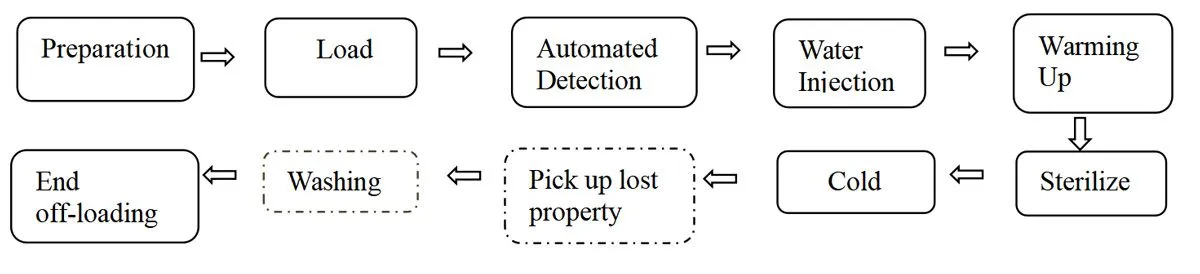
★Circulating water users can choose to reuse according to the actual situation and process requirements to reduce energy consumption and shorten the work cycle.
★Picking up the leakage program is applied to the products flled with vials, ampoules, etc. Picking up the leakage can be divided into vacuum picking up and color water picking up.
|
Key Components
1. Body: The inner liner of the equipment is of horizontal rectangular structure with overall reinforcement. Design pressure 0.3Mpa, made of imported high-quality acid-resistant stainless steel 304 welded by laser automatic welding, and inspected by X-ray flaw detection. Each piece of equipment is accompanied by a complete quality certificate issued by the labor department, in line with the relevant provisions and requirements of steel pressure vessels.
★The surface inside the sterilizing chamber is perfected by mechanical and chemical treatment, which is clean and beautiful and corrosion-resistant, and there is no stagnant dead corner.
★The rectangular structure makes the whole machine under uniform pressure, and there is no temperature dead space in the process of heating and sterilizing.
2. Insulation layer: The machine adopts aluminum silicate material with polar insulation performance. The thickness of heat preservation is 40~60mm, and the appearance temperature is room temperature +25℃, which is in accordance with GMP requirements.
3. Decorative board: The overall appearance of the equipment for the horizontal rectangular structure, using 1.2mm 304 stainless steel brushed plate decorative cover, beautiful and generous.
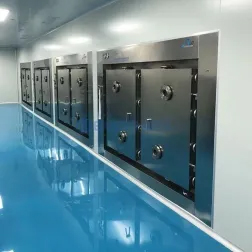
4. Door structure and door sealing: The door structure is divided into cylinder-driven plunger type swing door and motor-driven sliding door. Patented compressed air sealing method, high-quality silicone rubber sealing ring, fully automated operation, double-door interlocking, and has a complete electrical and mechanical safety interlocking device, to ensure that the sterilization equipment hardware process requirements and the safety of operation.
5. Piping System: The piping system of the equipment is mainly divided into two major parts, i.e. internal circulation and external circulation. Internal circulation for the sterilization medium channel, mainly by the circulating pump, plate heat exchanger, the internal spray device is composed of three major components; external circulation for the external "heating", and " cooling" energy channels, composed of a variety of special valves combined with plate heat exchanger, connection mode for flange or clamp.
|
Security systems
◆Door System
★Interlock function: ensure that the front and back doors can not be opened at the same time to ensure the safety of the workshop environment.
★Safety interlock: the door can not work if it is not closed in place or sealed.
◆Emergency stop button: The front and rear panels are equipped with emergency stop buttons to cope with special circumstances.
◆Pump and valve system: overcurrent, overload, phase loss protection
◆Liquid level safety: Liquid level controller is installed in the inner room to monitor the liquid level status online so that the equipment can work normally.
◆Process safety: three-level management password, operator, processor, administrator, etc. carry out relevant operations according to different permissions.
◆ Failure alarm: For equipment energy (water, electricity, gas, steam), liquid level, key components (pump). temperature, pressure, misoperation
The alarm will be made for the equipment energy (water, electricity, steam, liquid level, key parts (pumps), temperature, pressure, misoperation, etc., and the operation log will be formed for the purpose of audit trail.
◆ Data storage safety: The hard disk capacity of the equipment can store at least 2,000 batch record data, and the industrial control man-machine interface with mobile
Backup U disk, users can access and print the relevant data at any time through the USB interface according to the demand.
Zero-voltage protection: manual startup is required after power failure recovery to ensure that the equipment is in a safe state. Fault alarm: manual reset is required after power failure recovery to ensure the safe status of the equipment.
After the fault alarm is removed according to the relevant operation procedures, the equipment needs to be reset manually to enter the safe working state to ensure that the fault has been completely eliminated. The equipment will not lose the batch ID or batch status data after restoration in the safe state.
◆ Sterilization effect verification: multi-point temperature monitoring system to ensure the effectiveness of sterilization effect, 10 cubic meters or less of the inner room set up 3 to 4 groups of double-core mobile temperature probe, the implementation of monitoring the temperature of each distribution point.
|
Why Choose Us
| Product Advantages |
| 1 | Strictly according to the "steel pressure vessel" design and manufacture of acceptance of the box. Sterilization cabinet box class A welds are all automatically welded, and the box adopts the international advanced column tube structure, which is uniform and stable under pressure and avoids weld cracks in the inner and outer jacket structure. | 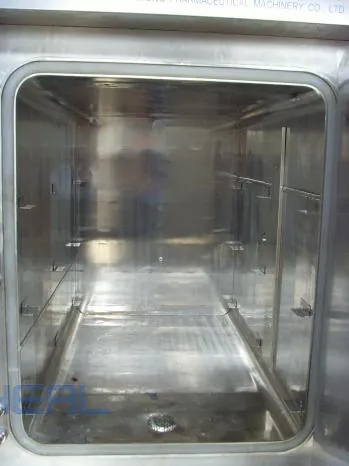 |
2
| National patented door-locking device a) The door locking mechanism is the company's patented technology, the first of its kind in the world, easy to operate, with a reliable, reasonable, and stable mechanical transmission structure. (b) Open the door safety interlocking device. Door in-place control and electromagnetic proximity switch control, the pressure of the inner chamber by the bellows-type mechanical leg open control, and has passed the Provincial Special Inspection Institute safety testing. (c) double door structure with front and back door interlocking functions can realize the isolation of different clean areas. (d) The door handle can be opened by gently turning 90°, simple operation, and a stable and reliable structure. | 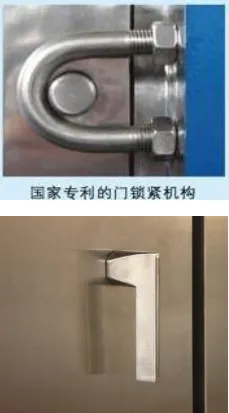 |
| 3 | The national patent of internal inflatable sealing technology (a) the sealing of the sterilization cabinet door using a fully enclosed air-flush structure, is the first domestic sterilization cabinet industry patented technology, completely solved the phenomenon of leaking compressed air inside and outside the dovetail groove air-flush type commonly used in the industry, and the leakage of compressed air to the cabinet can lead to unqualified sterilized. (b) sealing technology in the opening of the door only need to seal the compressed air drain can open the door, while the old sealing tank also need to vacuum, the seal back to the tank, the door can be opened. | 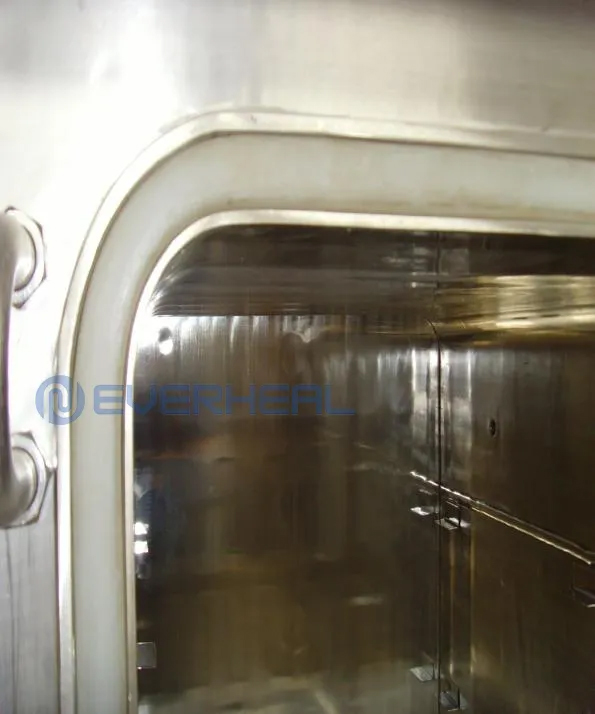 |
| 4 | Product Configuration In order to ensure the safety and reliability of each sterilizing equipment, stable operation, low consumption and high efficiency, we carefully choose the following world-famous brand accessories, so that the god agricultural products with international quality. | 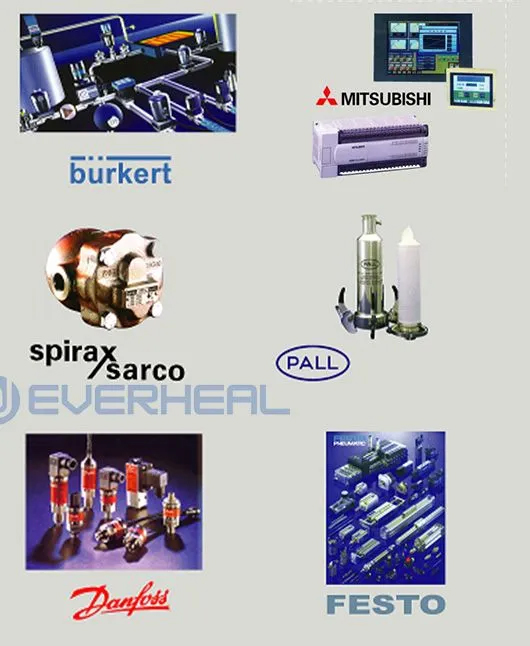 |
| 5 | Piping structure (a) All pipes of the sterilization cabinet are welded with stainless steel pipes, which are durable and beautiful. (b) The coupling parts adopt heavy-duty clamps and silicone gaskets, which make the coupling sealing reliable and easy to install and dismantle for maintenance. | 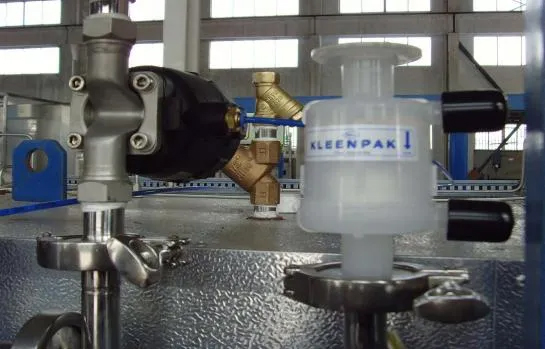 |
| 6 | Electrical control Reliable and stable microcomputer PLC + touch screen control. Advanced data recording, printing and disk storage functions a) Sterilization cabinet all adopts PLC (programmable controller) control, control is safe, reliable and stable. (b) The operation adopts touch screen operation, easy to operate, at a glance. c) The data record is printed in real time by micro printer. | 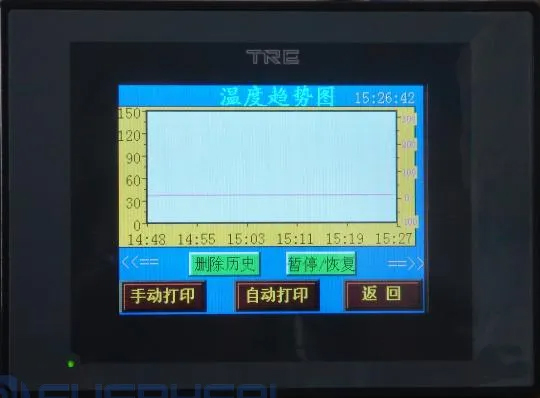 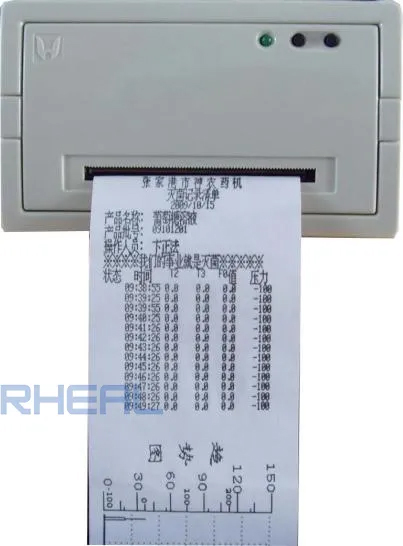 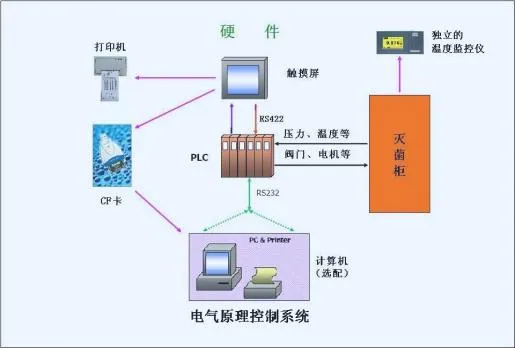 |
| 7 | Exquisite stainless steel decorative outer cover a) The panel is made of brushed stainless steel plate, which is beautiful and generous, and the structure of the panel and side panels can be easily isolated by color steel plate. (b) The side panel adopts slot structure, which is convenient for carrying and placing, and is conducive to the internal maintenance of the sterilization cabinet. |
|
| 8 | Heat preservation adopts aluminum silicate heat preservation The box and door insulation layer adopts aluminum silicate heat preservation, which has excellent heat preservation effect and effectively prevents heat conduction. | 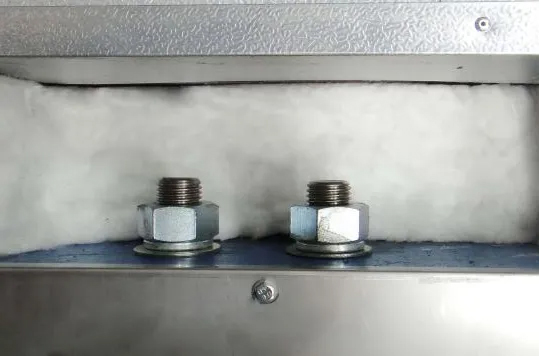 |
| 9 | Standard GMP validation interface is included with the unit Each box is equipped with a validation interface, which can be convenient for temperature validation. | 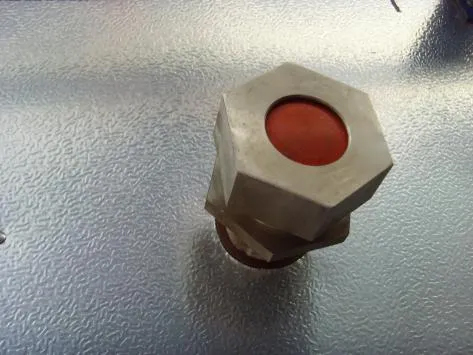 |
| 10 | Water bath spray working principle, so that the cabinet temperature uniformity is good, no temperature dead zon | 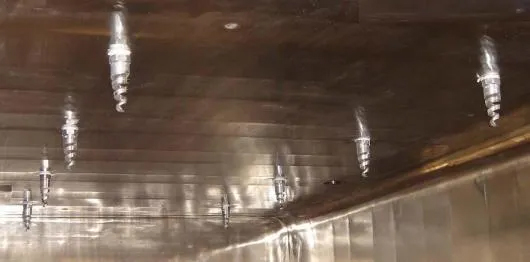 |
Pharmaceutical-Grade Purity:
Our Pure Steam Generator is manufactured using pharmaceutical grade stainless steel and high efficiency purification processes, ensuring it delivers high purity and meets the hygiene and quality standards essential for pharmaceutical and medical facilities
Strict Manufacturing Processes and Quality Control:
We follow strict manufacturing processes and quality checks. Every generator undergoes thorough testing and inspection before it's shipped to ensure it provides a stable supply of steam during continuous operations. This reduces the risk of steam quality related issues in pharmaceutical production
Deployment of Experienced Engineers to Customer Facilities:
We dispatch experienced engineers to our customers' facilities. During the installation process, they supervise the equipment installation, ensuring that every component is correctly and accurately configured. Additionally, they provide detailed operating instructions to ensure customers can fully utilize the equipment's capabilities for efficient production.
Over 10 Years of Project Experience:
With over 10 years of successful project experience providing water purification solutions to the pharmaceutical industry,Our expertise and experience serve as strong support for the success of your projects.
30% advance payment upon contract signing, with the remaining 70% to be settled before shipment
Hot Tags: Water Bath Sterilization Cabinet, Steam Sterilizer Machine, Medical Sterilizer Machine, Medical Device Sterilization, Pharmaceutical Sterilizer Machine, Water Bath Sterilizer, Autoclave Sterilization Machine, Medical Autoclave Sterilizer, Sterilization Equipment, Medical Equipment Sterilizer, China, Customized, OEM, Low price, manufacturing company, manufacturers, factory, suppliers, quotation, for sale