|
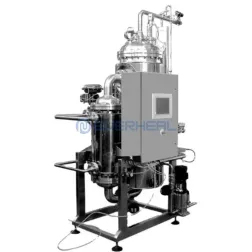
Specifications and Technical Parameters
| Model | Output of Pure Steam (L/h) | Consumption of Heating Steam (kg/h) | Consumption of Purified Water (kg/h) | Dimensions (mm) |
|
| LCZ100 | ≥100 | 125 | 120 | 1150×900×2300 |
| LCZ200 | ≥200 | 250 | 240 | 1200×850×2300 |
| LCZ300 | ≥300 | 375 | 360 | 1400×940×2400 |
| LCZ400 | ≥400 | 500 | 480 | 1400×940×2400 |
| LCZ500 | ≥500 | 630 | 600 | 1500×1100×2800 |
| LCZ600 | ≥600 | 755 | 720 | 1500×1100×2900 |
| LCZ700 | ≥700 | 875 | 840 | 1730×1100×3000 |
| LCZ800 | ≥800 | 1005 | 960 | 1730×1100×3000 |
| LCZ1000 | ≥1000 | 1260 | 1200 | 1730×1100×3200 |
| LCZ1500 | ≥1500 | 1890 | 1800 | 1900×1200×3200 |
| LCZ2000 | ≥2000 | 2500 | 2400 | 2450×1250×3200 |
|
Key Functions and Introduction
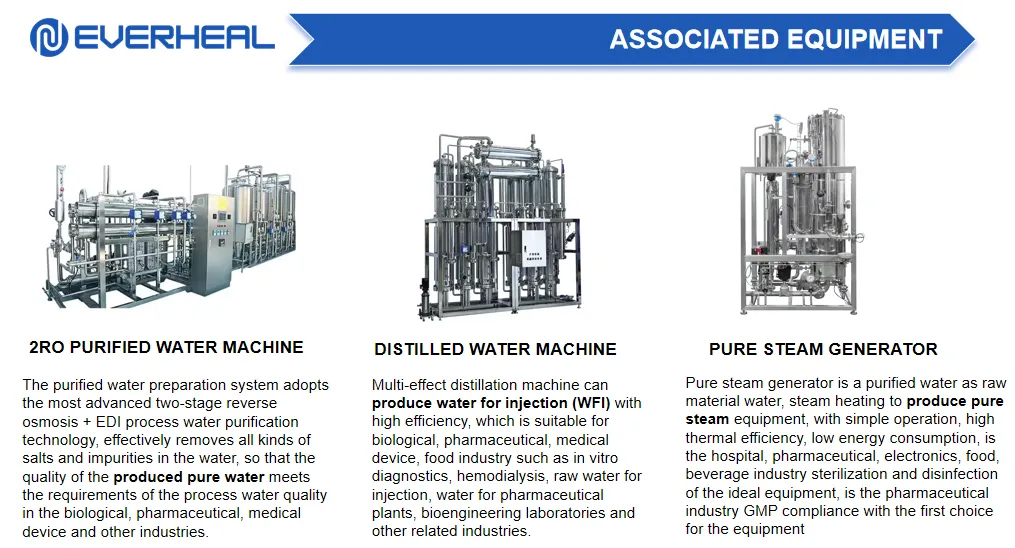
Steam Generation: The core function is to efficiently generate steam from purified water.
High Purity: Ensures the steam produced is free from impurities, microorganisms, and contaminants.
Sterilization: Used for sterilization processes, maintaining the integrity of pharmaceutical products.
Cleaning: Provides steam for equipment and facility cleaning, meeting strict hygiene standards.
Consistency: Ensures a consistent and stable supply of high-quality steam for various applications.
|
Key Components
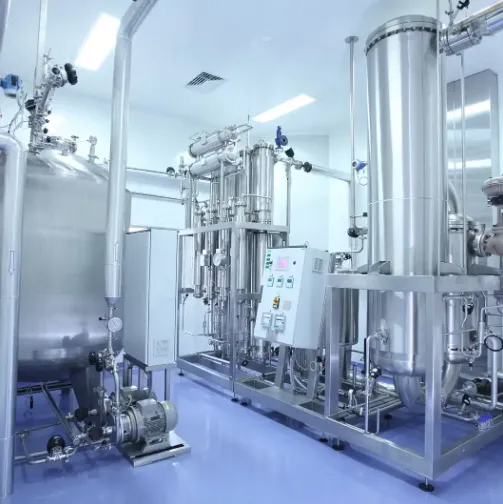
Steam Generator Unit: The core equipment responsible for converting water into pure steam.
Heating Element: Heats water to produce steam, typically using electric elements or other heat sources.
Evaporator Chamber: Where water is heated and transformed into steam.
Steam Separator: Separates steam from any remaining water droplets for pure steam production.
Control System: Monitors and regulates temperature, pressure, and other factors for consistent steam quality.
Safety Systems: Includes safety features like relief valves, temperature sensors, and shutdown mechanisms.
Water Treatment System: Pretreats incoming water to remove impurities for high-purity steam.
|
Usage Scope
Pharmaceutical Companies: Primarily used for generating high-purity steam to meet the water quality requirements in pharmaceutical production
Medical Facilities: Suitable for sterilization and disinfection of medical equipment in hospitals and healthcare facilities, as well as for creating sterile environments in laboratories and operating rooms.
Laboratories: Used in laboratories where high-quality steam is required for research and experiments.
Food and Beverage Industry: Applied in the production process for cleaning, evaporation, and other purposes, ensuring food quality and safety.
Electronics and Semiconductor Manufacturing: Utilized for cleaning and etching electronic components, maintaining high cleanliness standards.
Chemical Industry: Employed in chemical synthesis and experiments where high-purity steam is needed.
|
Usage Guidelines
Regular Maintenance: Perform regular cleaning and maintenance of the equipment to ensure stable performance and longevity.
Compliance with Regulations: Adhere to relevant regulations and standards during use, especially in the pharmaceutical and medical fields.
Operator Training: Ensure that equipment operators receive adequate training and understand the normal operation and maintenance procedures.
Water Quality Monitoring: Regularly monitor and test the water quality to ensure it meets the required standards and specifications.
Emergency Planning: Develop emergency plans to address potential malfunctions or downtime situations, ensuring uninterrupted production.
|
Why Choose Us
Pharmaceutical-Grade Purity:
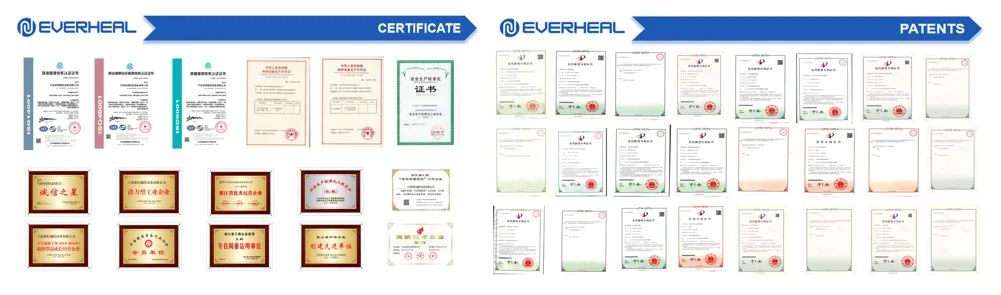
Our Pure Steam Generator is manufactured using pharmaceutical grade stainless steel and high efficiency purification processes, ensuring it delivers high purity and meets the hygiene and quality standards essential for pharmaceutical and medical facilities
Strict Manufacturing Processes and Quality Control:
We follow strict manufacturing processes and quality checks. Every generator undergoes thorough testing and inspection before it's shipped to ensure it provides a stable supply of steam during continuous operations. This reduces the risk of steam quality related issues in pharmaceutical production
Deployment of Experienced Engineers to Customer Facilities:
We dispatch experienced engineers to our customers' facilities. During the installation process, they supervise the equipment installation, ensuring that every component is correctly and accurately configured. Additionally, they provide detailed operating instructions to ensure customers can fully utilize the equipment's capabilities for efficient production.
Over 10 Years of Project Experience:
With over 10 years of successful project experience providing water purification solutions to the pharmaceutical industry,Our expertise and experience serve as strong support for the success of your projects.
30% advance payment upon contract signing, with the remaining 70% to be settled before shipment.
Q: Where is your factory located?
A: Our factory is located in Ningbo, China, a port city along the East China Sea. This location ensures convenient shipping and rapid delivery worldwide.
Q: How many years of experience does your factory have?
A: Our factory has over 20 years of experience, focusing on manufacturing high-quality products and delivering solutions and services.
Q: How long is the delivery time for your products?
A: Our standard delivery time usually falls within the range of 60 to 90 days. We will provide the exact delivery time upon order confirmation. It depends on the specific product type, specifications, and order quantity.
Q: We have an overseas project. Do you have experience to provide support?
A: Yes, we have extensive overseas project experience. Please contact our sales team, and they will collaborate with you to provide engineering support and solutions, ensuring the successful implementation of your project.
Q: What after-sales service can you provide?
A: We will arrange engineers to video guide with you in the first time, if we can't solve the problem, we will arrange the service to customer site as soon as possible.
Hot Tags: Pure Steam Generator, Clean Steam Generator, Pure Steam Generator Pharmaceutical, Purified Water System In Pharmaceutical Industry, Wfi System, Clean Steam Generator Pharmaceutical, Steam Equipment, Steam Sterilization Equipment, Purified Water Generation System, Water For Injection System, China, Customized, OEM, Low price, manufacturing company, manufacturers, factory, suppliers, quotation, for sale