


Views: 222 Author: Rebecca Publish Time: 2026-02-20 Origin: Site


Content Menu
● Understanding Cabin Air Filters
● Washable Air Filter vs. Disposable Filter
● Is the Cabin Air Filter in the 2015 Dodge Caravan SXT Washable?
● Benefits of Using a Washable Air Filter
● How to Identify a Washable Air Filter
● How to Clean a Washable Air Filter
● How Often Should You Clean a Washable Air Filter?
● Potential Drawbacks of Washable Air Filters
● Recommended Washable Air Filters for 2015 Dodge Caravan SXT
● Longevity and Cost Comparison
● Can Washing Improve Performance?
● Environmental Impact of Washable Air Filters
● Frequently Asked Questions (FAQ)
>> (1) Can I wash the original cabin air filter that came with my Dodge Caravan?
>> (2) How do I know if my aftermarket filter is washable?
>> (3) How often should a Washable Air Filter be cleaned?
>> (4) Do Washable Air Filters affect air conditioning performance?
>> (5) Is it worth switching to a Washable Air Filter in the long run?
The cabin air filter in your 2015 Dodge Caravan SXT may be a small component, but it plays a crucial role in the quality of air that circulates through your vehicle. Many owners wonder if their cabin air filter is washable, hoping to save money and time by cleaning it instead of replacing it. While some filters are indeed designed to be reusable, not all can be washed safely or effectively. Understanding the difference between a Washable Air Filter and a disposable one can not only improve your car's performance but also enhance your driving comfort, air quality, and long-term maintenance savings.
This article explores whether the 2015 Dodge Caravan SXT supports a Washable Air Filter, how it works, how to maintain it properly, and what benefits it brings to your vehicle.

Before determining if the filter in your 2015 Dodge Caravan is washable, it's important to understand what a cabin air filter does. This component filters the air entering the car's interior through the HVAC (heating, ventilation, and air conditioning) system. It helps block dust, pollen, soot, mold spores, and other airborne particles from entering the passenger compartment.
A clean filter keeps the air fresh and reduces strain on the HVAC system. However, over time, the filter gathers contaminants, which reduce airflow and efficiency. That's where the concept of a Washable Air Filter becomes attractive—it can be cleaned and reused multiple times, rather than discarded and replaced.
There are two main types of cabin filters found in modern vehicles:
- Disposable filters: Usually made from paper-based or synthetic materials designed for single-use. They are inexpensive but require replacement every 12,000 to 15,000 miles.
- Washable Air Filters: Made of fabric-like synthetic fibers or cotton layers encased in wire mesh. They can be cleaned, dried, and reused many times.
A Washable Air Filter offers long-term cost efficiency and environmental benefits since you eliminate frequent replacements. However, it requires proper cleaning techniques and maintenance discipline.
The standard factory-installed cabin air filter in the 2015 Dodge Caravan SXT is not washable. It's a paper or fiber-based disposable type intended for periodic replacement. Washing such a filter can cause it to disintegrate, lose its filtration efficiency, and even damage the blower motor if pieces break loose.
That said, you can upgrade your system by installing an aftermarket Washable Air Filter designed specifically for your vehicle model. Several brands, such as K&N, aFe Power, and Green Filter, produce durable, reusable filter replacements compatible with the 2015 Dodge Caravan SXT. These filters use multiple layers of oiled cotton or synthetic mesh that can be cleaned and reinstalled, offering enhanced airflow and long-lasting use.
Switching to a Washable Air Filter in your Dodge Caravan SXT offers several advantages beyond cost savings:
- Reusability: Washable filters can often last the entire life of your vehicle with proper care.
- Improved Airflow: Reusable filters tend to provide higher airflow rates than standard paper filters.
- Environmental Friendliness: You reduce waste by avoiding frequent replacements.
- Enhanced Performance: Cleaner air can improve engine efficiency and reduce strain on the HVAC system.
- Cost Efficiency: Although initially more expensive, the filter pays itself off after only a few cleaning cycles.
For example, a driver covering 15,000 miles annually might replace disposable filters every year. Over ten years, that's ten filters, but a single Washable Air Filter serves the same duration with occasional maintenance.
If you are uncertain whether your filter is washable:
1. Check the Frame Material: Washable Air Filters are typically framed in rubber or coated aluminum instead of paper.
2. Manufacturer Label: Many washable types include a label stating “reusable” or “cleanable.”
3. Texture Test: Gently touch the filter medium. Cotton or foam feels durable and flexible, unlike the brittle paper of disposable filters.
4. Owner's Manual: Some owners' manuals specify the use of standard filters but mention upgrade options.
5. Look for Oil Coating: Many Washable Air Filters use light oil to trap micro-particles; disposable ones typically do not.
Proper cleaning is essential to maintain the performance of a reusable filter. Here's how to do it step-by-step:
1. Remove the Filter: Locate the cabin air filter housing behind the glove box or under the dashboard, depending on your model.
2. Inspect the Filter: Tap gently to remove large debris. If there's visible dirt or dark buildup, it's time to wash.
3. Apply Filter Cleaner: Use a manufacturer-approved cleaning solution and soak the filter for 10–15 minutes.
4. Rinse with Low Pressure Water: Rinse gently from the clean side out to remove accumulated debris and dirt.
5. Dry Completely: Allow it to air-dry naturally. Never use compressed air or heat sources as they can deform the material.
6. Re-Oil (if applicable): Some filters require a special oil coating to restore their filtering capability.
7. Reinstall: Once completely dry, reinstall the filter securely.
This process typically takes about an hour, saving both maintenance costs and environmental resources.
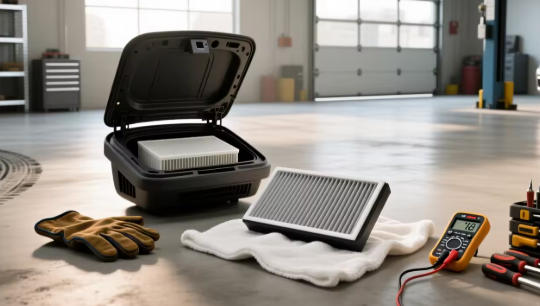
Cleaning frequency depends on driving conditions and climate. For urban drivers exposed to dust, smog, and pollen, cleaning every 10,000–12,000 miles is recommended. In rural or cleaner environments, every 15,000–18,000 miles might suffice.
If you notice a decrease in airflow from the AC, increased cabin odor, or unusual noises from the blower motor, it's a sign your Washable Air Filter needs attention.
Despite their many advantages, Washable Air Filters come with considerations:
- Higher Upfront Cost: They cost more than disposable filters.
- Maintenance Required: Skipping cleaning cycles reduces effectiveness.
- Improper Oiling Risk: Over-oiling can damage sensors if the vehicle's HVAC system includes sensitive components.
- Availability: Not every vehicle model has a perfectly fitting washable version.
- Drying Time: You need to wait until the filter is completely dry before reinstalling to avoid mold or mildew growth.
However, these drawbacks are generally outweighed by the longevity and sustainability benefits.
Several reputable brands manufacture Washable Air Filters suitable for Dodge vehicles. Some top choices include:
- K&N Cabin Air Filters (33-2451 model): Made of oiled cotton gauze and designed for multiple washing cycles.
- aFe Power Pro-Guard 7 Series: Combines synthetic fiber layers with higher filtration capacity.
- Fram Fresh Breeze Reusable Edition: Contains activated carbon for odor control while remaining washable.
- Spectre Performance Filter 9900 Series: Designed for high airflow and easy maintenance.
Each of these filters fits the Dodge Caravan SXT with minor or no modifications.
Let's compare the long-term costs between disposable and washable filters:
| Filter Type | Initial Cost | Replacement Interval | Total Cost over 5 Years | Environmental Impact |
|---|---|---|---|---|
| Disposable Filter | $20 | Every 12,000 miles | ~$100–$120 | Higher waste generation |
| Washable Air Filter | $60–$80 | Clean every 15,000 miles | ~$60–$80 (one-time) | Minimal waste |
The Washable Air Filter is a clear winner for long-term efficiency and eco-conscious maintenance.
Yes. A clean Washable Air Filter enhances airflow, improving the HVAC system's efficiency. Think of it like breathing through a cloth versus a blocked mask—the cleaner the medium, the better the flow. However, washing a disposable filter won't produce similar results; it could damage the filtration material and cause underperformance.
Using a Washable Air Filter aligns perfectly with eco-friendly automotive practices. By minimizing material waste and reducing production demands, these filters help lower your carbon footprint. This small switch contributes to significant environmental benefits over time, much like recycling or reducing plastic waste.
For the 2015 Dodge Caravan SXT, the standard cabin air filter is not washable—it's disposable. However, upgrading to a Washable Air Filter is an excellent investment for drivers prioritizing efficiency, cost savings, and environmental impact. With proper care and cleaning, a reusable filter can last for years while maintaining clean, comfortable cabin air. Whether you drive daily in city traffic or take long family trips, a well-maintained washable filter enhances comfort, protects your HVAC system, and ensures healthier air circulation inside your vehicle.
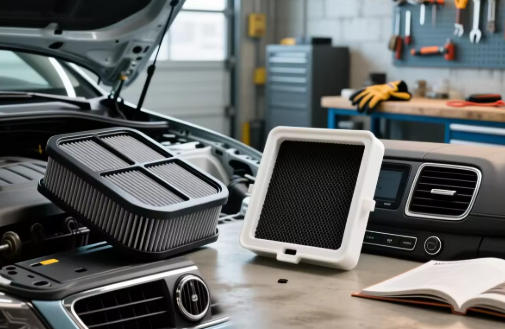
No, the original filter is disposable and not designed to hold up to washing. Water can damage the paper fibers, making the filter ineffective.
Look for information on the product packaging or manufacturer website. Washable Air Filters are typically labeled as reusable or serviceable.
In most conditions, clean it every 10,000 to 15,000 miles, but adjust based on your driving environment.
Yes, positively. A clean reusable filter maintains strong airflow, preventing strain on the HVAC system and improving cooling efficiency.
Absolutely. The initial investment pays off through durability, performance, and reduced waste, making it both an economical and eco-friendly choice.


