|
Introduction
HALAL and GMP Certified HPMC Capsule (formerly known as: seaweed polysaccharide hollow capsule) overcomes these shortcomings, and has the advantages of good stability of the drug, low dry weight loss, low content of heavy metals and so on. The plant polysaccharide component also has double health care functions, such as anti-tumour, antioxidant, hypolipidemic, hypoglycemic and so on. People in developed countries are particularly high awareness of health and environmental protection, plant fibre capsules by virtue of its natural raw materials and non-polluting characteristics, more and more popular, the proportion of global plant hollow capsules increased year by year.
|
specification
Size | 000# | 00# | 0# | 1# | 2# | 3# | 4# |
Cap length (mm) | 12.9±0.3 | 11.6±0.4 | 10.8±0.4 | 9.8±0.4 | 9.0±0.3 | 8.1±0.3 | 7.1±0.3 |
Body length (mm) | 22.3±0.3 | 19.8±0.4 | 18.4±0.4 | 16.4±0.4 | 15.4±0.3 | 13.4±0.3 | 12.1±0.3 |
Wall burst thickness (mm) | 0.110±0.015 | 0.110±0.015 | 0.110±0.015 | 0.100±0.015 | 0.100±0.015 | 0.095±0.015 | 0.095±0.015 |
Body wall thickness (mm) | 0.110±0.015 | 0.110±0.015 | 0.110±0.015 | 0.110±0.015 | 0.095±0.015 | 0.095±0.015 | 0.095±0.015 |
Cap diameter (mm) | 9.86-10.02 | 8.48±0.03 | 7.58±0.03 | 6.82±0.03 | 6.35±0.03 | 5.86±0.03 | 5.33±0.03 |
Body diameter (mm) | 9.48-9.64 | 8.15±0.03 | 7.34±0.03 | 6.61±0.03 | 6.07±0.03 | 5.59±0.03 | 5.06±0.03 |
Total length (mm) | 25.7 | 23.3±0.3 | 21.2±0.3 | 19.0±0.3 | 17.5±0.3 | 15.5±0.3 | 13.9±0.3 |
Average weight (mg) | 132±12 | 122±10 | 97±8 | 77±6 | 62±5 | 49±4 | 39±3 |
Volume (ml) | 1.38 | 0.95 | 0.68 | 0.5 | 0.37 | 0.3 | 0.21 |
Density of powder0.66g/ml | 822 | 570 | 408 | 300 | 222 | 180 | 126 |
Density of powder0.8g/ml | 1096 | 760 | 544 | 400 | 296 | 240 | 168 |
Density of powder1.0g/ml | 1370 | 950 | 680 | 500 | 370 | 300 | 210 |
Density of powder1.2g/ml | 1644 | 1140 | 816 | 600 | 444 | 360 | 252 |
40*60*70cm Packing Quantity/Ctn | 60000/40000 | 80000/60000 | 100000/80000 | 140000/120000 | 160000/140000 | 240000/220000 | 320000/300000 |
|
Advantage
Advantages of raw materials:
●Hydroxypropylmethylcellulose hollow capsule (I) (formerly known as: seaweed polysaccharide hollow capsule) raw materials from pure natural plants, composed of seaweed polysaccharide and hydroxypropylmethylcellulose.
●Propyl methyl cellulose composition, there is no potential threat of animal epidemic sources, there is no antibiotics, feed additives and other residues in the animal body
●There is no potential threat of animal epidemic, no residue of antibiotics and feed additives in animal body, which completely eliminates the possibility of external pollution.
Physical properties:
●Moisture content is less than 8.5%, which is suitable for medicines that are easy to absorb moisture and sensitive to moisture.
●Good toughness, high strength, easy to fill operation, easy to store
● No weathering, not brittle, suitable for hygroscopic drugs, finished products are easy to store
● Directly dissolved in water, does not absorb water and swell, no feeling of bloating after taking it.
● Stable disintegration performance, no delay in disintegration time after storage.
Chemical properties are stable:
● No cross-linking reaction with aldehyde-containing drugs and macrolide antibiotics, effectively avoiding the difficulty of disintegration or dissolution of such drugs after storage.
●No Meladic reaction with sugar drugs, thus avoiding discolouration and caking of drugs.
●No condensation reaction with tannins, which are commonly contained in traditional Chinese medicine, thus avoiding disintegration or dissolution.
|
Safety
Pure plant materials, no risk of chromium contamination, no pesticide residues
No preservatives (e.g. sodium dodecyl sulphate, nipagin ester, etc.) are added.
Self-purifying function, no ethylene oxide sterilisation, no chloroethanol residue
Chemically stable, no cross-linking reaction, no condensation reaction, no Meladic reaction
Low heavy metal content
|
Applicability
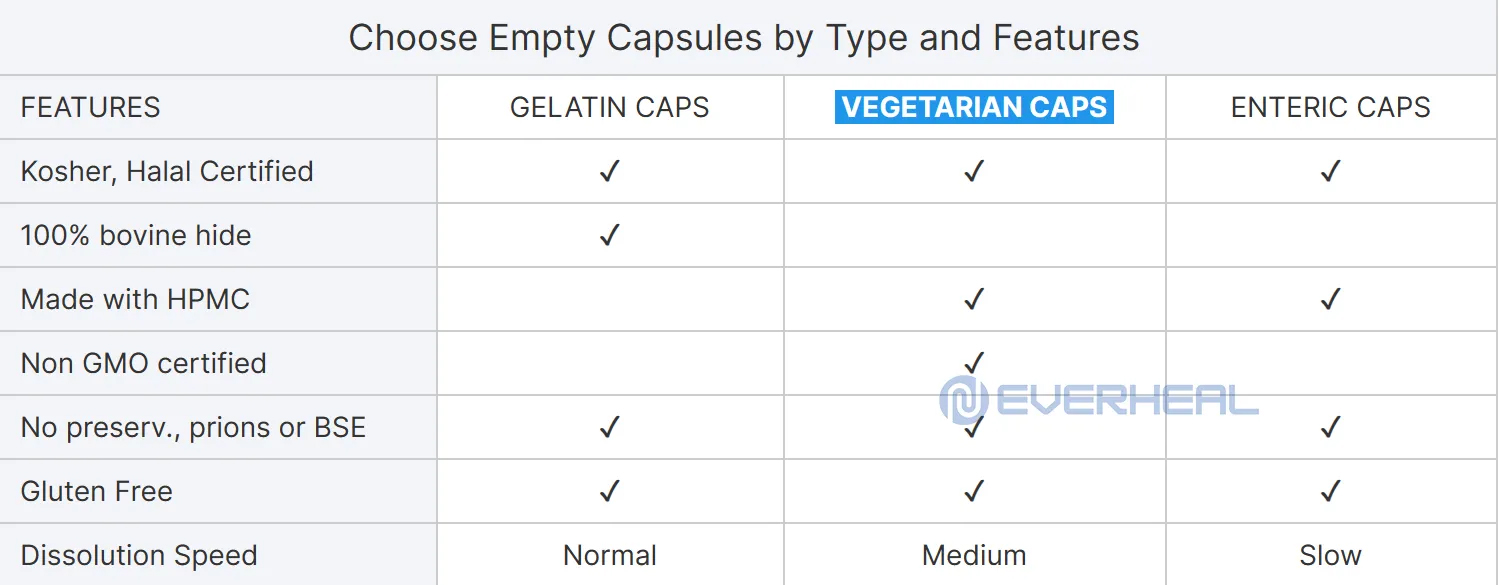
No animal ingredients, suitable for all kinds of people
No religious and cultural barriers, Islam, Buddhism and vegetarians can take it.
|
Empty Vegetarian Capsules (HPMC / Pullulan)
HPMC Capsules
HPMC capsules, an abbreviation from Hypromellose (hydroxypropyl methylcellulose), are veg-etarian capsules made from plant fibers.Our capsules are made from non-GMO HPMC.and are best suited for vegetarian applications.
BENEFITS
√ They are made from natural wood pulp. No animal origin materials used in manufacturing.
√ Meets standards of Non-GMO. Star'K'Kosher and Halal.
√ Superior heat stability with no cross-linking issues with the formulation.The capsules remainnon-brittle and stable.
√ Proven machine-friendly design. High reliability closure on all types of filling machines.
|
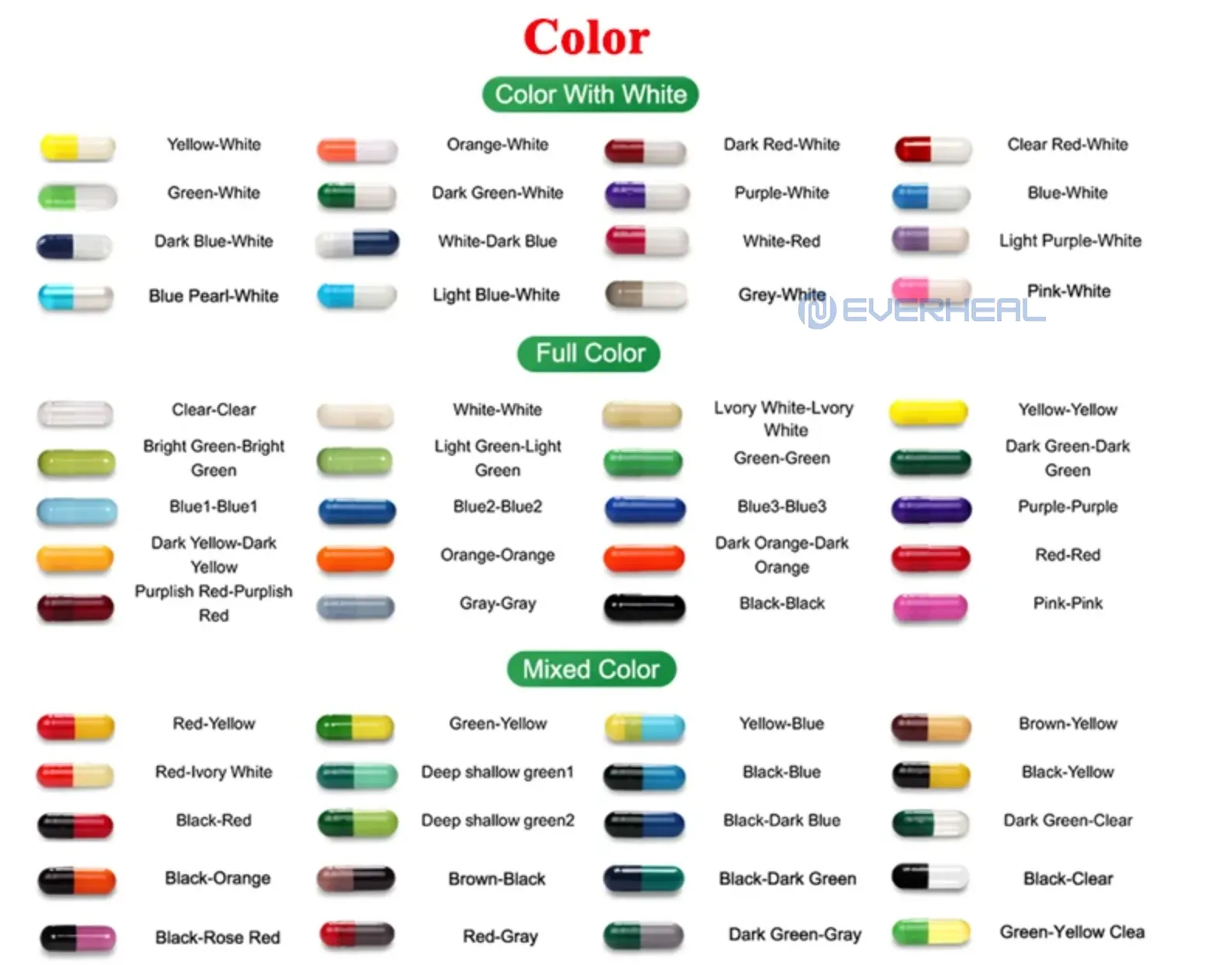
Optional Capsule Colours
1. What are the ideal conditions for store capsules?
For veg capsules 59-86°F/15-30°C;For gelatin capsules 59-77°F / 15-25°C.
2. Do you offer colored capsules?
Yes, we have the capability of manufacturing a wide variety of colors ( USP and DSHEA compliant colors).
We can custom match any color combination or color combination.
3. Do you offer capsule printing?
Yes, we offer two-color, rectified/non-rectified, radial/axial printing.
We offer fast turnaround on new products and first-time orders along with custom logo design and development.
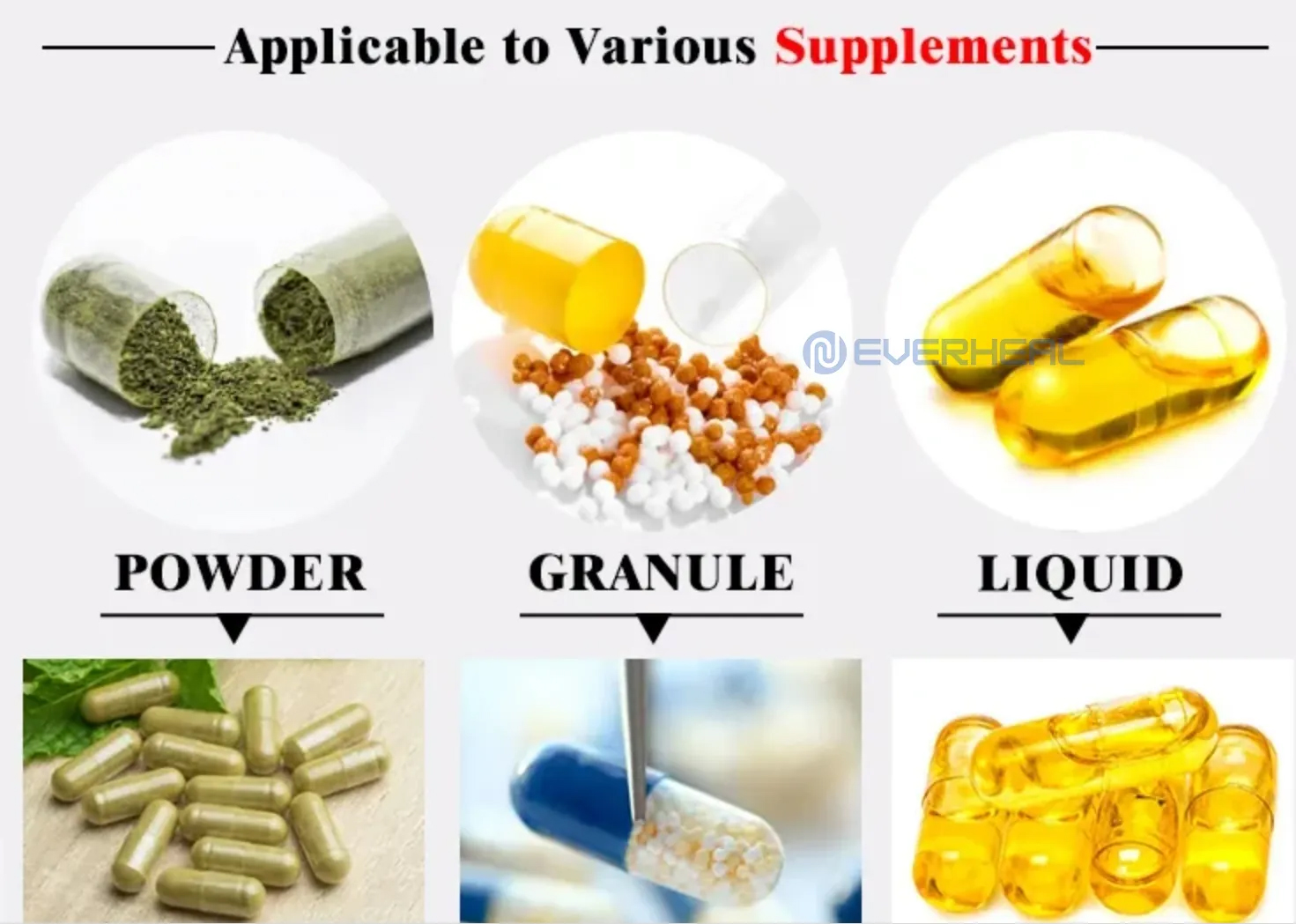
4. Can I fill liquids or oil into the capsule?
Our capsule is used to fill powder. Once you filled liquids or oil, it tends to leak from the joint. You need to have an extra sealing device if you want to.
Hot Tags: HALAL and GMP Certified HPMC Capsule, Hpmc Capsules, Vegetarian Capsules, Hpmc Capsule Shell, Capsule Shell Hpmc, Colored Capsules, Veggie Capsules, Empty Veggie Capsules, Empty Vegetarian Capsules, Hydroxypropyl Methylcellulose Capsules, China, Customized, OEM, Low price, manufacturing company, manufacturers, factory, suppliers, quotation, for sale