|
Specification
| Model | EVH-010 | EVH-020 | EVH-030 | EVH-040 | EVH-050 | EVH-060 | EVH-070 |
| 0.035-0.7 | 0.05-0.7 | 0.075-0.7 | 0.1-0.7 | 0.2-0.7 | 0.3-0.7 | 0.5-0.7 |
Rated evaporation
| Kg/h | 35 | 50 | 75 | 100 | 200 | 300 | 500 |
| Rated steam pressure | Mpa | 0.7 |
| Electric heating tube power | Kw | 24 | 36 | 48 | 72 | 144 | 216 | 360 |
| Pump power | Kw | 0.75 | 0.75*2 | 0.75*3 | 0.75*4 |
| Overall size | Length | mm | 700 | 900 | 1400 | 1500 | 2400 |
| Width | mm | 450 | 600 | 570 | 700 | 600 |
| High | mm | 1180 | 1460 | 1460 | 1460 | 1460 |
|
Product Features
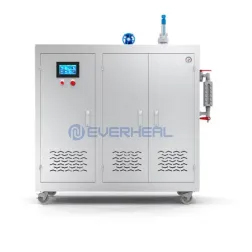
(1) Electric Heating Steam Generator employs high-quality pickling cold plate panels in its design. These panels undergo pickling for an extended period, followed by spray painting, ensuring durability over time. This approach addresses the issue of paint peeling off after pickling, which is common with hot plate panels. The machine is designed to withstand a maximum pressure of 7, with the liner thickness increased to 8 for added strength and longevity. Compared to panels with a thickness of 4, our panels are significantly more robust and offer a longer service life.
(2) High-efficiency boiler liner liner designed for 10 years of use. Advanced automatic control system.
(3) The boiler operating system is fully automatic control, all operating state humanized design, in front of the boiler at a glance, you can easily set the required temperature, precise operation. The machine's current combustion status, water supply operation status, fault alarm status and other indicator displays, allowing you to keep track of the boiler's operating conditions, use peace of mind.
(4) Inspection-free steam boiler
This is an inspection-free steam boiler, so there is no need for a professional boiler room, no need to apply for any use of registration, no need for professional operators, and do not need to be regularly reported to the inspection. Our factory have been tested by the national inspection agency, are debugged, is an integrated machine, that is, the machine is the whole factory, you buy back without installation, you just need to buy some pipe fittings connected to the water and electricity, the steam connected to the place to be used, press the start button can begin to use.
(5) Safe structure design
Equipped with safety valves, pressure controllers, water level control protectors and other multiple interlocking protection devices, when the power outage, power instability, leakage, etc., the machine will automatically cut off power protection. When the water stops, water and other circumstances, the machine will automatically stop to protect the machine. Absolutely safe and reliable, effectively extend the service life of the boiler.
(6) Fast steam production
The patented design of rapid steam production with small water volume can produce steam quickly after starting the machine, with sufficient steam pressure and sufficient steam volume to ensure high dryness and quality steam.
(7) Free control operation
Equipped with a temperature controller, free to adjust the desired temperature, more accurate operation. This model is more energy-saving, environmentally friendly, when the demand for steam volume is not large, you can freely choose the power to open, two-stage power adjustable.
|
Main Functions of Equipment
Safety valve: when the other protective functions of the equipment fail and the pressure exceeds the safety valve protection pressure, the safety valve opens immediately and quickly relieves the pressure, and the steam pressure will be reduced to a safe position in a very short time;
Pressure controller: the pressure controller protection value for the current set pressure, over the set pressure automatically shut down, the pressure is reduced automatically heated, mechanical pressure controller is more stable and reliable;
Temperature controller: steam temperature and steam pressure when the corresponding relationship, the installation of the temperature controller of the equipment, not only can be more intuitive view of the current steam temperature, but also to limit the upper limit of steam pressure is another kind of protection;
Liquid level detection system: each inner liner is set up with a double liquid level protection mechanism to ensure that the liner gets a stable water supply, the liquid level electrode detects a serious lack of water in the liner, there is a potential safety hazard, it will automatically shut down, if the water level continues to fall may cause the heating tube to dry burn, then the second liquid level protection mechanism is activated to disconnect the heating power supply, to protect the equipment from damage. Double liquid level protection makes heating more stable and safer to use.
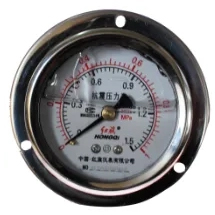
Pressure gauge: can directly observe the current pressure
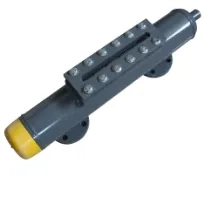
Water level meter: can directly observe the water level of the inner liner
Electrical protection: heating system, water replenishment system, control system are equipped with a separate open protection, electrical components are domestic mainstream brands, to ensure the safety and reliability of the equipment operation process.
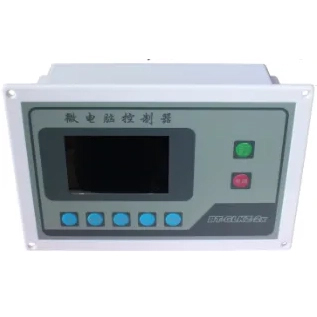
IoT remote control system: microcomputer control, fault alarm.
|
Scope of use and characteristics
The electric heating steam generator provides a clean and efficient solution .It can meet various customized demands and provide professional pre-sale and after-sale services. It has the advantages of reasonable structural design, excellent performance, stable operation, safety and reliability, long service life and easy installation and maintenance. The products are widely used in dozens of industries, such as construction and building materials, bridge maintenance, experimental research, biochemical, medical and pharmaceutical, food processing, packaging machinery, garment ironing and so on.
|
After-sales service commitment
Our company is committed to the best products recommended to the user at the same time, in order to make the user pleased, satisfied, to provide a perfect pre-sale, sale, after-sales service, is responsible for the sale of Danone steam generator for staff training, installation guidance, commissioning, maintenance, repair and supply of original accessories.
1. Product quality warranty of one year to provide lifelong maintenance services, and can provide regular maintenance warranty value-added service items.
2. My company's service department and the Department of Technology can use the party steam generator management operators for free training on my company's equipment on all maintenance and operation technology.
3. Steam generator normal use to the warranty period, steam generator and program control failure (non-human factors), only a reasonable charge for parts.
Hot Tags: Electric Heating Steam Generator, Steam Heater, Steam Heating System, Steam Generator Boiler, Industrial Steam Boiler, Steam Boiler System, Industrial Electric Boiler, Large Industrial Electric Steam Boilers, Pharmaceutical Industry Steam Generator, Electric Steam Heater, China, Customized, OEM, Low price, manufacturing company, manufacturers, factory, suppliers, quotation, for sale