Content Menu
● Kazakhstan's Growing Demand For Vial Filling Machines
● Key Types Of Vial Filling Solutions Needed In Kazakhstan
● The Role Of Local And International Partners
>> Local Integrators And Engineering Companies
>> International Aseptic Vial Filling Specialists
● Why Kazakhstan Buyers Combine Different Vial Filling Partners
● Everheal: A Turnkey Partner For Kazakhstan Vial Filling Projects
>> Core Capabilities Relevant To Vial Filling Projects
>> Engineering And Layout Design For Kazakhstan Facilities
>> Advantages Of Choosing Everheal As A Vial Filling Partner
>> Example Project Concept For Kazakhstan
● How To Evaluate Vial Filling Machine Manufacturers And Suppliers For Kazakhstan
>> Technical And Compliance Criteria
>> Service, Integration, And Total Cost Of Ownership
>> Positioning Of Different Partner Types
● Building A Future‑Proof Vial Filling Facility In Kazakhstan
● Conclusion
● Frequently Asked Questions (FAQ)
>> 1. What should Kazakhstan buyers look for in Vial Filling Machine Manufacturers And Suppliers?
>> 2. Why are integrated solutions important for vial filling projects in Kazakhstan?
>> 3. How can Everheal support Kazakhstan vial filling projects compared with other suppliers?
>> 4. Are small‑batch vial filling systems relevant for Kazakhstan's market?
>> 5. How do local integrators cooperate with international Vial Filling Machine Manufacturers And Suppliers?
Kazakhstan's pharmaceutical and biotech industry is growing rapidly, and demand for reliable vial filling equipment is increasing across vaccines, injectables, biologics, and clinical trial production. To build competitive GMP facilities, local investors increasingly work with a mix of domestic integrators and international Vial Filling Machine Manufacturers And Suppliers that can deliver turnkey, compliant solutions.
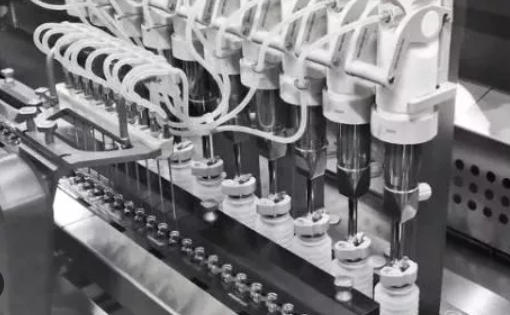
Kazakhstan's Growing Demand For Vial Filling Machines
Kazakhstan has been investing heavily in vaccine bottling and aseptic filling capacity to reduce dependence on imports and support regional health security. One vaccine filling initiative in the country, for example, focuses on building local capabilities to handle millions of doses per year using advanced vial filling and packaging lines.
For project owners and pharmaceutical investors, this trend creates a clear need to:
- Choose Vial Filling Machine Manufacturers And Suppliers with strong experience in aseptic processing, validation, and regulatory documentation.
- Combine vial filling machines with utilities such as purified water, pure steam, and cleanroom‑compatible sterilization systems to meet GMP expectations.
- Work with partners who can support layout design, installation, training, and long‑term maintenance in Kazakhstan and the wider Central Asian region.
In this context, both local engineering companies and global Vial Filling Machine Manufacturers And Suppliers play distinct but complementary roles in building safe, efficient vial filling plants.
Key Types Of Vial Filling Solutions Needed In Kazakhstan
When evaluating top Vial Filling Machine Manufacturers And Suppliers in Kazakhstan, buyers usually look for a range of technical options rather than a single generic filler. The most common vial filling solutions include:
- Small‑batch aseptic vial filling systems with integrated isolators or RABS, ideal for cell and gene therapies, biologics, personalized medicines, and clinical trials.
- Medium‑speed automatic vial filling and stoppering machines covering several thousand vials per hour for regional vaccine and injectable production.
- High‑speed aseptic lines combining vial washing, depyrogenation tunnels, filling, stoppering, and capping for national‑level and export‑oriented supply.
- Flexible peristaltic or piston dosing technologies to handle highly potent, viscous, or expensive drug products with accurate micro‑dosing and minimal product loss.
To fully exploit these capabilities, Kazakhstan project investors also need support with clean utilities, CIP/SIP, and sterilization systems. This is where integrated Vial Filling Machine Manufacturers And Suppliers that can provide complete pharmaceutical solutions become particularly valuable.
The Role Of Local And International Partners
Even though there are relatively few fully local vial filling OEMs, Kazakhstan buyers can access a strong ecosystem of integrators and international Vial Filling Machine Manufacturers And Suppliers that actively serve the market. Understanding how these players complement one another is crucial when structuring a vial filling project.
Local Integrators And Engineering Companies
Some engineering firms in Kazakhstan specialize in integrating imported vial filling equipment with local tanks, conveyors, and utilities, delivering practical turnkey projects for the region. Their role is especially important when it comes to adapting international technologies to local conditions.
Key strengths of these local partners include:
- Detailed knowledge of local regulations, building codes, safety standards, and certification procedures in Kazakhstan.
- Ability to supply supporting infrastructure such as skids, frames, flat conveyor lines, process piping, and utility connections around imported vial filling machines.
- On‑site installation, troubleshooting, and service in Russian or Kazakh, which many international Vial Filling Machine Manufacturers And Suppliers cannot easily provide directly.
These integrators often cooperate with global brands of vial filling equipment, including specialist aseptic filling systems used for small‑batch biologics and advanced therapies. They help ensure that imported vial filling solutions operate correctly within the constraints of Kazakhstan's power, water, and HVAC infrastructure.
International Aseptic Vial Filling Specialists
Several internationally recognized Vial Filling Machine Manufacturers And Suppliers provide equipment to Kazakhstan for vaccine and injectable production. Their product ranges are typically broad and technologically advanced, with a strong focus on regulatory compliance.
Typical offerings from these international suppliers include:
- Fully automated, GMP‑compliant vial filling lines with integrated capping and packaging systems designed for advanced therapy medicinal products.
- Flexible filling, stoppering, and capping systems using peristaltic or rotary piston dispensing technology, optimized for high accuracy and reduced product loss.
- Multi‑head automatic vial filling machines with capacities from a few thousand up to tens of thousands of vials per hour, designed for medium and large‑scale production.
International Vial Filling Machine Manufacturers And Suppliers usually provide modern control systems, electronic batch records, recipe management, and comprehensive validation documentation. However, they frequently rely on local or regional partners for project management, utilities, and factory layout design.
Why Kazakhstan Buyers Combine Different Vial Filling Partners
Kazakhstan's pharma investors increasingly combine local integrators with global Vial Filling Machine Manufacturers And Suppliers to balance technology depth and project practicality. This hybrid model offers multiple benefits:
- Access to world‑class aseptic vial filling technology while maintaining local service support and faster response times.
- Competitive capital costs by sourcing equipment from cost‑efficient manufacturing regions such as China and integrating locally.
- Better customization of plant layouts and filling line configurations according to Kazakhstan's facility constraints, staffing levels, and utility availability.
Within this framework, China‑based Everheal stands out as a strategic partner that can act as both equipment manufacturer and system‑level engineering provider.
Everheal: A Turnkey Partner For Kazakhstan Vial Filling Projects
Everheal is a specialized Chinese manufacturer of pharmaceutical equipment and integrated production line solutions. Positioned among leading Pharmaceutical Filling Equipment Manufacturers, the company supports global clients with a combination of vial filling systems, clean utilities, and sterilization technologies. This makes Everheal a strong choice for Kazakhstan firms seeking capable Vial Filling Machine Manufacturers And Suppliers with broad system expertise.
Core Capabilities Relevant To Vial Filling Projects
Everheal's portfolio is designed to support end‑to‑end injectable and vaccine projects, making it highly relevant for Kazakhstan buyers who need Vial Filling Machine Manufacturers And Suppliers that can think beyond a single machine.
Everheal's core capabilities include:
- Purified water preparation systems that deliver stable, pharmacopeia‑compliant PW for cleaning, formulation, and ancillary processes.
- Pharmaceutical‑grade pure steam systems for sterilization in place, autoclaves, and other critical aseptic applications.
- Multi‑effect distilled water units and distribution loops for Water for Injection (WFI), which is essential for injectable drug manufacturing and cleaning of product contact equipment.
- Liquid filling and sealing machines for a variety of containers, including vials, ampoules, and bottles, tailored to GMP aseptic standards with precise filling accuracy.
- Sterilization systems such as steam sterilizers and related cleanroom‑oriented equipment that integrate naturally with vial filling lines.
By providing utilities, vial filling machines, and sterilization equipment together, Everheal differentiates itself from many Vial Filling Machine Manufacturers And Suppliers who only offer stand‑alone fillers. Instead, Everheal acts as an integrated system partner.
Engineering And Layout Design For Kazakhstan Facilities
A critical pain point for many investors in Kazakhstan is translating a high‑level business plan into a practical, compliant factory layout. Everheal addresses this challenge by combining equipment supply with professional engineering services.
For Kazakhstan projects, Everheal can provide:
- Customized factory layout planning that considers material and personnel flows, HVAC zoning, airlock design, and cleanroom classifications aligned with GMP principles.
- Integrated design of purified water rooms, boiler rooms, distilled water areas, solution preparation rooms, filling and sealing lines, and sterilization chambers.
- Production line construction concepts that combine vial filling machines with upstream solution preparation and downstream inspection, labeling, and packaging equipment, ensuring a coherent end‑to‑end process.
This approach helps Kazakhstan clients reduce coordination risks between multiple Vial Filling Machine Manufacturers And Suppliers and ensures that all subsystems work together. When combined with local integrators for installation and daily service, Everheal's design capability significantly simplifies project execution.
Advantages Of Choosing Everheal As A Vial Filling Partner
Among the broader landscape of Vial Filling Machine Manufacturers And Suppliers serving Central Asia, Everheal offers several distinct advantages for Kazakhstan buyers:
- One‑stop project support: utilities, vial filling machines, sealing systems, sterilization equipment, and layout engineering from a single experienced team.
- GMP and validation experience: Everheal has supplied systems to many leading pharmaceutical enterprises and research institutions in China, which has strengthened its understanding of regulatory audits and documentation needs.
- Flexible customization: Everheal can adjust vial filling capacities, clean utility generation, and sterilization throughput to match the specific production scale and product mix required in Kazakhstan plants.
- Cost‑effectiveness: direct manufacturing, optimized engineering, and the ability to coordinate with local partners in Kazakhstan for installation and after‑sales service help reduce overall project costs.
For investors who want reliable Vial Filling Machine Manufacturers And Suppliers but also need end‑to‑end engineering support, Everheal presents a compelling option.
Example Project Concept For Kazakhstan
To illustrate how Everheal and other Vial Filling Machine Manufacturers And Suppliers can support Kazakhstan, consider a hypothetical mid‑scale injectable facility:
- The plant targets 10–15 million vials per year of vaccines and general injectables.
- Everheal designs and supplies the purified water system, WFI generation and storage, pure steam system, and a liquid preparation area.
- A fully automatic vial washing, depyrogenation, filling, stoppering, and capping line is provided, with filling capacity tailored to the planned output and potential future expansion.
- Sterilization equipment and cleanroom‑compatible transfer solutions are integrated to support both terminally sterilized and aseptically filled products.
- A local Kazakh integrator collaborates with Everheal to build the necessary piping, electrical connections, and platforms, and to manage site installation and commissioning.
In this scenario, the investor benefits from advanced, integrated equipment from a global supplier, combined with local knowledge and support, resulting in a compliant, scalable vial filling facility.
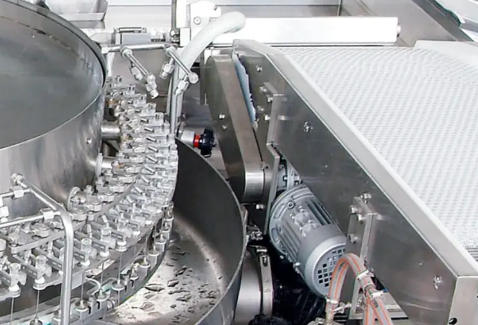
How To Evaluate Vial Filling Machine Manufacturers And Suppliers For Kazakhstan
When comparing top Vial Filling Machine Manufacturers And Suppliers for projects in Kazakhstan, buyers should evaluate not only technical specifications but also long‑term suitability and service capability.
Technical And Compliance Criteria
Some key technical questions include:
- Does the supplier offer vial filling technologies that support the required range of vial sizes, fill volumes, and product viscosities?
- Is the machine designed according to cGMP, with appropriate material selection such as SS316L for product contact parts and full documentation for qualification (DQ/IQ/OQ/PQ)?
- Are clean utilities and sterilization steps properly integrated into the overall process, ensuring aseptic integrity and traceability?
- Can the supplier demonstrate references or experience in vaccines, biologics, high‑value injectables, or similar regulated products?
Vial Filling Machine Manufacturers And Suppliers that can answer these questions convincingly will greatly reduce technical and regulatory risks.
Service, Integration, And Total Cost Of Ownership
Beyond pure technology, successful Kazakhstan projects depend on how Vial Filling Machine Manufacturers And Suppliers support integration and operations. Key factors to assess include:
- Availability of local or regional partners for installation, operator training, and fast troubleshooting, either through their own branch office or via established integrators.
- Ability to provide factory layout drawings, process flow diagrams, utility consumption estimates, and equipment lists early in the design phase, guiding investment decisions.
- Transparent lifecycle costs, including spare parts packages, change parts, recommended maintenance schedules, calibration services, and options for upgrading controls or software.
By examining these aspects, Kazakhstan investors can avoid hidden costs and ensure that the vial filling line remains reliable over many years.
Positioning Of Different Partner Types
In a typical Kazakhstan vial filling project, three main partner types often work together:
- Local integrator: focuses on mechanical integration, local documentation, utility routing, and on‑site service.
- Global OEM: concentrates on advanced aseptic vial filling technology, robotic handling systems, and high‑end control platforms.
- Everheal and similar integrated system providers: offer clean utilities, vial filling machines, sterilizers, and engineering support as a single package.
By clearly defining the role and responsibilities of each party at the beginning of the project, Kazakhstan buyers can build a strong network of Vial Filling Machine Manufacturers And Suppliers and reduce coordination problems.
Building A Future‑Proof Vial Filling Facility In Kazakhstan
Kazakhstan's ambition to expand its vaccine and injectable capacity means that investors must think beyond immediate capacity needs and design plants that remain competitive for the long term. This requires careful selection of Vial Filling Machine Manufacturers And Suppliers that can support both current and future requirements.
Key considerations for future‑proof design include:
- Scalability: the ability to add extra filling heads, upgrade conveyors, or integrate additional inspection and packaging modules as demand grows.
- Multi‑product flexibility: support for different vial sizes, stoppers, caps, and product formulations on the same line with manageable changeover times.
- Digitalization: access to modern automation features such as recipe management, batch reporting, alarm tracking, and remote diagnostics.
- Regulatory readiness: robust documentation, data integrity compliance, and support during inspections by both local and international authorities.
Working with integrated partners like Everheal for utilities, filling, and sterilization—combined with strong local engineering support—gives Kazakhstan pharmaceutical companies a solid foundation for growth. When these elements are aligned, the result is a highly efficient, compliant facility that can respond quickly to new therapeutic needs and market opportunities.
Conclusion
Kazakhstan's pharmaceutical sector is undergoing a period of rapid modernization, and the expansion of aseptic vial filling capacity lies at the heart of this transformation. To succeed, investors cannot rely on a single piece of equipment; they need a carefully chosen combination of Vial Filling Machine Manufacturers And Suppliers, local integrators, and engineering partners that can deliver compliant, scalable production lines.
International OEMs provide advanced vial filling technologies, robotics, and sophisticated control systems, while local companies contribute essential on‑the‑ground integration, project management, and service. Chinese system providers like Everheal add another critical layer by offering integrated utilities, vial filling equipment, and sterilization systems alongside factory layout expertise.
By systematically evaluating technology, compliance, service, and total cost of ownership, Kazakhstan buyers can build resilient, future‑proof vial filling facilities. These facilities can support both domestic healthcare demands and regional export ambitions, positioning Kazakhstan as an increasingly important hub for high‑quality vaccines and sterile injectables in Central Asia.
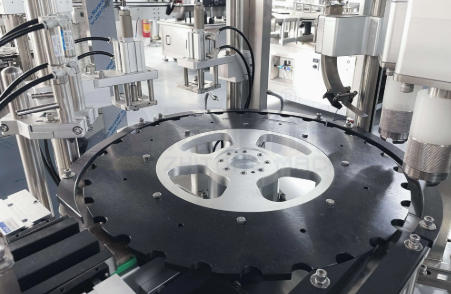
Frequently Asked Questions (FAQ)
1. What should Kazakhstan buyers look for in Vial Filling Machine Manufacturers And Suppliers?
Kazakhstan buyers should prioritize Vial Filling Machine Manufacturers And Suppliers that offer GMP‑compliant designs, accurate dosing technologies, robust sterilization concepts, and complete qualification documentation. It is also important to confirm that the supplier can support integration with utilities, cleanrooms, and packaging systems, either directly or through experienced local partners.
2. Why are integrated solutions important for vial filling projects in Kazakhstan?
Integrated solutions help align purified water, pure steam, and WFI generation with vial filling and sterilization capacities in a balanced way. When a single partner designs utilities and process equipment together, it reduces project risk, avoids bottlenecks, simplifies GMP qualification, and makes day‑to‑day operation more efficient.
3. How can Everheal support Kazakhstan vial filling projects compared with other suppliers?
Everheal stands out among Vial Filling Machine Manufacturers And Suppliers by combining equipment manufacturing with system‑level engineering for utilities, vial filling, and sterilization. For Kazakhstan buyers, this means clearer project responsibility, optimized plant layouts, coordinated utility sizing, and easier communication throughout design, installation, and validation. When Everheal cooperates with local integrators, investors receive both advanced technology and strong local support.
4. Are small‑batch vial filling systems relevant for Kazakhstan's market?
Yes, small‑batch aseptic vial filling and capping systems are increasingly important in Kazakhstan. They support clinical trials, pilot production, biologics, and other high‑value or niche products where flexibility and high accuracy are more important than very high speed. By working with Vial Filling Machine Manufacturers And Suppliers that provide configurable small‑batch solutions, investors can start with lower volumes and later scale up when demand grows.
5. How do local integrators cooperate with international Vial Filling Machine Manufacturers And Suppliers?
Local integrators in Kazakhstan typically purchase core vial filling machines and aseptic systems from international Vial Filling Machine Manufacturers And Suppliers and then add conveyors, tanks, platforms, and utility connections tailored to the local facility. They oversee installation, commissioning, operator training, and after‑sales service on site. This cooperation ensures that imported equipment is fully adapted to Kazakhstan's regulatory environment, language requirements, and infrastructure conditions.


