


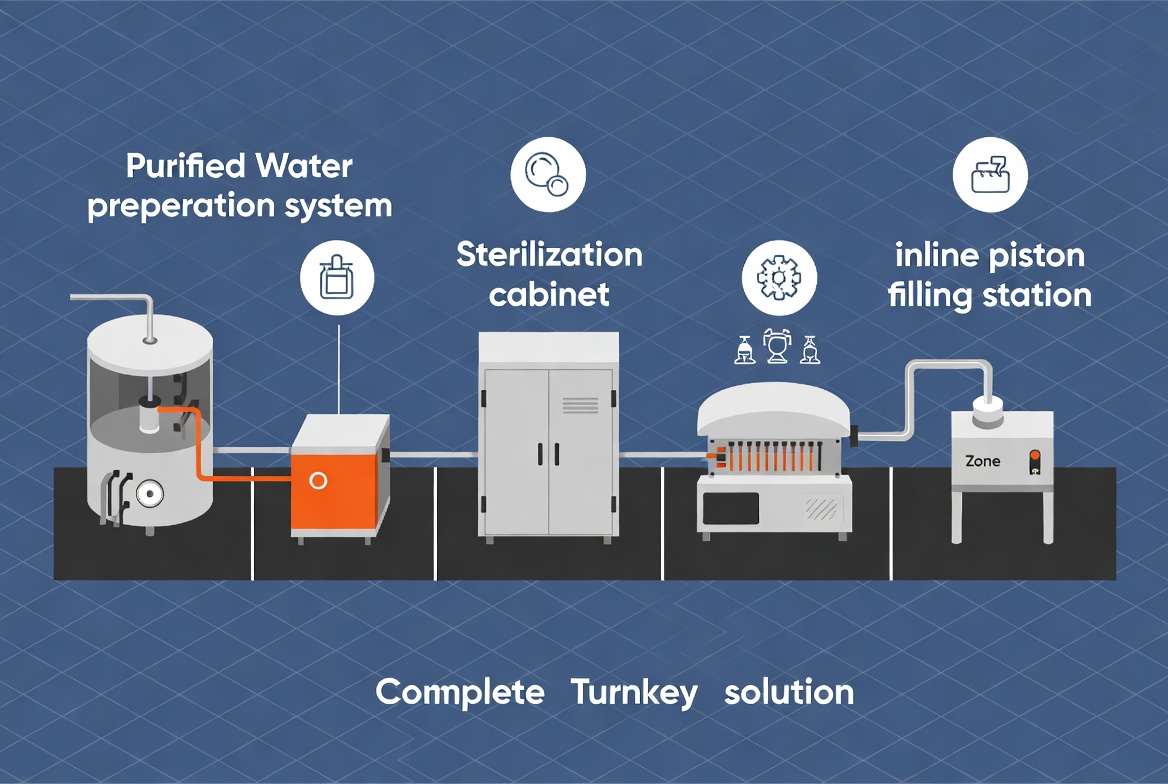
This comprehensive 2026 guide covers all major types of liquid filling machines used in pharmaceutical manufacturing, from manual and semi-automatic to fully automated monobloc systems. It details selection criteria based on viscosity, sterility, output speed, and regulatory compliance, with real-world case studies from Ningbo Everheal Medical Equipment. The article also explores future trends including IoT-enabled smart fillers and Industry 4.0 integration, offering actionable insights for pharma decision-makers planning custom production lines or facility upgrades.

Capsule filling machines are essential equipment in pharmaceutical manufacturing. They accurately fill hard capsules with powders, granules, pellets, and other materials through a controlled sequence of feeding, separation, dosing, closing, and discharge. Different machine types use different filling principles, so understanding how they work helps manufacturers choose the right equipment for production scale, product characteristics, and process stability.
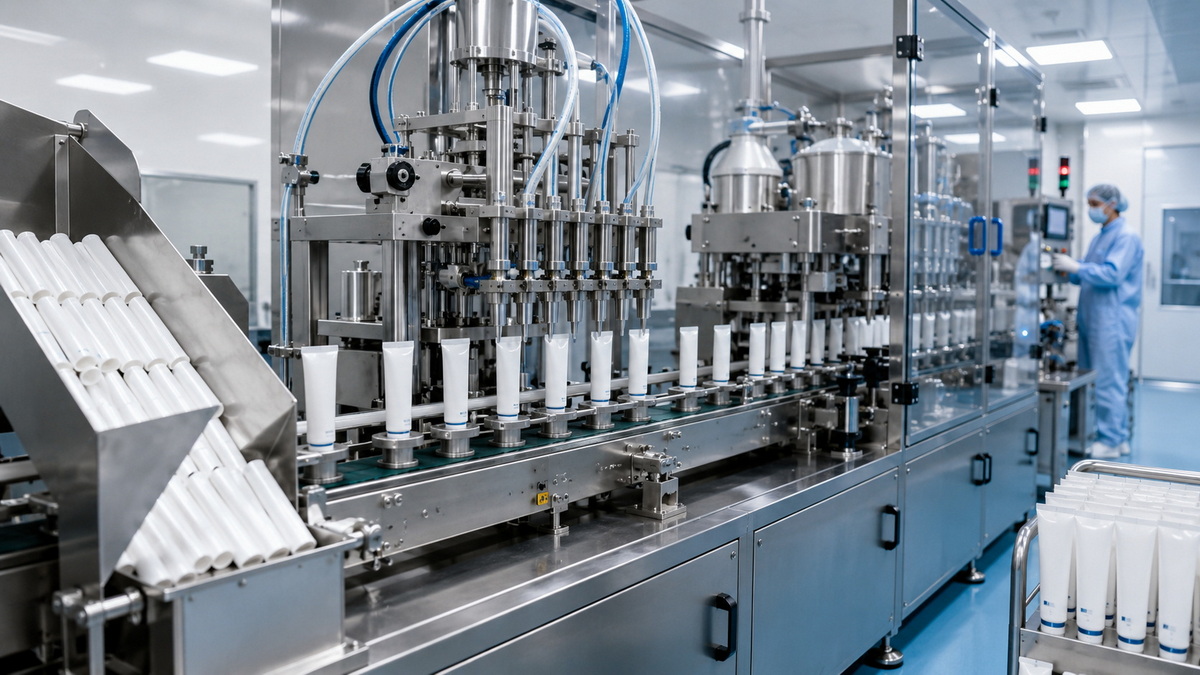
This article presents a clear overview of the fully automatic linear tube filling machine for pharmaceutical packaging. It explains the machine’s structure, applications, advantages, selection factors, and production value in a clean, practical format for website publication.
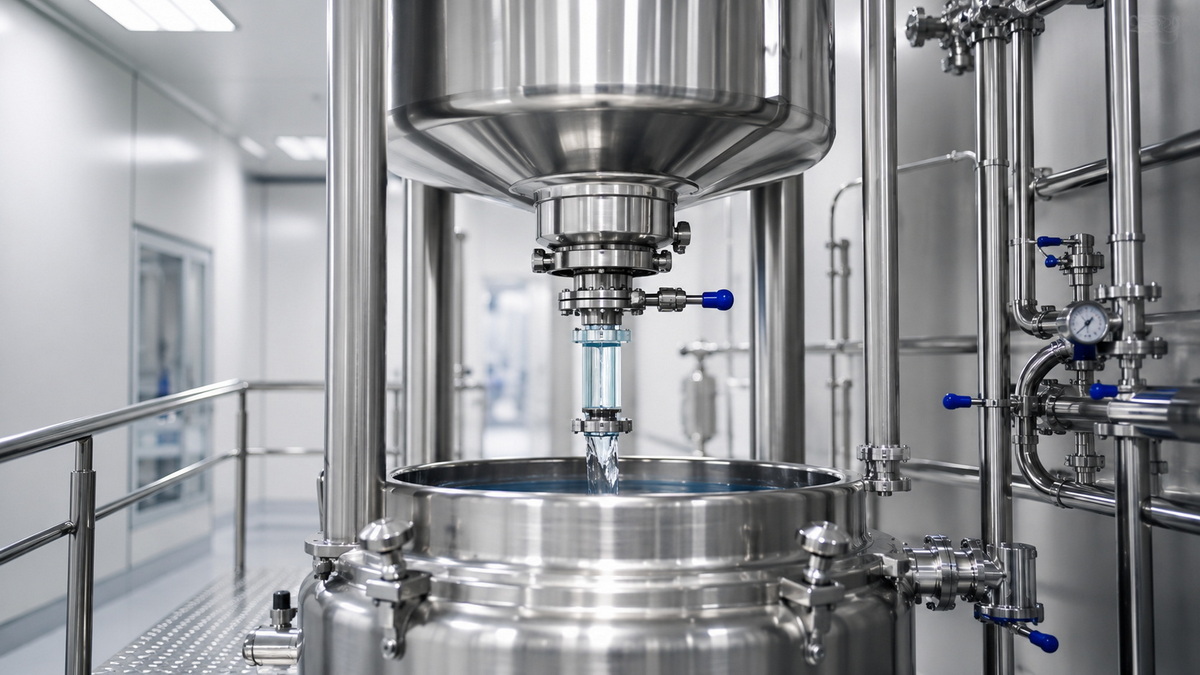
Gravity-fed and pressure-fed dispensing are two common ways to move shear-sensitive liquid medications through pharmaceutical production lines. This article compares both methods from a process, product-quality, and plant-design perspective, helping manufacturers choose the most suitable option for sterile and high-value liquid preparations.
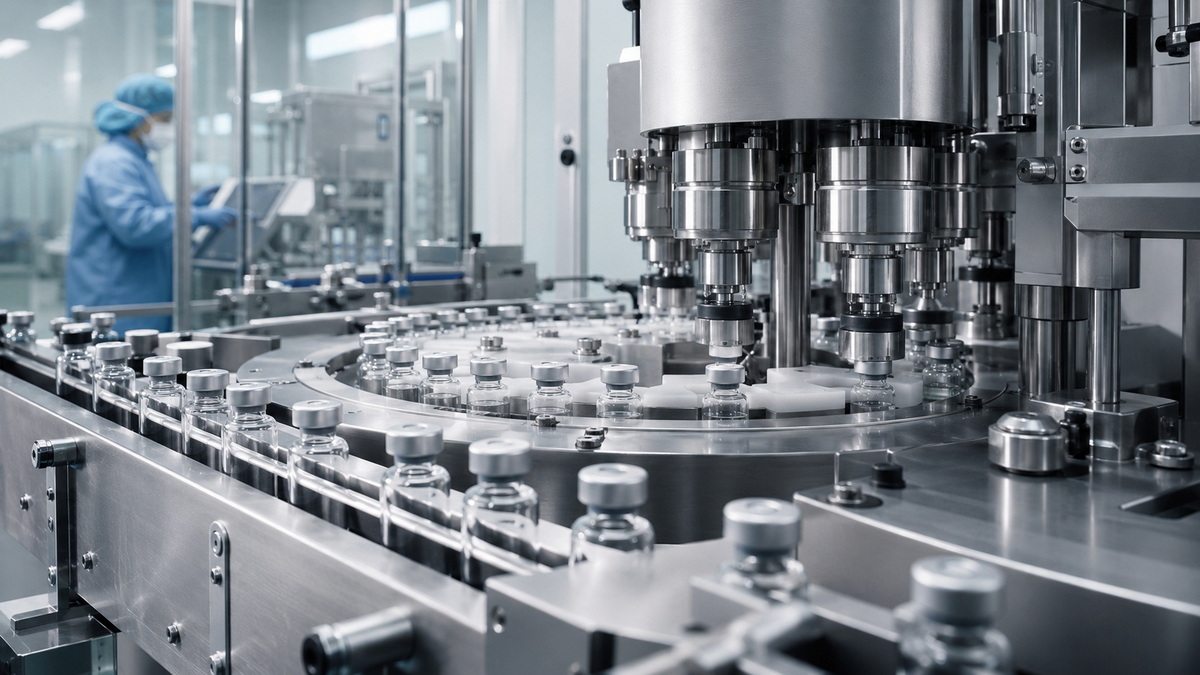
Automated capping and hand-crimping are two widely used vial closure methods in pharmaceutical manufacturing, but they differ significantly in consistency, scale, and suitability for maintaining container closure integrity. This article compares both approaches in practical terms and explains how manufacturers can choose the right method for sterile, high-value, and regulated production environments.
This comprehensive 2026 guide covers all major types of liquid filling machines used in pharmaceutical manufacturing, from manual and semi-automatic to fully automated monobloc systems. It details selection criteria based on viscosity, sterility, output speed, and regulatory compliance, with real-world case studies from Ningbo Everheal Medical Equipment. The article also explores future trends including IoT-enabled smart fillers and Industry 4.0 integration, offering actionable insights for pharma decision-makers planning custom production lines or facility upgrades.
Capsule filling machines are essential equipment in pharmaceutical manufacturing. They accurately fill hard capsules with powders, granules, pellets, and other materials through a controlled sequence of feeding, separation, dosing, closing, and discharge. Different machine types use different filling principles, so understanding how they work helps manufacturers choose the right equipment for production scale, product characteristics, and process stability.
This article presents a clear overview of the fully automatic linear tube filling machine for pharmaceutical packaging. It explains the machine’s structure, applications, advantages, selection factors, and production value in a clean, practical format for website publication.
Gravity-fed and pressure-fed dispensing are two common ways to move shear-sensitive liquid medications through pharmaceutical production lines. This article compares both methods from a process, product-quality, and plant-design perspective, helping manufacturers choose the most suitable option for sterile and high-value liquid preparations.


