Content Menu
● Growing Demand For Vial Filling Solutions In Tajikistan
● What To Look For In Vial Filling Machine Manufacturers And Suppliers
>> Technical Features That Matter
>> Compliance And Validation Considerations
● Everheal: A Turnkey Partner For Vial Filling Projects
>> Comprehensive Equipment Portfolio
>> Vial Filling And Crimping Machine Highlights
>> Integration With Sterile Utilities
● Factory Layout Planning And Line Design
● Other Notable Vial Filling Machine Manufacturers And Suppliers For Tajikistan
>> Global And Regional Equipment Providers
>> Local And Regional Machinery Channels In Tajikistan
● Comparison Of Key Vial Filling Machine Manufacturers And Suppliers Relevant To Tajikistan
● How Everheal Supports Tajikistan Vial Filling Projects
>> Project Stages Typically Covered
>> Benefits For Tajikistan Buyers
● Practical Tips For Choosing Vial Filling Machine Manufacturers And Suppliers In Tajikistan
● Common Applications Of Vial Filling Lines In Tajikistan
● Conclusion
● FAQ – Vial Filling Machine Manufacturers And Suppliers In Tajikistan
>> 1. What types of vial filling machines are most suitable for Tajikistan facilities?
>> 2. Why is Everheal a good choice for Tajikistan vial filling projects?
>> 3. How can buyers in Tajikistan verify the quality of Vial Filling Machine Manufacturers And Suppliers?
>> 4. Do local Tajik companies manufacture vial filling machines?
>> 5. What support should Tajik buyers expect after purchasing vial filling equipment?
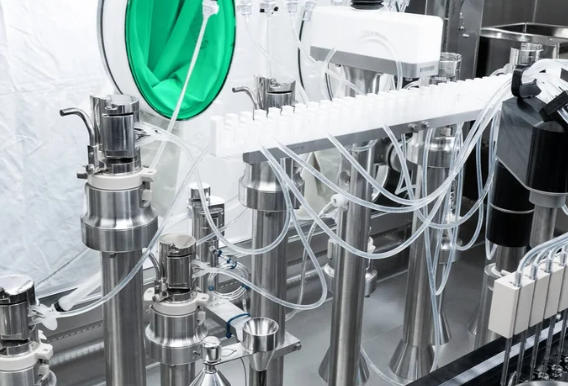
Vial Filling Machine Manufacturers And Suppliers play a crucial role in supporting Tajikistan's fast‑developing pharmaceutical and healthcare sectors. As more local and regional companies target injectable drugs, vaccines, and diagnostic products, demand for reliable vial filling solutions and turnkey production lines continues to rise.
Growing Demand For Vial Filling Solutions In Tajikistan
Tajikistan's pharma and healthcare markets are modernizing, with hospitals, distributors, and contract manufacturers seeking higher quality injectable products and stricter aseptic standards. This transformation creates new opportunities for Vial Filling Machine Manufacturers And Suppliers to provide automated lines, compliance support, and end‑to‑end project services.
Key market drivers include:
- Expansion of local pharmaceutical production and repackaging for CIS and Central Asia.
- Rising focus on vaccines, antibiotics, infusion products, and diagnostic reagents in vials.
- Strong interest in turnkey solutions rather than single, stand‑alone machines.
For buyers in Tajikistan, choosing the right Vial Filling Machine Manufacturers And Suppliers is not only about price but also about long‑term reliability, GMP compliance, and technical support.
What To Look For In Vial Filling Machine Manufacturers And Suppliers
When evaluating Vial Filling Machine Manufacturers And Suppliers for Tajikistan projects, it is essential to focus on several core dimensions. These factors directly affect product quality, regulatory approvals, downtime, and operating costs over the life of the line.
Key criteria include:
- Compliance with GMP, CE, ISO and other relevant pharma standards.
- Capability to supply complete vial washing, depyrogenation, filling, stoppering, crimping, and sterilization lines.
- Experience with purified water systems, pure steam, and clean utilities for sterile applications.
- Customization for bottle sizes, fill volumes, and different formulations (liquid and powder).
- After‑sales service, spare parts availability, and remote technical support.
Technical Features That Matter
Leading Vial Filling Machine Manufacturers And Suppliers integrate advanced technologies to ensure precision and sterility. Examples of critical technical features include:
- High‑accuracy dosing systems, such as ceramic plunger pumps or peristaltic pumps, designed to keep filling errors within a tight tolerance range.
- Servo‑driven synchronized control of filling, stoppering, and capping stations for stable, repeatable performance.
- Automatic detection systems for no‑vial‑no‑fill, mis‑stoppering, and capping errors that protect product quality.
- Stainless steel construction (SUS304 for frames, SUS316L for product‑contact parts) that supports cleanroom and GMP requirements.
These engineering strengths distinguish professional Vial Filling Machine Manufacturers And Suppliers from basic packaging equipment vendors and ensure long‑term process stability.
Compliance And Validation Considerations
For pharmaceutical plants in Tajikistan, regulatory expectations are tightening as more products are exported to neighboring markets. It is vital to select Vial Filling Machine Manufacturers And Suppliers that understand qualification and validation. This typically includes:
- Design documentation that supports URS, DQ, IQ, OQ, and PQ activities.
- Material certificates and surface finish documentation for all product‑contact parts.
- Support for process validation, media‑fill tests, and operator training.
Partnering with manufacturers who can provide this level of documentation makes it easier to pass inspections and respond to audits from local authorities and international clients.
Everheal: A Turnkey Partner For Vial Filling Projects
Everheal is a specialized Chinese provider of water treatment, vial filling, and sterilization equipment, offering integrated solutions for pharmaceutical and medical production lines. As one of the Vial Filling Machine Manufacturers And Suppliers serving global markets, Everheal combines process design, equipment supply, and on‑site implementation for clients in emerging regions, including Central Asia.
Comprehensive Equipment Portfolio
Everheal's product portfolio is designed around the needs of sterile injectable and infusion facilities. The company not only provides vial filling machines but also the critical upstream and downstream systems required for a compliant line.
Its main offerings include:
- Purified water preparation systems and water treatment plants for pharmaceutical use.
- Multi‑effect distilled water machines and pure steam generators for injectable‑grade utilities.
- Vial filling and crimping machine lines that integrate washing, drying, filling, stoppering, and crimping.
- Liquid filling and sealing machines, plus sterilization systems for vials and infusion bottles.
By delivering this complete ecosystem, Everheal moves beyond traditional Vial Filling Machine Manufacturers And Suppliers and positions itself as a turnkey project partner capable of supporting full factory construction.
Vial Filling And Crimping Machine Highlights
Everheal's vial filling and crimping solutions are engineered for pharmaceutical, medical, and cosmetic vial applications, and can be integrated with ultrasonic bottle washing machines, tunnel sterilization ovens, and bottle arranging systems. The line can complete vial arrangement, filling, rubber stoppering, and aluminum cap crimping in a continuous, controlled process.
Key technical features include:
- Surface materials in SUS304 stainless steel, with product contact parts in SUS316L and medical‑grade silicone to meet GMP and cleanroom standards.
- A flexible filling system using ceramic plunger pumps for liquids or screw systems for powders, with adjustable speed and volume through a user‑friendly interface.
- A detection system for automatic alarms, no‑bottle‑no‑fill logic, and electronic sensors at each station to minimize human error and material loss.
- Production capacities configured to meet small, medium, or higher‑volume requirements, with options such as single‑needle or multi‑needle filling heads.
These capabilities enable Tajikistan‑based buyers to align with international quality benchmarks while keeping the overall cost of ownership competitive.
Integration With Sterile Utilities
One of Everheal's core strengths is the ability to integrate vial filling equipment with purified water, distilled water, and pure steam solutions. Instead of sourcing utilities and process equipment from multiple unrelated suppliers, customers can work with Everheal as a unified provider. This integration helps:
- Ensure water quality and steam quality meet injectable standards.
- Simplify pipeline design and utility routing in clean corridors.
- Reduce compatibility risks between utility systems and process equipment.
For Tajikistan projects, where engineering resources may be limited, this type of integrated approach from a single group of Vial Filling Machine Manufacturers And Suppliers greatly reduces project complexity.
Factory Layout Planning And Line Design
Everheal differentiates itself from many standard Vial Filling Machine Manufacturers And Suppliers by offering custom plant layout planning and full production line design services. Rather than selling a single piece of equipment, the company helps clients design cleanroom zoning, material and personnel flows, and utility routing around the vial filling process.
Typical engineering support includes:
- Concept and basic design for sterile and non‑sterile areas around vial filling lines.
- Integration of purified water systems, pure steam networks, and condensate return systems into the plant layout.
- Selection and configuration of vial filling, sealing, and sterilization machines to fit the available building footprint.
- Step‑by‑step capacity planning to support future expansion stages and additional vial filling lines.
For pharmaceutical companies and investors in Tajikistan, this engineering‑driven approach significantly reduces project risk and speeds up qualification and validation, especially for first‑time injectable projects.
Other Notable Vial Filling Machine Manufacturers And Suppliers For Tajikistan
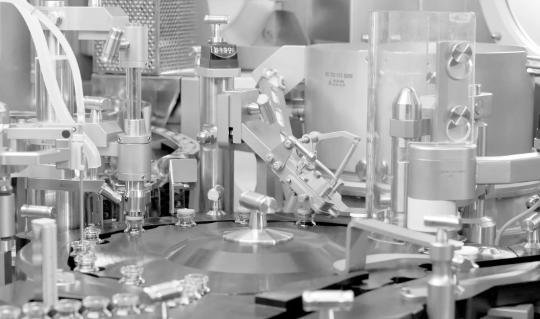
In addition to Everheal, several international Vial Filling Machine Manufacturers And Suppliers are relevant when planning a vial filling project for Tajikistan, whether through direct import or regional agents. These companies supply a range of machines from laboratory‑scale units to fully automatic aseptic production lines.
Global And Regional Equipment Providers
- Pharmec Technologies (China): Offers integrated vial liquid and powder filling lines, including vial washing machines, tunnel sterilization dryers, filling and stoppering units, and vial capping machines. These lines are suitable for sterile injectables and can be configured for different capacities and vial formats.
- Syntegon (Global, with a site in China): Provides high‑end liquid and solid dosage filling systems, including vial, ampoule, and pre‑filled syringe solutions, plus isolators and inspection systems for demanding aseptic applications.
- Laxmi Pharma Equipment (India): Manufactures vial filling machines, liquid filling machines, and bottle filling equipment, serving many developing regions with cost‑effective, mid‑range solutions.
- Various Chinese OEM suppliers: Numerous Vial Filling Machine Manufacturers And Suppliers listed on major B2B platforms can supply semi‑automatic and automatic vial fillers, often with flexible configurations and competitive lead times.
These vendors can complement Everheal's turnkey offering, for example when a Tajikistan customer needs a special laboratory vial filler, a pilot‑scale line, or a second source for certain equipment categories.
Local And Regional Machinery Channels In Tajikistan
While Tajikistan does not yet host many indigenous Vial Filling Machine Manufacturers And Suppliers dedicated only to vials, there are regional machinery trading and integration companies that import equipment from China, India, and Europe. Some platforms list filling and packaging machinery for Tajikistan, including filling and plugging machines for vials, cup fillers, and various packaging lines.
For Tajik buyers, these local channels can:
- Simplify customs clearance and logistics for heavy pharmaceutical machinery.
- Provide local language communication and basic on‑site technical support.
- Help coordinate installation and operator training with overseas Vial Filling Machine Manufacturers And Suppliers.
However, for complex sterile projects, direct collaboration with experienced manufacturers like Everheal remains essential to ensure correct line integration, documentation, and validation.
Comparison Of Key Vial Filling Machine Manufacturers And Suppliers Relevant To Tajikistan
| Supplier / Role | Core Offering | Geographic Relevance To Tajikistan | Key Strengths For Vial Lines |
| Everheal | Vial filling and crimping machines, purified water systems, distilled water units, pure steam generators, sterilization lines | China‑based, serving global markets including Central Asia via export | Turnkey solutions, plant layout design, integrated utilities and process equipment from one source |
| Pharmec Technologies | Automatic vial liquid and powder filling lines with washing, sterilization, filling, stoppering, and capping | China, exports to emerging markets including Asia and CIS | High‑integration aseptic lines with strong focus on injectable products |
| Syntegon | Advanced vial, ampoule, and pre‑filled syringe filling lines plus inspection and isolator systems | Global supplier with strong Asia presence | High‑end technology suited for large facilities with strict global standards |
| Laxmi Pharma Equipment | Vial filling machines, liquid filling machines, and general pharma packaging solutions | India‑based exporter active in developing regions | Cost‑effective, robust designs, suitable for mid‑scale plants |
| Local Tajik channels | Import and distribution of filling and packaging equipment, including filling and plugging machines for vials | Located in or focused on Tajikistan and neighboring countries | On‑ground logistics and service support, coordination with overseas manufacturers |
This mix of global manufacturers and local channels provides Tajikistan buyers with flexible sourcing options for Vial Filling Machine Manufacturers And Suppliers at different budget and technology levels.
How Everheal Supports Tajikistan Vial Filling Projects
As a comprehensive equipment and engineering company, Everheal is well positioned to support vial‑based pharma projects in Tajikistan from concept to commissioning. By combining its expertise in purified water, pure steam, distilled water, vial filling equipment, and sterilization systems, Everheal delivers coherent, GMP‑ready process chains for injectable production.
Project Stages Typically Covered
For clients in Tajikistan and neighboring markets, cooperation with Everheal as one of the key Vial Filling Machine Manufacturers And Suppliers usually covers several stages:
1. Early‑stage consultation and feasibility study for vial‑based products, such as vaccines, generic injectables, or diagnostic reagents.
2. Factory layout design, including utilities, cleanrooms, material flow, and vial filling line positioning.
3. Selection and configuration of vial washing, depyrogenation, filling, stoppering, crimping, and sterilization machines to match the capacity plan.
4. Manufacturing, factory acceptance testing, shipment, and on‑site installation and commissioning.
5. Guidance for qualification and validation, operator training, and long‑term optimization of the production line.
Through this lifecycle support, Everheal helps Tajikistan customers minimize design errors, shorten project timelines, and reduce the risk of non‑compliance.
Benefits For Tajikistan Buyers
Working with integrated Vial Filling Machine Manufacturers And Suppliers such as Everheal brings several advantages for Tajik projects:
- Better coordination between vial filling machines, pure steam generators, water systems, and sterilizers.
- Single‑source responsibility, which simplifies communication, project management, and warranty handling.
- Consistency in technical documentation, validation support, and spare parts management across the whole line.
- Easier future expansion of vial filling capacity using compatible modules and proven engineering concepts.
In a market where many first‑time investors are new to sterile injectables, these benefits can be decisive in achieving a stable, compliant facility that can serve both domestic and export markets.
Practical Tips For Choosing Vial Filling Machine Manufacturers And Suppliers In Tajikistan
Selecting the right Vial Filling Machine Manufacturers And Suppliers for a Tajikistan plant should follow a structured process. This reduces the risk of mismatched capacity, non‑compliant designs, or difficulty sourcing spare parts later.
Recommended steps include:
- Define target products (such as vaccines, antibiotics, oncology drugs, or diagnostic reagents) and vial formats before approaching suppliers.
- Shortlist international and regional Vial Filling Machine Manufacturers And Suppliers that can show proven sterile injectable references and export experience.
- Ask for sample layouts that include vial washing, depyrogenation, filling, stoppering, crimping, and sterilization to verify integration capability.
- Evaluate service capabilities for Tajikistan, including remote support, online diagnostics, and the presence of local partners or agents.
- Compare total lifecycle cost, not just purchase price, including energy consumption, change‑part costs, maintenance intervals, and potential downtime.
By following these steps, Tajikistan investors can build robust alliances with Vial Filling Machine Manufacturers And Suppliers that support long‑term growth and competitive operations.
Common Applications Of Vial Filling Lines In Tajikistan
Vial filling machines supplied to Tajikistan are used across several product categories. Understanding these applications helps buyers specify requirements more precisely when talking to Vial Filling Machine Manufacturers And Suppliers.
Typical applications include:
- Vaccines and biologics: Small‑volume vials requiring precise dosing, high sterility, and sometimes cold‑chain handling.
- Generic injectable drugs: Antibiotics, analgesics, and infusion products that demand reliable, high‑throughput vial filling and capping.
- Oncology formulations: High‑potency products often requiring containment solutions and strict operator protection.
- Diagnostic reagents and lab vials: Smaller batches, multiple formats, and frequent changeovers, where flexibility and quick cleaning are essential.
When contacting Vial Filling Machine Manufacturers And Suppliers, Tajik buyers should communicate their main product focus so that equipment can be tailored in terms of filling range, materials, cleanability, and automation level.
Conclusion
Vial Filling Machine Manufacturers And Suppliers are becoming strategic partners for Tajikistan's evolving pharmaceutical and healthcare industries, as demand for injectable products and sterile packaging continues to increase. Among international providers, Everheal stands out by combining vial filling equipment with purified water systems, pure steam generators, distilled water units, and sterilization solutions, plus factory layout planning services aligned with GMP standards. Together with other global vendors and local trading channels, buyers in Tajikistan can access a rich ecosystem of Vial Filling Machine Manufacturers And Suppliers to realize projects ranging from small pilot plants to full‑scale injectable facilities. Choosing partners that provide integrated engineering, compliance support, and long‑term service is the most reliable path to sustainable success in this growing market.
FAQ – Vial Filling Machine Manufacturers And Suppliers In Tajikistan
1. What types of vial filling machines are most suitable for Tajikistan facilities?
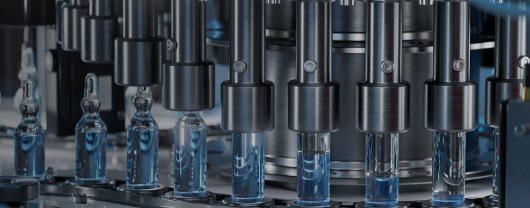
Most Tajikistan projects benefit from automatic or semi‑automatic vial filling and crimping machines that can handle standard glass vials for liquid injectables and, in some cases, powders. Depending on capacity needs, lines may include ultrasonic vial washing, tunnel sterilization, filling and stoppering, and final capping modules supplied by specialized Vial Filling Machine Manufacturers And Suppliers.
2. Why is Everheal a good choice for Tajikistan vial filling projects?
Everheal offers not only vial filling and crimping machines but also purified water systems, multi‑effect distilled water machines, pure steam generators, and integrated sterilization equipment. This makes Everheal one of the few Vial Filling Machine Manufacturers And Suppliers able to deliver full, GMP‑oriented production lines and factory layout planning tailored to Tajikistan's needs.
3. How can buyers in Tajikistan verify the quality of Vial Filling Machine Manufacturers And Suppliers?
Buyers should request evidence of GMP, CE, and ISO compliance, detailed technical specifications, and references from other sterile injectable projects. Factory visits, factory acceptance test reports, and sample validation documents help confirm that the chosen Vial Filling Machine Manufacturers And Suppliers can support regulatory inspections and long‑term operations.
4. Do local Tajik companies manufacture vial filling machines?
At present, Tajikistan relies mainly on imported equipment from international Vial Filling Machine Manufacturers And Suppliers, supported by local machinery traders and integrators. These local channels focus on distribution, logistics, and basic technical support, while the core vial filling technology is supplied by overseas manufacturers.
5. What support should Tajik buyers expect after purchasing vial filling equipment?
Professional Vial Filling Machine Manufacturers And Suppliers typically provide installation guidance, commissioning assistance, operator training, and remote troubleshooting. They also offer spare parts packages and upgrade options, enabling Tajikistan facilities to maintain high uptime and gradually expand vial filling capacity as the business grows.


