Content Menu
● Why CPAP Machines Require Distilled Water
>> The Role of Distilled Water
>> Why Temperature Matters
● Understanding the Effects of Cold Distilled Water
>> 1. Initial Temperature Drop in Humidified Air
>> 2. Potential for Condensation
>> 3. Comfort and Breathing Sensation
● The Science Behind Distilled Water Purity
>> The Distillation Process in Detail
>> Comparing Distilled Water with Filtered and Purified Water
● Practical Tips for Using Cold Distilled Water in CPAP Machines
>> Tip 1: Pre-Warm Your Distilled Water (Optional)
>> Tip 2: Use a Quality Distillation Water Machine
>> Tip 3: Clean the Humidifier Regularly
>> Tip 4: Store Distilled Water Properly
>> Tip 5: Manage Condensation ("Rainout")
● Benefits of Using Distilled Water Produced by a Distillation Water Machine
● Myths About Using Distilled Water in CPAP Machines
>> Myth 1: Any purified water is good enough
>> Myth 2: Cold distilled water can damage the CPAP heater
>> Myth 3: Boiling tap water at home is the same as distilling
● How Everheal Supports Purified Water Solutions for CPAP Users
● Conclusion
● FAQ
>> (1) Can I use tap water if I run out of distilled water?
>> (2) Does cold distilled water reduce humidity effectiveness?
>> (3) How often should I replace distilled water in my CPAP chamber?
>> (4) Can I produce distilled water at home safely?
>> (5) Is it safe to store distilled water in plastic bottles?
Continuous Positive Airway Pressure (CPAP) therapy has become a lifesaver for people with sleep apnea and other respiratory disorders. The machine delivers a steady flow of pressurized air through a mask, keeping your airways open during sleep. However, the comfort and safety of using a CPAP machine depend significantly on one overlooked but vital component—the water you put in the humidifier chamber.
Many users wonder: Can I use cold distilled water in my CPAP machine? The short answer is yes, but with a few considerations that can make your therapy more effective and prolong the life of your device.
In this article, we'll dive deep into the science behind using distilled water, the temperature factor, maintenance tips, and how a Distillation Water Machine ensures you have safe, clean water for your CPAP therapy.
Why CPAP Machines Require Distilled Water
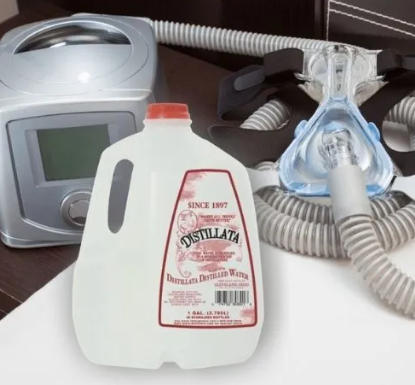
CPAP machines often include a humidifier chamber that adds moisture to the air you breathe. This helps prevent dryness and irritation in your nose, throat, and lungs. The type of water used in this humidifier is crucial because it directly influences both your health and the durability of the machine.
The Role of Distilled Water
Distilled water is the by-product of a purification process called distillation. In this process, water is boiled until it becomes steam, which is then condensed back into liquid form in a Distillation Water Machine. This method removes impurities such as minerals, bacteria, and chemical contaminants.
When you use tap water in your CPAP humidifier, minerals like calcium and magnesium can build up inside the chamber. Over time, this causes scaling, damages the device, and creates an environment where microorganisms can grow. Distilled water, on the other hand, is free from these impurities, keeping your humidifier clean and safe.
Why Temperature Matters
Although CPAP users often think about water purity, fewer consider the temperature of that water. The temperature can impact comfort levels, moisture delivery, and even the efficiency of humidification. Cold distilled water won't damage your CPAP machine, but it may create a slightly different user experience compared to water at room temperature.
Understanding the Effects of Cold Distilled Water
If you've ever poured cold water into your humidifier before bedtime, you may have noticed that the air feels cooler initially. Let's break down what actually happens when you use cold distilled water in your CPAP machine.
1. Initial Temperature Drop in Humidified Air
CPAP humidifiers function by heating the water slightly to increase its evaporation rate. When the water is cold, the heating element needs more time to reach the ideal temperature, causing a short delay in humidification. You might feel a cooler airflow during the first few minutes of use. However, as the water warms up, humidity and temperature stabilize, and comfort returns to normal.
2. Potential for Condensation
Colder water can lead to what's known as *rainout*—condensation that forms in the tubing when warm, moist air meets cool air. This can cause annoying noises or water droplets reaching your mask. To minimize this, many modern CPAP machines feature heated tubing and climate control systems that maintain consistent humidity and temperature throughout the night.
3. Comfort and Breathing Sensation
Some users actually prefer the sensation of cooler air at the start of their sleep, describing it as refreshing. Others find it slightly uncomfortable, especially in colder climates. Ultimately, whether you prefer cold distilled water or room-temperature water comes down to personal preference, as both are safe and effective for use in your CPAP humidifier.
The Science Behind Distilled Water Purity
The reason distilled water is recommended over other types of water lies in both science and machine safety.
The Distillation Process in Detail
A Distillation Water Machine works by mimicking nature's hydrological cycle—evaporation and condensation—but in a controlled environment:
1. Boiling Stage: Tap water is heated until it turns into steam, separating pure water molecules from contaminants.
2. Condensation Stage: The steam travels through cooling coils or chambers, where it condenses back into liquid form.
3. Collection Stage: The resulting distilled water is collected in a sterile container, free from minerals, bacteria, and chemicals.
Because Distillation Water Machines eliminate nearly all impurities, the output is perfectly suited for sensitive applications like medical devices, laboratories, and CPAP humidifiers.
Comparing Distilled Water with Filtered and Purified Water
Some users mistakenly assume that filtered or purified water can replace distilled water. While filtered water removes some impurities, trace minerals and microorganisms often remain. Purified water may go through one or two stages of treatment, but unless it's *distilled*, mineral residue can still form inside your humidifier.
Only distilled water ensures near-total purity, preventing scale buildup and bacterial growth. This is why CPAP manufacturers universally recommend distilled water for humidifiers.
Practical Tips for Using Cold Distilled Water in CPAP Machines
Using cold distilled water in your CPAP machine is generally safe, but maximizing performance and comfort requires a few thoughtful steps.
Tip 1: Pre-Warm Your Distilled Water (Optional)
If you live in a cold environment, consider letting the distilled water rest at room temperature for 15–20 minutes before adding it to your CPAP tank. This helps the device reach optimal humidity faster.
Tip 2: Use a Quality Distillation Water Machine
If you use CPAP therapy daily, buying your own Distillation Water Machine can save money and ensure consistent purity. Models from reputable manufacturers produce high-quality water suitable for any medical application. Everheal's advanced distillation systems, for example, efficiently remove contaminants while maintaining high water yield and energy efficiency.
Tip 3: Clean the Humidifier Regularly
Even though distilled water minimizes mineral deposits, regular cleaning prevents microbial growth from exposure to air. Wash your humidifier tank with mild soap and water once a week, and rinse thoroughly. Replace the chamber as recommended by your manufacturer.
Tip 4: Store Distilled Water Properly
Always store your distilled water in a clean, airtight container. Avoid using bottles that were previously filled with other liquids, as residues may compromise purity. Keep the container away from sunlight and heat sources.
Tip 5: Manage Condensation ("Rainout")
If condensation becomes a problem, try adjusting your CPAP settings:
- Increase the temperature of the tubing.
- Lower the humidity level slightly.
- Insulate the hose to reduce temperature differences.
Benefits of Using Distilled Water Produced by a Distillation Water Machine
Using distilled water created by your own Distillation Water Machine offers several advantages beyond convenience—especially for heavy CPAP users or healthcare facilities.
- Guaranteed Purity: Produces pharmaceutical-grade water free of minerals and biological contaminants.
- Cost-Effective: Eliminates recurring expenses on bottled distilled water.
- Eco-Friendly: Reduces plastic waste from disposable bottles.
- On-Demand Supply: Always have fresh distilled water available at home or in a clinic.
- Extended Equipment Life: Prevents scaling and corrosion in CPAP humidifiers and other medical devices.
Modern distillers integrate advanced condensing technology, stainless-steel chambers, and efficient energy use. For example, Everheal's Distillation Water Machine models incorporate intelligent control systems that monitor steam temperature, ensure stable output, and support large-scale continuous production — ideal for pharmaceutical and medical applications.
Myths About Using Distilled Water in CPAP Machines
Myth 1: Any purified water is good enough
Fact: Distilled water is not the same as purified or filtered water. Only distilled water, produced through evaporation and condensation, ensures that no minerals are introduced into the system.
Myth 2: Cold distilled water can damage the CPAP heater
Fact: CPAP humidifiers are designed to handle variations in water temperature. The heater plate gradually increases the water temperature, preventing any damage from cold water.
Myth 3: Boiling tap water at home is the same as distilling
Fact: Boiling kills some bacteria but does not remove dissolved minerals or chemical pollutants. A Distillation Water Machine is the only reliable way to achieve true distilled water purity.
How Everheal Supports Purified Water Solutions for CPAP Users
Everheal, an innovative Chinese manufacturer specializing in pharmaceutical-grade water preparation systems, offers customized Distillation Water Machines tailored for medical and personal health applications.
Our systems produce high-purity water with continuous output, ideal for hospitals, labs, and CPAP users who need consistent water quality. The machines are made from corrosion-resistant materials, ensuring long life and compliance with global GMP standards.
By integrating Everheal's technologies into your workflow, you gain access to clean, reliable distilled water while reducing maintenance costs and environmental impact.
Conclusion
Using cold distilled water in your CPAP machine is completely safe and effective. While temperature can influence initial comfort, it does not affect the performance or safety of the device. The most important rule is to always use *distilled* water—never tap or mineral water—so your CPAP humidifier remains free from scale and bacteria.
Investing in a reliable Distillation Water Machine provides endless access to high-purity water for your CPAP therapy and other household or medical needs. Regular cleaning, proper storage, and attention to condensation will ensure your CPAP system operates smoothly, giving you clean, comfortable air night after night.
FAQ
(1) Can I use tap water if I run out of distilled water?
You can use tap water in an emergency, but it's not recommended long-term. Minerals in tap water can cause scaling and shorten your CPAP machine's lifespan.
(2) Does cold distilled water reduce humidity effectiveness?
Not significantly. It might delay the warming process for a few minutes, but modern CPAP machines quickly regulate temperature to maintain consistent humidity.
(3) How often should I replace distilled water in my CPAP chamber?
Refill your chamber with fresh distilled water every day and empty any remaining water each morning. This prevents bacterial growth.
(4) Can I produce distilled water at home safely?
Yes, with a high-quality Distillation Water Machine. Home units are safe, easy to use, and can produce water suitable for CPAP humidifiers or other medical devices.
(5) Is it safe to store distilled water in plastic bottles?
Only use BPA-free or glass containers. Store distilled water away from sunlight and replace stored water every few weeks to maintain purity.


