Content Menu
● Why South Korea for Pharmaceutical Mixing Tanks?
● Core Requirements for Pharmaceutical Mixing Tanks
● The Rise of South Korea's Pharmaceutical Mixing Equipment Industry
● Leading Pharmaceutical Mixing Tank Manufacturers And Suppliers in South Korea
>> SK Biotek
>> Samsung Biologics
>> Hankook Cosmetics Machinery Ltd.
>> Daihan Scientific Co., Ltd.
>> Sungkyung Tech Co., Ltd.
● South Korea's Global Competitiveness in Mixing Tank Supply
● Example Specification for a Pharma‑Grade Mixing Tank
● How International Buyers Should Evaluate Korean Suppliers
● Opportunities for Cooperation with Global Engineering Partners
● How Everheal Supports Korean Mixing Tank Projects
● Future Outlook for Pharmaceutical Mixing Tank Manufacturers And Suppliers in South Korea
● Conclusion
● FAQs About Pharmaceutical Mixing Tank Manufacturers And Suppliers in South Korea
>> 1. What standards should pharmaceutical mixing tanks from South Korea comply with?
>> 2. Are Korean mixing tanks suitable for injectable and sterile products?
>> 3. Can I get fully customized mixing tank designs from Korean suppliers?
>> 4. How long is the typical lead time for pharmaceutical mixing tanks from South Korea?
>> 5. What information should I provide when requesting a quote from Korean suppliers?
● Citations:
South Korea has become a strategic hub for high‑end pharmaceutical process equipment, including advanced pharmaceutical mixing tanks that support sterile, API, and biologics production for global markets. For international buyers looking for reliable Pharmaceutical Mixing Tank Manufacturers And Suppliers, understanding the strengths of leading Korean companies can significantly reduce project risk and improve GMP compliance.
This article focuses on the ecosystem of Pharmaceutical Mixing Tank Manufacturers And Suppliers in South Korea, explains why Korean firms are attractive partners, and offers practical guidance for global buyers who plan to build or upgrade pharmaceutical production lines.
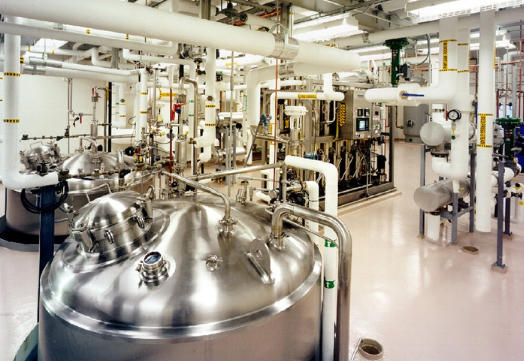
Why South Korea for Pharmaceutical Mixing Tanks?
South Korean Pharmaceutical Mixing Tank Manufacturers And Suppliers combine advanced engineering with strong export orientation, making them attractive partners for pharmaceutical, biotech, and nutraceutical projects worldwide. Their equipment is often integrated into turnkey facility solutions that include cleanrooms, water systems, and sterilization units, which aligns well with global GMP and validation expectations.
Key advantages offered by South Korean Pharmaceutical Mixing Tank Manufacturers And Suppliers include:
- Competitive pricing with fast delivery for custom‑engineered mixing systems.
- Strong expertise in stainless steel 304/316L tanks for aseptic and high‑purity processing.
- Integration of automation, CIP/SIP cleaning, and real‑time monitoring for critical processes.
- Extensive experience serving global pharma, cosmetics, biologics, and chemical clients.
For companies planning new plants or expansions, Korean Pharmaceutical Mixing Tank Manufacturers And Suppliers provide the technical sophistication of mature markets while keeping investment and operating costs under control.
Core Requirements for Pharmaceutical Mixing Tanks
Before selecting Pharmaceutical Mixing Tank Manufacturers And Suppliers in South Korea, buyers should clarify the technical and regulatory expectations for their production lines. Mixing tanks must not only blend liquids efficiently but also maintain sterile boundaries, traceability, and consistency across batches.
Typical specifications for pharma‑grade mixing tanks include:
- Contact material: 316L stainless steel for superior corrosion resistance and hygiene.
- Surface finish: mirror‑polished inner surfaces with low roughness to minimize residue and microbial growth.
- Hygienic design: fully drainable bottom, minimized dead legs, sanitary nozzles, and tri‑clamp connections.
- Cleaning systems: integrated CIP/SIP (clean‑in‑place/sterilize‑in‑place) for automated sanitation.
- Agitation technology: mechanical agitators, high‑shear mixers, or variable‑speed stirrers depending on viscosity and formulation.
- Instrumentation: temperature, level, and pressure sensors, load cells, and sanitary sampling points.
These specifications are important evaluation points when comparing Pharmaceutical Mixing Tank Manufacturers And Suppliers for injectable solutions, oral liquids, syrups, suspensions, and topical formulations. Clearly defining them from the start helps suppliers configure tanks that match process needs and regulatory expectations.
The Rise of South Korea's Pharmaceutical Mixing Equipment Industry
The broader pharmaceutical equipment industry in South Korea has witnessed strong growth over the past two decades. This development has directly driven the capabilities of Pharmaceutical Mixing Tank Manufacturers And Suppliers, who now serve both domestic and international pharmaceutical players.
Major drivers behind this rise include:
- Continuous investment in biopharmaceutical and vaccine manufacturing facilities.
- Rapid adoption of digital control, process analytics, and Industry 4.0 technologies.
- Strong adherence to international GMP standards and increasing participation in global clinical and commercial supply chains.
- Government support programs that encourage R&D, facility modernization, and export expansion.
As a result, Pharmaceutical Mixing Tank Manufacturers And Suppliers in South Korea are increasingly able to deliver highly customized solutions, complete documentation sets, and long‑term technical support that meet the expectations of global regulators and multinational clients.
Leading Pharmaceutical Mixing Tank Manufacturers And Suppliers in South Korea
Although many Korean firms operate across broader pharmaceutical equipment categories, several stand out as key partners for mixing, blending, and associated process systems that interface directly with tanks. Below are representative players that international buyers often consider when sourcing Pharmaceutical Mixing Tank Manufacturers And Suppliers in South Korea.
SK Biotek
SK Biotek, part of SK Group, focuses on custom manufacturing services (CDMO) and high‑quality process equipment for pharmaceutical production. While primarily known for advanced chemical synthesis and API production, the company also supplies reactors, separation units, and purification systems that work closely with mixing tanks along the process chain.
Key strengths related to Pharmaceutical Mixing Tank Manufacturers And Suppliers:
- Deep process engineering know‑how for API and intermediate production.
- Supply of reactors and associated process units that integrate with mixing and holding tanks.
- Extensive collaboration with global pharmaceutical firms, ensuring familiarity with international regulatory requirements.
For complex API processes where mixing tanks must integrate tightly with upstream and downstream unit operations, SK Biotek can act as a strategic process partner rather than only an equipment vendor.
Samsung Biologics
Samsung Biologics is one of the world's largest biopharmaceutical contract manufacturers and a central player in South Korea's biologics ecosystem. The company designs and applies in‑house systems for sterilization, pharmaceutical water preparation, and cleanroom controls, all of which interface with stainless steel and single‑use mixing vessels in biologics production.
Relevance to Pharmaceutical Mixing Tank Manufacturers And Suppliers:
- Development and integration of pharmaceutical‑grade water systems that supply formulation and buffer mixing tanks.
- Implementation of cleanroom, sterilization, and automation platforms around critical process vessels.
- Strong focus on sustainable, energy‑efficient equipment and facility concepts.
While Samsung Biologics may not supply standard catalog mixing tanks, its engineering practices set a benchmark for how tanks should be specified, automated, and validated in modern biologics facilities.
Hankook Cosmetics Machinery Ltd.
Hankook Cosmetics Machinery specializes in filling and sealing machinery for cosmetics and pharmaceutical liquids, making it a natural partner for tank‑to‑filling line integration. Its product range includes vial fillers, ampoule sealing machines, and semi‑automatic liquid packing systems suitable for sterile or controlled environments.
Value for buyers of Pharmaceutical Mixing Tank Manufacturers And Suppliers:
- Experience in sterile and semi‑sterile liquid handling that depends on stable feed from upstream tanks.
- Ability to integrate filling and sealing systems with tank discharge, transfer pumps, and filtration skids.
- Versatile lines that can be adopted by both cosmetics and pharmaceutical manufacturers.
Working with a company like Hankook helps ensure that the design of mixing tanks, outlet valves, and transfer lines supports efficient and contamination‑free filling operations.
Daihan Scientific Co., Ltd.
Daihan Scientific manufactures laboratory and pharmaceutical equipment that supports both research and industrial applications. Its catalog includes autoclaves, sterilizers, incubators, water purification systems, and laboratory‑scale process units that often operate alongside smaller pharmaceutical mixing tanks.
Why Daihan matters among Pharmaceutical Mixing Tank Manufacturers And Suppliers:
- Strong capability in sterilization and incubation equipment that supports hygienic operation of mixing vessels.
- Expertise in distilled and ultrapure water generation for formulation and cleaning processes.
- Export‑oriented business with established distribution and after‑sales networks in many countries.
For laboratories, pilot plants, or early‑stage production, buyers can combine Daihan systems with mixing tanks from dedicated manufacturers to create complete and scalable process cells.
Sungkyung Tech Co., Ltd.
Sungkyung Tech specializes in pure water and pure steam systems for GMP pharmaceutical facilities. Its solutions include pure water generation units, multi‑effect distillation systems, and pure steam generators, all of which are essential utilities for the safe operation of pharmaceutical mixing tanks.
Role in the ecosystem of Pharmaceutical Mixing Tank Manufacturers And Suppliers:
- Design, installation, and maintenance of pure water systems that feed formulation tanks.
- Supply of pure steam generators used for SIP of tanks, piping, and associated valves.
- Turnkey utilities engineering from conceptual design through commissioning, often coordinated with process and mixing equipment.
For buyers who need both utilities and process equipment, Sungkyung Tech can serve as an integrator that works closely with Pharmaceutical Mixing Tank Manufacturers And Suppliers to deliver a complete solution.
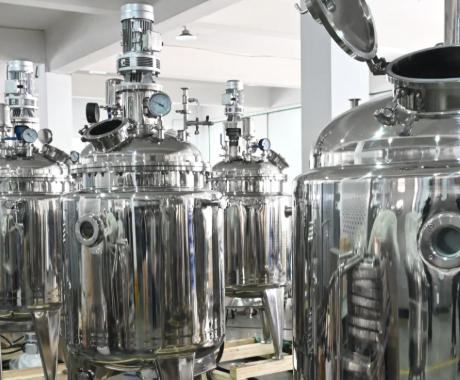
South Korea's Global Competitiveness in Mixing Tank Supply
South Korean firms compete strongly with European and American producers due to their comprehensive production capabilities, rapid delivery schedules, and customer‑focused engineering culture. For Pharmaceutical Mixing Tank Manufacturers And Suppliers, this competitiveness is especially visible in the following aspects:
- Strong balance between high technical performance and competitive pricing.
- Broad experience with export documentation, validation support, and remote commissioning.
- Ability to adapt designs quickly for country‑specific codes, electrical standards, and regulatory expectations.
- Close collaboration with global partners on turnkey project delivery, including cleanrooms, utilities, and secondary packaging.
As more global companies look to diversify supply chains, South Korea's Pharmaceutical Mixing Tank Manufacturers And Suppliers are increasingly considered strategic long‑term partners.
Example Specification for a Pharma‑Grade Mixing Tank
To illustrate how to align expectations with Pharmaceutical Mixing Tank Manufacturers And Suppliers, consider a typical requirement for a liquid oral formulation tank. A clear specification allows Korean suppliers to quote accurately and propose appropriate design options.
A sample specification may include:
- Working volume: 1,000–6,000 L based on batch size and future capacity plans.
- Material construction: 316L stainless steel for product contact, 304 stainless steel for outer cladding.
- Surface finish: internal surfaces polished to a low roughness value to minimize residue and biofilm risk.
- Pressure and temperature ratings: suitable for mild vacuum, nitrogen blanketing, and heating/cooling via jacket.
- Agitation: top‑entry agitator with mechanical seal and variable speed; optional high‑shear mixer for suspensions or emulsions.
- Nozzle arrangement: inlets for raw materials, CIP, sampling, instrumentation, and vents designed to minimize dead zones.
- Cleaning and sterilization: integrated spray balls, automated CIP programs, and compatibility with pure steam sterilization.
Discussing these parameters early with Pharmaceutical Mixing Tank Manufacturers And Suppliers in South Korea helps avoid redesigns, ensures accurate pricing, and simplifies later validation work.
How International Buyers Should Evaluate Korean Suppliers
Selecting the right Pharmaceutical Mixing Tank Manufacturers And Suppliers depends on project size, regulatory target markets, and the level of integration required. A structured evaluation process should combine technical, commercial, and service‑related factors.
Key evaluation dimensions include:
- Regulatory compliance: Availability of documentation to support FDA, EMA, and WHO GMP inspections, including material certificates and weld qualification records.
- Material and fabrication quality: Use of certified stainless steel, orbital welding where appropriate, and validated surface finishes.
- Automation compatibility: Ability to integrate mixers, sensors, and control systems into existing PLC/SCADA architectures.
- After‑sales service: Local partners, remote support capabilities, training packages, and spare‑parts availability.
- Turnkey capability: Whether the supplier can coordinate tanks with pure water systems, CIP/SIP units, sterilizers, and filling lines.
Pharmaceutical Mixing Tank Manufacturers And Suppliers that can offer 3D layout design, piping and instrumentation diagrams (P&IDs), and complete validation packages will significantly reduce engineering overhead for project owners.
Opportunities for Cooperation with Global Engineering Partners
Many global pharmaceutical companies and engineering firms partner with Korean Pharmaceutical Mixing Tank Manufacturers And Suppliers to build or upgrade facilities in Asia, Europe, Africa, and Latin America. Korean firms bring strong mechanical and automation capabilities, while international partners often contribute process know‑how, local regulatory familiarity, and project management expertise.
In practice, cooperation can take several forms:
- Korean suppliers provide core utilities, mixing tanks, and process skids, while foreign partners deliver filling, inspection, or secondary packaging equipment.
- International engineering companies design the overall plant concept and rely on Korean Pharmaceutical Mixing Tank Manufacturers And Suppliers for competitively priced, high‑quality hardware.
- Joint FAT and SAT activities, where Korean and international teams work together to shorten commissioning time and ensure smooth technology transfer.
This cooperative approach allows end‑users to combine the strengths of multiple Pharmaceutical Mixing Tank Manufacturers And Suppliers while maintaining consistent quality and documentation standards.
How Everheal Supports Korean Mixing Tank Projects
As a global equipment and engineering partner based in China, Everheal collaborates with leading Pharmaceutical Mixing Tank Manufacturers And Suppliers around Asia, including South Korea, to deliver customized pharmaceutical plant solutions worldwide. Everheal focuses on integrating mixing tanks into complete production environments that also include utilities, sterilization, and packaging.
Everheal's main product and service scope includes:
- Pure water preparation systems for purified and injection‑grade water.
- Pure steam generators and multi‑effect distillation water machines.
- Liquid filling and sealing machines for vials, bottles, and ampoules.
- Sterilization systems such as autoclaves and terminal sterilizers.
- Factory layout planning, pipeline design, and cleanroom coordination.
By combining these capabilities with equipment from Korean Pharmaceutical Mixing Tank Manufacturers And Suppliers, Everheal helps clients design and implement cost‑effective factory layouts that meet international pharmaceutical standards. This integration ensures that mixing tanks work seamlessly with upstream water preparation and downstream filling, packaging, and sterilization processes.
Future Outlook for Pharmaceutical Mixing Tank Manufacturers And Suppliers in South Korea
South Korea's pharmaceutical equipment market will continue expanding as global demand grows for vaccines, biosimilars, complex injectables, and advanced drug delivery systems. This trend will further enhance the capabilities of Pharmaceutical Mixing Tank Manufacturers And Suppliers throughout the country.
Key future trends include:
- Increased adoption of AI and IoT for real‑time monitoring of mixing parameters, energy consumption, and equipment health.
- Sustainable and energy‑efficient mixing tank design, including optimized jackets and insulation to reduce utility usage.
- Enhanced traceability and data analytics, providing batch‑level insights into mixing performance and cleaning verification.
- Strengthened international partnerships, enabling Korean firms to participate in more greenfield projects and technology transfer initiatives.
With continuous technological innovation and strong governmental backing, South Korea is poised to remain a top destination for Pharmaceutical Mixing Tank Manufacturers And Suppliers seeking global reach and manufacturing excellence.
Conclusion
South Korea has developed a robust ecosystem of Pharmaceutical Mixing Tank Manufacturers And Suppliers that support everything from small laboratory operations to world‑scale biologics facilities. Buyers benefit from advanced stainless steel fabrication, rigorous GMP orientation, and sophisticated automation capabilities that integrate seamlessly with mixing and formulation processes. By carefully evaluating supplier strengths in materials, design, documentation, and after‑sales support, international companies can build reliable, efficient, and compliant production lines using Korean mixing tank solutions, especially when combined with integrated engineering partners such as Everheal.
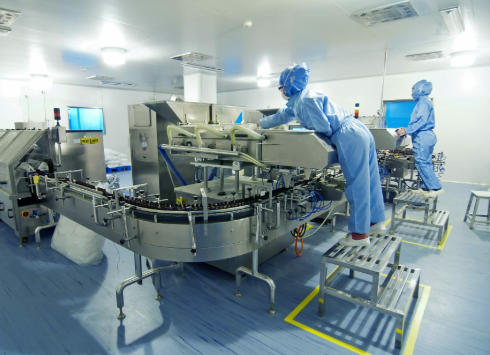
FAQs About Pharmaceutical Mixing Tank Manufacturers And Suppliers in South Korea
1. What standards should pharmaceutical mixing tanks from South Korea comply with?
Pharmaceutical mixing tanks from South Korean Pharmaceutical Mixing Tank Manufacturers And Suppliers should comply with GMP requirements and relevant international standards such as FDA, EU‑GMP, ISO, and CE. Buyers should request material certificates, surface finish reports, and welding documentation to support regulatory inspections and quality audits.
2. Are Korean mixing tanks suitable for injectable and sterile products?
Yes, many Korean Pharmaceutical Mixing Tank Manufacturers And Suppliers can provide or integrate vessels designed for injectable and sterile products when combined with proper CIP/SIP and pure steam systems. For such applications, users should emphasize fully drainable designs, aseptic valves, validated sterilization cycles, and compatibility with high‑purity water and steam.
3. Can I get fully customized mixing tank designs from Korean suppliers?
Most leading Pharmaceutical Mixing Tank Manufacturers And Suppliers in South Korea offer extensive customization of tank volume, agitation type, jacket configuration, nozzle layout, and control interfaces. Sharing detailed process data—such as viscosity, batch size, temperature profile, and cleaning strategy—helps these suppliers design mixing tanks that match each project's exact requirements.
4. How long is the typical lead time for pharmaceutical mixing tanks from South Korea?
Lead times vary with complexity, but export‑oriented Korean Pharmaceutical Mixing Tank Manufacturers And Suppliers generally aim for competitive delivery schedules compared with European and North American vendors. Projects that involve complex automation, high‑polish finishes, and integrated utilities may require additional engineering time, so early engagement and clear specifications are essential.
5. What information should I provide when requesting a quote from Korean suppliers?
When approaching Pharmaceutical Mixing Tank Manufacturers And Suppliers in South Korea, buyers should provide information on the intended product type, batch size, material of construction, pressure and temperature range, mixing method, cleaning approach, and required certifications. Including preliminary layout drawings, utility conditions, and automation standards enables Korean engineers to prepare accurate proposals and integration plans.
Citations:
1. https://www.everhealgroup.com/top-pharmaceutical-equipment-manufacturers-and-suppliers-in-south-korea.html
2. https://www.micetgroup.com/food-grade-stainless-steel-mixing-tanks-safeguarding-beverage-production/


