Content Menu
● Uzbekistan's Growing Demand for Mixing Tanks
● Key Technical Requirements for Pharmaceutical Mixing Tanks
>> Core design and construction features
>> Agitation and process performance
>> Compliance and validation
● Local Suppliers in Uzbekistan
>> Local fabricators and their capabilities
● Global Pharmaceutical Mixing Tank Manufacturers Serving Uzbekistan
>> International specialists in pharma tanks
>> Role of integrated process solution providers
● Everheal: Chinese Partner for Uzbekistan's Pharmaceutical Plants
>> Comprehensive product portfolio for liquid lines
>> Engineering and layout planning
>> Utilities that support sterile mixing
● How to Select the Right Pharmaceutical Mixing Tank Partner in Uzbekistan
>> 1. Clarify process and product requirements
>> 2. Check design standards and documentation
>> 3. Evaluate after‑sales support
>> 4. Compare total cost of ownership
● Example Project Pathway for an Uzbek Pharmaceutical Plant
● Comparison of Supplier Options for Uzbekistan
● Conclusion
● FAQ
>> 1. What should I look for in Pharmaceutical Mixing Tank Manufacturers And Suppliers for a project in Uzbekistan?
>> 2. Can local Uzbek suppliers replace international Pharmaceutical Mixing Tank Manufacturers And Suppliers?
>> 3. How does Everheal work with Pharmaceutical Mixing Tank Manufacturers And Suppliers in real projects?
>> 4. Why is pure steam important for pharmaceutical mixing tanks?
>> 5. How can Pharmaceutical Mixing Tank Manufacturers And Suppliers help reduce operating costs?
● Citations:
Top Pharmaceutical Mixing Tank Manufacturers And Suppliers in Uzbekistan play a key role in supporting the country's fast‑developing healthcare, biotech, and generic drug sectors. For buyers in Uzbekistan and global procurement teams, understanding who the leading Pharmaceutical Mixing Tank Manufacturers And Suppliers are—and how international partners like Everheal fit in—is essential for building compliant, efficient liquid production lines.
Uzbekistan's Growing Demand for Mixing Tanks
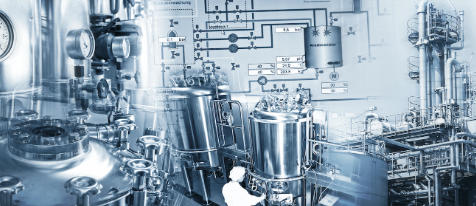
Uzbekistan has been investing in local pharmaceutical manufacturing, hospital infrastructure, and import substitution strategies, which significantly increases demand for stainless steel reactors, storage vessels, and sanitary mixing tanks. As the government encourages domestic production of essential medicines, more projects require modern, automated equipment that can withstand regulatory inspections and international audits.
Local pharmaceutical producers need mixing systems for syrups, oral liquids, injections, disinfectants, creams, and intermediates, all of which must be processed in validated vessels under strict hygiene control. This demand covers everything from small pilot‑scale vessels for R&D to large production tanks that support continuous or large‑batch manufacturing.
As a result, Pharmaceutical Mixing Tank Manufacturers And Suppliers that can meet cGMP, WHO, GMP‑EU, and other global quality expectations are gaining long‑term opportunities with both local and foreign‑funded plants in Uzbekistan. For these manufacturers, the country offers a strategic gateway to Central Asia, with projects that often combine local distribution with export ambitions.
Key Technical Requirements for Pharmaceutical Mixing Tanks
When evaluating Pharmaceutical Mixing Tank Manufacturers And Suppliers in Uzbekistan and abroad, technical capability and regulatory compliance are more important than low price alone. A well‑designed pharmaceutical mixing tank directly affects batch homogeneity, microbial risk, cleaning efficiency, and long‑term operating cost, so careful specification and vendor selection are critical.
Core design and construction features
Pharmaceutical mixing tanks are typically built in stainless steel grades such as SS304 and SS316L to resist corrosion and support hygienic finishes suitable for contact with medicines and high‑purity solutions. SS316L is especially favored in high‑chloride or high‑purity environments because of its improved corrosion resistance and durability.
Inner surfaces require smooth polishing, often mirror or electropolished, to minimize product adhesion and biofilm formation, which simplifies cleaning and reduces contamination risk. Pharmaceutical Mixing Tank Manufacturers And Suppliers usually specify surface roughness values (such as Ra ≤ 0.4 µm) to align with aseptic design guidelines.
Tank sizing must match batch volume with enough freeboard to avoid vortex formation, splashing, or excessive foaming, especially in products containing surfactants. Many Pharmaceutical Mixing Tank Manufacturers And Suppliers follow established volume‑to‑diameter ratios and height‑to‑diameter relationships to ensure proper mixing and energy efficiency.
Jacketed designs are often required for heating or cooling, using thermal fluids, steam, or chilled water to maintain strict temperature control during reactions, dissolutions, or emulsification. For some products, insulation and cladding around the tank are essential to stabilize temperature and prevent condensation on outer surfaces.
Agitation and process performance
Pharmaceutical mixing equipment ranges from simple top‑entry agitators for low‑viscosity solutions to multi‑stage or multi‑impeller mixers designed for emulsions, suspensions, and viscous products like syrups and gels. The choice of motor power, speed control, and impeller geometry has a direct impact on mixing time and product quality.
The choice of impeller type—propeller, turbine, anchor, paddle, or high‑shear head—and its placement in the tank determines mixing time, shear rate, and suspension quality. For example, high‑shear mixers are used to disperse powders quickly, while anchor agitators are better for viscous creams and ointments.
Baffles are often installed inside the vessel to break rotation and create better axial and radial flow, improving the performance of many impeller designs. Pharmaceutical Mixing Tank Manufacturers And Suppliers must balance baffle design with cleanability, avoiding dead zones where product could accumulate.
For injectable products and critical solutions, aseptic mixing vessels are often required, with sealed drives, sanitary mechanical seals, steam‑sterilizable components, and crevice‑free internals to support sterilization. Magnetically coupled mixers or bottom‑mounted, seal‑less agitators are used in many aseptic applications to reduce leak risk and simplify sterilization.
Compliance and validation
Leading Pharmaceutical Mixing Tank Manufacturers And Suppliers design equipment to respect cGMP, USFDA, WHO, and local regulatory requirements for pharmaceutical production. This includes careful selection of materials, weld procedures, passivation, and surface finishing processes to support validated cleaning and sterilization.
High‑end tanks may follow ASME, PED, or BPE‑related standards, ensuring documented material traceability, weld quality, and pressure rating where necessary. Documentation typically includes 3.1 material certificates, welding procedure specifications, welder qualifications, and pressure‑test reports.
Validation documentation—such as DQ (Design Qualification), IQ (Installation Qualification), OQ (Operational Qualification), and support for PQ (Performance Qualification)—is a critical deliverable from professional Pharmaceutical Mixing Tank Manufacturers And Suppliers, especially for international customers. Many vendors also facilitate factory acceptance tests (FAT) and site acceptance tests (SAT) to verify performance before and after shipment.
Automation systems, including PLCs, HMIs, sensors, and data recording, must also support compliance with data‑integrity guidelines. Pharmaceutical Mixing Tank Manufacturers And Suppliers increasingly offer integrated control panels, recipe management, and batch reporting to help customers maintain a compliant environment.
Local Suppliers in Uzbekistan
Although the Uzbek market is smaller than that of regional hubs like India or China, there are emerging local fabricators and distributors able to supply mixing tanks and related vessels. These local companies often serve multiple sectors, such as food, beverages, chemicals, and sometimes cosmetics, and are gradually adapting their designs to meet pharma requirements.
For pharma buyers, these local firms can be valuable partners for basic storage and process tanks, especially where extremely complex aseptic requirements are not yet mandatory. Local production also offers advantages in terms of faster lead times, lower transportation costs, and easier site coordination compared with importing all vessels.
Local fabricators and their capabilities
Some Uzbek manufacturers focus on food and chemical reactors and mixing tanks, with sizes ranging from tens of liters up to tens of cubic meters. They typically provide vertical or horizontal tanks with simple agitators or without agitation, depending on the application.
While primarily focused on food and chemical industries, such manufacturers can often adapt their tanks for pharmaceutical utility systems or non‑critical solutions when combined with proper finishing and documentation. With guidance from engineering consultants, they can upgrade material selection, surface finishing, and nozzle configuration to better align with pharma expectations.
However, for fully regulated sterile production, Uzbek pharmaceutical companies usually complement local vessels with imported systems from specialized Pharmaceutical Mixing Tank Manufacturers And Suppliers that focus on high‑purity design. This hybrid approach allows investors to control cost while still meeting strict quality demands in critical process steps.
Global Pharmaceutical Mixing Tank Manufacturers Serving Uzbekistan
Because Uzbekistan's domestic supply base is still developing, most advanced cGMP projects source equipment from international Pharmaceutical Mixing Tank Manufacturers And Suppliers. These global suppliers have decades of experience in regulated markets and can provide detailed engineering support, documentation, and references from similar projects.
These international suppliers deliver proven designs for mixing vessels, reactors, buffer tanks, and formulation tanks used in vaccines, biotech processes, sterile injections, ophthalmic products, and other dosage forms. They also supply specialized components such as magnetic mixers, bottom‑mounted agitators, and high‑shear dispersers tailored for pharmaceutical environments.
International specialists in pharma tanks
Several European and global companies design stainless steel mixing vessels and pharmaceutical tanks with integrated controls, sanitary design, and custom agitation technology. Their systems frequently cover the full capacity range from small laboratory tanks up to large production reactors of tens of thousands of liters.
Turnkey mixing platforms can include formulation tanks, melters, buffer vessels, and storage tanks combined into automated production units. Such platforms often connect directly to filtration, homogenization, and filling equipment, forming a continuous or semi‑continuous production line.
International Pharmaceutical Mixing Tank Manufacturers And Suppliers often provide remote commissioning support, training, and lifecycle service, which reduces risk for investment projects in Uzbekistan. This can include remote access to control systems, online troubleshooting, and periodic site visits for maintenance or calibration.
Role of integrated process solution providers
Some vendors position themselves not only as Pharmaceutical Mixing Tank Manufacturers And Suppliers but also as complete process partners, integrating tanks with dosing, filtration, homogenization, CIP/SIP, and sterilization systems. This is particularly attractive to investors who prefer a single, accountable partner for the entire liquid‑processing chain.
These providers help Uzbek plants move from manual, small‑batch operations to automated, scalable production lines that can satisfy export‑market audits. They can also standardize equipment types, spare parts, and control philosophies across multiple lines or facilities, which simplifies training and maintenance.
For investors, partnering with such solution‑oriented Pharmaceutical Mixing Tank Manufacturers And Suppliers shortens project lead time and improves long‑term reliability. It also reduces coordination issues between unrelated suppliers, as one partner takes overall responsibility for line performance and integration.
Everheal: Chinese Partner for Uzbekistan's Pharmaceutical Plants
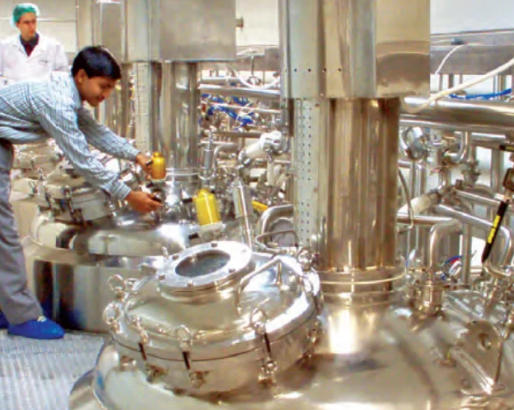
Everheal is a China‑based manufacturer specializing in production equipment for the pharmaceutical and food industries, with capabilities spanning research and development, design, and manufacturing. The company serves global markets and can support both new factory builds and expansion projects in established plants.
Everheal is well positioned to support Uzbek buyers seeking a mix of high‑purity utilities and pharmaceutical mixing systems under a single project. By combining equipment supply with process engineering and layout design, Everheal helps customers create coherent, validated production flows.
Comprehensive product portfolio for liquid lines
Everheal supplies pure water preparation systems, pure steam generators, multi‑effect distillation water machines, liquid filling and sealing machines, and sterilization systems that form the backbone of aseptic production lines. These systems are designed to work together, ensuring that utilities, process vessels, and packaging equipment share compatible specifications.
By combining utility generation—such as purified water and water for injection—with downstream liquid handling, Everheal can design complete, validated process flows for injectable and non‑injectable dosage forms. This capability reduces the burden on the customer to coordinate multiple vendors.
This integrated approach complements the role of specialized Pharmaceutical Mixing Tank Manufacturers And Suppliers by ensuring that upstream utilities and downstream filling are fully harmonized with the mixing section. In many projects, Everheal cooperates with dedicated vessel manufacturers or supplies its own tanks, depending on customer requirements.
Engineering and layout planning
Everheal supports international clients with customized factory layout planning and production line construction services tailored to product mix, capacity, and regulatory expectations. This includes 2D and 3D layout proposals, pipeline routing concepts, and space planning for cleanrooms and technical areas.
The company's manufacturing base operates under strict quality management, with qualified welding, surface treatment processes, and material traceability, allowing it to deliver high‑purity equipment suitable for regulated markets. Customers receive mechanical documentation, test reports, and relevant certificates to support qualification.
For Uzbek plants, this means that process vessels, utility systems, and automation concepts can be engineered as an integrated package rather than purchased as isolated items from unrelated Pharmaceutical Mixing Tank Manufacturers And Suppliers. In practice, this reduces design conflicts and speeds up installation and commissioning.
Utilities that support sterile mixing
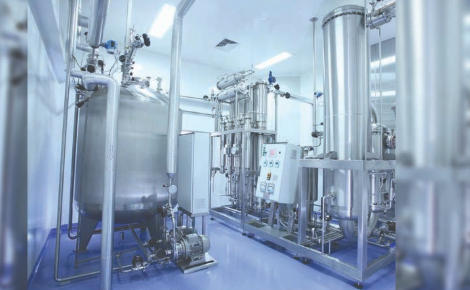
Everheal's pure steam generators are designed to provide dry, saturated pharmaceutical‑grade steam suitable for sterilizing pipelines, valves, tank internals, and distribution loops. When combined with appropriate piping design and condensate management, pure steam becomes a powerful tool for maintaining aseptic conditions.
These systems can be configured to generate both water for injection and pure steam, optimizing space and investment while maintaining strict purity monitoring through parameters such as temperature, pressure, flow, conductivity, and total organic carbon. Automated control systems help ensure consistent quality and traceable operation.
When combined with high‑quality mixing vessels supplied either by Everheal or partner Pharmaceutical Mixing Tank Manufacturers And Suppliers, Uzbek factories can establish robust, compliant sterile environments. This synergy between mixing technology and high‑purity utilities is at the heart of every modern aseptic facility.
How to Select the Right Pharmaceutical Mixing Tank Partner in Uzbekistan
Choosing between local and international Pharmaceutical Mixing Tank Manufacturers And Suppliers requires a structured evaluation process that balances cost, compliance, and lifecycle value. A clear strategy at the early project stage can prevent costly redesigns and delays later.
The following points provide a practical framework for project teams and procurement specialists who need to build or upgrade pharmaceutical liquid‑processing facilities in Uzbekistan.
1. Clarify process and product requirements
Start by defining target dosage forms—such as syrups, suspensions, injections, vaccines, and disinfectants—and their viscosity, shear sensitivity, and temperature constraints. Technical teams should translate product and process requirements into clear equipment specifications.
Identify whether processes require aseptic design, vacuum capability, pressure resistance, nitrogen blanketing, or integration with heating and cooling utilities. These needs determine tank design details such as wall thickness, jacket configuration, and type of agitation.
Determine the required automation level: manual systems for smaller batches, semi‑automatic for medium‑scale production, or fully automatic lines with recipe controls, alarms, and data recording for larger plants. This decision significantly influences the type of Pharmaceutical Mixing Tank Manufacturers And Suppliers you should engage with.
2. Check design standards and documentation
Ensure shortlisted Pharmaceutical Mixing Tank Manufacturers And Suppliers can provide material certificates, weld logs, pressure tests where applicable, and surface roughness data. Ask to see example documentation from previous projects to judge their completeness and clarity.
For regulated facilities, request compliance with WHO, EU, or USFDA expectations, along with validation support and FAT/SAT procedures. Suppliers that already have experience with multinational pharma companies typically understand these expectations in detail.
Ask for typical drawings, P&IDs, and previous project references to verify that the supplier has handled similar scale and complexity. This includes not only tank design but also nozzles, manways, instrumentation ports, and CIP/SIP connections.
3. Evaluate after‑sales support
Service capability in Central Asia or remote support options greatly influence the long‑term performance of equipment supplied by Pharmaceutical Mixing Tank Manufacturers And Suppliers. Fast response to technical questions or issues can minimize downtime.
Check availability of spare parts, consumables, and maintenance training. Some suppliers offer structured service contracts, periodic inspections, and performance audits, which can be especially valuable for plants in Uzbekistan that are still building in‑house technical expertise.
For turnkey projects, consider partners like Everheal that can coordinate service across water systems, pure steam generators, mixing tanks, and filling or sterilization lines. This single‑source approach simplifies communication and accountability when problems arise.
4. Compare total cost of ownership
Lowest purchase price from Pharmaceutical Mixing Tank Manufacturers And Suppliers may lead to higher operating cost if energy use, cleaning time, or downtime are not optimized. It is therefore essential to evaluate lifetime cost rather than focusing only on initial investment.
Efficient agitation systems, proper tank insulation, and well‑designed CIP/SIP connections can significantly reduce utility consumption and cleaning agent usage over the project lifetime. Thoughtful design also minimizes manual intervention, which reduces labor cost and human error.
For emerging markets like Uzbekistan, this long‑term economic view is particularly important as production volumes increase and quality requirements tighten. Plants that invest in higher‑quality equipment early are better positioned to add new products, win export approvals, and pass demanding audits later.
Example Project Pathway for an Uzbek Pharmaceutical Plant
To illustrate how Pharmaceutical Mixing Tank Manufacturers And Suppliers and integrated solution providers can work together, consider a hypothetical new oral liquid plant in Tashkent. The investor aims to produce syrups and oral suspensions for the domestic and regional market while preparing for potential export in the future.
The project team first defines capacities and product types, then issues a User Requirement Specification (URS) covering mixing tanks, pure water systems, pure steam, and filling lines. This URS becomes the basis for technical and commercial discussions with equipment vendors.
Local fabricators may supply non‑critical storage tanks, such as bulk raw‑material vessels or utility tanks, while specialized Pharmaceutical Mixing Tank Manufacturers And Suppliers provide cGMP‑grade mixing vessels for active formulations. This combination keeps costs under control without compromising critical product quality.
A partner like Everheal designs the purified water plant, pure steam generator, distillation units, and sterilization equipment, and helps integrate these with the selected mixing tanks and filling machines. The result is a coherent set of systems designed to work as a unified production line.
During implementation, the suppliers cooperate on piping design, layout adjustments, automation interfaces, and validation activities. Once the line is installed, the plant conducts IQ/OQ testing, followed by trial batches and performance qualification to confirm that process consistency and quality targets are achieved.
Comparison of Supplier Options for Uzbekistan
| Supplier type | Typical scope | Strengths | Limitations |
| Local Uzbek tank fabricators | Food/chemical reactors and mixing tanks, mainly for general industry. | Fast delivery, local support, lower basic cost. | Limited pharma‑specific documentation and aseptic design experience compared with specialized Pharmaceutical Mixing Tank Manufacturers And Suppliers. |
| Global pharma tank specialists | Custom pharmaceutical mixing vessels, aseptic tanks, reactors, cGMP design. | Deep regulatory experience, high‑purity finishes, strong validation support, recognized references. | Higher initial cost, may require international service arrangements and longer delivery time. |
| Integrated solution providers (e.g., Everheal) | Pure water systems, pure steam generators, distillation units, filling/sterilization, plus coordinated process engineering. | End‑to‑end line design, single responsibility for utilities and process integration, good fit for new plants in Uzbekistan partnering with Pharmaceutical Mixing Tank Manufacturers And Suppliers. | May still rely on partner manufacturers for some specialized mixing vessels; project planning and communication must be well managed. |
Conclusion
For investors and manufacturers in Uzbekistan, the choice of Pharmaceutical Mixing Tank Manufacturers And Suppliers directly influences product quality, regulatory readiness, and long‑term competitiveness. The country's growing pharmaceutical and healthcare sectors create strong demand for high‑quality mixing tanks, reactors, and sanitary vessels capable of meeting global standards.
Local tank fabricators can cover basic vessel needs and support quick, cost‑effective installations, while global pharma specialists and integrated solution providers like Everheal offer advanced, validated systems that support high‑purity production lines. By combining local advantages with international expertise, Uzbek plants can build flexible, future‑proof facilities.
By carefully assessing technical requirements, compliance expectations, support capability, and total cost of ownership, Uzbek pharmaceutical companies can build robust, efficient facilities that meet both current and future market demands. Strategic partnerships with capable Pharmaceutical Mixing Tank Manufacturers And Suppliers and integrated engineering firms will be a key success factor in this development.
FAQ
1. What should I look for in Pharmaceutical Mixing Tank Manufacturers And Suppliers for a project in Uzbekistan?
You should prioritize Pharmaceutical Mixing Tank Manufacturers And Suppliers that understand pharmaceutical cGMP requirements, can document material and welding quality, and provide sanitary design with appropriate surface finishes. They should offer clear, complete documentation packages and have references from similar projects.
It is also important that Pharmaceutical Mixing Tank Manufacturers And Suppliers offer validation support, after‑sales service, and spare‑parts availability suited to Central Asia. Remote support capability, training options, and clear communication channels are additional advantages.
2. Can local Uzbek suppliers replace international Pharmaceutical Mixing Tank Manufacturers And Suppliers?
Local suppliers such as general mixing‑tank fabricators in Uzbekistan can provide cost‑effective reactors and vessels for non‑critical applications, such as storage tanks or simple blending tasks. Their proximity can be an advantage for short lead times and quick on‑site adjustments.
However, for sterile or highly regulated products, most plants still rely on international Pharmaceutical Mixing Tank Manufacturers And Suppliers with proven aseptic design and compliance experience. A hybrid approach—using local suppliers for basic vessels and international partners for critical equipment—is often the most efficient strategy.
3. How does Everheal work with Pharmaceutical Mixing Tank Manufacturers And Suppliers in real projects?
Everheal focuses on high‑purity utilities and production‑line design, supplying systems such as pure water units, pure steam generators, distillation equipment, liquid filling machines, and sterilization solutions. In many projects, Everheal also participates in layout planning and process integration.
In practical terms, Everheal integrates its equipment with vessels from specialist Pharmaceutical Mixing Tank Manufacturers And Suppliers to deliver a complete, validated process flow. This collaboration allows customers in Uzbekistan and other markets to receive a coordinated package instead of a collection of isolated machines.
4. Why is pure steam important for pharmaceutical mixing tanks?
Pure steam is essential because it is used to sterilize pipelines, valves, sample points, filters, and tank internals, helping pharmaceutical mixing systems remain free from microbes and pyrogens. It is particularly important in injectable and high‑risk applications where sterilization is a regulatory requirement.
Equipment such as pure steam generators provides high‑purity steam with controlled quality, which complements the hygienic design offered by professional Pharmaceutical Mixing Tank Manufacturers And Suppliers. Together, pure steam systems and aseptic mixing vessels create a reliable sterile environment for production.
5. How can Pharmaceutical Mixing Tank Manufacturers And Suppliers help reduce operating costs?
Well‑engineered pharmaceutical mixing tanks can lower energy use through efficient agitation, optimized tank geometry, and proper insulation. This leads to shorter mixing times, less power consumption, and more stable temperatures.
In addition, Pharmaceutical Mixing Tank Manufacturers And Suppliers that design for easy CIP/SIP access and fast cleaning cycles help reduce downtime, water consumption, and cleaning‑agent usage over the life of the plant. Over many years of operation, these savings often exceed the initial price difference between basic and advanced equipment.
Citations:
1. https://bizkim.uz/en/catalog/reaktori/7-food-and-chemical-reactors-and-mixing-tanks-from-50-l-to-100-m3
2. https://making.com/products/pharmaceuticals/mixing
3. https://www.pharmaceutical-tech.com/products/aryan-engineers/aseptic-mixing-vessel
4. https://www.vmimixing.com/equipment/industrial-production-units/
5. https://ergil.com/process-vessels/mixing-vessel/
6. https://www.everhealgroup.com/pure-steam-generator-manufacturer.html
7. https://www.everhealgroup.com/pure-steam-generator.html
8. https://www.linkedin.com/company/everheal-medical
9. https://en.paulmueller.com/pharmaceutical-manufacturing-equipment/tanks
10. https://watertreatment.en.made-in-china.com/product/pdYtkcDTEFWw/China-Pharmaceutical-Equipment-Water-Filter-System-Pure-Steam-Generator.html


