Content Menu
● Why Vial Filling Machines Matter In Algeria's Pharma Market
● How This Customer‑Oriented Ranking Was Built
>> Methodology And Information Basis
● What Algerian Pharma Buyers Really Care About
>> Core Decision Factors For Vial Filling Investments
>> Typical Pain Points In Algerian Projects
● Key Evaluation Dimensions Based On User Experience
>> 1. Installation, Commissioning, And Validation Support
>> 2. Daily Operation, Usability, And Cleaning
>> 3. Reliability, Downtime, And Maintenance
>> 4. Product Quality, Accuracy, And Compliance Performance
>> 5. Total Cost Of Ownership (TCO)
● Customer‑Oriented View Of Vial Filling Machine Manufacturers And Suppliers In Algeria
>> Ningbo Everheal Medical Equipment Co., Ltd. – Turnkey Partner For Customized Pharma Filling Lines
>> Global Aseptic Filling OEMs (Such As Rommelag And Other European Specialists)
>> Regional And Algerian Filling And Packaging Equipment Providers
>> Project‑Focused Engineering Companies With Algerian References
● Side‑By‑Side View: What Different Supplier Types Offer
● Practical Step‑By‑Step Framework For Choosing A Vial Filling Partner
● Layout And Utilities: Hidden Drivers Of Project Success
● Emerging Trends Shaping Vial Filling In Algeria And The Maghreb
● How Ningbo Everheal Supports Algerian‑Style Projects
● Action Checklist For Algerian Pharmaceutical Buyers
● FAQs About Vial Filling Machine Manufacturers And Suppliers In Algeria
>> 1. Do Algerian pharma plants need European or Chinese vial filling machines?
>> 2. How important is local after‑sales support compared with the machine brand?
>> 3. Can a single supplier deliver the entire injectable plant?
>> 4. What standards should vial filling machines meet for Algerian exports?
>> 5. When should a plant upgrade from semi‑automatic to fully automatic vial filling?
● References
Algeria's pharmaceutical sector is growing fast, and choosing the right vial filling machine supplier can determine whether a project runs smoothly or faces recurring downtime, compliance issues, and hidden costs. This guide combines real‑world project insights, current industry practices, and a customer‑driven view of vial filling machine manufacturers and suppliers in Algeria to help you make safer, more profitable decisions. [maryatech]
Why Vial Filling Machines Matter In Algeria's Pharma Market
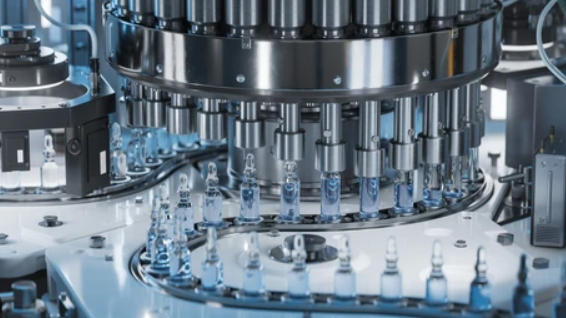
Algeria is investing heavily in local production of injectables, vaccines, and liquid dosage forms to reduce import dependence and support regional exports. In this context, pharmaceutical filling equipment is no longer just a piece of hardware; it is a strategic asset that affects GMP compliance, batch release timelines, and long‑term total cost of ownership. Buyers must evaluate not only technical specifications but also validation support, local service, and integration with utilities such as purified water and clean steam. [pharmacy-machines]
How This Customer‑Oriented Ranking Was Built
To make this guide practical for decision‑makers, the ranking is anchored in actual customer needs and project experience rather than generic marketing claims. It reflects typical requirements of Algerian and Maghreb‑region pharma plants building or upgrading liquid dosage and injectable lines. [everhealgroup]
Methodology And Information Basis
The analysis considers the following aspects wherever information is available:
- Documented projects in Algeria or nearby markets involving bottle or vial filling lines. [maryatech]
- Public information on product ranges, aseptic capabilities, and project roles from recognized pharma equipment manufacturers. [cdafrance]
- Turnkey and utilities integration expertise that is directly relevant to sterile manufacturing lines. [everhealgroup]
Supplier positioning is described along five consistent dimensions: compliance capability, reliability, service and support, flexibility, and total cost of ownership. [rommelag]
What Algerian Pharma Buyers Really Care About
Algerian injectable and oral liquid plants often operate under strict budget constraints while facing increasingly demanding regulatory expectations. Conversations around past projects reveal a clear set of recurring priorities. [pharmacy-machines]
Core Decision Factors For Vial Filling Investments
- Regulatory and quality requirements: Ability to support EU‑GMP, WHO GMP, and national requirements for injectables and liquid medicines. [cdafrance]
- Throughput and room to grow: Capability to handle current capacity while allowing future expansion for export or new product launches. [rommelag]
- Dependable support: Access to responsive technical service and spare parts that can keep lines running reliably. [dz.nkmachinery]
Typical Pain Points In Algerian Projects
- Extended lead times for format parts and key spares when suppliers lack a North African support structure. [vistapackagingmachines]
- Insufficient training of local teams, resulting in improper setup, unnecessary downtime, and higher rejection rates.
- Weak early‑stage layout and utilities design, which later limits line expansion and complicates media fills and validation runs. [everhealgroup]
Key Evaluation Dimensions Based On User Experience
1. Installation, Commissioning, And Validation Support
For Algerian plants, the speed and quality of ramp‑up is as important as the nominal machine speed. Strong suppliers typically offer: [maryatech]
- On‑site installation and SAT support by experienced engineers familiar with sterile production.
- Assistance with IQ/OQ/PQ protocols, FAT/SAT documentation, and risk‑based qualification packages. [everhealgroup]
- Advice on clean utilities (purified water, WFI, clean steam) and links with environmental monitoring and HVAC systems. [everhealgroup]
2. Daily Operation, Usability, And Cleaning
Operational teams favor vial filling machines with intuitive HMIs, recipe‑based operation, and quick format changeover between vial sizes or products. For injectables, CIP/SIP, reduced dead legs in product path design, and clearly defined cleaning procedures are essential to minimize contamination risk and downtime. Clear documentation and multi‑language interfaces support faster training and more stable performance for Algerian operators. [cdafrance]
3. Reliability, Downtime, And Maintenance
In emerging markets, mechanical robustness and maintainability often carry more weight than sophisticated optional features. Users report better long‑term outcomes when: [vistapackagingmachines]
- The supplier or its partner maintains a spare‑parts stock within the region or offers short shipment lead times. [dz.nkmachinery]
- Preventive maintenance strategies and remote diagnostic capabilities are defined from the beginning. [dz.nkmachinery]
- The design uses widely available components, reducing dependence on specialized items that are difficult to source locally.
4. Product Quality, Accuracy, And Compliance Performance
Real‑world success is reflected in filling accuracy, particulate levels, and reject rates during validation and commercial batches. Reputable suppliers design filling systems to meet pharmacopeial requirements and support robust in‑process control, such as automatic check‑weighing and integrated rejection of non‑conforming units. Reliable performance during inspections and audits is a decisive benefit for Algerian plants aiming at long‑term contracts. [rommelag]
5. Total Cost Of Ownership (TCO)
Initial price is only a visible portion of the 5–10 year lifecycle cost of a vial filling line. Buyers should evaluate: [everhealgroup]
- Utility consumption, especially energy and compressed air.
- Frequency and cost of format changes and critical spare parts over time.
- The financial impact of potential downtime on supply obligations and contractual penalties.
Customer‑Oriented View Of Vial Filling Machine Manufacturers And Suppliers In Algeria
The following sections describe how different categories of suppliers contribute to vial filling machine and related equipment solutions for Algerian pharmaceutical buyers. [maryatech]
Ningbo Everheal Medical Equipment Co., Ltd. – Turnkey Partner For Customized Pharma Filling Lines
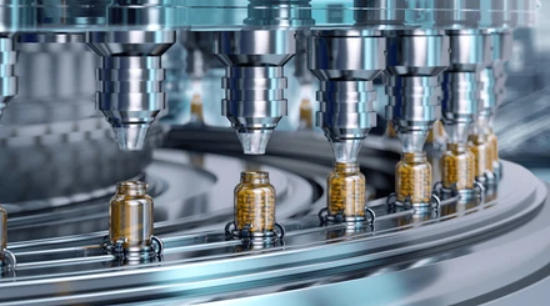
Ningbo Everheal Medical Equipment Co., Ltd. (EVERHEAL) is a Chinese manufacturer focusing on pharmaceutical filling equipment and integrated production lines, with experience serving international clients across different regions. EVERHEAL provides vial, bottle, and IV solution filling systems, as well as pharmaceutical water treatment and clean utilities, which allows buyers to design entire sterile factories through a single partner. [everhealgroup]
From a buyer's perspective, EVERHEAL offers several advantages:
- Integrated engineering capability: Coordination of plant layout, cleanrooms, filling lines, and water systems from one design team. [everhealgroup]
- Project‑specific customization: Tailoring materials, automation levels, and documentation packages to local standards and project budgets. [everhealgroup]
- Support across the lifecycle: Technical guidance from concept design and URS review through installation, validation, and operator training, which is particularly valuable for first‑time injectable projects. [everhealgroup]
For Algerian buyers planning greenfield injectable plants or major expansions, this integrated model can reduce coordination risk, simplify communication, and align equipment and utilities design with regulatory expectations. [everhealgroup]
Global Aseptic Filling OEMs (Such As Rommelag And Other European Specialists)
Global OEMs like Rommelag and other European manufacturers are recognized for advanced aseptic filling technologies, including blow‑fill‑seal (BFS) systems and high‑speed vial solutions. Their strengths typically include: [rommelag]
- Proven designs compliant with stringent regulatory frameworks and comprehensive validation documentation. [rommelag]
- High‑speed, high‑precision systems capable of handling demanding injectable products and complex formulations. [rommelag]
For Algerian projects targeting export markets, high‑potency products, or complex biologics, these OEMs can provide core aseptic filling technology, often integrated by engineering partners or combined with complementary equipment from other suppliers. [cdafrance]
Regional And Algerian Filling And Packaging Equipment Providers
Regional suppliers of filling, capping, and packaging equipment in Algeria and the wider Maghreb often serve food, beverage, and some pharmaceutical applications. They tend to provide: [machinesequipments]
- Local presence with technicians capable of quick on‑site intervention and support. [vistapackagingmachines]
- Competitive pricing, particularly for semi‑automatic or general‑purpose filling machines suitable for non‑sterile or low‑risk products. [machinesequipments]
These suppliers can play a valuable role in non‑aseptic processes, secondary packaging, or simpler liquid lines and may complement specialized pharma OEMs in mixed‑technology projects.
Project‑Focused Engineering Companies With Algerian References
Engineering firms that specialize in pharmaceutical projects have documented dosage liquid production and bottle filling projects in Algeria. Their contribution often includes: [pharmacy-machines]
- Project management, layout optimization, and integration of multiple pieces of equipment into a cohesive line. [pharmacy-machines]
- Coordination between international OEMs, local builders, and the plant's own teams to align design with local utilities and building constraints. [maryatech]
For buyers without strong internal engineering teams, working with such firms can reduce risk in multi‑supplier projects and help ensure that filling technology, utilities, and building design operate together effectively.
Side‑By‑Side View: What Different Supplier Types Offer
| Supplier type | Main strengths from a buyer's view | Typical use cases in Algeria |
| EVERHEAL (China turnkey specialist) | Integrated pharma lines, plant layout, water systems, strong cost–value | New injectable plants, full‑line modernization |
| Global aseptic OEMs (e.g., Rommelag) | High‑end aseptic technology, BFS, advanced regulatory alignment | Export‑oriented, high‑complexity or high‑potency use |
| Regional Algerian/Maghreb suppliers | Local service, quick response, accessible pricing | Non‑aseptic lines, secondary packaging, simpler uses |
| Engineering/project‑oriented firms | Integration, layout design, project coordination | Multi‑OEM projects, large greenfield facilities |
This structure allows B2B buyers to quickly identify which supplier profile best fits their plant's current and future needs.
Practical Step‑By‑Step Framework For Choosing A Vial Filling Partner
To help Algerian pharmaceutical decision‑makers move from research to action, the following seven‑step framework can be used internally when comparing suppliers:
1. Define product and regulatory profile
Clarify dosage forms, number of SKUs, batch sizes, and target markets (domestic only or including export markets with stricter requirements).
2. Quantify capacity and growth scenarios
Establish required vials per hour, annual production, and realistic growth projections over the next five to ten years.
3. Assess internal engineering and validation resources
Decide whether you need an integrated partner like EVERHEAL, or whether your team can manage separate OEMs and only require core filling equipment. [everhealgroup]
4. Shortlist suppliers by relevant references
Focus on companies with experience in similar regions and regulatory conditions, particularly in North Africa, the Middle East, or comparable markets. [pharmacy-machines]
5. Request proposals aligned with a detailed URS
Ask for offers that include layout drawings, utilities consumption, validation deliverables, training plans, and spare‑parts strategies. [everhealgroup]
6. Evaluate lifecycle value, not just purchase price
Compare expected maintenance costs, energy and utilities usage, format part pricing, and potential downtime impact.
7. Validate claims through references and site visits
Speak directly with existing customers using similar equipment and, when possible, visit reference plants or arrange remote walk‑throughs. [maryatech]
Layout And Utilities: Hidden Drivers Of Project Success
Many online rankings overlook plant layout and utilities integration, even though these aspects frequently decide whether a filling project remains stable over time. [everhealgroup]
Suppliers such as EVERHEAL attach strong importance to:
- Early conceptual design that ensures unidirectional material and personnel flows, appropriate cleanroom zoning, and efficient equipment placement. [everhealgroup]
- Correct sizing and quality of purified water, WFI, and clean steam systems, preventing supply bottlenecks and later non‑compliance. [everhealgroup]
- Consistent alignment of filling and closing equipment with washing, depyrogenation, capping, inspection, and packing operations. [everhealgroup]
Algerian plants that plan to expand in stages benefit from this holistic approach, which reduces costly redesign and limits production interruptions when capacity must increase.
Emerging Trends Shaping Vial Filling In Algeria And The Maghreb
Looking ahead, Algerian buyers need to anticipate technology and regulatory trends that will affect future investment decisions.
Important developments include:
- Greater focus on automation and data integrity: Electronic records, audit trails, and integration with higher‑level systems are becoming more common requirements, even outside traditional mature markets. [cdafrance]
- Interest in vaccines and biologics: This encourages the adoption of more advanced aseptic and containment solutions for vials and other sterile formats. [rommelag]
- Growing attention to sustainability: Plants look for optimized energy use and reduced waste in filling and packaging processes. [everhealgroup]
Suppliers that already design for these needs—through scalable automation, advanced control systems, and optimized utilities—provide Algerian pharmaceutical companies with more durable and adaptable solutions. [everhealgroup]
How Ningbo Everheal Supports Algerian‑Style Projects
For buyers evaluating a partner such as Ningbo Everheal Medical Equipment Co., Ltd., several elements are particularly relevant to Algeria and neighboring markets:
- Comprehensive project view: EVERHEAL combines filling equipment, water treatment, and plant layout services, offering aligned documentation and configuration from the start. [everhealgroup]
- Balance of compliance and cost: By configuring lines according to specific regulatory targets and investment levels, EVERHEAL helps plants achieve regulatory readiness without unnecessary over‑specification. [everhealgroup]
- Experience with international customers: As a global supplier, EVERHEAL is accustomed to user requirements specifications, qualification expectations, and collaboration with local engineering or construction partners. [everhealgroup]
For Algerian decision‑makers seeking to combine technical robustness, integrated design, and procurement efficiency, this can be a strong starting point for project discussions.
Action Checklist For Algerian Pharmaceutical Buyers
Before finalizing any vial filling machine order, B2B buyers can use this brief action checklist:
- Confirm that product mix, batch sizes, and regulatory targets are clearly defined.
- Verify that a preliminary concept for cleanroom zoning and personnel/material flows exists.
- Compare at least one turnkey supplier with one global aseptic OEM and one regional provider to understand trade‑offs between integration, technology level, and local support. [vistapackagingmachines]
- Ensure proposals cover utilities consumption, validation deliverables, training, and spare‑parts strategy, not only machine pricing. [everhealgroup]
- Speak with at least one reference plant operating in a similar environment and regulatory context. [pharmacy-machines]
Companies seeking an end‑to‑end partner for factory layout planning and production line design can invite EVERHEAL to review their URS and present a tailored vial filling solution.
Contact us to get more information!
FAQs About Vial Filling Machine Manufacturers And Suppliers In Algeria
1. Do Algerian pharma plants need European or Chinese vial filling machines?
Both options are viable. Many Algerian buyers combine European aseptic technology with Chinese turnkey engineering or packaging solutions to balance investment and performance. The right choice depends on regulatory objectives, budget, and internal engineering capability. [maryatech]
2. How important is local after‑sales support compared with the machine brand?
For most Algerian facilities, service responsiveness and spare‑parts availability are as critical as the brand name. Organized remote support, regional partners, and structured preventive maintenance significantly reduce downtime and protect product supply. [dz.nkmachinery]
3. Can a single supplier deliver the entire injectable plant?
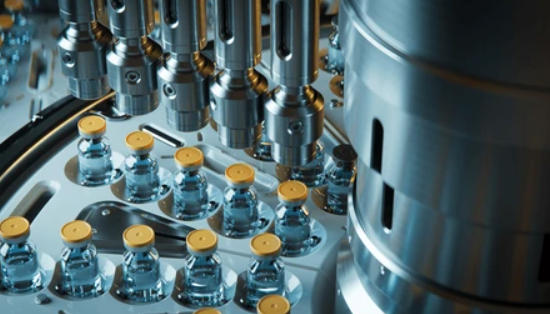
Yes. Turnkey providers such as EVERHEAL combine filling lines, pure water systems, and plant layout services to provide highly integrated solutions, especially for new facilities. Some buyers still choose to mix multiple OEMs for specific process steps, especially for niche technologies. [pharmacy-machines]
4. What standards should vial filling machines meet for Algerian exports?
Plants aiming at export markets typically align with EU‑GMP, WHO GMP, and relevant pharmacopeial standards, covering sterility, particulate control, and data management. Buyers should confirm that filling machines are supplied with appropriate qualification documents and support. [cdafrance]
5. When should a plant upgrade from semi‑automatic to fully automatic vial filling?
Once volumes increase and manual operations begin to risk product consistency, operator safety, or inspection results, moving to fully automatic vial filling and closing is advisable. This step also enables better data capture, reduced labor dependency, and more stable unit costs over time. [maryatech]
References
1. Shanghai Marya – *Algeria Bottle Filling Line Project* (healthcare product bottle filling line project in Algeria).
https://www.maryatech.com/algeria-bottle-filling-line-project-5/ [maryatech]
2. NK Machinery – *Automatic Linear Capping Machine Manufacturers In Algeria* (local applications in beverage and related sectors).
https://dz.nkmachinery.com/updates/automatic-linear-capping-machine-manufacturers-in-algeria [dz.nkmachinery]
3. EVERHEAL – *Customized Pharmaceutical Filling Equipment Manufacturers* (company overview and product portfolio).
https://www.everhealgroup.com/pharmaceutical-filling-equipment.html [everhealgroup]
4. CDA – *Maghreb Pharma 2026* (solutions for filling, capping, and labelling in the Maghreb pharmaceutical market).
https://cdafrance.com/en/news-of-cda-labeling-filling-machines/maghreb-pharma-2026/ [cdafrance]
5. MachineEquipments – *Labeling and Packing Machines in Algeria* (regional suppliers and machine categories).
https://www.machinesequipments.com/algeria/food-processing-equipment-and-machines/labeling-and-packing-machines [machinesequipments]
6. EVERHEAL – *Pharmaceutical Water Trearment Equipment* (role of water treatment and utility systems in pharma plants).
https://www.everhealgroup.com/pharmaceutical-water-trearment-equipment.html [everhealgroup]
7. Aligned Machinery – *Algerian Dosage Liquid Production Project* (liquid production project reference in Algeria).
http://pharmacy-machines.com/algerian-dosage-liquid-production-project.html [pharmacy-machines]
8. Vista Packaging Machines – *Automatic Filling Machine in Algeria* (regional automatic filling solutions).
https://vistapackagingmachines.com/algeria-manufacturers/automatic-filling-machine.html [vistapackagingmachines]
9. EVERHEAL – *Customized Pharmaceutical Production Line Manufacturers* (integrated line and plant‑level solutions).
https://www.everhealgroup.com/pharmaceutical-production-line.html [everhealgroup]
10. Rommelag – *Pharmaceutical Filling Machines – The BFS Advantage* (advanced aseptic filling technologies and regulatory aspects).
https://www.rommelag.com/en/industries/pharmaceutical-filling-machines [rommelag]


