


Views: 222 Author: Rebecca Publish Time: 2026-01-24 Origin: Site


Content Menu
● Understanding Pharmaceutical Mixing Tanks
>> Key Features of Pharmaceutical Mixing Tanks
● Indonesia's Growing Pharmaceutical Industry
>> Why Indonesia Is an Emerging Manufacturing Power
● Leading Pharmaceutical Mixing Tank Manufacturers and Suppliers in Indonesia
>> 1. PT. Steelindo Engineering
>> 2. PT. Pharmatech Engineering
>> 5. Everheal – Global Partner from China
● Technological Innovations Driving the Market
>> Automation and Digital Integration
>> Sustainability and Energy Efficiency
>> Compliance with GMP and Validation Requirements
● Choosing the Right Pharmaceutical Mixing Tank Supplier
● Market Outlook for 2026–2030
● The Role of Global Partnerships
● Frequently Asked Questions (FAQs)
>> 1. What is the main function of a pharmaceutical mixing tank?
>> 2. Why choose Indonesian pharmaceutical mixing tank manufacturers and suppliers?
>> 3. How do I ensure a mixing tank meets GMP standards?
>> 4. What sizes of mixing tanks are commonly available?
>> 5. Can Everheal support turnkey project design in Indonesia?
Indonesia has become one of Southeast Asia's most dynamic pharmaceutical manufacturing hubs. With the government encouraging local production and healthcare expansion, pharmaceutical mixing tank manufacturers and suppliers in Indonesia are driving rapid technological progress. These companies provide advanced mixing, blending, and storage solutions to meet the stringent hygiene and compliance needs of modern pharmaceutical production.
In this article, we'll explore the leading pharmaceutical mixing tank manufacturers and suppliers in Indonesia, the technologies they use, the standards they meet, and how global investors can partner with these companies for long-term success.
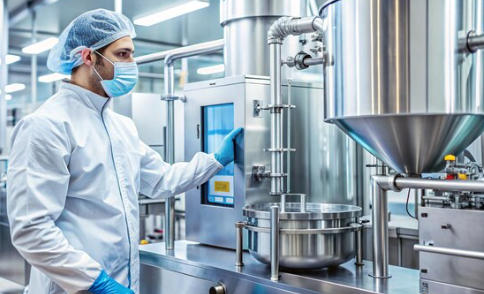
Pharmaceutical mixing tanks are essential components in the production of liquid medicines, syrups, injectables, and sterile solutions. These tanks are designed to mix ingredients under hygienic conditions while maintaining uniformity, temperature stability, and product quality.
- Material Construction: Usually made from high-grade stainless steel such as SS316L or SS304 to ensure corrosion resistance and cleanability.
- Mixing Mechanism: Equipped with agitators, top-entry mixers, or magnetic stirrers for precise mixing of ingredients.
- Temperature and Pressure Control: Many pharmaceutical mixing tanks include jackets for heating or cooling and can handle both vacuum and pressure mixing.
- CIP/SIP Compatibility: Clean-in-place (CIP) and sterilize-in-place (SIP) systems ensure full compliance with GMP and FDA regulations.
- Automation: PLC and HMI interfaces for automated process control, recipe management, and data logging.
These features make pharmaceutical mixing tanks vital for ensuring consistent product quality and aligning with global pharmaceutical manufacturing standards.
Indonesia's pharmaceutical sector is valued at over USD 12 billion and continues to expand due to rising healthcare demand, population growth, and government-backed industrial policies such as “Making Indonesia 4.0.” The industry aims to increase domestic manufacturing capabilities, especially in drug formulation, packaging, and process equipment.
- Strong Government Support: Policies promoting local manufacturing and reducing import dependency.
- Skilled Workforce: Growing number of trained mechanical, chemical, and process engineers.
- Strategic Location: Easy access to Southeast Asian and global markets.
- Infrastructure Growth: Development of industrial zones and pharmaceutical clusters.
- Competitive Costs: Lower operational and logistics costs compared to developed economies.
As the ecosystem evolves, pharmaceutical mixing tank manufacturers and suppliers in Indonesia are becoming global players, working with international partners to meet demanding quality standards.
Several companies in Indonesia have earned a reputation for excellence in manufacturing pharmaceutical mixing systems. They serve both domestic and international clients while complying with GMP, ISO, and ASME standards.
Steelindo Engineering specializes in stainless-steel process equipment for the pharmaceutical, food, and cosmetic industries. Their pharmaceutical mixing tanks come with precision agitators, variable speed drives, and integrated CIP/SIP systems.
Key strengths:
- Custom tank fabrication (50–10,000 liters)
- Compliance with ASME-BPE and GMP
- Full process line integration and automation support
A local leader in pharmaceutical machinery, Pharmatech Engineering designs and manufactures high-purity systems, including water purification, reactors, and mixing vessels. Their tanks are used in formulations for syrups, oral liquids, and sterile products.
Highlights:
- Hygienic design with mirror-polished surfaces
- Flexible mixing configurations
- Documentation and validation support (DQ/IQ/OQ/PQ)
A subsidiary of the global GEA Group, GEA Indonesia provides technologically advanced mixing solutions. Their pharmaceutical mixing tank suppliers network supports turnkey projects combining innovation and compliance.
Advantages:
- Proven European technology adapted for Indonesian needs
- Energy-efficient mixers with low shear and high stability
- Local service and after-sales support
Doran Tansu is known for its automated mixing and storage systems catering to both pharmaceutical and cosmetic sectors. Their portfolio includes vacuum homogenizers, emulsifiers, and sanitary storage tanks.
Key benefits:
- Batch automation systems with PLCs
- Integrated sterilization functions
- Reliable local maintenance services
Everheal, a China-based pharmaceutical equipment manufacturer, partners with Indonesian companies to deliver advanced factory layout planning and turnkey production line solutions. Their product line includes pure water preparation systems, pure steam generators, multifunctional distillation units, and pharmaceutical mixing tanks.
Why Everheal stands out:
- Decades of global pharmaceutical engineering experience
- Focus on customization based on GMP and WHO standards
- Strong after-sales and technical training programs
By collaborating with regional partners, Everheal supports Indonesia's pharmaceutical expansion, ensuring customers receive equipment optimized for efficiency, compliance, and quality.
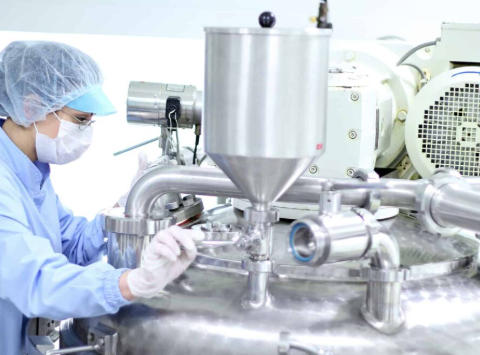
Indonesia's pharmaceutical mixing tank manufacturers and suppliers are adopting automation, smart control systems, and data analytics to meet global competitiveness.
Modern control systems allow users to monitor temperature, viscosity, and mixing speed in real time. Automation reduces human error and ensures reproducible results in every batch.
Manufacturers are increasingly focusing on eco-friendly designs—using energy-efficient motors, heat recovery systems, and low-waste cleaning processes.
Pharmaceutical producers can adapt their production lines by selecting modular tank systems that are easy to expand as new products are introduced.
To export globally, Indonesian manufacturers must adhere to Good Manufacturing Practice (GMP), ISO 9001, and international pressure vessel codes. Many now employ automated validation tools and digital record management systems to maintain compliance.
When selecting pharmaceutical mixing tank manufacturers and suppliers in Indonesia or abroad, consider the following factors:
1. Regulatory Compliance: Verify if the supplier meets GMP, ASME-BPE, and FDA requirements.
2. Material Quality: Prefer high-grade SS316L or electropolished surfaces for sterile applications.
3. Customization Options: Each formulation may require specific agitators, heating coils, or automation systems.
4. Service Support: Ensure local maintenance and availability of spare parts.
5. Total Cost of Ownership: Consider not only equipment cost but also energy efficiency, maintenance, and downtime.
International buyers can benefit from working with joint Indonesian–Chinese teams like Everheal, where advanced design expertise meets local production efficiency.
The demand for pharmaceutical mixing tank manufacturers and suppliers in Indonesia is projected to grow by over 7% annually in the next five years. Factors contributing to this growth include:
- Expansion of vaccine production facilities.
- Rising exports of finished pharmaceutical products.
- Increasing adoption of digital and automated manufacturing equipment.
- Investment from multinational corporations.
Indonesia's ambitious roadmap for becoming a regional pharmaceutical manufacturing center ensures that demand for high-performance mixing systems will only increase.
Partnerships between local manufacturers and global engineering firms are vital for transferring technology and best practices. For instance, Chinese companies like Everheal help Indonesian producers enhance efficiency through advanced distillation, sterilization, and fluid mixing solutions.
These collaborations bring several advantages:
- Technology Transfer: Access to advanced automation and process validation tools.
- Faster Project Delivery: Integrated project management and factory layout services.
- Standardization: Alignment with WHO and EMA pharmaceutical production requirements.
By combining expertise, Indonesian and global suppliers ensure sustainable growth and faster industrial modernization.
Indonesia's pharmaceutical mixing tank manufacturers and suppliers are reshaping the region's pharmaceutical equipment landscape. From established names like Steelindo Engineering and Pharmatech to innovative international partners like Everheal, these companies are pushing boundaries in hygiene, automation, and compliance.
As pharmaceutical demand continues to grow both locally and globally, the collaboration between Indonesian manufacturers and international technology providers will drive advancements in production quality and efficiency. For investors, contractors, and pharmaceutical producers, now is the ideal time to engage with Indonesia's thriving equipment manufacturing ecosystem.
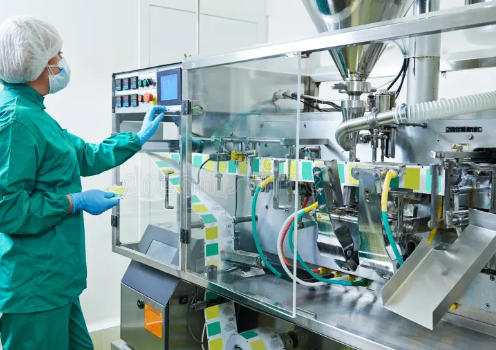
A pharmaceutical mixing tank ensures uniform blending of liquid or semi-liquid ingredients used in drugs and formulations under sterile, controlled conditions.
Indonesia offers competitive pricing, strong compliance with GMP standards, and a rapidly developing industrial base with skilled labor and strong export capacity.
Always verify design documentation, material certificates, welding qualifications, and validation protocols (DQ/IQ/OQ/PQ) before purchase.
Most pharmaceutical mixing tank suppliers offer capacities from 50 liters to over 10,000 liters, with options for heating, cooling, and vacuum mixing depending on process needs.
Yes, Everheal provides complete factory layout design, production line integration, and equipment installation services tailored to GMP pharmaceutical facilities in Indonesia.


