Content Menu
● Understanding CAPA Machines in the Pharmaceutical Industry
>> What Is a CAPA Machine?
>> The Role of Water in CAPA Systems
● What Is Distilled Water?
>> Basic Definition
>> Why Distilled Water Is Unique
● The Science Behind Distillation Water Machines
● Why Distilled Water Is Essential for CAPA Machines
>> 1. Preventing Mineral Scale Formation
>> 2. Protecting Sterility and Product Integrity
>> 3. Reducing Equipment Corrosion
>> 4. Ensuring Accurate Humidity Control
>> 5. Meeting Regulatory and Compliance Standards
● The Relationship Between Distilled Water and Steam Sterilization
● Advantages of In-House Distillation Water Machines for CAPA Integration
● Common Problems When Non-Distilled Water Is Used
● Equipment Validation and Quality Assurance
● Environmental and Economic Considerations
● Conclusion
● FAQ
>> 1. What happens if non-distilled water is used in a CAPA machine?
>> 2. How does a Distillation Water Machine differ from a reverse osmosis system?
>> 3. Can distilled water from a Distillation Water Machine be used for steam generation?
>> 4. How often should distilled water quality be tested?
>> 5. Is investing in a Distillation Water Machine cost-effective?
In modern pharmaceutical manufacturing, maintaining cleanliness, sterility, and compliance with global quality standards is not merely a best practice—it's an absolute necessity. One critical aspect of this process is water quality. Among the different types of purified water used in pharmaceutical operations, distilled water plays a central role, especially when it comes to operating CAPA (Clean Air Positive Air Pressure) machines, which are instrumental in contamination control and packaging.
This article explores in detail why CAPA machines require distilled water, how a Distillation Water Machine ensures consistent water purity, and the importance of proper water management in protecting product integrity, patient safety, and regulatory compliance.
Understanding CAPA Machines in the Pharmaceutical Industry
What Is a CAPA Machine?
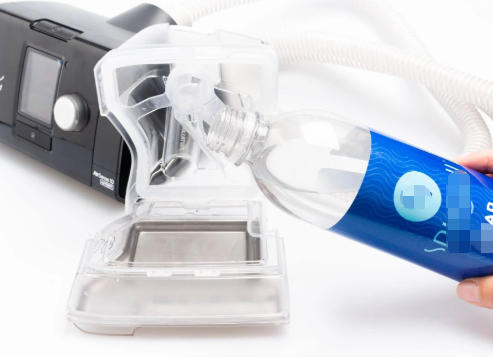
A CAPA machine often refers to a Clean Air Positive Air Pressure system used in pharmaceutical filling, sealing, and sterilization environments. These machines maintain a sterile atmosphere by keeping airborne particles and contaminants out of the production zone through positive air pressure. They are essential in aseptic filling, vial sealing, and sterile packaging.
CAPA systems are often paired with liquid filling and sealing equipment, sterilizers, and distillation systems to ensure that every aspect of the manufacturing process remains contamination-free.
The Role of Water in CAPA Systems
Water—particularly distilled or purified water—is a vital medium in the cleaning, sterilization, and humidification functions of CAPA machines. It is used to:
- Generate clean steam for sterilizing surfaces and environments.
- Maintain controlled humidity levels in the cleanroom.
- Rinse and clean machine components without leaving residues.
- Prepare process solutions for product manufacturing.
Because of these diverse uses, the quality of water directly affects the performance and reliability of a CAPA system.
What Is Distilled Water?
Basic Definition
Distilled water is pure water obtained through distillation, a process that involves boiling water and condensing the steam back into liquid form. This removes impurities such as minerals, ions, organic matter, and microorganisms.
The resulting water is free from contaminants that could interfere with pharmaceutical machines or product sterility. Many pharmaceutical facilities produce their own distilled water through a Distillation Water Machine, sometimes referred to as a multi-effect distiller or pure steam generator.
Why Distilled Water Is Unique
Compared to filtered, deionized, or reverse-osmosis (RO) water, distilled water is the purest form and is less likely to contain trace elements that could contribute to equipment scaling or microbial growth. For machines like CAPA systems, this purity is essential to prevent blockages, corrosion, and contamination.
The Science Behind Distillation Water Machines
A Distillation Water Machine operates by heating water to create vapor, then cooling it to condense it back into pure water. During this cycle:
1. Heating Phase: Impure feed water is boiled, separating volatile substances and non-volatile residues.
2. Steam Collection: The pure vapor rises and passes through demisters or baffles, ensuring that no droplets or contaminants carry over.
3. Condensation: The vapor is cooled in condensers, forming distilled water suitable for pharmaceutical use.
4. Storage: The distilled water is collected in sanitary tanks, where it is maintained under controlled conditions to prevent bacterial recontamination.
These devices are often made from high-grade stainless steel (SS316L) and designed to meet GMP (Good Manufacturing Practice) and FDA compliance standards.
Everheal's advanced Distillation Water Machines combine energy efficiency with automation, allowing precise control of water purity and production capacity. They are widely used across pharmaceutical filling, sterile solutions, vaccine plants, and biotech facilities.
Why Distilled Water Is Essential for CAPA Machines
Let's look at the specific technical and operational reasons why CAPA machines depend on distilled water for optimal function.
1. Preventing Mineral Scale Formation
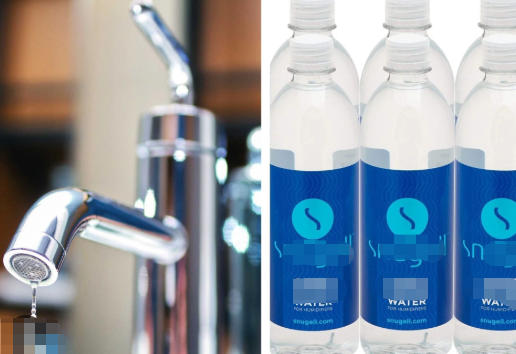
Ordinary tap water contains dissolved minerals like calcium, magnesium, and sodium, which can precipitate under heat and pressure, forming scale on critical machine components. Over time, scaling reduces efficiency, clogs valves and nozzles, and increases energy costs.
Using distilled water from a Distillation Water Machine eliminates mineral deposits, ensuring consistent airflow, stable pressure, and smooth operation inside CAPA systems.
2. Protecting Sterility and Product Integrity
CAPA machines often operate within sterile zones used for filling or capping injectable vials and pharmaceutical containers. Any microbial contamination within the water supply can jeopardize the entire batch.
Because distilled water undergoes multiple purification phases, including high-temperature sterilization, it is inherently microbe-free, preventing the introduction of bacteria, pyrogens, or endotoxins.
3. Reducing Equipment Corrosion
Distilled water lacks ionic contaminants such as chloride or sulfates, which are often primary causes of corrosion in stainless-steel pipelines and chambers. Clean water ensures that metallic components, sensors, and valves retain their functionality and longevity, reducing maintenance frequency.
4. Ensuring Accurate Humidity Control
CAPA systems maintain positive air pressure and controlled humidity for aseptic production. Water used in humidification must be free of residues; otherwise, particles can circulate and contaminate products. Distilled water ensures stable humidity without introducing new contaminants into the airflow.
5. Meeting Regulatory and Compliance Standards
Pharmaceutical manufacturers must comply with strict international standards, including USP (United States Pharmacopeia), EP (European Pharmacopeia), and cGMP. These standards specify that process and cleaning water must be free from chemical and microbial contamination.
By using Distillation Water Machines to produce distilled water in-house, facilities can demonstrate full compliance and maintain traceability through validated water production records.
The Relationship Between Distilled Water and Steam Sterilization
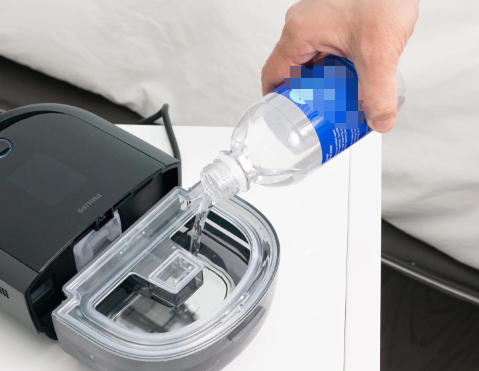
Many CAPA systems include steam sterilization components that rely directly on distilled water. Pure distilled feed ensures that the resulting pure steam is free of non-condensable gases and impurities, which can otherwise:
- Compromise sterilization efficiency.
- Leave chemical residues on equipment.
- Damage heat exchangers and condensers.
In such integrated systems, the distilled water produced by a Distillation Water Machine becomes the foundation for generating pharmaceutical-grade pure steam, which is critical for sterilizing both the machine itself and surrounding process equipment.
Advantages of In-House Distillation Water Machines for CAPA Integration
Pharmaceutical manufacturers like Everheal recommend installing an in-house Distillation Water Machine next to CAPA equipment for seamless water management. The benefits include:
- Consistent Quality Control: In-house production allows continuous monitoring of conductivity, TOC (Total Organic Carbon), and microbial levels.
- Reduced Supply Risk: No dependence on external suppliers or transportation integrity.
- Energy Efficiency: Modern multi-effect distillers recover latent heat from vapor condensation, reducing energy costs.
- Automation and Data Recording: Sophisticated control systems ensure reliable operation with automated alarms, logs, and maintenance scheduling.
- Modular Integration: Distillation units can connect directly to pure steam generators, filling machines, or sterilization lines.
These advantages highlight that Distillation Water Machines are not just utilities—they are essential infrastructure for achieving pharmaceutical-grade purity and compliance.
Common Problems When Non-Distilled Water Is Used
Even small deviations in water quality can lead to operational and compliance failures. Typical issues include:
- Biofilm formation inside pipelines or tanks.
- Reduced sterilization efficiency due to chemical residues.
- Frequent maintenance and downtime caused by corrosion or scaling.
- Batch rejections and recalls resulting from contamination.
- Regulatory non-conformance and increased qualification costs.
Therefore, using distilled water made with a validated Distillation Water Machine is not just preferable—it is mandatory in regulated environments.
Equipment Validation and Quality Assurance
To ensure CAPA and water systems maintain compliance, pharmaceutical manufacturers perform validation and documentation under GMP guidelines. The validation steps include:
1. Design Qualification (DQ): Confirming system design meets pharmaceutical standards.
2. Installation Qualification (IQ): Verifying correct installation of the Distillation Water Machine and CAPA system.
3. Operational Qualification (OQ): Testing system functions, controls, and alarms.
4. Performance Qualification (PQ): Ensuring consistent production of water that meets pharmacopeial limits.
Routine microbiological and chemical analysis ensures that water purity remains stable, reinforcing overall manufacturing reliability.
Environmental and Economic Considerations
Modern Distillation Water Machines are designed with sustainability in mind. They optimize condensate recovery and minimize wastewater discharge. Moreover, energy-efficient designs like multi-effect distillation use thermal energy from one stage to heat the next, significantly reducing fuel consumption.
Although distilled water production requires energy, the long-term savings from reduced maintenance, improved product quality, and regulatory compliance make it an economically sound choice for CAPA operations.
Conclusion
The success of pharmaceutical production depends on one simple principle: purity. For CAPA machines—essential tools for maintaining sterile manufacturing environments—distilled water is the invisible yet critical ingredient that keeps systems clean, precise, and compliant.
By integrating a high-quality Distillation Water Machine, pharmaceutical manufacturers can ensure that every drop used in cleaning, humidification, and sterilization is of the highest purity, protecting both product quality and patient safety.
Clean water is not merely a utility in this context—it is the foundation of pharmaceutical excellence.
FAQ
1. What happens if non-distilled water is used in a CAPA machine?
Using non-distilled water can lead to mineral scaling, microbial contamination, and corrosion, ultimately reducing performance, sterility, and compliance of the CAPA machine.
2. How does a Distillation Water Machine differ from a reverse osmosis system?
A Distillation Water Machine uses heat to separate pure water from impurities, while reverse osmosis filters out contaminants through membrane pressure. Distillation produces higher-purity water and is more reliable for pharmaceutical applications.
3. Can distilled water from a Distillation Water Machine be used for steam generation?
Yes. Distilled water is ideal for generating pure steam used in sterilization, as it prevents chemical residues, maintains heat-transfer efficiency, and supports clean operations.
4. How often should distilled water quality be tested?
Pharmaceutical plants typically test daily or per batch for parameters like conductivity, TOC, and microbial contamination, ensuring the Distillation Water Machine output meets pharmacopeial standards.
5. Is investing in a Distillation Water Machine cost-effective?
Absolutely. Although the initial investment may be higher, long-term savings in maintenance, water consistency, and regulatory assurance outweigh the cost, especially for high-purity CAPA operations.


