Content Menu
● Understanding the Role of Pharmaceutical Mixing Tanks
● Pharmaceutical Manufacturing in Ecuador
● Leading Pharmaceutical Mixing Tank Manufacturers and Suppliers in Ecuador
>> 1. Everheal (China)
>> 2. EQUILAB Ecuador
>> 3. Industrias Quimicas Ecuador (IQE)
>> 4. Procequip Latin America
>> 5. TECNO Pharma Solutions
● Key Features of Modern Pharmaceutical Mixing Tanks
● Why Ecuador Relies on International Suppliers
● The Importance of GMP Compliance
● Custom Engineering and Turnkey Solutions
● Future Outlook: Ecuador's Pharmaceutical Equipment Market
● Conclusion
● FAQs About Pharmaceutical Mixing Tank Manufacturers And Suppliers
>> 1. What materials are used in pharmaceutical mixing tanks?
>> 2. How do pharmaceutical mixing tanks ensure compliance with GMP standards?
>> 3. What capacities do pharmaceutical mixing tanks typically have?
>> 4. Can Ecuadorian pharmaceutical companies get customized tanks?
>> 5. How to select the best supplier for a pharmaceutical mixing tank?
As Ecuador's pharmaceutical industry continues to expand, the demand for reliable pharmaceutical mixing tank manufacturers and suppliers is steadily rising. High-quality mixing systems are essential to ensure precise formulation, sterility, and consistency in drug production. This article explores the leading manufacturers, supply chain trends, and the future prospects of this critical industrial sector in Ecuador.
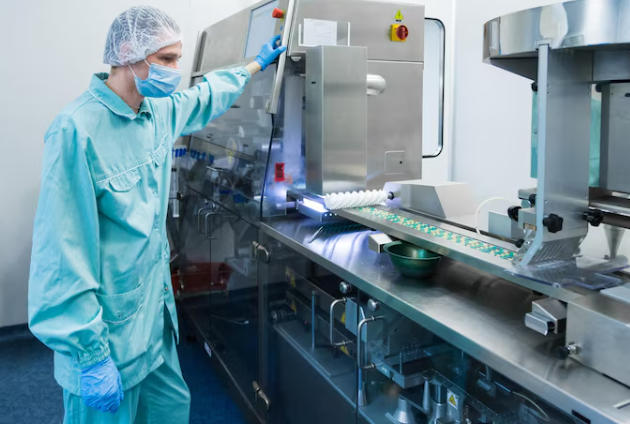
Understanding the Role of Pharmaceutical Mixing Tanks
Pharmaceutical mixing tanks are used for blending, dissolving, emulsifying, and homogenizing ingredients during the preparation of liquid pharmaceuticals. Whether for oral solutions, syrups, vaccines, or sterile injectable fluids, these tanks ensure the uniform dispersion of active pharmaceutical ingredients (APIs) and excipients under controlled conditions.
Common features include:
- Stainless steel construction to prevent contamination
- Heating and cooling jackets for temperature control
- Agitators and homogenizers for uniform mixing
- Automated control systems for batch accuracy
- Compliance with international GMP and FDA regulations
The global market for pharmaceutical mixing systems is being shaped by rising production standards, energy efficiency goals, and the implementation of digital manufacturing. In Ecuador, this demand aligns with the government's initiatives to localize pharmaceutical production and reduce dependence on imports.
Pharmaceutical Manufacturing in Ecuador
Ecuador's pharmaceutical industry has grown significantly in the past decade. With support from both the public and private sectors, local manufacturers are upgrading facilities to meet global standards. Modern pharmaceutical plants in Quito, Guayaquil, and Cuenca now incorporate advanced pharmaceutical mixing tank systems to optimize production quality.
Several factors contribute to this growth:
- Rising domestic demand for generic medicines
- Improved healthcare infrastructure and regulations
- Foreign investment in production technologies
- The rise of contract manufacturing and export operations
As Ecuador strengthens its foothold in Latin America's pharmaceutical sector, reliable pharmaceutical mixing tank manufacturers and suppliers are playing an increasingly important role.
Leading Pharmaceutical Mixing Tank Manufacturers and Suppliers in Ecuador
Below is an overview of the top companies providing pharmaceutical mixing tanks in Ecuador, including domestic manufacturers and international suppliers serving the Ecuadorian market.
1. Everheal (China)
Everheal is a globally recognized manufacturer specialized in pharmaceutical process equipment. The company offers a comprehensive range of systems including pure water preparation units, pure steam generators, multifunctional distillation units, liquid filling and sealing machines, sterilization systems, and mixing tanks tailored to pharmaceutical applications.
For Ecuadorian clients, Everheal provides customized solutions covering factory layout design, production line engineering, and compliant documentation for GMP validation. Their pharmaceutical mixing tanks feature advanced automation, CIP/SIP systems, and flexible capacity options – ideal for sterile and non-sterile applications.
2. EQUILAB Ecuador
Based in Quito, EQUILAB is a leading local supplier of laboratory and pharmaceutical processing equipment. It imports high-quality stainless steel tanks, reactors, and mixing vessels from certified international brands. EQUILAB also provides installation, validation, and maintenance services, ensuring compliance with ISO and FDA standards.
3. Industrias Quimicas Ecuador (IQE)
IQE manufactures various chemical and pharmaceutical equipment, including mixing tanks, pressure vessels, and fluid systems. Their expertise in custom design allows pharmaceutical producers to request tanks in various volumes with integrated automation and data monitoring systems. IQE's local production base helps reduce import costs and lead times for Ecuadorian pharmaceutical firms.
4. Procequip Latin America
Procequip is a regional equipment supplier with strong operations in Colombia and Ecuador. The company offers turnkey solutions for pharmaceutical plants, including reactors, fermenters, and stainless steel mixing systems. They partner with European manufacturers to supply energy-efficient tanks and cleanroom-compatible machinery.
5. TECNO Pharma Solutions
TECNO focuses on delivering technical assistance, qualification services, and high-quality process equipment across Latin America. Their pharmaceutical mixing tank systems are designed to meet stringent regulatory requirements. The company provides after-sales training and preventive maintenance to Ecuadorian clients seeking long-term equipment reliability.
Key Features of Modern Pharmaceutical Mixing Tanks
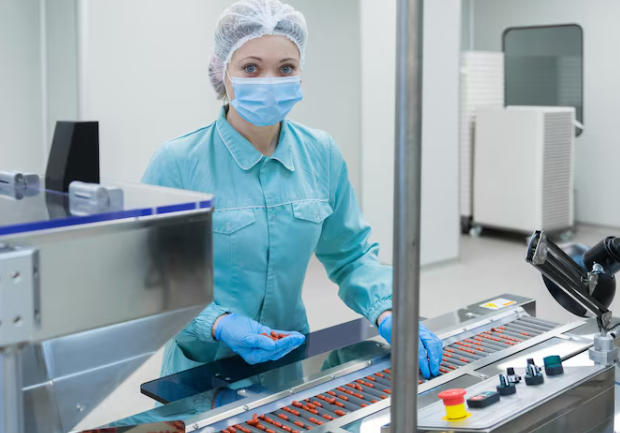
Modern equipment supplied by top pharmaceutical mixing tank manufacturers and suppliers integrates advanced engineering and control technologies. These innovations enhance safety, efficiency, and traceability across the production cycle.
Key features include:
- High-grade stainless steel (316L): Ensures durability and corrosion resistance.
- Automated agitation systems: Enable controlled mixing speeds and reproducibility.
- CIP/SIP compatibility: Simplifies cleaning and sterilization processes.
- Temperature and pH control sensors: Maintain optimal conditions for sensitive products.
- PLC and HMI interfaces: Facilitate data tracking, secure batch control, and connectivity with MES or SCADA systems.
These technical improvements are essential for maintaining consistent product quality while complying with GMP and WHO regulations.
Why Ecuador Relies on International Suppliers
Although Ecuador's local manufacturing industry is gradually advancing, much of the specialized pharmaceutical equipment—especially precision-engineered mixing tanks—still comes from overseas manufacturers in China, Germany, and Italy. Companies like Everheal offer cost-effective, fully validated systems that meet global standards, making them ideal for Ecuador's rapidly evolving pharmaceutical sector.
Importing from international pharmaceutical mixing tank manufacturers and suppliers ensures:
- Access to proven engineering knowledge
- Compliance with international regulatory frameworks
- Integration with modern process automation
- Long-term operational reliability
Combined with local after-sales support, this hybrid supply model allows Ecuadorian pharmaceutical producers to enjoy both global technology and domestic service efficiency.
The Importance of GMP Compliance
All pharmaceutical equipment in Ecuador must align with Good Manufacturing Practice (GMP) guidelines. Mixing tanks must undergo rigorous testing for surface finish, material traceability, sealing integrity, and process validation.
Reliable pharmaceutical mixing tank manufacturers and suppliers ensure:
- Full documentation (DQ, IQ, OQ, PQ reports)
- Traceable manufacturing materials
- Sanitary welds and finishing certifications
- Validation support during plant audits
Adhering to GMP standards not only ensures quality but also enables local firms to export pharmaceutical products to regional markets with confidence.
Custom Engineering and Turnkey Solutions
Growing demand for efficient production facilities has increased interest in turnkey projects. Companies such as Everheal specialize in providing end-to-end factory design, encompassing architectural layout, process flow mapping, and utility integration.
Ecuadorian clients increasingly seek custom-engineered pharmaceutical mixing tanks to meet specific batch sizes, viscosity ranges, and mixing cycles. By combining advanced 3D modeling with automation software, suppliers can deliver tailored equipment while maintaining high validation standards.
Future Outlook: Ecuador's Pharmaceutical Equipment Market
The future of Ecuador's pharmaceutical equipment market looks promising. With government incentives for local manufacturing and regional trade integration through MERCOSUR and CAN, pharmaceutical companies are expected to expand their production capacities.
Trends shaping the next decade include:
- Adoption of Industry 4.0 technologies in process control
- Expansion of biologics and vaccine production facilities
- Focus on sustainable and energy-efficient equipment designs
- Collaborations with Asian and European OEMs to co-develop equipment
These factors will continue driving collaboration between Ecuadorian firms and leading global pharmaceutical mixing tank manufacturers and suppliers to achieve sustainable, high-quality drug production.
Conclusion
Ecuador's pharmaceutical landscape is entering a new era of modernization and industrial capability. High-performance pharmaceutical mixing tank systems serve as a foundation for this transformation, enabling consistent product quality and operational efficiency.
Collaborations with leading global companies like Everheal, alongside strong domestic suppliers, position Ecuador as an emerging hub for pharmaceutical innovation in Latin America. As the sector evolves, investing in advanced equipment, digital control systems, and GMP-compliant production lines will remain vital to staying competitive in the regional and global market.
FAQs About Pharmaceutical Mixing Tank Manufacturers And Suppliers
1. What materials are used in pharmaceutical mixing tanks?
Most tanks are made of stainless steel 316L, known for its corrosion resistance and cleanability. Some may include electropolished surfaces or PTFE-coated internal components to enhance sterility.
2. How do pharmaceutical mixing tanks ensure compliance with GMP standards?
Manufacturers provide full validation documents, sanitary designs, and automated cleaning systems (CIP/SIP). They also implement strict quality control during fabrication and testing.
3. What capacities do pharmaceutical mixing tanks typically have?
They range from 50 liters to over 20,000 liters, depending on the type of production—research, pilot plant, or full-scale commercial manufacturing.
4. Can Ecuadorian pharmaceutical companies get customized tanks?
Yes. Many pharmaceutical mixing tank manufacturers and suppliers, including Everheal, offer custom designs tailored to viscosity, mixing time, and temperature control requirements.
5. How to select the best supplier for a pharmaceutical mixing tank?
Consider experience, certifications (ISO, CE, GMP), after-sales support, and references from existing clients. Comparing local service quality and global technical expertise ensures the best results.


