Content Menu
● Understanding Pharmaceutical Mixing Tanks
>> Key Features of Pharmaceutical Mixing Tanks
● The Colombian Pharmaceutical Equipment Market
● Leading Pharmaceutical Mixing Tank Manufacturers And Suppliers in Colombia
>> 1. Everheal Equipment Co., Ltd.
>> 2. INDEPRO S.A.
>> 3. Industrias METALÓN
>> 4. EQUIPTANK Engineering
>> 5. Tecnoinox Andina
● Criteria for Selecting Pharmaceutical Mixing Tank Manufacturers And Suppliers in Colombia
● The Role of Customization in Pharmaceutical Manufacturing
● Global Collaboration and Export Quality Standards
● Market Trends and Future Outlook
● Conclusion
● FAQs
>> 1. What materials are commonly used for pharmaceutical mixing tanks?
>> 2. How do CIP and SIP systems improve tank performance?
>> 3. What certifications should reliable manufacturers hold?
>> 4. Can pharmaceutical mixing tanks be customized?
>> 5. Why is Everheal considered a trusted global supplier?
The Colombian pharmaceutical market is undergoing rapid growth, with expanding production facilities and increasing demand for high-quality manufacturing equipment. Among the essential components in modern pharmaceutical production are pharmaceutical mixing tanks, which play a vital role in blending active ingredients, excipients, and solutions under precise hygienic conditions. Choosing reliable pharmaceutical mixing tank manufacturers and suppliers in Colombia is crucial for ensuring consistent production quality, meeting regulatory standards, and maintaining efficient workflows.
This article provides a comprehensive overview of the leading pharmaceutical mixing tank manufacturers and suppliers in Colombia. It also examines market trends, equipment features, customization options, and key selection criteria that can help pharmaceutical companies make better procurement decisions.
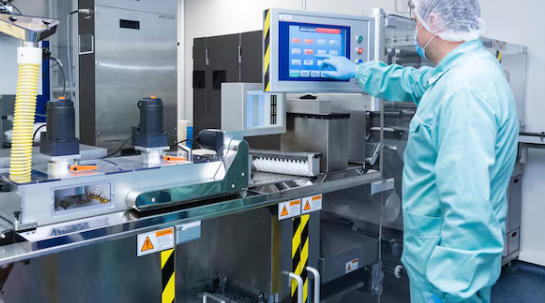
Understanding Pharmaceutical Mixing Tanks
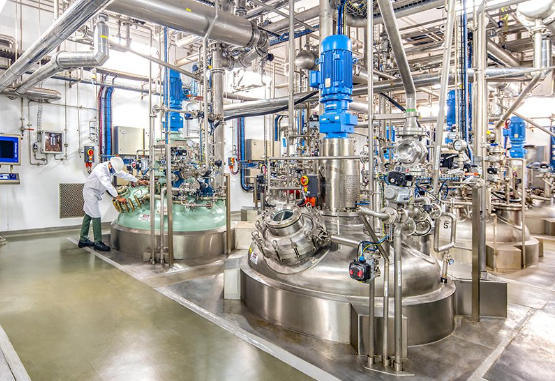
Pharmaceutical mixing tanks are engineered vessels designed for combining liquid and semi-solid substances during drug manufacturing. They are made using high-grade stainless steel to prevent contamination and corrosion, often equipped with mixing blades, agitators, and temperature control systems.
Key Features of Pharmaceutical Mixing Tanks
- Hygienic design: Tanks are manufactured using SS316L stainless steel with polished surfaces to prevent bacterial buildup.
- Precision control: Equipped with variable speed agitators and advanced sensors for temperature, pressure, and viscosity monitoring.
- Sealing and sterility: Most pharmaceutical tanks integrate CIP (Clean-In-Place) and SIP (Sterilize-In-Place) systems to ensure aseptic conditions.
- Automation: Integration with PLC systems allows for programmable control of mixing cycles and consistency.
- Scalability: Available in laboratory, pilot, and full-scale industrial versions.
These tanks are essential for the preparation of water-based solutions, suspensions, and emulsions used in tablets, injections, eye drops, and syrups.
The Colombian Pharmaceutical Equipment Market
Colombia's pharmaceutical industry has witnessed significant investment over the past decade. Leading domestic and multinational companies are focusing on upgrading their production facilities to comply with Good Manufacturing Practices (GMP) and World Health Organization (WHO) standards.
Colombia's growing pharmaceutical exports, particularly to Latin America and North America, have increased the demand for local partners that can supply reliable pharmaceutical machinery. The government's incentives for industrial growth and bioinnovation also contribute to the expansion of the pharmaceutical equipment market.
In this environment, several pharmaceutical mixing tank manufacturers and suppliers in Colombia have become prominent by offering customized solutions, technical support, and high-efficiency production equipment.
Leading Pharmaceutical Mixing Tank Manufacturers And Suppliers in Colombia
1. Everheal Equipment Co., Ltd.
Everheal, a Chinese-based company with years of experience in pharmaceutical engineering, has established a strong presence in global markets, including Colombia. The company specializes in pharmaceutical mixing systems, pure water preparation units, distillation systems, and sterilization machinery.
Its pharmaceutical mixing tanks are known for:
- Full compliance with GMP and FDA standards
- Polished and corrosion-resistant contact surfaces
- Availability of jacketed vessels for temperature control
- Integration with customized production line layouts
Everheal also assists clients in designing entire factory pipelines and cleanroom systems, ensuring smooth integration between mixing, filling, and sterilization processes.
2. INDEPRO S.A.
Based in Bogotá, INDEPOR S.A. has a strong reputation in manufacturing stainless steel equipment for food, cosmetics, and pharmaceutical sectors. Their pharmaceutical mixing tanks are engineered with automated controls and customizable mixing speeds to meet different formulation requirements.
INDEPOR's services include:
- Installation and technical maintenance
- Compliance with ISO and GMP standards
- Custom manufacturing for small- and large-scale production
They are known for offering robust post-sales service and on-site calibration support.
3. Industrias METALÓN
Industrias METALÓN produces high-quality stainless-steel containers and pressure vessels for pharmaceutical and biotechnology applications. Their sanitary mixing tanks feature mirror polishing and CIP-ready structures.
Key strengths include:
- Custom manufacturing in 304 and 316L stainless steel
- Sanitation testing before shipping
- Engineering design adapted to cleanroom workflows
METALÓN partners with several pharmaceutical companies to design equipment compliant with Colombian INVIMA (National Food and Drug Surveillance Institute) standards.
4. EQUIPTANK Engineering
EQUIPTANK Engineering has become a preferred supplier for pharmaceutical plants across Latin America. Their mixing tank technology combines European design with localized production, offering clients high performance at cost-effective rates.
Their equipment features:
- Magnetic stirrer integration for shear-sensitive products
- Temperature-regulated mixing for heat-sensitive liquids
- Automatic documentation for GMP validation
They also provide comprehensive support in automation, making EQUIPTANK a strategic choice for smart factories.
5. Tecnoinox Andina
As a branch of the Italian brand Tecnoinox, Tecnoinox Andina focuses on supplying pharmaceutical processing equipment to Colombia and neighboring markets. Their mixing vessels and sanitary reactors are known for precise design and advanced mixing performance.
Tecnoinox Andina delivers:
- Certified components from Europe
- Advanced mechanical seals for preventing cross-contamination
- Turnkey system integration for pharmaceutical production lines
Their multinational cooperation ensures clients receive technology that meets European and Latin American compliance standards.
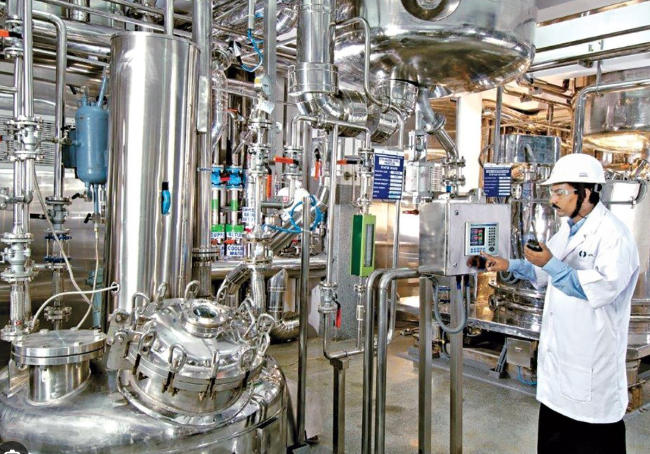
Criteria for Selecting Pharmaceutical Mixing Tank Manufacturers And Suppliers in Colombia
When choosing pharmaceutical mixing tank manufacturers or suppliers, companies should evaluate several critical aspects to ensure cost-effectiveness and quality alignment:
- Material quality: Preference for SS316L ensures chemical resistance and longevity.
- Design compliance: Equipment should conform to GMP, FDA, and ASME-BPE standards.
- Process integration: Suppliers able to integrate tanks into full production lines improve workflow efficiency.
- After-sales service: Ongoing technical support, spare parts availability, and calibration services are essential.
- Customization: Ability to offer tailored sizes, mixing speeds, and control parameters.
- Documentation: Manufacturers should provide validation documents including IQ, OQ, and PQ reports.
By considering these criteria, pharmaceutical companies can partner with reliable suppliers to enhance productivity and maintain product integrity.
The Role of Customization in Pharmaceutical Manufacturing
Customization is now a defining factor among top pharmaceutical mixing tank manufacturers and suppliers in Colombia. Each production line may involve different viscosities, volumes, and temperature conditions. Tank customization allows producers to meet these challenges efficiently.
For instance:
- Agitator types (propeller, turbine, anchor) are selected based on the product's rheology.
- Temperature jackets allow control of heat-sensitive or thermally activated products.
- Automation integration ensures accurate repetitions and reduces human error.
- Sterility options like CIP/SIP systems maintain cleanliness between batches.
Such flexibility enables pharmaceutical businesses to expand product portfolios while safeguarding quality control.
Global Collaboration and Export Quality Standards
Many Colombian companies have formed partnerships with international brands, sourcing engineering designs from global suppliers like Everheal. These collaborations ensure the domestic industry keeps pace with evolving pharmaceutical technologies.
International suppliers ensure adherence to:
- GMP documentation for production validation.
- Risk assessment for critical process control points.
- Traceability of materials and instruments used in manufacturing.
This global cooperation helps Colombian pharmaceutical factories enhance compliance and achieve export-grade production capability.
Market Trends and Future Outlook
The future of Colombia's pharmaceutical equipment market points toward increasing digitalization and smart manufacturing. Integration of IoT-based monitoring systems in pharmaceutical mixing tanks allows for real-time tracking of temperature, RPM, and pH levels.
Emerging trends include:
- Energy-efficient designs: New tanks equipped with optimized insulation and heat recovery systems.
- Sustainability: Use of eco-friendly manufacturing processes and materials.
- Automation: Increasing adoption of AI and PLC-based controls for process consistency.
- Export partnerships: Colombia's location and trade agreements make it a key hub for Latin American pharmaceutical exports.
Overall, these developments position Colombia as a promising regional center for pharmaceutical machinery manufacturing and supply.
Conclusion
Colombia's pharmaceutical equipment market continues to thrive, supported by strong domestic manufacturers and proactive collaboration with international suppliers. Choosing the right partner among the top pharmaceutical mixing tank manufacturers and suppliers in Colombia can make a significant difference in operational efficiency, product quality, and regulatory compliance.
Companies like Everheal, INDEPOR, METALÓN, EQUIPTANK, and Tecnoinox Andina represent a blend of engineering innovation and industry expertise. As the pharmaceutical industry advances toward automation and stricter quality frameworks, these manufacturers are well-positioned to support the next generation of drug production facilities.
FAQs
1. What materials are commonly used for pharmaceutical mixing tanks?
Pharmaceutical mixing tanks are typically made of SS316L stainless steel, which provides high corrosion resistance and meets hygienic requirements. For less critical processes, SS304 can also be used.
2. How do CIP and SIP systems improve tank performance?
CIP (Clean-In-Place) and SIP (Sterilize-In-Place) systems automate cleaning and sterilization, reducing downtime and ensuring each batch is produced under sterile conditions, which is vital for pharmaceutical quality standards.
3. What certifications should reliable manufacturers hold?
Reputable pharmaceutical mixing tank manufacturers and suppliers in Colombia hold GMP, ISO 9001, and ASME-BPE certifications, demonstrating compliance with international quality and sanitary regulations.
4. Can pharmaceutical mixing tanks be customized?
Yes. Tanks can be customized by capacity, agitator type, mixing speed, pressure range, heating, and automation levels. Customization ensures optimal mixing for specific drug formulations.
5. Why is Everheal considered a trusted global supplier?
Everheal stands out for its integrated approach—offering pharmaceutical mixing systems, pure water solutions, and sterilization equipment, along with complete factory layout design and after-sales support, ensuring reliable performance and cost efficiency for global pharmaceutical manufacturers.


