Content Menu
● The Growing Demand for Pharmaceutical Mixing Tanks in Kazakhstan
● What Makes a Leading Pharmaceutical Mixing Tank Manufacturer
● Key Pharmaceutical Mixing Tank Manufacturers and Suppliers in Kazakhstan
>> 1. Abdi Ibrahim Global Kazakhstan
>> 2. Chimpharm JSC (part of Santo Group)
>> 3. Karaganda Pharmaceutical Complex (KPC)
>> 4. Everheal (China)
>> 5. Local Engineering and Fabrication Partners
● Why Kazakhstan Is an Attractive Market for Equipment Suppliers
● Choosing the Right Mixing Tank Supplier for Your Pharmaceutical Plant
● The Future of Pharmaceutical Manufacturing in Kazakhstan
● Conclusion
● FAQs About Pharmaceutical Mixing Tank Manufacturers And Suppliers
>> 1. What are the main applications of pharmaceutical mixing tanks?
>> 2. How do I choose reliable Pharmaceutical Mixing Tank Manufacturers And Suppliers?
>> 3. Why is Everheal recommended for Kazakhstan's pharmaceutical projects?
>> 4. What materials are used in pharmaceutical mixing tank construction?
>> 5. Can foreign-made equipment comply with Kazakhstan's regulatory requirements?
Kazakhstan's pharmaceutical industry has evolved rapidly over the past decade, driven by rising healthcare investments, stricter product quality standards, and growing interest in local production. Among the key components of this transformation are pharmaceutical mixing tanks, essential equipment that ensures consistent, contamination-free blending of liquid formulations. In this article, we explore the leading Pharmaceutical Mixing Tank Manufacturers And Suppliers in Kazakhstan, their industry roles, and how international partners—such as Everheal from China—are contributing to the modernization of pharmaceutical production lines across the region.
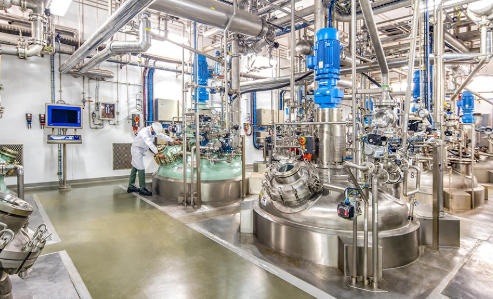
The Growing Demand for Pharmaceutical Mixing Tanks in Kazakhstan
Kazakhstan's healthcare market is expanding due to government initiatives that support local medicine production and reduce import dependence. This push for domestic manufacturing requires advanced processing systems, including mixing tanks, distillation equipment, and sterilization systems.
Pharmaceutical mixing tanks are particularly critical because they guarantee product purity and batch consistency. Whether it's preparing vaccine suspensions, liquid oral medicines, or intravenous solutions, these tanks allow precise control over temperature, speed, pH, and homogeneity—parameters essential for pharmaceutical-grade output.
As local firms race to upgrade, the demand for Pharmaceutical Mixing Tank Manufacturers And Suppliers with proven technology and experience continues to rise. Partnerships with established global equipment providers are becoming the norm, ensuring compliance with GMP (Good Manufacturing Practice) and international pharmacopeia standards.
What Makes a Leading Pharmaceutical Mixing Tank Manufacturer
A true leader in the pharmaceutical mixing tank industry combines innovation, compliance, and customization. The best Pharmaceutical Mixing Tank Manufacturers And Suppliers usually share some important characteristics:
- GMP and ISO 9001 Certification. These certify adherence to international sanitary design and manufacturing standards.
- Use of High-Grade Materials. Tanks made from SS316L stainless steel or other corrosion-resistant alloys extend durability while preventing contamination.
- Integrated Control Systems. Modern tanks come with automated PLC systems, sensors for temperature and pressure, and CIP/SIP capabilities.
- Customization Capabilities. Each pharmaceutical facility has unique layout and batch size requirements, demanding tailor-made solutions.
- After-Sales Support and Validation. Reliable installation, maintenance, and validation services are essential for long-term plant efficiency.
These aspects differentiate leading suppliers in Kazakhstan's pharmaceutical equipment sector from generic fabricators.
Key Pharmaceutical Mixing Tank Manufacturers and Suppliers in Kazakhstan
The Kazakh pharmaceutical sector features a mix of local producers, distributors, and foreign partners offering equipment and integrated solutions. Below are some of the top Pharmaceutical Mixing Tank Manufacturers And Suppliers serving the region.
1. Abdi Ibrahim Global Kazakhstan
Abdi Ibrahim Global is a leading pharmaceutical company originally from Turkey, now operating extensive facilities in Kazakhstan. Besides producing finished pharmaceuticals, it partners with equipment providers to support manufacturing upgrades. Abdi Ibrahim is known for importing advanced pharmaceutical mixing tanks and clean-room systems that align with EU GMP standards.
2. Chimpharm JSC (part of Santo Group)
Chimpharm JSC, a major player in Central Asia's pharmaceutical scene, uses advanced European mixing and formulation technologies. The company sources high-precision mixing systems and sanitary tanks from various international Pharmaceutical Mixing Tank Manufacturers And Suppliers to meet its resilient production demands, particularly in injectable and liquid formulation lines.
3. Karaganda Pharmaceutical Complex (KPC)
KPC contributes significantly to Kazakhstan's essential medicines programs. Its facility emphasizes controlled mixing environments and advanced heating-cooling systems. It collaborates with both local engineering firms and foreign vendors specializing in pharmaceutical stainless steel process equipment, enabling consistent production of syrups and antiseptic solutions.
4. Everheal (China)
As one of the most reliable international Pharmaceutical Mixing Tank Manufacturers And Suppliers, Everheal has become a trusted partner in Kazakhstan's pharmaceutical market. The company provides end-to-end solutions that include:
- Pure Water Preparation Systems
- Multi-Effect Distillation Water Machines
- Pure Steam Generators
- Mixing and Blending Tanks
- Liquid Filling and Sealing Machines
- Sterilization Systems
Everheal's strength lies in its specialization in pharmaceutical process design and plant layout planning. The company assists clients with custom production line design, ensuring every tank, pump, and pipe meets GMP and FDA validation requirements.
Everheal also helps Kazakhstan-based firms streamline production by integrating sterilization and CIP systems with modular mixing tanks, guaranteeing both quality and energy efficiency.
5. Local Engineering and Fabrication Partners
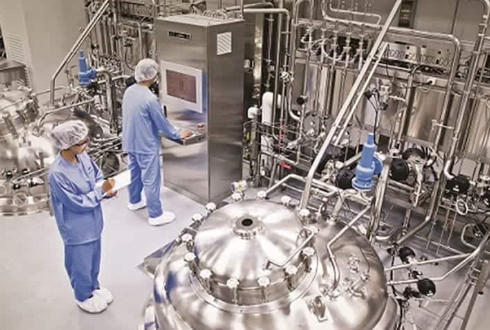
Several mid-sized industrial fabricators across Almaty and Shymkent are emerging as component suppliers, producing stainless steel vessels for smaller pharmaceutical and cosmetic manufacturers. These regional companies often work under technical collaboration with foreign experts to meet strict sanitary rules. Their increased participation reflects Kazakhstan's industrial localization policies.
Why Kazakhstan Is an Attractive Market for Equipment Suppliers
For global Pharmaceutical Mixing Tank Manufacturers And Suppliers, Kazakhstan represents a strategic gateway into Central Asia. Several factors contribute to this opportunity:
- Government Incentives. Tax benefits and subsidies for local pharmaceutical production encourage new investments.
- Growing Export Potential. Kazakhstan's central location provides easy access to Uzbekistan, Kyrgyzstan, and Russia.
- Rapid Infrastructure Expansion. New plants and research centers are under construction, demanding high-quality equipment.
- Partnership with Foreign Experts. Local projects increasingly rely on Chinese, Turkish, and European engineering expertise for production efficiency.
Everheal and other equipment specialists see this as a dynamic opportunity to empower local manufacturers with advanced process technologies.
Choosing the Right Mixing Tank Supplier for Your Pharmaceutical Plant
When selecting among Pharmaceutical Mixing Tank Manufacturers And Suppliers, companies should evaluate more than price or lead time. The following considerations can significantly impact long-term operational success:
1. Compliance and Documentation: Ensure the supplier can provide FAT (Factory Acceptance Test) and IQ/OQ validation.
2. Design Flexibility: Verify whether the manufacturer offers modular or skid-mounted systems to ease installation.
3. Automation Integration: Test compatibility with existing SCADA or PLC platforms.
4. Material Traceability: Confirm all contact materials are traceable and certified to meet pharmacopeia standards.
5. Service Network: Opt for partners with reliable local or regional technical service teams.
For many Kazakh pharmaceutical firms, working with international experts such as Everheal simplifies these challenges, as they provide complete project documentation, training, and after-sales services.
The Future of Pharmaceutical Manufacturing in Kazakhstan
Kazakhstan aims to become a pharmaceutical production hub within the Eurasian Economic Union (EAEU). Increased government support is driving modernization in sterile manufacturing and process automation. As a result, collaboration with reliable Pharmaceutical Mixing Tank Manufacturers And Suppliers will remain essential.
Forward-looking companies now focus on energy-efficient designs, digital control systems, and scalability, helping build resilience against supply chain disruptions. Everheal's international partnerships with Kazakh facilities exemplify this future-oriented approach, combining Chinese precision manufacturing with local expertise.
Conclusion
Kazakhstan's pharmaceutical manufacturing sector is advancing rapidly, bringing immense opportunities for both local producers and global equipment specialists. The continuous growth in demand for pharmaceutical mixing tanks signals the industry's commitment to higher GMP standards and self-sufficiency in medicine production.
Among the top Pharmaceutical Mixing Tank Manufacturers And Suppliers, international contributors like Everheal stand out by offering tailored system integration, reliable after-sales support, and engineering consultation for full production-line upgrades. As Kazakhstan continues its march toward pharmaceutical independence, strategic partnerships will be the cornerstone of sustainable development.
FAQs About Pharmaceutical Mixing Tank Manufacturers And Suppliers
1. What are the main applications of pharmaceutical mixing tanks?
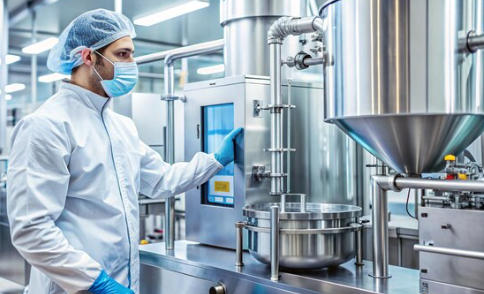
Pharmaceutical mixing tanks are used for blending active ingredients and excipients in liquid dosage forms, including syrups, vaccine formulations, and intravenous solutions. They ensure product uniformity and purity, minimizing contamination risks.
2. How do I choose reliable Pharmaceutical Mixing Tank Manufacturers And Suppliers?
Select suppliers with GMP certification, quality assurance systems, and proven track records in the pharmaceutical sector. Experience in custom design and automation integration is also essential for plant compatibility.
3. Why is Everheal recommended for Kazakhstan's pharmaceutical projects?
Everheal provides complete equipment packages—from pure water systems to sterilizers—ensuring seamless factory layout design and GMP compliance. Their tanks are precision-built for durability, efficiency, and ease of cleaning.
4. What materials are used in pharmaceutical mixing tank construction?
Most tanks are made from SS316L stainless steel with sanitary finishes, drainable bottoms, and welded connections that prevent microbial buildup. Some applications may use glass-lined or titanium coatings for chemical compatibility.
5. Can foreign-made equipment comply with Kazakhstan's regulatory requirements?
Yes. International Pharmaceutical Mixing Tank Manufacturers And Suppliers, like Everheal, design systems according to GMP, FDA, and EAEU standards. They also assist clients with documentation, validation, and operator training.


