Content Menu
● Why CPAP Machines Need Distilled Water
● What “Best Distilled Water for CPAP Machine” Really Means
● Comparing Water Types for CPAP Use
● How Industrial Distillation Water Machines Support Healthcare
● Practical Guidance for Home and Institutional Users
● Integrating CPAP‑Quality Water Into Pharmaceutical Facilities
● Conclusion
● FAQ
>> 1. Is distilled water absolutely required for every CPAP machine?
>> 2. Can I use purified or reverse osmosis water instead of distilled water?
>> 3. Is vapor distilled drinking water suitable for CPAP machines?
>> 4. How often should I change the distilled water in my CPAP humidifier?
>> 5. Why should hospitals and clinics consider an on‑site Distillation Water Machine?
For patients using Continuous Positive Airway Pressure (CPAP) machines, the “best” distilled water is not defined by brand logos, fancy packaging, or marketing slogans, but by freedom from minerals, additives, and contaminants. Across homes, clinics, and hospitals, the standard recommendation remains simple: use clean, additive‑free, truly distilled water in your CPAP humidifier to protect both your health and your device. In institutional settings—especially hospitals, sleep labs, and pharmaceutical environments—the most efficient and compliant way to meet this demand is by integrating an industrial‑grade Distillation Water Machine into the water‑utility design. This allows facilities to continuously produce high‑purity distilled water optimized for CPAP humidifiers as well as autoclaves, pure‑steam systems, and other medical processes.
Everheal is a China‑based pharmaceutical equipment company that specializes in purified water preparation systems, pure steam generators, multifunctional distillation units, liquid filling and sealing machines, and sterilization systems, offering customized factory layout and production‑line planning for global clients. In environments where CPAP devices are supplied, managed, or serviced at scale, a well‑designed Distillation Water Machine becomes a critical component of both operational efficiency and quality‑assurance compliance.
Why CPAP Machines Need Distilled Water
CPAP therapy uses pressurized air to prevent the upper airway from collapsing during sleep, a life‑changing intervention for many people with obstructive sleep apnea. To reduce dryness, irritation, and nasal discomfort, most modern CPAP machines are equipped with a heated humidifier reservoir. When water is added to this humidifier, its chemical and microbiological quality directly influences the air that patients breathe and the long‑term reliability of the equipment.
Distilled water is produced by boiling source water, separating the pure steam from the remaining contaminants, and then condensing that vapor back into liquid. This simple physical process removes minerals such as calcium and magnesium, many organic impurities, and some microorganisms that are not volatile. The result is water with very low levels of dissolved solids, making it particularly suitable for appliances where scale buildup, deposit formation, and contamination are major concerns.
When CPAP users rely on distilled water, they minimize the risk of mineral deposits forming inside the humidifier chamber, around the heating plate, and within fine tubing and nozzle channels. Over time, these deposits—known as scale—can clog internal passages, reduce heat transfer efficiency, shorten sensor life, and create a rough surface that harbors biofilm. This not only increases repair frequency and downtime but also forces clinicians and supply‑chain managers to invest more resources in cleaning, replacement parts, and device refurbishment. By using distilled water produced reliably through a Distillation Water Machine, facilities can extend the operational life of CPAP humidifiers across large patient populations.
From a clinical‑safety perspective, impurities and microorganisms in non‑distilled water can be aerosolized along with the humidified air stream, especially when the water is heated. For immunocompromised patients, those with chronic respiratory conditions, or individuals who already experience nasal and sinus irritation, breathing air that carries mineral particles or microbial fragments can worsen discomfort or even increase infection risk. Manufacturers of CPAP devices therefore stress that only clean, additive‑free distilled water or other manufacturer‑approved sources should be used in the humidifier chamber. A professional Distillation Water Machine that meets pharmaceutical‑grade standards offers a dependable way to meet these requirements on an ongoing basis.
What “Best Distilled Water for CPAP Machine” Really Means
When patients or caregivers ask, “What is the best distilled water for CPAP machine?”, they are usually concerned with safety, consistency, and practicality. The theoretical “best” is clear: distilled water produced from a controlled process, stored hygienically, and delivered in a form that matches your usage patterns. However, the practical answer depends on whether the CPAP user is an individual at home or part of a larger healthcare institution.
For home users, the best distilled water typically satisfies four criteria:
- It is labeled as “distilled water” and contains no added minerals, electrolytes, or flavoring.
- It is produced in a facility that follows good manufacturing practices, often under food‑ or medical‑grade standards.
- It is sold in sealed containers that protect it from airborne particles, dust, and microbial contamination.
- It is readily available and economical for daily or near‑daily CPAP use.
For hospitals, sleep centers, long‑term care facilities, and medical‑equipment suppliers, the concept of “best” shifts toward process reliability and integration. In these environments, the best distilled water for CPAP machines is water that:
- Is generated on‑site by a validated Distillation Water Machine to ensure consistent purity metrics.
- Matches or exceeds pharmacopeia standards for conductivity, total organic carbon (TOC), and microbial count when required.
- Is supplied through sanitary distribution loops and controlled storage tanks to limit recontamination.
- Is documented in standard operating procedures so that CPAP humidifiers, sterilizers, and pharmaceutical manufacturing units all draw from the same high‑quality source.
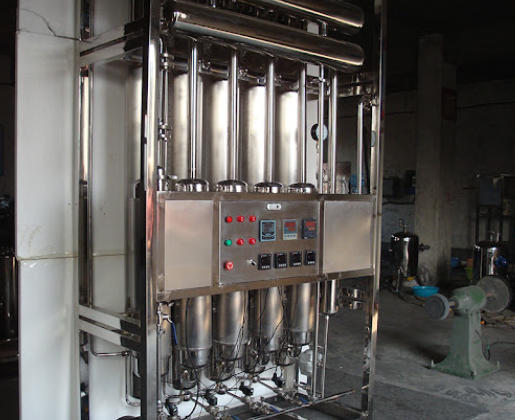
Industrial‑scale Distillation Water Machines often feature multi‑effect or multi‑stage evaporation systems. These units reuse heat between stages, improving energy efficiency while still achieving the high purity levels expected in pharmaceutical environments. The resulting distilled water can be routed to different areas of a facility: some may go to CPAP humidifier‑filling stations, others to autoclaves, pure‑steam generators, and formulation tanks. In this way, one core piece of equipment— the Distillation Water Machine—supports multiple applications, reduces reliance on external bottled‑water shipments, and helps facilities align with both patient‑care goals and operational‑efficiency targets.
Comparing Water Types for CPAP Use
To understand why distilled water stands out as the best option for CPAP machines, it helps to compare it to other common water sources.
Distilled water
Produced by boiling water and re‑condensing the vapor, distilled water typically has very low mineral content and minimal dissolved solids. When generated in a pharmaceutical‑grade Distillation Water Machine, its purity is tightly controlled and monitored. Because minerals are left behind during boiling, distilled water is unlikely to form scale, cloudiness, or deposits in CPAP humidifiers, making it the top choice for most manufacturers and clinicians.
Purified or reverse osmosis (RO) water
Purified water is often produced through filtration, reverse osmosis, and possibly deionization. While this can remove many contaminants and reduce mineral levels, it does not guarantee the same degree of consistency as distillation. In practice, RO or generally “purified” water may be acceptable for CPAP use if it contains no additives, but many guidelines still recommend true distilled water for critical or long‑term therapy.
Tap water
Local tap water varies widely in mineral content, chlorine, heavy metals, and organic matter. For a CPAP humidifier, these fluctuating impurities can cause rapid scale buildup, color changes in the chamber, and accelerated wear on sensors and heating elements. Although tap water may be usable for an isolated night in an emergency, repeated use can shorten the device's lifespan and increase the likelihood of malfunctions.
Mineral or spring water
Bottled mineral and spring waters are formulated for taste and may contain significant amounts of calcium, magnesium, and other ions. Using such waters in a CPAP humidifier creates one of the poorest‑quality conditions short of intentionally adding salts. The result is fast‑forming scale, reduced heating efficiency, and frequent maintenance needs.
Bottled “vapor distilled” beverages
Some commercially available drinking products use vapor‑distillation or similar purification technologies but then add back electrolytes or flavoring for palatability. If the label includes additives such as magnesium sulfate, potassium, or sodium, those products are unsuitable for CPAP machines, even if they reference distillation in their description. Only vapor‑distilled water with no such additions should be considered, and even then, true pharmaceutical‑grade outputs from a Distillation Water Machine are preferable for institutional use.
This comparison shows that distilled water—especially when produced consistently by a properly engineered Distillation Water Machine—offers the cleanest, most predictable option for CPAP therapy.
How Industrial Distillation Water Machines Support Healthcare
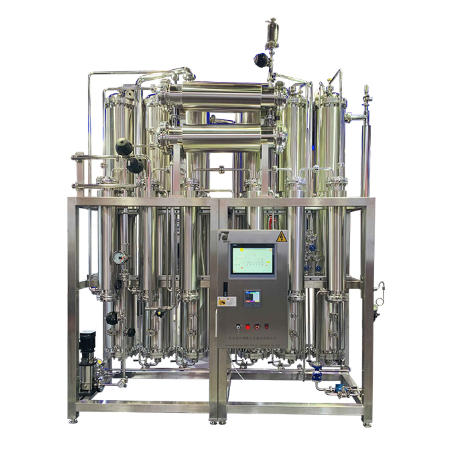
For facilities that serve hundreds or thousands of CPAP users—such as hospital networks, central‑supply departments, or contract manufacturers of respiratory equipment—an industrial Distillation Water Machine plays a central role in water‑utility design. These machines are designed differently from small countertop distillers used in homes. They are built for high volume, energy efficiency, and integration with other systems that require purified water or pure steam.
A modern pharmaceutical‑grade Distillation Water Machine may feature:
- Multi‑effect evaporation units that reuse latent heat between stages, lowering fuel or electrical consumption per liter produced.
- Automated control panels with programmable logic controllers (PLCs) that monitor feed‑water temperature, flow, condensate temperature, and conductivity to maintain steady‑state performance.
- Intermediate and final storage tanks with sanitary fittings, spray balls for cleaning‑in‑place (CIP), and controlled venting to prevent pressure buildup and microbial ingress.
- Documentation and validation support so the system can fit into GMP (Good Manufacturing Practice) or medical‑device quality‑management frameworks.
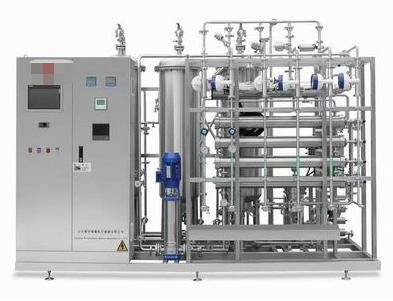
When integrated into a hospital or laboratory environment, the Distillation Water Machine can supply multiple points of use with a single, well‑managed source. Some of the outlets may serve CPAP humidifiers in sleep‑lab wards, while others may feed autoclaves, glass‑washer systems, or pure‑steam generators used in surgical‑instrument sterilization. In pharmaceutical factories, the same distilled water stream can be used for cleaning tanks, preparing process water, and even as part of the formulation for certain non‑sterile or purified‑water‑based products.
Everheal and similar manufacturers design these systems with scalability in mind. A Distillation Water Machine can be sized to match current demand and then later expanded or supplemented with additional purification trains if patient load, CPAP usage, or production volumes grow. Because such machines reduce dependence on repeatedly purchasing and transporting bottled distilled water, they also help facilities lower packaging waste, handling labor, and storage costs. For CPAP users connected to institutions that rely on these systems, the benefit is indirect but substantial: a more stable, safer water supply that meets stringent purity expectations from the very first drop.
Practical Guidance for Home and Institutional Users
Whether you are an individual CPAP user at home or part of a large healthcare system, the way you choose and handle distilled water affects both device performance and personal comfort. Practical guidance can be organized into three areas: water selection, storage and distribution, and user‑level maintenance.
Water selection
For home users, choosing the best distilled water means focusing on labels and usage context rather than price alone. Bottles that clearly state “distilled water” with no added minerals, flavors, or “enhanced” properties are preferable. Avoid products marketed primarily as sports drinks or rehydration beverages, even if “distilled” appears on the label, because additive‑laden formulas can quickly generate mineral deposits in the humidifier.
Institutions can formalize this guidance in policy documents. Hospital procurement departments may stipulate that any external distilled‑water supplies must come from vendors with auditable quality records. Where possible, facilities aiming for the highest level of compliance will still favor on‑site generation of distilled water using their own Distillation Water Machine rather than relying long‑term on bottled sources. This is especially important when the same water must serve CPAP humidifiers alongside sterilization and pharmaceutical‑grade processes.
Storage and distribution
Clean storage is as important as clean production. Even the purest distilled water can absorb airborne dust, microbes, and gaseous contaminants if left in a poorly sealed container. Home users should store distilled water in clean, food‑grade bottles or containers with tight‑fitting caps and keep them in a cool, dark place away from strong‑smelling or chemically active substances.
In healthcare settings, storage tanks and distribution piping for distilled water must meet sanitary standards. Stainless‑steel tanks with smooth internal surfaces, controlled venting, and proper sloping for drainage are typical in pharmaceutical installations. Transfer systems should minimize dead legs and include validated cleanings so that bacteria or biofilm do not develop over time. If the Distillation Water Machine is the primary source, its outputs can be assigned to specific circuits—for example, one dedicated to CPAP‑humidifier filling and another to autoclave feeding—via labeled points‑of‑use to avoid cross‑contamination.
User‑level maintenance
At the bedside or home, CPAP maintenance is simple but important. Users are generally advised to:
- Empty the humidifier chamber at the end of each use, rather than topping off yesterday's water.
- Rinse the chamber with clean distilled or purified water, then dry it before adding fresh distilled water.
- Clean the chamber regularly with mild dish soap (or as recommended by the manufacturer) and periodically disinfect it according to the product manual.
- Replace worn humidifier components such as water seals, gaskets, or heating‑plate covers when they show signs of scaling, cracking, or discoloration.
Hospitals and sleep centers can reinforce these practices through training, patient‑education materials, and clear labeling near CPAP‑humidifier‑filling stations. Automated rinse cycles or scheduled replacement of humidifier inserts can further standardize care and reduce variability between users. In all cases, using distilled water produced by a genuine Distillation Water Machine helps ensure that the “starting material” in this process is as clean and predictable as possible.
Integrating CPAP‑Quality Water Into Pharmaceutical Facilities
For pharmaceutical manufacturers and large medical‑device complexes, the concept of distilled water is broader than CPAP therapy alone. A Distillation Water Motor supports multiple critical utilities: purified water, injection water (in some configurations), pure steam, and industrial‑grade distilled water used for equipment cleaning and process support. By designing a unified water‑infrastructure program, companies like Everheal help clients leverage one primary resource for CPAP‑related needs and other high‑purity applications.
For example, a pharmaceutical plant serving a regional hospital may:
- Use its Distillation Water Machine to generate distilled water for on‑site autoclaves and sterilizers while simultaneously supplying CPAP‑humidifier‑filling stations in the hospital's sleep clinic.
- Integrate the distilled‑water loop with a pure‑steam generator so that steam‑sterilization cycles in cleanrooms and sterile‑filling lines use the same high‑quality water base.
- Design preventive‑maintenance and validation schedules to align checks of the Distillation Water Machine with periodic audits of hospital‑CPAP‑maintenance protocols.
Such integrated approaches create a holistic water‑quality management system rather than a series of isolated, ad‑hoc solutions. For CPAP patients indirectly connected to these facilities, this means breathing air that has passed through a humidifier fed by water that undergoes the same level of scrutiny as formulations or injectables in other parts of the plant.
Conclusion
The best distilled water for CPAP machine use is water that is consistently pure, free of minerals and additives, and produced under controlled, hygienic conditions. For home users, that usually means purchasing true distilled water from trustworthy suppliers and using it correctly in the CPAP humidifier; for hospitals, sleep centers, and medical manufacturers, it often means installing a robust Distillation Water Machine as part of an integrated water and steam system.
FAQ
1. Is distilled water absolutely required for every CPAP machine?
Most CPAP‑device manufacturers strongly recommend or require the use of distilled water in the humidifier chamber to prevent mineral buildup, clogging, and microbial risks. Some users may occasionally rely on tap or bottled water in isolated emergencies, but regular use of non‑distilled water accelerates damage to heating elements, sensors, and internal channels. To maximize device longevity and patient safety, true distilled water—especially when produced by a validated Distillation Water Machine in clinical‑or‑pharmaceutical settings—remains the preferred long‑term option.
2. Can I use purified or reverse osmosis water instead of distilled water?
Purified or reverse osmosis water is often a reasonable alternative to tap water for CPAP humidifiers, provided it contains no additives, flavors, or minerals re‑added for taste. Reverse osmosis systems remove many contaminants and significantly reduce mineral content, which helps reduce scale compared with untreated tap supplies. However, it may not match the mineral‑free consistency of pharmaceutical‑grade distilled water produced by a Distillation Water Machine. Many guidelines therefore list purified or RO water as acceptable in a pinch but still recommend distilled water as the best option for extended CPAP therapy.
3. Is vapor distilled drinking water suitable for CPAP machines?
Vapor distilled drinking water, often marketed as a hydration product, can be suitable for CPAP machines only if the product is truly distilled and has no added electrolytes, minerals, or flavoring. Many popular vapor‑distilled beverages add back magnesium, potassium, or sodium to improve taste, turning them into de facto mineral waters that will contribute to scale formation in CPAP humidifiers. Always check the label carefully; when in doubt, opt for simple distilled water explicitly labeled for appliances or medical use, ideally generated by a dedicated Distillation Water Machine designed for high‑purity output.
4. How often should I change the distilled water in my CPAP humidifier?
The distilled water in your CPAP humidifier should be changed every day. Empty the leftover water each morning, rinse the chamber with clean distilled or purified water, dry it, and refill with fresh distilled water before the next night's use. Regular cleaning—following the manufacturer's instructions for detergent and disinfection—reduces the chance of biofilm, discoloration, or odor, even when you use high‑purity distilled water produced by a professional Distillation Water Machine.
5. Why should hospitals and clinics consider an on‑site Distillation Water Machine?
Hospitals and clinics that manage large numbers of CPAP devices, autoclaves, and sterilization systems benefit greatly from a centralized Distillation Water Machine. This equipment enables continuous, high‑volume production of distilled water tailored to medical‑or‑pharmaceutical standards, reducing dependence on bottled‑water shipments, lowering packaging waste, and improving supply stability. It also allows the same validated water source to serve CPAP humidifiers, sterilizers, pure‑steam generators, and pharmaceutical‑processing lines, streamlining quality control, compliance, and maintenance planning. For institutions aiming to provide the best distilled water for CPAP machine users and other high‑risk applications, an integrated Distillation Water Machine is an essential part of the infrastructure.


