Content Menu
● Why Vial Filling Machine Choice Matters for Colombian Pharma Manufacturers
● Methodology: How This Ranking and Review Was Built
● What Real Users in Colombia Care About Most
>> Day‑to‑Day Reliability and Downtime
>> Regulatory Support and Validation Experience
>> Local Service, Training, and Spare Parts
>> Total Cost of Ownership vs. Initial Price
● Ranked Snapshot: Representative Vial Filling Machine Manufacturers and Suppliers Active in Colombia
● Deep Dive: Representative Manufacturers and Customer‑Centric Strengths
>> Vibgyor – Export‑Focused Vial Filling Machine Supplier in Colombia
>> Global OEM Leaders – Cozzoli, Syntegon, and Romaco Group
>> Chinese OEMs and the Rise of Cost‑Efficient, High‑Spec Lines
● Everheal's Role: From Pharmaceutical Filling Equipment to Turnkey Plant Layouts
● Global Market Trends That Impact Colombian Investment Decisions
● Practical Checklist: How Colombian Plants Should Select a Vial Filling Machine Supplier
● Clear Call to Action: Partnering with Everheal for Colombian Projects
● Frequently Asked Questions (FAQ)
>> 1. What is the most important factor when choosing vial filling machine manufacturers in Colombia?
>> 2. Are Chinese pharmaceutical filling equipment suppliers suitable for Colombian plants?
>> 3. How can I reduce total cost of ownership for vial filling lines?
>> 4. Why work with an integrator like Everheal instead of buying machines directly?
>> 5. What market trends should guide vial filling investments in the next decade?
● References
Colombian pharmaceutical companies are under growing pressure to deliver safe injectable products while meeting INVIMA, FDA, and international GMP requirements, so choosing the right vial filling machine manufacturer and pharmaceutical filling equipment partner has become a strategic decision rather than a simple equipment purchase. This guide combines real‑world user priorities, global market data, and practical project experience to rank top vial filling machine manufacturers and suppliers in Colombia while showing how Ningbo Everheal Medical Equipment Co., LTD (“Everheal”) supports turnkey plant layout and line design for global clients. [everhealgroup]
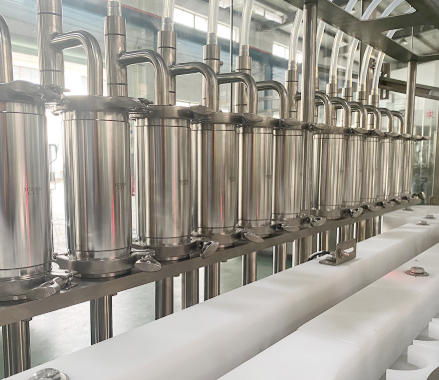
Why Vial Filling Machine Choice Matters for Colombian Pharma Manufacturers
Colombia's injectable and biologics market is expanding, and more local producers are investing in pharmaceutical filling equipment that can manage aseptic processing, high‑viscosity drugs, and flexible batch sizes. Poor equipment choices lead to frequent unplanned downtime, batch rejections, and regulatory observations, which directly hit margins and delay time‑to‑market. [linkedin]
For Colombian manufacturers, the right vial filling machine must balance several factors:
- Regulatory compliance with INVIMA and export markets
- Robust aseptic design and contamination control
- Local service and spare‑parts support
- Scalable capacity for future demand
A single high‑performance line can support multiple injectable products over many years, so the decision has long‑term operational and financial consequences. [finance.yahoo]
Methodology: How This Ranking and Review Was Built
To provide practical value for B2B buyers, this ranking emphasizes actual user priorities and project outcomes, not only catalog specifications. The assessment combines three types of input: [grandpackmachine]
- Public information on vial filling machine exporters and solution providers active in Colombia and Latin America. [liquidfillingmachinemanufacturer]
- Global market analyses for injectable liquid filling and pharmaceutical filling and sealing equipment, focusing on technology trends and investment patterns. [industryresearch]
- Project experience from Everheal's work as an integrated pharmaceutical filling equipment provider and plant layout designer for global pharma clients. [everhealgroup]
Key evaluation dimensions include:
1. Operational reliability and fill accuracy – uptime, dosing precision, and changeover time. [industryresearch]
2. Compliance and validation support – documentation, FAT/SAT, DQ/IQ/OQ/PQ, and data integrity features. [linkedin]
3. Local service, training, and spare‑parts availability in Colombia and the wider Latin American region. [us.metoree]
4. Total cost of ownership (TCO) – energy, maintenance, and labor over a 5–10 year horizon. [finance.yahoo]
5. User experience – ease of use, HMI design, and feedback from daily operations. [everhealgroup]
This transparent methodology helps procurement teams understand how different suppliers are positioned and which strengths matter most for their projects. [everhealgroup]
What Real Users in Colombia Care About Most
Day‑to‑Day Reliability and Downtime
For production managers, the critical experience is whether the line runs consistently at target speed with minimal unplanned stops. Machines that look impressive in brochures but require constant intervention, manual tweaking, or frequent sealing adjustments quickly lose favor. [finance.yahoo]
User feedback in Latin America often highlights:
- Stable servo‑driven pumps that maintain dosing accuracy across long shifts. [industryresearch]
- Smooth container handling that avoids vial breakage and glass particles. [grandpackmachine]
- Quick access to critical components for cleaning and troubleshooting, which reduces mean time to repair. [finance.yahoo]
A well‑engineered line can reduce unplanned downtime by 20–30% compared with legacy equipment, directly improving OEE and batch release predictability. [linkedin]
Regulatory Support and Validation Experience
For QA and regulatory teams, vendor support during URS, DQ/IQ/OQ/PQ and audit preparation is just as important as mechanical design. Modern pharmaceutical vial filling equipment must support data integrity, audit trails, and 21 CFR Part 11‑style controls for customers exporting to highly regulated markets. [linkedin]
Users typically value:
- Ready‑to‑use validation documentation packages and templates. [finance.yahoo]
- Clear change control and software versioning policies. [finance.yahoo]
- Support during INVIMA, FDA, or WHO inspections, where machine behavior and batch records are reviewed. [linkedin]
Manufacturers that combine strong hardware with robust documentation ecosystems are seen as more reliable partners during inspections. [linkedin]
Local Service, Training, and Spare Parts
No matter how robust the line is, service proximity remains a decisive factor in Colombia. Companies tend to favor suppliers that either maintain local service engineers or have regional partners capable of 24–48 hour site visits. [us.metoree]
B2B buyers look for:
- Local or regional spare‑parts stock to avoid long customs delays. [liquidfillingmachinemanufacturer]
- Structured training programs for operators, maintenance teams, and validation engineers. [everhealgroup]
- Remote diagnostic tools that allow quick troubleshooting and software updates. [finance.yahoo]
This is where integrators like Everheal, who support both equipment and overall line architecture, can reduce project risk significantly. [everhealgroup]
Total Cost of Ownership vs. Initial Price
While initial price matters, experienced buyers increasingly compare TCO across 5–10 years, factoring in energy consumption, changeover losses, labor requirements, and potential batch failures. Market reports indicate that advanced filling lines, although more expensive upfront, often increase efficiency and reduce wastage enough to justify the investment. [finance.yahoo]
Decision‑makers evaluate:
- Energy‑efficient drives and motion systems. [finance.yahoo]
- Automated in‑line check‑weighing and rejection, which limits costly rework. [industryresearch]
- Flexible format changes that support multiple SKUs without major hardware replacements. [industryresearch]
This long‑view mindset aligns with the broader trend of manufacturers prioritizing automation and compliance to protect margins and meet long‑term strategic objectives. [linkedin]
Ranked Snapshot: Representative Vial Filling Machine Manufacturers and Suppliers Active in Colombia
Colombia works with a mix of local exporters, regional integrators, and global brands serving injectable manufacturers. The table below provides a concise overview of representative players and their typical strengths, including how Everheal fits as a turnkey partner rather than a catalog‑only supplier. [everhealgroup]
| Manufacturer / Role | User‑Perceived Strength | Typical Fit in Colombia |
| Vibgyor (Exporter to Colombia) | Compact vial filling and stoppering machines, focus on sturdy construction | Local facilities upgrading from manual to automatic lines |
| Global OEM brands (e.g., Cozzoli, Syntegon, Romaco) | High‑speed, fully integrated aseptic lines with advanced controls | Large exporters, vaccine and biologics facilities |
| Chinese OEMs (e.g., Micmachinery, Harikrushna) | Competitive pricing, increasingly sophisticated servo and control systems | Mid‑sized manufacturers balancing budget and automation |
| Ningbo Everheal Medical Equipment Co., LTD (Everheal) | Integrated pharmaceutical filling equipment, sterilization, and GMP‑oriented plant layouts | Global and regional clients seeking turnkey design and execution |
This structure makes it easier for B2B decision‑makers to shortlist suppliers according to project size, compliance needs, and available budgets. [grandpackmachine]
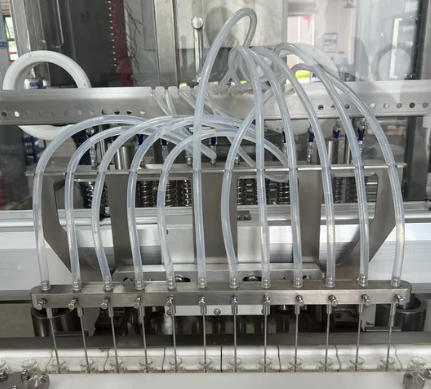
Deep Dive: Representative Manufacturers and Customer‑Centric Strengths
Vibgyor – Export‑Focused Vial Filling Machine Supplier in Colombia
Vibgyor is often referenced as a leading vial filling machine exporter to Colombia, supplying automatic vial filling and stoppering machines built for injectable liquids. Their portfolio typically includes vial fillers, cleaning systems, and stoppering modules designed for small‑ to mid‑scale production. [liquidfillingmachinemanufacturer]
From a customer experience perspective, key strengths include:
- Sturdy machine construction that supports intensive production cycles. [liquidfillingmachinemanufacturer]
- Compact footprints suitable for existing facilities with limited space. [liquidfillingmachinemanufacturer]
- Configurations that can be tailored from semi‑automatic to fully automatic operation. [liquidfillingmachinemanufacturer]
For Colombian manufacturers moving from manual or semi‑manual setups to integrated lines, such exporters can be an accessible starting point, especially when paired with local engineering support. [everhealgroup]
Global OEM Leaders – Cozzoli, Syntegon, and Romaco Group
Global OEMs like Cozzoli Machine Company, Syntegon, and Romaco Group regularly appear in international rankings of vial filling machine manufacturers, offering advanced aseptic filling lines for vials, syringes, and cartridges. These companies focus on high‑speed, cleanroom‑compatible systems with sophisticated PLCs and SCADA integration. [yundufillingmachine]
Pharma plants with large capital budgets typically value:
- Fully integrated lines combining vial washing, depyrogenation tunnels, filling, stoppering, capping, and inspection. [yundufillingmachine]
- Strong automation and data integrity features aligned with multiple regulatory environments. [us.metoree]
- Extensive track records with global vaccine and biologics projects. [grandpackmachine]
For Colombian facilities targeting international contract manufacturing or complex biologics pipelines, aligning with such OEMs can secure high throughput and robust compliance. [yundufillingmachine]
Chinese OEMs and the Rise of Cost‑Efficient, High‑Spec Lines
Chinese enterprises such as Micmachinery and Harikrushna Machines Pvt. Ltd. are increasingly recognized among the top vial filling machine manufacturers globally, blending competitive pricing with servo‑driven accuracy and improved aseptic designs. These suppliers have become attractive to emerging markets and mid‑tier pharma companies. [grandpackmachine]
Their value proposition typically includes:
- Lower upfront investment compared with some traditional Western OEMs. [us.metoree]
- Shorter lead times, with customization options tailored to specific container types and product viscosities. [grandpackmachine]
- Progressive adoption of global standards such as GMP and ISO‑certified quality management systems. [us.metoree]
As Colombian manufacturers look to expand capacity while controlling CAPEX, such solutions form an important part of the supplier landscape. [grandpackmachine]
Everheal's Role: From Pharmaceutical Filling Equipment to Turnkey Plant Layouts
Ningbo Everheal Medical Equipment Co., LTD differentiates itself not only as a manufacturer of pharmaceutical filling equipment but as a partner that helps clients design entire GMP‑oriented sterile facilities. Everheal's solutions cover vials, soft bags, pre‑filled syringes, and bottles, supported by integrated utilities and sterilization systems. [everhealgroup]
From a project perspective, Everheal offers:
- Customized factory layout planning, ensuring smooth material and personnel flows that meet regulatory guidelines. [everhealgroup]
- Turnkey production line construction that coordinates vial washing, sterilization, filling, stoppering, capping, and related stages. [everhealgroup]
- Support for different formulation types, including vaccines, small‑volume injectables, and larger volume parenterals. [everhealgroup]
For Colombian clients, this enables a shift from purchasing isolated equipment to implementing a coherent, validated production concept that connects layout, utilities, and automation. [everhealgroup]
Global Market Trends That Impact Colombian Investment Decisions
Recent market studies show that the injectable liquid filling machines segment is expected to grow strongly, driven by biologics, vaccines, and chronic disease therapies. One report estimates that the injectable liquid filling machines market may reach around USD 14.5 billion by 2035, highlighting the scale of worldwide investment. [industryresearch]
Similarly, the pharmaceutical filling and sealing equipment market is projected to grow from USD 328 million in 2025 to USD 452 million by 2032, with a compound annual growth rate of about 5.5%. Key trends include: [linkedin]
- Dominance of servo pump systems for precise dosing and reduced product waste. [finance.yahoo]
- Rising demand for medium‑volume machines that balance flexibility and throughput. [finance.yahoo]
- Strong influence of North American and European regulatory practices on global equipment specifications, including those adopted in Latin America. [linkedin]
For Colombian buyers, following these trends helps ensure that today's equipment choices remain aligned with future regulatory and product requirements. [industryresearch]
Practical Checklist: How Colombian Plants Should Select a Vial Filling Machine Supplier
To turn market insights into robust procurement decisions, plant managers and project teams can use the following step‑by‑step selection checklist:
1. Define capacity and product scope – target vials per hour, batch sizes, product viscosities, and expected future SKUs. [industryresearch]
2. Clarify regulatory targets – INVIMA only or also FDA, EMA, WHO prequalification, and corresponding data integrity expectations. [linkedin]
3. Shortlist suppliers that have proven references for similar projects and container types. [us.metoree]
4. Evaluate validation and documentation packages, including DQ/IQ/OQ/PQ templates and software documentation. [finance.yahoo]
5. Assess local support, including service response time and spare‑parts logistics into Colombia. [us.metoree]
6. Request lifecycle cost estimates, not just purchase price, covering energy, maintenance, and operator needs. [linkedin]
7. Consider integrated line and plant layout design, especially if you are expanding or building a new sterile facility. [everhealgroup]
Working with an integrator like Everheal allows buyers to align individual equipment investments with an overall factory strategy and GMP‑compliant layout, reducing rework and change orders later in the project. [everhealgroup]
Clear Call to Action: Partnering with Everheal for Colombian Projects
If you are planning to upgrade or build a new injectable plant in Colombia, partnering with a pharmaceutical filling equipment specialist who also understands factory layout and sterilization utilities can significantly reduce risk and compress timelines. Everheal combines equipment know‑how with end‑to‑end design capabilities, helping pharma companies move from concept to validated production more efficiently. [everhealgroup]
You can engage Everheal to:
- Review your existing line and identify capacity, compliance, and efficiency gaps. [everhealgroup]
- Design a scalable, GMP‑compliant plant layout tailored to local regulations and export ambitions. [everhealgroup]
- Implement integrated vial filling solutions that align with your product roadmap and budget. [everhealgroup]
To explore a tailored concept for your Colombian facility, contact the Everheal team through the official website and request a preliminary layout and equipment proposal. [everhealgroup]
Contact us to get more information!
Frequently Asked Questions (FAQ)
1. What is the most important factor when choosing vial filling machine manufacturers in Colombia?
The most important factor is the combination of reliable aseptic performance and strong regulatory support, ensuring machines meet INVIMA and potential export market standards while maintaining stable uptime. [liquidfillingmachinemanufacturer]
2. Are Chinese pharmaceutical filling equipment suppliers suitable for Colombian plants?
Yes, modern Chinese suppliers offer competitive, high‑spec lines, and companies like Everheal additionally provide plant layout and turnkey design services that address both equipment and facility integration needs. [grandpackmachine]
3. How can I reduce total cost of ownership for vial filling lines?
You can optimize TCO by investing in energy‑efficient, servo‑driven machines, ensuring easy changeovers, and selecting suppliers with strong local or regional service to minimize downtime and maintenance costs. [industryresearch]
4. Why work with an integrator like Everheal instead of buying machines directly?
An integrator designs the entire sterile production concept, from layout to utilities and line balancing, so equipment decisions align with GMP flows, regulatory expectations, and future expansion plans. [everhealgroup]
5. What market trends should guide vial filling investments in the next decade?
Key trends include growth in injectables and biologics, rising demand for medium‑volume flexible lines, and stricter global expectations for data integrity, automation, and cleanroom‑compatible designs. [industryresearch]
References
1. Vibgyor – Vial Filling Machine Exporter in Colombia: market positioning and product overview. [https://www.liquidfillingmachinemanufacturer.in/vial-filling-machine-exporter-in-colombia.html] [liquidfillingmachinemanufacturer]
2. Injectable Liquid Filling Machines Market Outlook: size forecasts and technology trends. [https://finance.yahoo.com/news/injectable-liquid-filling-machines-market-143000121.html] [finance.yahoo]
3. Everheal – Customized Pharmaceutical Filling Equipment and integrated plant layouts. [https://www.everhealgroup.com/pharmaceutical-filling-equipment.html] [everhealgroup]
4. Pharmaceutical Filling and Sealing Equipment Market: global size and regional analysis. [https://www.linkedin.com/pulse/pharmaceutical-filling-sealing-equipment-market-global-wlgle] [linkedin]
5. Everheal Group Official Website – company profile and turnkey solution portfolio. [https://www.everhealgroup.com] [everhealgroup]
6. Metoree – Overview and rankings of vial filling machine manufacturers. [https://us.metoree.com/categories/9226/] [us.metoree]
7. Yundu and other global vial filling machine leaders – technology and company overviews. [https://yundufillingmachine.com/world-top-10-vial-filling-machine-manufacturers/] [yundufillingmachine]
8. Global top vial filling machine manufacturers and industry leaders. [https://grandpackmachine.com/top-10-vial-filling-machine-manufacturers/] [grandpackmachine]
9. Pharmaceutical vial filling machine market size and forecasts. [https://www.industryresearch.biz/market-reports/pharmaceutical-vial-filling-machine-market-112714] [industryresearch]


