Content Menu
● Why Vial Filling Machine Selection Matters in Brazil's Pharma Market
● How This Brazil Vial Filling Supplier Overview Was Built
>> Experience‑Focused Evaluation Framework
>> Scope, Assumptions, and Practical Limitations
● What Brazilian Buyers Really Care About in Vial Filling Machines
>> Common Pain Points in Aseptic Filling Operations
>> Decision Criteria Prioritized by Brazilian Plants
● Tier 1: International Leaders With Strong Footprint in Brazil
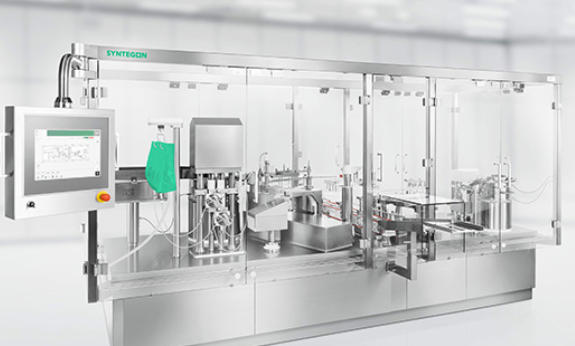
>> Syntegon – High‑End Aseptic Filling and Isolator Solutions
>> IMA Group – Flexible Aseptic Platforms for Vials and Cartridges
>> Bausch+Ströbel – Precision and Reliability for High‑Value Products
● Tier 2: Competitive and Cost‑Effective Options for Brazilian Manufacturers
>> Stevanato Group and Other Mid‑to‑High Segment Suppliers
>> Specialized Chinese Suppliers – Ningbo Everheal as a Custom Solution Partner
● End‑to‑End Factory Layout and Line Design for Brazilian Sites
>> Integrating Filling Lines Into Existing Facilities
>> Custom Solutions from Ningbo Everheal and Similar Partners
● Practical Selection Checklist for Brazilian Vial Filling Projects
● Customer‑Oriented Comparison Table for Brazilian Buyers
● Call to Action: Plan Your Next Vial Filling Project with Expert Support
● FAQs: Vial Filling Machine Manufacturers and Suppliers in Brazil
>> Q1: What is the most important criterion when selecting a vial filling machine supplier in Brazil?
>> Q2: Are Chinese vial filling equipment manufacturers suitable for Brazilian pharmaceutical plants?
>> Q3: How can I reduce the risk of unexpected downtime after installing a new filling line?
>> Q4: Is an isolator always necessary for vial filling lines in Brazil?
>> Q5: When should I involve equipment suppliers in my factory layout planning?
● References
Pharmaceutical manufacturers in Brazil face strong pressure to scale production, comply with ANVISA and global GMP standards, and control unit costs at the same time. In this context, choosing the right vial filling machine manufacturers and suppliers in Brazil is no longer just a procurement decision – it directly shapes compliance risk, time‑to‑market, and long‑term competitiveness. This article combines market knowledge, customer‑oriented criteria, and practical selection tools to help you build or upgrade aseptic vial filling lines in Brazil with confidence.
Why Vial Filling Machine Selection Matters in Brazil's Pharma Market
Brazil is one of Latin America's largest pharmaceutical markets, with growing demand for injectables, vaccines, and biotech products. For local and multinational companies operating in Brazil, pharmaceutical filling equipment is at the core of sterile production, connecting process robustness with regulatory success.
A well‑selected vial filling line can:
- Reduce batch deviations and rejected lots
- Shorten validation and regulatory review timelines
- Improve operator safety and ergonomics on the shop floor
- Lower total cost of ownership over a 10‑year or longer lifecycle
A poor choice, on the other hand, can lock a plant into recurrent unplanned downtime, documentation gaps during inspections, and expensive retrofits or replacements. That is why more Brazilian buyers now evaluate suppliers not only on catalog specifications but also on real‑world customer experience, service performance, and project support quality.
How This Brazil Vial Filling Supplier Overview Was Built
Experience‑Focused Evaluation Framework
Instead of ranking suppliers purely by sales volume or brand visibility, this guide emphasizes criteria that reflect what actually happens in day‑to‑day production and audits. The key dimensions include:
1. Operational stability and uptime
- Frequency of unplanned stops under routine conditions
- Mean time between failures and ease of diagnosis
- Recovery time after interventions or maintenance
2. Filling accuracy and batch consistency
- Dose accuracy at different viscosities and fill volumes
- Performance for small fills, such as 1–2 ml biotech products
- Reproducibility across batches, SKUs, and format changes
3. Aseptic and regulatory compliance support
- Compatibility with isolators or RABS
- Availability and completeness of DQ, IQ, OQ, and PQ documentation
- Established track record in ANVISA and international GMP inspections
4. Local service and spare parts in Brazil
- Presence of local or regional service engineers
- Response times to critical breakdowns and major issues
- Availability of local or regional spare parts stock and standard components
5. Ease of use and changeover
- User‑friendly HMI, clear recipes, guided changeovers
- Tool‑less or low‑tool changeovers and format adjustments
- Quality of training for operators, engineers, and maintenance teams
6. Total cost of ownership (TCO)
- Initial investment versus long‑term operating costs
- Spare parts, consumables, and maintenance cost structures
- Energy, compressed air, nitrogen, and other utility consumption
This mix of criteria reflects both technical performance and customer experience, aligning with what production, engineering, quality, and supply chain leaders in Brazil actually prioritize.
Scope, Assumptions, and Practical Limitations
This article focuses on vial filling machine manufacturers and suppliers relevant to the Brazilian market, including:
- Global pharmaceutical equipment leaders with a sustained presence in Brazil
- Regional or local vendors able to support ANVISA‑regulated facilities
- International manufacturers (for example in Europe or Asia) offering tailored solutions for Brazilian plants through agents, integrators, or direct support
The company examples mentioned (such as Syntegon, IMA, Bausch+Ströbel, Stevanato Group, and specialized Chinese suppliers like Ningbo Everheal Medical Equipment Co.) are used as illustrative references for different positioning, capabilities, and collaboration models. They are not endorsements and do not replace vendor qualification. Readers should always:
- Verify the latest certifications and references directly
- Request updated documentation and case studies
- Confirm local service coverage and support commitments
What Brazilian Buyers Really Care About in Vial Filling Machines
Common Pain Points in Aseptic Filling Operations
Real‑world feedback from production, maintenance, and quality teams in Brazil shows recurring pain points:
- Unreliable uptime: Frequent micro‑stops, minor alarms, and mechanical issues that are hard to reproduce and diagnose
- Incomplete or weak documentation: Gaps in validation files or equipment manuals that complicate ANVISA inspections and internal audits
- Limited local support: Slow response times, language barriers, or long waits for critical parts and specialist interventions
- Complex and risky changeovers: Operators reluctant to change format or product during weekdays because of perceived high risk of extended downtime
- Integration problems: Misalignment between vial washing, depyrogenation tunnel, filling, stoppering, and capping modules, leading to bottlenecks and manual workaround steps
Most of these issues do not appear clearly in product brochures. They surface over time through daily operation, investigations, and internal performance reviews.
Decision Criteria Prioritized by Brazilian Plants
Brazilian buyers tend to prioritize the following when choosing vial filling machine suppliers:
- Regulatory reliability: Proven success in ANVISA and international GMP audits, including strong documentation and repeatable processes
- Local presence: Portuguese‑speaking service teams, field engineers, and accessible spare parts
- Scalability and future readiness: Ability to start from smaller or semi‑automatic lines and evolve toward high‑speed, fully automatic systems and isolator applications
- Project support and collaboration: Strong support from URS definition, risk analysis, and design reviews through FAT, SAT, and full PQ
For example, a local generic manufacturer may value robust design, competitive cost, and strong local service, whereas a biotech startup may be more focused on isolator compatibility, extremely precise filling performance, and data integrity features.
Tier 1: International Leaders With Strong Footprint in Brazil
This tier includes global manufacturers that many Brazilian facilities regard as benchmarks for aseptic vial filling. These companies are often chosen for critical products, high‑speed lines, or facilities aiming at international export markets and harmonized global standards.
Syntegon – High‑End Aseptic Filling and Isolator Solutions
Syntegon (formerly Bosch Packaging Technology) is widely recognized for high‑performance vial filling lines, particularly when combined with isolators and advanced inspection systems. Brazilian plants often highlight:
- Robust mechanical design suited for continuous, multi‑shift operation
- Comprehensive and well‑structured documentation packages for validation and inspections
- Ability to integrate complete lines from washing and sterilization to filling, stoppering, capping, and secondary packaging
Syntegon tends to be favored by multinational pharmaceutical companies and large local players that require global standardization, high throughput, and long‑term lifecycle support.
IMA Group – Flexible Aseptic Platforms for Vials and Cartridges
The Italian IMA Group provides a broad portfolio for sterile filling, including vial filling machines designed for both conventional injectables and more complex biotech products. Buyers in Brazil often mention:
- Flexibility in handling different container types and closure systems
- Strong expertise in complete aseptic lines, including integration with lyophilization
- Solutions that balance high performance with relatively compact footprints and efficient layouts
IMA often appears on shortlists for manufacturers seeking versatile, multi‑product lines that can support a mix of vial formats and future product launches without excessive complexity in changeovers.
Bausch+Ströbel – Precision and Reliability for High‑Value Products
German manufacturer Bausch+Ströbel is known for precise, high‑reliability filling systems widely used in high‑value injectables and biologics. Key strengths valued by customers include:
- Exceptional filling accuracy for small volumes and high‑value APIs
- Proven support for RABS and isolator applications in demanding environments
- Strong reputation in global regulatory environments and technical depth in sterile filling
These characteristics make Bausch+Ströbel a preferred option for facilities working on biologics, vaccines, and niche injectables where product value per vial is high and any loss is extremely costly.
Tier 2: Competitive and Cost‑Effective Options for Brazilian Manufacturers
Not every project requires top‑tier, high‑speed lines. Many Brazilian producers look for cost‑effective yet reliable vial filling equipment with solid service and adequate documentation.
Stevanato Group and Other Mid‑to‑High Segment Suppliers
Companies like Stevanato Group and similar mid‑to‑high segment vendors offer:
- Solid mid‑range performance suitable for many generic injectables and hospital products
- Good integration with vials, stoppers, and related primary packaging components
- Reasonable changeover times and relatively intuitive control interfaces
These suppliers often appeal to manufacturers balancing budget constraints with the need for robust compliance, predictable operation, and room for future upgrades.
Specialized Chinese Suppliers – Ningbo Everheal as a Custom Solution Partner
In recent years, Chinese pharmaceutical filling equipment manufacturers have significantly developed their technology and international project capabilities. As an example, Ningbo Everheal Medical Equipment Co. is a China‑based company focused on pharmaceutical filling equipment and custom production line solutions for global clients.
For Brazilian customers, specialized partners of this type can bring several advantages:
- Custom factory layout planning tailored to existing buildings, cleanroom classifications, and utility availability
- Integrated solutions combining vial washing, depyrogenation, filling, stoppering, capping, and inspection modules
- Competitive pricing combined with growing attention to GMP and international validation support
- Ability to co‑develop solutions for specific URS, including future capacity expansion or new product introductions
For Brazilian plants seeking a balance between cost, customization, and regulatory alignment, collaboration with an experienced Chinese supplier that understands global standards – and cooperates with local engineering or validation partners – can be a strong alternative to more traditional options.
End‑to‑End Factory Layout and Line Design for Brazilian Sites
One critical area often missing from generic “top manufacturers” lists is how vial filling machines fit into the overall factory and line layout. In practice, layout decisions can cause more long‑term problems than the equipment choice itself if not handled carefully.
Integrating Filling Lines Into Existing Facilities
When building or upgrading a facility in Brazil, buyers should examine:
- Cleanroom zoning and personnel/material flows around the vial filling line
- Placement of washing, depyrogenation, filling, and capping modules to minimize product exposure time
- Effective separation of technical areas (utilities, maintenance corridors, cable trays) and clean production zones
- Future expansion options: space, utility capacity, and structural considerations for additional lines or lyophilization modules
Suppliers and engineering partners that offer layout and process flow support can help avoid bottlenecks, contamination risks, and late‑stage redesign costs by getting the fundamentals right at the beginning.
Custom Solutions from Ningbo Everheal and Similar Partners
Companies like Ningbo Everheal focus not only on standalone machines but on delivering coordinated systems with:
- 2D and 3D layout proposals for new or renovated vial filling areas
- Piping and utility connection planning (WFI, clean steam, nitrogen, compressed air, HVAC interfaces)
- Optimized line concepts tailored to target capacity, product mix, and automation level
This end‑to‑end approach is particularly attractive for:
- Growing manufacturers transitioning from semi‑automatic to fully automatic vial filling lines
- New greenfield projects in Brazil aiming for regional and international markets
- Plants that want to harmonize multiple lines under consistent technical and operational standards
Practical Selection Checklist for Brazilian Vial Filling Projects
To move from concept to execution, use the following selection checklist when evaluating suppliers and offers for vial filling machines in Brazil. It can be integrated into RFQ documents, internal decision templates, and technical evaluations.
1. Regulatory and quality track record
- Ask for recent ANVISA and international inspection references involving their equipment
- Request sample DQ, IQ, OQ, PQ documentation and typical validation timelines
2. Local presence and after‑sales service
- Confirm local partners, service centers, and spare parts warehouses in Brazil or nearby
- Clarify response times for critical failures and availability of Portuguese‑speaking support
3. Technical fit for your products and processes
- Check minimum and maximum fill volumes, viscosity handling, and container compatibility
- Validate capability for RABS or isolator integration and associated decontamination methods if required
4. Line integration and layout support
- Confirm whether the supplier can support the complete line configuration and factory layout planning
- Evaluate their experience with similar capacities, product portfolios, and building constraints
5. Total cost of ownership (TCO)
- Request a 5–10 year cost projection including consumables, wear parts, and planned overhauls
- Compare energy, compressed air, nitrogen, and other utility consumption across offers
6. Customer references in Brazil and Latin America
- When possible, speak directly with existing Brazilian users of the same or similar equipment
- Ask about real uptime, changeover times, service quality, and documentation completeness
Customer‑Oriented Comparison Table for Brazilian Buyers
The following table provides a high‑level comparison framework for different supplier groups. It is intended as a starting point for internal discussions and should be refined with concrete data from your RFQ process.
| Aspect | Tier 1 Global Leaders (e.g., Syntegon, IMA, Bausch+Ströbel) | Specialized Partners (e.g., Ningbo Everheal) |
| Regulatory track record | Very strong global GMP/ANVISA experience | Growing, to be verified project by project |
| Aseptic technology depth | Excellent for isolators/RABS and high‑speed lines | Strong for standard and mid‑complexity lines |
| Custom layout & line design | Available, often at premium cost | Highly flexible and collaborative |
| Local service in Brazil | Usually via established agents/teams | Via partners or joint local arrangements |
| Investment cost | Higher Capex, strong brand reassurance | More cost‑competitive Capex |
| Best fit | Multinationals and large local players | Growing and cost‑sensitive manufacturers |
Use this framework to structure internal workshops, align procurement and technical teams, and guide structured vendor comparisons.
Call to Action: Plan Your Next Vial Filling Project with Expert Support
If you are planning a new vial filling line in Brazil, upgrading an existing semi‑automatic setup, or designing a greenfield injectable facility, working with a supplier that understands both equipment and factory layout can significantly reduce project risk and uncertainty.
As a Chinese manufacturer of pharmaceutical filling equipment, Ningbo Everheal Medical Equipment Co. collaborates with global clients to deliver:
- Custom vial filling solutions aligned with GMP and ANVISA requirements
- Detailed factory layout proposals and integrated line configurations
- End‑to‑end project support from URS, risk assessment, FAT, and SAT to final PQ
You can use the frameworks, checklists, and comparison structures in this article as a starting point, then consult specialized partners to review your capacity targets, building constraints, product strategy, and regulatory roadmap. The earlier you involve experienced filling and layout specialists, the smoother your project execution and startup will be.
Contact us to get more information!
FAQs: Vial Filling Machine Manufacturers and Suppliers in Brazil
Q1: What is the most important criterion when selecting a vial filling machine supplier in Brazil?
The most critical factor is the supplier's proven track record in ANVISA and international GMP environments, combined with reliable local service arrangements. Technical specifications matter, but without strong regulatory and service support, even a good machine can become a long‑term operational and compliance risk.
Q2: Are Chinese vial filling equipment manufacturers suitable for Brazilian pharmaceutical plants?
Yes, particularly those that focus on GMP compliance, robust documentation, and international project experience. Companies such as Ningbo Everheal can be strong partners when they combine competitive pricing with serious validation support, custom layouts, and cooperation with local engineering firms or integrators.
Q3: How can I reduce the risk of unexpected downtime after installing a new filling line?
Start with a supplier known for stable mechanical design, perform thorough FAT and SAT with realistic product trials, invest in operator and maintenance training, and secure a clear service agreement with defined response times and access to critical spare parts. Regular preventive maintenance and performance reviews are also essential.
Q4: Is an isolator always necessary for vial filling lines in Brazil?
Not always. The need for an isolator or RABS depends on product risk profile, targeted markets, and regulatory expectations. High‑risk or high‑value products often justify isolator investment, while certain lower‑risk applications may be adequately handled with RABS in a suitably designed cleanroom, subject to a robust contamination control strategy.
Q5: When should I involve equipment suppliers in my factory layout planning?
Ideally from the concept design stage. Early involvement allows filling equipment suppliers and engineering partners to recommend optimal room zoning, utility routing, material and personnel flows, and line configuration – reducing the likelihood of costly redesigns and construction changes later in the project.
References
1. Syntegon official website – Aseptic filling and packaging solutions.
https://www.syntegon.com
2. IMA Group – Aseptic processing and filling systems.
https://ima.it
3. Bausch+Ströbel – Pharmaceutical packaging and filling equipment.
https://www.bausch-stroebel.com
4. Stevanato Group – Pharmaceutical equipment and integrated solutions.
https://www.stevanatogroup.com
5. ANVISA – Brazilian Health Regulatory Agency, regulations and guidelines for pharmaceutical manufacturing.
https://www.gov.br/anvisa
6. Ningbo Everheal Medical Equipment Co. – Pharmaceutical filling equipment and line solutions (company information as provided by the manufacturer).


