Content Menu
● Indonesia's Pharma Manufacturing Landscape and Why Production Lines Matter
● How This Ranking and Analysis Were Built
● What Indonesian Pharma Buyers Really Care About
>> GMP Compliance and Audit Readiness in Daily Operation
>> Stability, Downtime, and Consistent Product Quality
>> After-Sales Support and Local Engineering Presence
>> Total Cost of Ownership, Not Just Purchase Price
● Customer-Based Ranking: Top Pharmaceutical Production Line Manufacturers Active in Indonesia
>> Rank #1 – GEA: Reliability Champion for Solid Dosage and High-Value Processes
>> Rank #2 – Syntegon (Bosch Packaging Technology): High-Speed Packaging and Liquid Lines
>> Rank #3 – IMA Group: Flexible Solutions for Tablets, Capsules, and Packaging
>> Rank #4 – Romaco Group: Competitive Choice for Growing Manufacturers
>> Rank #5 – Regional and Local Integrators: Bridging Global Technology and Local Reality
● How Ningbo Everheal Adds Value as a Turnkey Partner
● Practical Step-by-Step Framework for Choosing a Production Line Partner in Indonesia
● Vendor Comparison Snapshot (Example Framework)
● Case Story: Upgrading a Solid Dosage Line for a Growing Indonesian Manufacturer
● Call to Action: Plan Your Next Pharmaceutical Production Line with Confidence
● Frequently Asked Questions (FAQ)
>> Q1: What is the most important factor when choosing a pharmaceutical production line in Indonesia?
>> Q2: Are global brands always better than regional or local suppliers?
>> Q3: How early should I involve a turnkey partner in a new factory project?
>> Q4: How can I evaluate service quality before signing a contract?
>> Q5: Can one vendor realistically provide everything for my plant?
● References
Indonesia's pharmaceutical market is expanding fast, and pharmaceutical production line investments are at the core of this growth. For decision-makers, choosing the right pharmaceutical production line manufacturer in Indonesia is no longer just about technical specs; it is about long‑term reliability, compliance, and real customer experience. This guide combines vendor rankings, on-the-ground user feedback, and practical selection frameworks to help you make better decisions – and shows how Ningbo Everheal Medical Equipment Co. can support global clients with customized factory layout and turnkey production line solutions.
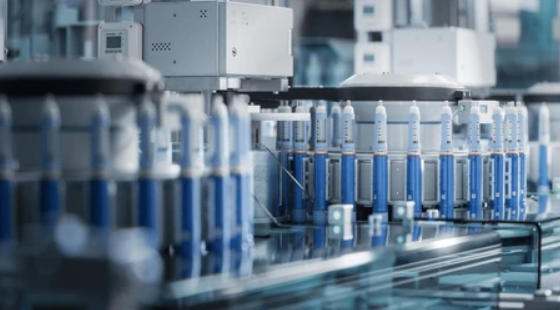
Indonesia's Pharma Manufacturing Landscape and Why Production Lines Matter
Indonesia is one of Southeast Asia's largest pharmaceutical markets, driven by population growth, universal health coverage programs, and increased focus on local manufacturing. For both local and multinational companies, pharmaceutical production lines are strategic assets that shape regulatory compliance, cost of goods (COGS), speed to market, and the ability to serve domestic and export markets.
Because of this, the choice of pharmaceutical production line manufacturers and suppliers in Indonesia directly affects competitiveness, especially in solid dosage, liquid, and injectable product segments.
How This Ranking and Analysis Were Built
This article is structured to provide practical, verifiable, and decision‑oriented insights for B2B readers:
- Experience-based angle: Focus on how lines perform in real plants, not only on catalog data.
- Technical perspective: Attention to layout, validation, service, and lifecycle costs.
- Clear logic: Transparent assumptions and a consistent comparison framework.
The ranking and analysis below are based on:
1. Publicly available information about leading technology providers active in Indonesia and the region.
2. Common feedback patterns shared by engineering, production, and QA teams in emerging markets.
3. Practical project experience of solution providers such as Ningbo Everheal that serve global customers with pharmaceutical production line projects.
The goal is not to name a single “winner,” but to help you match vendor strengths with your specific factory context and risk profile.
What Indonesian Pharma Buyers Really Care About
GMP Compliance and Audit Readiness in Daily Operation
For Indonesian manufacturers, it is not enough that a line can pass initial qualification. Users care about how easy it is to stay compliant in daily operation:
- Whether batch records and HMI screens are intuitive and reduce operator error.
- Whether QA can access electronic data, audit trails, and reports quickly.
- Whether documentation packages support both Indonesian regulators and international audits.
Many QA managers prefer equipment partners who actively guide validation and documentation, instead of simply shipping machines and leaving the burden to the site team.
Stability, Downtime, and Consistent Product Quality
Production teams consistently emphasize that they prefer a line with slightly lower peak speed but higher uptime and predictable output. Pain points they report include:
- Frequent unplanned stops that disrupt weekly production plans.
- Repeated minor mechanical issues that accumulate into serious delays.
- Yield losses and rework due to weight variation, filling accuracy, or packaging defects.
In practice, metrics such as mean time between failures (MTBF), ease of troubleshooting, and spare part lead times matter more than marketing claims about maximum speed.
After-Sales Support and Local Engineering Presence
Indonesian plants often run with lean engineering teams and limited in‑house specialists. This makes after‑sales support and local presence a decisive factor:
- Whether an engineer can arrive on site within 24–48 hours for critical breakdowns.
- Whether remote support is responsive and technically capable.
- Whether training and manuals are available in clear English and, when possible, in Bahasa Indonesia.
Decision‑makers repeatedly say that they value vendors who treat them as long‑term partners and who remain engaged through the full lifecycle of the line.
Total Cost of Ownership, Not Just Purchase Price
Capital expenditure is visible, but total cost of ownership (TCO) determines whether a production line remains an asset or becomes a burden. Experienced buyers look carefully at:
- Energy usage and utilities consumption.
- Maintenance costs, spare parts pricing, and delivery times.
- Downtime losses during peak demand or regulatory inspections.
A line with a higher purchase price can easily become the better choice if it delivers lower downtime, lower scrap, and more consistent compliance over 10–15 years.
Customer-Based Ranking: Top Pharmaceutical Production Line Manufacturers Active in Indonesia
> The companies below are practical examples used to illustrate different positioning and strengths. When preparing actual RFQs and contracts, always verify real installations, certifications, and references in Indonesia or equivalent markets.
Rank #1 – GEA: Reliability Champion for Solid Dosage and High-Value Processes
GEA is widely recognized for solid dosage processing solutions, including granulation, drying, and tablet coating, as well as advanced process systems for cleanroom environments. In emerging markets, GEA is often associated with:
- Stable operation for high‑value and sensitive products.
- Strong support for GMP, process validation, and documentation requirements.
- Advanced containment options for highly potent compounds.
Manufacturers that prioritize reliability and compliance, particularly those targeting export markets, frequently shortlist GEA for core solid dosage processes.
Best fit for: Mid‑to‑large manufacturers, complex formulations, plants with strong quality systems and export ambitions.
Rank #2 – Syntegon (Bosch Packaging Technology): High-Speed Packaging and Liquid Lines
Syntegon, formerly Bosch Packaging Technology, is strongly positioned in liquid filling, aseptic processing, and pharmaceutical packaging. Users of Syntegon lines typically highlight:
- High‑speed and precise filling and closing for vials, ampoules, and syringes.
- Robust integration of in‑line inspection, leak testing, and serialization.
- Comprehensive FAT/SAT protocols and qualification documentation.
Some projects report that commissioning and process optimization require significant attention, but once tuned, Syntegon lines can reach high efficiency with stable quality in demanding injectable environments.
Best fit for: Manufacturers with significant injectable portfolios or high‑speed packaging requirements, especially for regulated export markets.
Rank #3 – IMA Group: Flexible Solutions for Tablets, Capsules, and Packaging
IMA offers integrated solutions for tablet and capsule production and secondary packaging, making it attractive to companies that want multiple steps covered by one primary partner. Customers often mention:
- Flexible format changeovers across tablets, capsules, blisters, and cartons.
- Strong capability for complex packaging configurations and serialized packs.
- A good balance between advanced functionality and user‑friendly operation.
For Indonesian and regional users, IMA is a natural candidate when the objective is a coherent line from processing through to final packaged product.
Best fit for: Companies seeking integrated lines for solid dosage and packaging, with an emphasis on flexibility and brand presentation.
Rank #4 – Romaco Group: Competitive Choice for Growing Manufacturers
Romaco supplies tablet presses, coating systems, granulation equipment, and packaging solutions with a strong focus on compact design and value. In many emerging market projects, Romaco is perceived as:
- Cost‑competitive, with solid technical performance.
- Space‑efficient, suitable for brownfield expansions and constrained layouts.
- Well‑aligned with companies moving from semi‑manual to more automated operations.
While Romaco may not always offer the most advanced automation or digital features, it often delivers a compelling mix of performance and cost for growing manufacturers.
Best fit for: Small and mid‑size pharmaceutical companies upgrading their production capabilities with limited space and budget.
Rank #5 – Regional and Local Integrators: Bridging Global Technology and Local Reality
Beyond global brands, many Indonesian projects rely on regional integrators and local partners to make lines work in real buildings under local conditions. These players typically:
- Combine equipment from several international and regional manufacturers.
- Optimize factory layout and material flow to match local building constraints and utilities.
- Provide on‑site installation, commissioning, and operator training.
Even when they do not manufacture core machines, experienced integrators add significant value by offering single-point responsibility for timelines, performance, and documentation.
Best fit for: Companies wanting one party to coordinate layout, equipment selection, integration, and validation support.
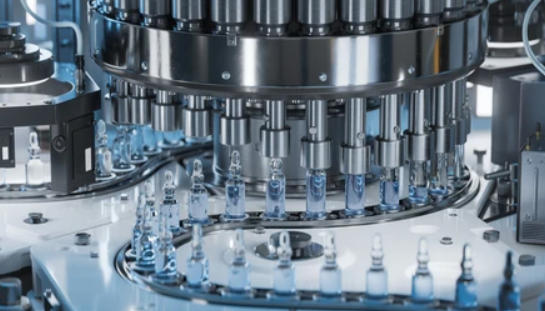
How Ningbo Everheal Adds Value as a Turnkey Partner
Ningbo Everheal Medical Equipment Co. is a China‑based company specializing in pharmaceutical production line solutions and customized factory layout planning for global clients, including Southeast Asia and Indonesia. Rather than focusing on standalone machines, Everheal emphasizes complete, project-level solutions tailored to each site.
Key ways Ningbo Everheal supports B2B customers include:
- Front-end consulting on product mix, capacity, and regulatory target markets.
- Layout design that considers cleanroom zoning, personnel and material flows, contamination control, and future expansion.
- Equipment selection and configuration from qualified global and regional vendors aligned with project requirements and budgets.
- Installation, commissioning, and documentation support, coordinated with local engineering and validation teams.
For Indonesian projects, a partner like Ningbo Everheal can help:
- Balance the use of top-tier brands (e.g., for critical steps) with cost‑effective alternatives where appropriate.
- Avoid mismatches between building layout, utilities, and equipment footprints.
- Deliver consistent documentation packages (URS, FDS, P&ID, layout drawings) that support internal approval and regulatory review.
This integrated approach reduces risk during planning and execution and helps ensure that the line delivers the expected performance over its full lifecycle.
Practical Step-by-Step Framework for Choosing a Production Line Partner in Indonesia
To move from information to action, you can follow the structured framework below when planning a new pharmaceutical production line in Indonesia or upgrading an existing facility.
1. Define your strategic goal
- Decide whether you are targeting only the Indonesian market or also regional/export markets.
- Clarify whether your portfolio is mainly generics, high‑value products, or a mix.
2. Clarify regulatory and quality requirements
- Confirm whether you must comply only with BPOM rules or also with EU, US, or WHO prequalification expectations.
- Define data integrity expectations and digitalization level (manual, hybrid, or fully electronic).
3. Quantify capacity and flexibility needs
- Set targets for annual batches, OEE, and planned campaign sizes.
- Estimate the number of SKUs and changeover frequency per line.
4. Set your TCO envelope
- Determine how much downtime your business model can tolerate.
- Consider utilities, maintenance, and qualification costs over 10–15 years.
5. Map vendor profiles to your needs
- Consider high-end global brands (GEA, Syntegon, IMA) for complex, compliance‑critical steps.
- Consider value‑oriented suppliers (such as Romaco and specialized Asian manufacturers) for less critical or budget‑sensitive parts of the line.
- Use a turnkey integrator such as Ningbo Everheal to ensure that equipment, layout, and documentation form a coherent whole.
6. Request and verify references
- Ask each vendor for references in Indonesia or comparable markets.
- Speak directly with existing users about downtime, spare parts, and service.
7. Run a structured vendor comparison
- Score each option on compliance support, reliability, service, and TCO.
- Prioritize vendors that align with your process risk profile and long‑term strategy, not only the lowest upfront price.
Vendor Comparison Snapshot (Example Framework)
Below is an example of how you might structure an internal comparison. Scores are indicative only and must be adjusted based on your RFQ results and site visits.
| Vendor Type | Compliance Support | Reliability & Uptime | Local Service Strength | TCO Attractiveness | Best For |
| GEA | High | Very High | Medium | Medium | High-value, complex, export plants |
| Syntegon | High | Very High | Medium | Medium | Injectable, aseptic, high-speed lines |
| IMA | High | High | Medium | Medium | Integrated solid + packaging projects |
| Romaco | Medium | Medium–High | Medium | High | Growing manufacturers, limited space |
| Local/Regional Integrator + Everheal | High (project level) | High (integrated) | High | High | Turnkey, layout-focused, mixed vendors |
Such a table helps cross‑functional teams (production, QA, engineering, finance) discuss trade‑offs using the same structured view.
Case Story: Upgrading a Solid Dosage Line for a Growing Indonesian Manufacturer
Consider a mid‑size Indonesian generic manufacturer operating an aging tablet line:
- The line experiences frequent breakdowns and unscheduled stops.
- Changeovers between SKUs are slow and labor‑intensive.
- Documentation for audits is partly manual and scattered across systems.
By engaging a turnkey partner like Ningbo Everheal, the manufacturer can:
- Reassess portfolio, batch sizes, and target capacity for a 5–10‑year horizon.
- Redesign the factory layout to streamline material flow, personnel movement, and cleanliness zoning.
- Specify and select a new granulation system, tablet press, and coating equipment from a mix of global and value‑oriented vendors.
- Implement clearer batch documentation structures and targeted operator training.
Within the first production year after the upgrade, such a plant can reasonably expect:
- Lower unplanned downtime and more predictable production schedules.
- Improved yield and reduction in rework or rejects.
- More efficient audits due to better organization and traceability of documentation.
This example illustrates why a holistic project approach, rather than simple machine replacement, is often the most effective path for growing manufacturers.
Call to Action: Plan Your Next Pharmaceutical Production Line with Confidence
Choosing the right pharmaceutical production line manufacturer and supplier in Indonesia is a strategic decision that shapes your competitiveness for years. To increase your chances of success, you should:
- Look beyond marketing materials and ask about actual operating experience in similar plants.
- Evaluate service, spare parts, and TCO on equal footing with technical specifications.
- Use a structured framework and consider working with an integrator who understands both process and layout.
Ningbo Everheal Medical Equipment Co. supports global clients by combining expert factory layout planning with integrated pharmaceutical production line solutions. If you are planning a new plant, expanding an existing facility, or replacing outdated equipment, you can:
- Share your current layout and product portfolio for an initial assessment.
- Request a conceptual line design and capacity estimate.
- Discuss how to combine premium brands and cost‑effective suppliers within a single, well‑integrated project.
Taking these steps now will help ensure that your next production line supports your business goals for the next decade and beyond.
Contact us to get more information!
Frequently Asked Questions (FAQ)
Q1: What is the most important factor when choosing a pharmaceutical production line in Indonesia?
The most important factor is usually long‑term reliability and service support, because unplanned downtime and slow service can rapidly erode upfront cost savings and damage your ability to supply the market consistently.
Q2: Are global brands always better than regional or local suppliers?
Not always. Global brands are often the best choice for complex processes and strict regulatory environments, while regional suppliers and integrators can offer better total cost of ownership, faster service, and more flexible solutions in many Indonesian projects.
Q3: How early should I involve a turnkey partner in a new factory project?
Ideally, you should involve a turnkey partner at the concept stage, when building layout, product mix, and capacity targets are still flexible. Early involvement prevents costly redesigns and makes sure cleanroom zoning and flows align with equipment and validation needs.
Q4: How can I evaluate service quality before signing a contract?
Ask vendors for references in Indonesia or similar markets, speak directly with existing customers, and request clear commitments for response times, spare parts stocking, and training programs. Real‑world feedback is usually more reliable than service promises in presentations.
Q5: Can one vendor realistically provide everything for my plant?
In most successful projects, a combination of vendors is coordinated by an integrator or turnkey partner. This allows you to choose the best‑fit equipment for each step while maintaining a single point of responsibility for layout, integration, and qualification support.
*
References
1. GEA Group – Pharmaceutical Processing and Production Solutions.
https://www.gea.com/en/applications/pharma-healthcare/pharmaceutical-processing.jsp
2. Syntegon Technology – Processing and Packaging for the Pharmaceutical Industry.
https://www.syntegon.com/industries/pharmaceutical
3. IMA Group – Processing and Packaging Machinery for the Pharmaceutical Industry.
https://ima.it/en/segments/pharmaceuticals/
4. Romaco Group – Processing and Packaging Equipment for Pharmaceuticals.
https://www.romaco.com/en/industries/pharma/
5. Indonesian Food and Drug Authority (BPOM) – Regulatory framework and local manufacturing guidelines.
https://www.bpom.go.id


