Content Menu
● Introduction
● What Is a Distillation Water Machine?
>> The Science Behind Water Distillation
● Why You Might Need a Distillation Water Machine at Home
>> Key Reasons for Home Distillation
● How the Distillation Water Machine Works Step by Step
>> Step-by-Step Process
● Benefits of Using a Home Distillation Water Machine
>> 1. Superior Purity and Safety
>> 2. Cost-Effective and Environmentally Friendly
>> 3. Long-Term Appliance Maintenance
>> 4. Convenience
>> 5. Consistent Quality
● Everheal's Innovation in Distillation Technology
>> Advanced Features of Everheal Systems
● Choosing the Right Distillation Water Machine
● Maintenance Tips for Long-Term Performance
● Common Applications of Distilled Water from Home Machines
● Environmental and Economic Impact
● Conclusion
● FAQ
>> 1. How long does it take to distill one liter of water?
>> 2. Is distilled water safe to drink?
>> 3. Can I use distilled water for cooking?
>> 4. Does a Distillation Water Machine require special installation?
>> 5. How often should I clean my Distillation Water Machine?
Introduction
In a world where health and purity are valued more than ever, clean water stands as one of the most essential needs in daily life. Whether for drinking, cooking, or laboratory use, the demand for high-quality distilled water continues to grow. Fortunately, modern technology now makes it possible to create distilled water right at home using an advanced Distillation Water Machine.
At Everheal, a trusted Chinese manufacturer of pharmaceutical equipment, we have devoted decades of expertise to designing reliable water purification systems, including pure steam generators, multi-effect distillers, and advanced liquid filling and sterilization equipment. Our latest home-oriented Distillation Water Machine offers users a simple and efficient way to produce pure water safely, ensuring the same standards trusted in pharmaceutical environments.
This article will explore how a Distillation Water Machine works, what benefits it offers, and how you can set up and maintain one for home use.
What Is a Distillation Water Machine?
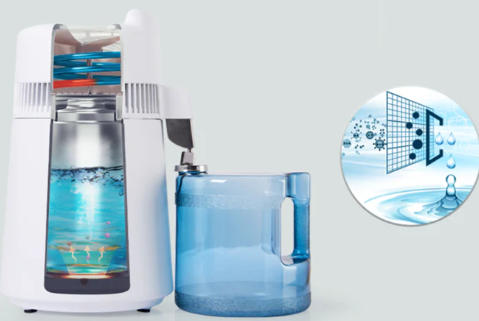
A Distillation Water Machine is a specialized device that purifies water by heating it until it turns into steam, then condensing that steam back into liquid form. This process removes impurities, minerals, heavy metals, and microorganisms, leaving behind only the cleanest, purest water possible.
Distillation is a centuries-old method of purification, but modern engineering has made it faster, more energy-efficient, and more compact. Today's home units combine precision temperature control, stainless steel construction, and smart safety features to bring professional-grade purity to residential settings.
The Science Behind Water Distillation
When water is heated to its boiling point, it transforms into steam. Most contaminants—such as salts, sediments, and bacteria—cannot evaporate and are left behind. The steam is then cooled inside a condenser coil or chamber, returning to liquid water. This condensed water is what we call *distilled water*.
Every Distillation Water Machine follows the same fundamental principle, but the quality and design of the machine determine how efficiently and effectively it operates.
Why You Might Need a Distillation Water Machine at Home
Water from municipal systems or wells may contain chlorine, heavy metals, or residual pesticides. Even bottled water can sometimes be inconsistent in purity. For health-conscious consumers or families using distilled water for medical devices, cooking, or skincare, having a home Distillation Water Machine delivers peace of mind and long-term cost savings.
Key Reasons for Home Distillation
- Health Protection: Removes bacteria, rust, lead, and chemicals that may linger in tap water.
- Appliance Longevity: Prevents mineral buildup in humidifiers, coffee machines, and irons.
- Lab & Cosmetic Use: Ensures pure water for skincare formulations or small laboratory experiments.
- Taste Improvement: Distilled water tastes smoother and cleaner than many bottled alternatives.
- Environmental Impact: Reduces plastic bottle consumption and packaging waste.
How the Distillation Water Machine Works Step by Step
Understanding the purification process helps you appreciate how efficient and precise this equipment truly is. A basic Distillation Water Machine generally includes several core components:
1. Boiling Chamber: Heats the water to create steam. Usually made from stainless steel for durability and chemical resistance.
2. Condenser Coil or Chamber: Cools the steam into liquid water using air or water cooling systems.
3. Carbon Filter (Optional): Removes volatile organic compounds that might vaporize with the steam.
4. Storage Container: Collects the distilled water, often made from BPA-free plastic or glass.
5. Temperature Sensors: Automatically control the heating process for safety and efficiency.
Step-by-Step Process
1. Filling the chamber: Add tap or filtered water into the boiling compartment.
2. Heating: The heating element raises the temperature until the water begins to boil.
3. Evaporation: Steam rises, leaving impurities behind.
4. Condensation: The cooled steam turns back into water droplets.
5. Collection: The distilled water flows into a separate container, ready for use.
High-quality models like Everheal's Distillation Water Machine include automatic shut-off features, ensuring the perfect distillation cycle without user supervision.
Benefits of Using a Home Distillation Water Machine
1. Superior Purity and Safety
Unlike filters or softeners that only remove certain contaminants, distillation eliminates nearly all impurities, including viruses, bacteria, and heavy metals. This makes it ideal for families with infants, seniors, or people with compromised immune systems.
2. Cost-Effective and Environmentally Friendly
While bottled distilled water can be expensive over time, a home Distillation Water Machine produces gallons of pure water for a fraction of the cost. You also cut down on plastic use, which helps protect the environment.
3. Long-Term Appliance Maintenance
Distilled water prevents limescale and calcium deposits, which often shorten the lifespan of household appliances. Using distilled water for devices such as humidifiers, steam irons, and CPAP machines can extend their service life significantly.
4. Convenience
Having an in-house source of distilled water means you never run out at crucial moments. Whether you're cooking, cleaning, or maintaining laboratory instruments, you always have a reliable supply.
5. Consistent Quality
Unlike tap or bottled water, which may vary by source and season, distilled water remains consistent. The quality of output depends entirely on the performance of your Distillation Water Machine, which you can control and maintain yourself.
Everheal's Innovation in Distillation Technology
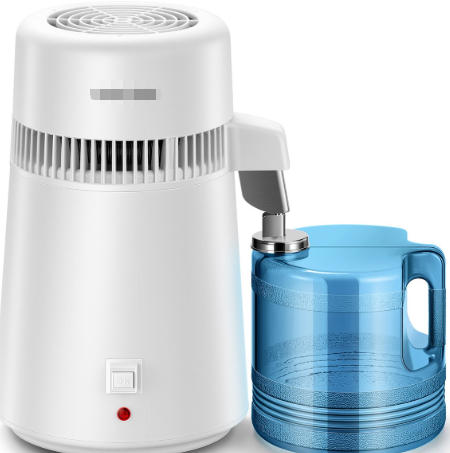
At Everheal, we apply pharmaceutical-grade technology to domestic water solutions. Our Distillation Water Machine is designed using the same principles as our large-scale distillation systems used in global pharmaceutical factories.
Advanced Features of Everheal Systems
- Multi-Effect Distillation Design: Derived from industrial systems, ensuring energy efficiency and consistent purity.
- Automated Temperature Control: Intelligent sensors maintain optimal heat levels for maximum purification.
- Durable Construction: High-grade stainless steel resists corrosion and mineral scaling.
- Compact Design: Suitable for both households and small laboratories.
- Customizable Output: Scalable for home, laboratory, or light commercial applications.
This combination of pharmaceutical know-how and modern home practicality is what separates Everheal from ordinary consumer brands.
Choosing the Right Distillation Water Machine
When selecting a home Distillation Water Machine, consider the following:
- Capacity: How many liters or gallons of distilled water do you need daily?
- Material Quality: Stainless steel interiors last longer and ensure no chemical leaching.
- Energy Efficiency: Look for models with automatic shut-off and cooling systems.
- Ease of Cleaning: Removable components simplify maintenance.
- Certifications: Check for safety and performance certifications (CE, ISO, etc.).
- Brand Reputation: Choose a manufacturer like Everheal with industry experience in high-purity systems.
Maintenance Tips for Long-Term Performance
A Distillation Water Machine requires minimal upkeep but benefits from routine maintenance to sustain optimal performance.
- Clean the Boiling Chamber Weekly: Prevent scale buildup by rinsing with vinegar or citric acid.
- Use Filtered Input Water: Reduces scale formation and extends machine life.
- Replace Activated Carbon Filters Periodically: If your model includes one.
- Dry After Use: Avoid moisture accumulation that could foster bacterial growth.
- Regularly Inspect Seals and Components: Ensures leak-free and efficient operation.
By following these maintenance steps, your unit can serve reliably for years.
Common Applications of Distilled Water from Home Machines
The distilled water produced by an Everheal Distillation Water Machine has many practical uses beyond drinking.
- Medical Equipment: CPAP machines, sterilization units, and baby formula preparation.
- Automotive Use: Battery water and radiator systems.
- Cleaning Electronics: Safe for delicate components and laboratory glassware.
- Personal Care: Mixing cosmetics, rinsing hair, or cleaning skin without contaminants.
- Plant Care: Ideal for orchids and sensitive indoor plants that dislike mineral-heavy water.
Environmental and Economic Impact
Using a Distillation Water Machine at home significantly lowers your environmental footprint. Compared with bottled water production—which involves transportation, packaging, and disposal—the energy consumption of a home distiller is relatively minor. Over the course of a year, an average household may save hundreds of plastic bottles by switching to distilled water production.
Financially, it's just as smart. Once purchased, maintenance costs are minimal, leading to enormous savings over time, especially for families that regularly consume pure water.
Conclusion
Owning a Distillation Water Machine transforms the way you think about clean water. Instead of relying on costly bottled solutions or uncertain tap sources, you gain full control over the purity of what you and your family consume. Backed by Everheal's expertise in pharmaceutical-grade purification, your home distiller brings medical-level sterilization right to your countertop.
Whether you need pure water for health, home, or hobby, an Everheal Distillation Water Machine ensures every drop is as clean and safe as science allows.
FAQ
1. How long does it take to distill one liter of water?
Most Distillation Water Machines take about 4–6 hours to distill one gallon (around 4 liters) of water, depending on the model's heating power and cooling capacity.
2. Is distilled water safe to drink?
Yes. Distilled water is safe and free from contaminants. Though it lacks minerals, it's ideal for people requiring controlled purity, such as those with kidney issues or for use in medical devices.
3. Can I use distilled water for cooking?
Absolutely. Many chefs prefer distilled water when making soups, beverages, or doughs because it ensures consistent flavor and no mineral interference.
4. Does a Distillation Water Machine require special installation?
No. Most home units are plug-and-play. Simply add water, power on the machine, and collect the distilled output once the cycle completes.
5. How often should I clean my Distillation Water Machine?
Cleaning once a week is recommended for regular users. Always remove residues left behind in the boiling chamber to keep the unit running efficiently.


