Content Menu
● Understanding Pharmaceutical Mixing Tanks
● Pharmaceutical Industry Growth in Turkmenistan
● Why Choose Advanced Mixing Equipment
>> 1. Enhanced Consistency and Quality
>> 2. Hygienic and Contamination-Free Production
>> 3. Automation and Process Control
>> 4. Energy Efficiency and Ease of Maintenance
● Leading Pharmaceutical Mixing Tank Manufacturers And Suppliers in Turkmenistan
>> Everheal (China)
>> TurkmenPharma Engineering
>> EuroTech Process Solutions
>> TechnoMix Eurasia
● The Importance of Working with Global Partners
● Choosing the Right Supplier
● Conclusion
● FAQ
>> 1. What materials are commonly used in pharmaceutical mixing tanks?
>> 2. How do Pharmaceutical Mixing Tank Manufacturers ensure GMP compliance?
>> 3. What is the main difference between pharmaceutical and industrial mixing tanks?
>> 4. Can Everheal provide turnkey pharmaceutical plant solutions?
>> 5. Why are automated controls important in pharmaceutical mixing tanks?
The search for reliable Pharmaceutical Mixing Tank Manufacturers And Suppliers in Turkmenistan has become increasingly important as the country strengthens its pharmaceutical production capacity. With growing demand for safe, high-quality medicines, there is an urgent need for advanced equipment that ensures precision, hygiene, and compliance with global regulatory standards.
Among the global players supporting this regional growth is Everheal, a trusted Chinese manufacturer providing comprehensive machinery solutions, from pure water preparation systems and pure steam generators to distillation units, liquid filling-sealing machines, and sterilization systems. Everheal also offers complete factory layout planning and production line customization for global pharmaceutical producers.
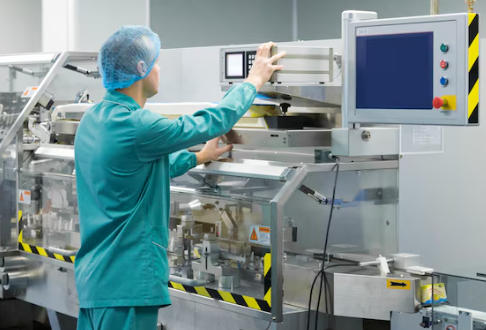
Understanding Pharmaceutical Mixing Tanks
Pharmaceutical mixing tanks are critical components in drug manufacturing. These vessels are used to combine active ingredients, excipients, and solvents under controlled conditions, ensuring uniformity and stability within formulations.
A pharmaceutical mixing tank typically includes advanced features such as:
- Sanitary-grade stainless steel construction
- Precision temperature and pressure control
- CIP/SIP (Clean-in-Place and Sterilize-in-Place) functions
- Agitators and stirring systems adapted for sensitive materials
- GMP-compliant surface finishing and design standards
Reliable Pharmaceutical Mixing Tank Manufacturers And Suppliers help ensure that each batch meets purity, consistency, and efficacy requirements that align with both international quality expectations and local regulatory frameworks.
Pharmaceutical Industry Growth in Turkmenistan
Turkmenistan's government has been promoting domestic drug production to reduce reliance on imports and strengthen local healthcare resilience. Over the past decade, the country has invested in pharmaceutical infrastructure, encouraging joint ventures and technology transfers with international equipment suppliers.
The construction of modern pharmaceutical plants has resulted in a surge of interest in Pharmaceutical Mixing Tank Manufacturers And Suppliers who can deliver advanced and cost-effective systems. Strategic partnerships with companies like Everheal from China have helped local plants access state-of-the-art equipment and achieve GMP certification.
The government's industrial diversification agenda has also introduced tax incentives, making Turkmenistan increasingly appealing for pharmaceutical investors from Asia, Europe, and the Middle East.
Why Choose Advanced Mixing Equipment
Modern pharmaceutical mixing tanks offer numerous advantages that empower producers to meet stringent production demands while reducing operational risks.
1. Enhanced Consistency and Quality
Advanced mixing systems ensure homogeneous mixing of ingredients, minimizing batch variations. Consistency is particularly crucial in formulations where even minor deviations can affect drug potency or stability.
2. Hygienic and Contamination-Free Production
High-end tanks incorporate sterile design principles, reducing contamination risks. Polished internal surfaces and airtight seals prevent the accumulation of microbial agents.
3. Automation and Process Control
Automation technology allows continuous monitoring of temperature, pressure, and mixing speed, guaranteeing reproducibility. This feature also enables full data traceability—a core requirement for GMP compliance.
4. Energy Efficiency and Ease of Maintenance
Leading Pharmaceutical Mixing Tank Manufacturers And Suppliers design systems that optimize resource consumption while simplifying maintenance. Energy-efficient motors, intelligent control systems, and modular designs reduce downtime and operational costs.
Leading Pharmaceutical Mixing Tank Manufacturers And Suppliers in Turkmenistan
A few regional and international companies have made a notable impact in Turkmenistan's market for pharmaceutical mixing and processing equipment.
Everheal (China)
Everheal stands as a trusted name among global Pharmaceutical Mixing Tank Manufacturers And Suppliers, particularly across Eurasian markets. With decades of engineering experience, Everheal provides turnkey solutions designed to match the unique requirements of each pharmaceutical project.
Key offerings include:
- Pure water and pure steam generation systems
- Multifunctional distillation units
- Mixing, blending, and emulsification tanks
- Liquid filling and sealing machinery
- Sterilization and cleaning systems
Everheal's engineering team collaborates closely with pharmaceutical companies to design entire factory layouts—from raw material processing areas to automatic filling and packaging lines—ensuring both efficiency and regulatory compliance.
Their high-quality pharmaceutical mixing equipment features polished stainless-steel surfaces (SS316L grade), precision mixers, and digital control systems designed for strict GMP and FDA validations.
TurkmenPharma Engineering
This local enterprise integrates imported machinery into pharmaceutical infrastructure projects across Turkmenistan. They collaborate with international partners to deliver advanced mixing tank installations, primarily serving the production of injectable and oral formulations.
By combining localized service expertise with foreign technology, TurkmenPharma Engineering plays a vital role in bridging the gap between equipment supply and operational support within the country.
EuroTech Process Solutions
Operating from Europe but active throughout Central Asia, EuroTech Process Solutions supplies pharmaceutical mixing tanks, preparation vessels, and sterile blending systems. Their stainless-steel fabrication standards align with EU pharmacopoeia requirements, making them a strong choice for multinational pharmaceutical firms setting up production in Turkmenistan.
TechnoMix Eurasia
TechnoMix specializes in high-capacity tanks for both pharmaceutical and cosmetic applications. Their scalable solutions range from 50L to 20,000L, serving different production needs. They also offer automated control software for monitoring mixing speed, viscosity, and batch record data.
Being one of the emerging Pharmaceutical Mixing Tank Manufacturers And Suppliers, their focus on process validation and adaptability has positioned them as preferred vendors for contract manufacturers across Central Asia.
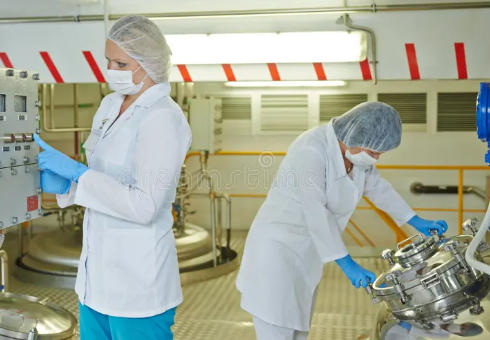
The Importance of Working with Global Partners
While Turkmenistan's domestic manufacturing capacity is expanding, international collaboration remains key. Partnering with global Pharmaceutical Mixing Tank Manufacturers And Suppliers ensures access to the latest innovations, materials, and certifications that local markets may lack.
Companies like Everheal are instrumental in this process—they not only provide hardware but also deliver expertise in quality assurance, validation protocols, and long-term maintenance, ensuring operational reliability and regulatory alignment.
Choosing the Right Supplier
Selecting the right mixing tank manufacturer involves several critical considerations:
- Material Quality: Tanks must be made of corrosion-resistant stainless steel, typically SS316L, to maintain purity.
- Design Compliance: Ensure adherence to GMP, FDA, and ISO standards for equipment design and validation.
- After-Sales Support: Partner with suppliers offering installation, testing, and training services.
- Customization Options: Look for suppliers like Everheal who offer custom designs for unique product formulations.
- Proven Experience: Review prior projects, especially within similar production environments or countries.
Establishing a long-term partnership with a trusted manufacturer helps ensure scalability and consistent product quality over time.
Conclusion
Turkmenistan's pharmaceutical sector is poised for continued growth, driven by both government support and collaboration with international Pharmaceutical Mixing Tank Manufacturers And Suppliers.
Companies such as Everheal play a crucial role in equipping local producers with advanced technology that ensures compliance, efficiency, and reliability. As pharmaceutical producers in Turkmenistan strive to meet rising regional demand, investing in high-performance mixing tanks and associated systems will remain a cornerstone of sustainable success.
FAQ
1. What materials are commonly used in pharmaceutical mixing tanks?
Pharmaceutical mixing tanks are typically constructed from high-grade SS316L stainless steel. This material offers corrosion resistance, durability, and compatibility with GMP cleaning standards.
2. How do Pharmaceutical Mixing Tank Manufacturers ensure GMP compliance?
Manufacturers achieve compliance through hygienic design principles, precision fabrication, traceable materials, and integration of CIP/SIP systems that prevent contamination during production.
3. What is the main difference between pharmaceutical and industrial mixing tanks?
Pharmaceutical tanks prioritize sterility, precise temperature control, and material compatibility with sensitive ingredients, whereas industrial tanks often focus on volume capacity and mixing speed.
4. Can Everheal provide turnkey pharmaceutical plant solutions?
Yes, Everheal delivers complete plant layout planning, equipment design, installation, and validation services customized for global clients seeking end-to-end pharmaceutical production solutions.
5. Why are automated controls important in pharmaceutical mixing tanks?
Automation ensures consistent batch results, reduces human error, and supports digital monitoring. It is also essential for regulatory traceability and process reproducibility during audits.


