Content Menu
● Understanding What a HEPA Air Filter Is
>> What Does HEPA Mean?
>> How a HEPA Air Filter Works
● Why HEPA Air Filters Are Essential for Homes
>> 1. Improving Indoor Air Quality
>> 2. Reducing Allergy and Asthma Symptoms
>> 3. Eliminating Airborne Bacteria and Viruses
>> 4. Enhancing Sleep and Cognitive Function
● Key Features That Define the Best HEPA Air Filter for Home
>> Filter Grade and Certification
>> Air Changes per Hour (ACH)
>> CADR Rating
>> Noise and Energy Efficiency
>> Multi-layer Filtration
● Where HEPA Air Filters Are Most Effective in Homes
>> Living Rooms
>> Bedrooms
>> Kitchens
>> Home Offices
● Comparing Portable HEPA Filters and Whole-House Systems
● Maintenance and Longevity
>> Replacement Intervals
>> Cleaning Pre-Filters
>> Monitoring Air Quality Indicators
● Environmental and Health Benefits
● Choosing a Reliable HEPA Air Filter Supplier
● Conclusion
● FAQ
>> 1. What does a HEPA Air Filter remove?
>> 2. How often should I replace my HEPA Air Filter?
>> 3. Are all HEPA Air Filters the same?
>> 4. Can HEPA filters remove odors or chemical fumes?
>> 5. Do HEPA Air Filters help with COVID-19?
When it comes to maintaining a healthy indoor environment, an effective HEPA Air Filter system stands out as one of the most valuable investments homeowners can make. Whether you live in a big city full of pollution or in a region affected by seasonal allergies, air quality directly affects your comfort, productivity, and long-term well-being. This article explores what makes a HEPA air filter the best option for your home, how it works, and what features to look for when selecting one.
Understanding What a HEPA Air Filter Is
What Does HEPA Mean?
HEPA stands for High-Efficiency Particulate Air. A true HEPA filter can trap at least 99.97% of airborne particles as small as 0.3 microns — including dust, pollen, smoke, bacteria, and other contaminants. To visualize this capability, consider that a single human hair is about 70 microns wide; HEPA filters catch particles more than 200 times smaller.
How a HEPA Air Filter Works
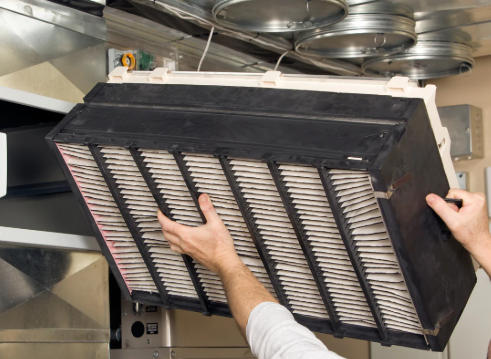
A HEPA air filter contains a dense web of glass fibers arranged randomly. Air passes through these fibers, and airborne particles are captured using several mechanisms:
1. Interception: Medium-sized particles follow the airflow but stick to fibers when they come close.
2. Impaction: Larger particles cannot avoid the fibers due to inertia, so they collide and are trapped.
3. Diffusion: Very small particles move erratically and are absorbed when they hit fibers randomly.
This multi-layered filtration process ensures that HEPA air filters provide superior particle removal compared with ordinary filters.
Why HEPA Air Filters Are Essential for Homes
1. Improving Indoor Air Quality
HEPA filters remove airborne dust, smoke, pollen, and pet dander that accumulate over time indoors. By significantly reducing particulate matter, the air feels fresher, clearer, and easier to breathe.
2. Reducing Allergy and Asthma Symptoms
Individuals suffering from allergies or respiratory conditions benefit greatly from HEPA filtration. The filter captures common triggers — mold spores, dust mites, and pollen — helping minimize irritation and inflammation.
3. Eliminating Airborne Bacteria and Viruses
Many bacteria and viruses travel in fine droplets or dust particles suspended in the air. A high-quality HEPA Air Filter prevents these from circulating within closed environments, especially when combined with UV sterilization or activated carbon layers.
4. Enhancing Sleep and Cognitive Function
Poor air quality impacts sleep cycles and mental clarity. Cleaner air supports better oxygen flow during sleep, leading to fewer headaches and improved daytime focus.
Key Features That Define the Best HEPA Air Filter for Home
Choosing the right HEPA system requires attention to specifications beyond just the filter type. The best filter will match your room size, lifestyle needs, and preferred maintenance level.
Filter Grade and Certification
The most reliable products use True HEPA filters, not just “HEPA-like” filters. Look for certifications such as EN1822 (Europe), DOE/ASHRAE (USA), or ISO standards, ensuring consistent performance at the 0.3-micron level.
Air Changes per Hour (ACH)
This metric indicates how many times the device can clean the entire air volume of a room each hour. For bedrooms or living rooms, a rate of 4 to 6 ACH is ideal.
CADR Rating
The Clean Air Delivery Rate (CADR) measures the amount of clean air produced per minute. A higher CADR means faster, more efficient purification. For example, a CADR of 250 cubic meters/hour suits rooms of approximately 30–40 m².
Noise and Energy Efficiency
Modern HEPA air filter systems incorporate low-noise fans and energy-saving motors. Many also include smart sensors to adjust fan speed automatically according to air quality.
Multi-layer Filtration
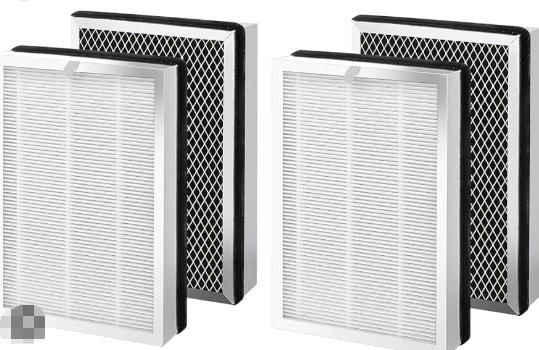
The most advanced purifiers combine multiple layers:
- Pre-filter: Captures large dust and pet hair.
- Activated carbon: Adsorbs odors and volatile organic compounds (VOCs).
- True HEPA filter: Removes ultra-fine pollutants.
This structure ensures not only purified but odorless and comfortable air.
Where HEPA Air Filters Are Most Effective in Homes
Living Rooms
This is where family members spend most of their time; a HEPA air filter helps maintain comfort during gatherings or leisure activities.
Bedrooms
Sleep quality directly correlates with air cleanliness. Placing a HEPA air filter near your bed ensures uninterrupted, allergen-free rest.
Kitchens
Kitchens produce airborne grease and odors. HEPA filters with carbon layers can neutralize smoke particles effectively.
Home Offices
For those working from home, a purified environment supports focus, productivity, and health — especially in urban or industrial areas.
Comparing Portable HEPA Filters and Whole-House Systems
Portable HEPA Air Filters are compact, affordable, and ideal for bedrooms or offices. They are energy-efficient and easy to move. In contrast, whole-house HEPA systems integrate with your HVAC network, filtering air throughout the entire property. Although installation costs more, it ensures consistent air purity in every room.
A hybrid approach — using a central system plus portable filters in high-traffic areas — often delivers the best results.
Maintenance and Longevity
Even the best HEPA Air Filter needs regular attention to perform optimally. Neglecting maintenance can reduce efficiency or even reintroduce contaminants into your home environment.
Replacement Intervals
Most HEPA filters last between 6 to 12 months, depending on usage and pollution levels. Replace them according to manufacturer guidelines.
Cleaning Pre-Filters
If your system uses a washable pre-filter, rinse it monthly to ensure airflow remains unobstructed.
Monitoring Air Quality Indicators
Modern devices come with digital air quality displays and smart alerts. These help track when replacement or servicing is needed, optimizing performance with minimal effort.
Environmental and Health Benefits
HEPA air filters contribute not just to personal health but also to environmental protection. By removing airborne pollutants, they minimize indoor chemical buildup and reduce reliance on chemical sprays or air fresheners. Cleaner home environments also benefit vulnerable populations — children, seniors, and individuals with chronic conditions.
Long-term use of a HEPA air filter can decrease exposure to environmental toxins, lower respiratory illness risk, and foster a sustainable lifestyle consistent with global health standards.
Choosing a Reliable HEPA Air Filter Supplier
Selecting a trustworthy brand matters. Established manufacturers — such as Everheal, with expertise in clean air and sterile production technologies — bring industrial-level purification to residential and commercial environments. Everheal's filtration systems are engineered to meet pharmaceutical-grade cleanliness, making them exceptionally reliable for household use as well.
Key qualities of a dependable HEPA supplier include:
- Strict quality control and traceable material sourcing.
- Custom design for room size and ventilation requirements.
- After-sales service with filter replacement programs.
- Compliance with international safety and performance standards.
Everheal's experience in water purification, sterilization, and environmental control demonstrates how advanced cleanroom engineering can directly enhance the quality of daily living.
Conclusion
So, is a HEPA Air Filter the best for your home? The answer is a resounding yes — if health, comfort, and cleanliness matter to you. A properly selected HEPA system not only removes pollutants and allergens but also promotes restful sleep, cognitive clarity, and long-term respiratory wellness. Whether you live in a bustling city or a quiet rural setting, investing in a reliable HEPA air filter ensures your living space remains a safe, fresh, and healthy sanctuary for everyone in your household.
FAQ
1. What does a HEPA Air Filter remove?
A HEPA Air Filter removes particles such as dust, pollen, mold spores, bacteria, and even some viruses. It captures at least 99.97% of particles down to 0.3 microns, making it effective against most airborne pollutants.
2. How often should I replace my HEPA Air Filter?
Typically, every 6–12 months. However, filters in high-pollution areas or homes with pets may require more frequent replacement to maintain performance.
3. Are all HEPA Air Filters the same?
No. Some products are labeled “HEPA-type” but fail to meet official performance standards. Always choose certified True HEPA filters verified by recognized testing agencies.
4. Can HEPA filters remove odors or chemical fumes?
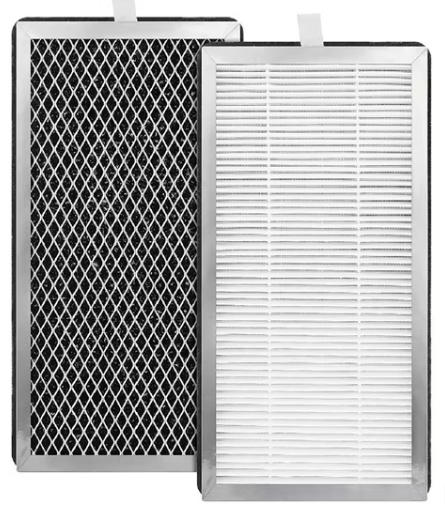
Not directly. A HEPA Air Filter removes particles, not gases. For odors or VOCs, use a combined filter that includes activated carbon in addition to HEPA media.
5. Do HEPA Air Filters help with COVID-19?
HEPA filters can capture virus-containing aerosols, reducing transmission risk in enclosed spaces. However, they should complement, not replace, proper ventilation and sanitation measures.


