Content Menu
● Growing Demand for Pharmaceutical Mixing Tanks in Tajikistan
● Regulatory and Quality Framework for Mixing Tanks
● Key Features Required from Pharmaceutical Mixing Tank Manufacturers And Suppliers
>> Compliance with International Standards
>> Hygienic Design and Cleanability
>> Process Control and Automation
>> Documentation and Validation Support
>> After‑Sales Service and Spare Parts
● The Role of International Partners in Tajikistan's Pharma Sector
● How Mixing Tank Technology Supports Local Pharma Growth
● Why Tajikistan Needs High‑Performance Pharmaceutical Mixing Tanks
● What Buyers Should Look for When Selecting a Supplier
● Typical Applications of Pharmaceutical Mixing Tanks in Tajikistan
>> Oral Liquid and Syrup Production
>> External Preparations and Semi‑Solids
>> Sterile and High‑Risk Products
● Local Versus International Pharmaceutical Mixing Tank Manufacturers And Suppliers
>> Local and Regional Partners
>> International Manufacturers
● Practical Steps for Evaluating Offers
● Long‑Term Benefits of Working with Reliable Pharmaceutical Mixing Tank Manufacturers And Suppliers
● Conclusion
● FAQ
>> 1. What standards should Pharmaceutical Mixing Tank Manufacturers And Suppliers meet in Tajikistan?
>> 2. Why are imported Pharmaceutical Mixing Tank Manufacturers And Suppliers so important for Tajikistan?
>> 3. How do mixing tanks support GMP compliance in local plants?
>> 4. What documents should I request from Pharmaceutical Mixing Tank Manufacturers And Suppliers?
>> 5. How can Tajik companies minimize risk when investing in new mixing tanks?
The demand for high‑quality pharmaceutical mixing solutions is rising steadily in Tajikistan as the country modernizes its healthcare system and expands local drug production capacity. For investors and plant owners, choosing the right Pharmaceutical Mixing Tank Manufacturers And Suppliers is now a strategic decision that directly affects compliance, efficiency, and long‑term profitability.
Growing Demand for Pharmaceutical Mixing Tanks in Tajikistan
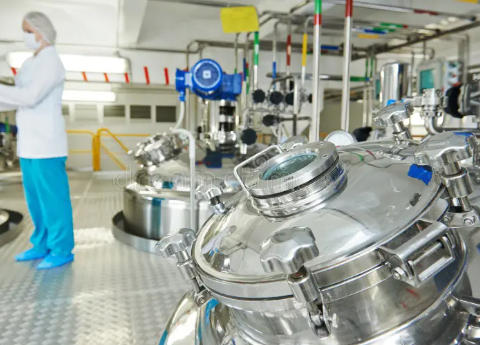
Tajikistan's pharmaceutical market is developing on the back of higher healthcare spending, population growth, and an increasing burden of chronic diseases. These dynamics push local companies to modernize their facilities and upgrade processing equipment, especially mixing tanks and related process vessels.
Because domestic manufacturing capacity is still relatively small, many companies rely on imported technologies and engineering expertise from more mature pharmaceutical markets. As new factories and dosage‑form lines are built, modern stainless‑steel mixing tanks become essential for producing solutions, suspensions, syrups, vaccines, and sterile preparations in line with international standards. This context creates a strong opportunity for specialized Pharmaceutical Mixing Tank Manufacturers And Suppliers able to deliver compliant, ready‑to‑integrate systems tailored to Tajikistan's conditions.
Regulatory and Quality Framework for Mixing Tanks
Any pharmaceutical equipment entering Tajikistan, including mixing tanks, must respect national laws governing medicines, medical products, and pharmaceutical activity. The legal framework typically addresses registration, certification, and safety requirements for equipment used in licensed pharmaceutical facilities.
Imported mixing tanks must meet strict technical, sanitary, and environmental standards. In many cases, equipment must be accompanied by conformity documents and undergo procedures before it may be used in GMP‑oriented plants. For buyers, working with experienced Pharmaceutical Mixing Tank Manufacturers And Suppliers that understand documentation, validation, and registration requirements is critical to avoid delays and compliance risks.
Regulators in Tajikistan are also paying growing attention to issues such as counterfeit medicines, quality consistency, and patient safety. This indirectly raises expectations for the quality and traceability of the process equipment used to manufacture pharmaceutical products. As a result, the best Pharmaceutical Mixing Tank Manufacturers And Suppliers are those who can demonstrate successful audits in other regulated markets and provide complete, verifiable documentation.
Key Features Required from Pharmaceutical Mixing Tank Manufacturers And Suppliers
When Tajik companies and investors evaluate Pharmaceutical Mixing Tank Manufacturers And Suppliers, they usually focus on a core set of technical and regulatory features that directly affect both product quality and operational efficiency.
Compliance with International Standards
Buyers expect mixing tanks to be designed in accordance with GMP or cGMP guidelines and, where relevant, ISO standards for quality and hygiene. This includes the use of approved materials, validated components, and engineering practices compatible with pharmaceutical applications.
Reputable Pharmaceutical Mixing Tank Manufacturers And Suppliers should be able to demonstrate compliance through certification, reference projects, and quality management systems. For Tajik plants seeking to cooperate with international partners or export products, this alignment with global norms is indispensable.
Hygienic Design and Cleanability
Hygienic design is a non‑negotiable requirement in pharmaceutical mixing. Tanks are usually manufactured from high‑grade stainless steel, often 316L for product contact surfaces, with controlled surface roughness to reduce microbial adhesion.
Well‑designed tanks support effective cleaning and sterilization through CIP (clean‑in‑place) and SIP (sterilize‑in‑place) systems. This requires optimized tank geometry, correctly positioned spray devices, fully drainable bottoms, and properly designed nozzles. Pharmaceutical Mixing Tank Manufacturers And Suppliers who understand these principles can help Tajik operators reduce contamination risk, cleaning time, and water and chemical consumption.
Process Control and Automation
Modern pharmaceutical plants in Tajikistan aim to reduce manual intervention and improve traceability. Therefore, automation is a crucial differentiator between Pharmaceutical Mixing Tank Manufacturers And Suppliers.
Advanced mixing systems often include:
- Variable‑speed agitators to control shear and mixing intensity.
- Temperature, pressure, and level sensors integrated into a PLC or DCS.
- Batch recipes and automated sequences that standardize process steps.
- Data logging and electronic records that support investigations and audits.
Suppliers that can integrate their mixing tanks with existing plant automation or provide standardized control packages make it easier for Tajik buyers to implement GMP and data‑integrity expectations from the start.
Documentation and Validation Support
For GMP‑compliant operations, documentation is as important as the hardware itself. Buyers should expect Pharmaceutical Mixing Tank Manufacturers And Suppliers to provide:
- Material certificates for all product‑contact components.
- Welding logs and surface‑finish reports.
- Factory Acceptance Test (FAT) and Site Acceptance Test (SAT) protocols and reports.
- Installation Qualification (IQ) and Operational Qualification (OQ) documents.
- Detailed operation, cleaning, and maintenance manuals.
This documentation allows Tajik plants to integrate mixing systems into their validation master plan and to demonstrate control of critical process equipment during inspections. Suppliers that have experience supporting such activities in other markets will be better prepared to meet Tajikistan's evolving regulatory expectations.
After‑Sales Service and Spare Parts
Service capability is a key decision factor when selecting Pharmaceutical Mixing Tank Manufacturers And Suppliers for Tajikistan, where geography and infrastructure can make technical support more challenging. Buyers should assess:
- Availability of regional service centers or local partners.
- Standard response times for troubleshooting and on‑site visits.
- Stock levels and delivery times for critical spare parts.
- The supplier's ability to provide remote diagnostics and online support.
Good after‑sales service ensures that mixing systems operate reliably over many years, protecting investments and minimizing costly downtime.
The Role of International Partners in Tajikistan's Pharma Sector
Tajikistan's pharmaceutical sector is characterized by strong involvement from foreign manufacturers and exporters, especially from India, Russia, China, and other regional players. Many finished medicines and intermediates are imported, and foreign companies are increasingly looking at technology transfer and local manufacturing partnerships.
Business forums, trade missions, and bilateral cooperation agreements regularly highlight pharmaceuticals as a priority area. These events encourage collaboration not only in finished drugs but also in production equipment such as mixing tanks, purified water systems, pure steam generators, and filling and sterilization lines. For specialized Pharmaceutical Mixing Tank Manufacturers And Suppliers, this environment creates fertile ground for supplying high‑technology process equipment and participating in turnkey plant projects.
How Mixing Tank Technology Supports Local Pharma Growth
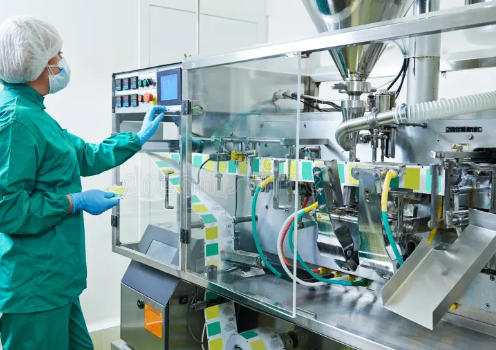
Pharmaceutical companies in Tajikistan are gradually moving from import and distribution models toward manufacturing of generics and essential medicines. Modern, automated mixing systems are a cornerstone of this evolution, enabling consistent production of liquid, semi‑solid, and, in some cases, biotech preparations.
By choosing advanced Pharmaceutical Mixing Tank Manufacturers And Suppliers, local producers can:
- Improve batch‑to‑batch uniformity through automated control of mixing speed, time, temperature, and other critical parameters.
- Enhance product safety with closed systems that protect against contamination and environmental influences.
- Boost overall equipment effectiveness by reducing cleaning time and changeover losses.
- Prepare for potential export markets by building equipment and documentation baselines compatible with regional and international expectations.
These benefits are particularly important in Tajikistan, where reliable access to medicines in remote regions is a continuing challenge and where domestic production helps improve security of supply.
Why Tajikistan Needs High‑Performance Pharmaceutical Mixing Tanks
Tajikistan's geography and logistics limitations mean that over‑dependency on imported finished medicines can create vulnerabilities, especially during global disruptions. Strengthening local manufacturing capacity with high‑performance, GMP‑compatible mixing equipment reduces these risks.
At the same time, health authorities are increasingly focused on quality, safety, and fair pricing. Producers who operate with modern mixing systems from reputable Pharmaceutical Mixing Tank Manufacturers And Suppliers are better placed to meet these expectations. They can demonstrate robust process control, reproducible product quality, and transparent documentation, which also helps build trust with healthcare providers and patients.
In the medium term, investment in advanced mixing technologies supports the ambition of some Tajik manufacturers to export products to neighboring markets in Central Asia. Having equipment and processes that meet recognized standards becomes a practical requirement for entering such markets.
What Buyers Should Look for When Selecting a Supplier
When compiling a shortlist of Pharmaceutical Mixing Tank Manufacturers And Suppliers, Tajik investors and plant managers should use a structured decision framework that prioritizes long‑term performance over short‑term savings.
Key dimensions to evaluate include:
- Technical fit with planned products (e.g., syrups, suspensions, creams, injectables).
- Compatibility with existing utilities such as purified water, pure steam, compressed air, and cleanroom design.
- Ability to integrate with plant automation and data‑integrity systems.
- Strength of documentation and validation support.
- Track record in comparable projects and markets.
A clear request for proposal (RFP) or user requirement specification (URS) allows Pharmaceutical Mixing Tank Manufacturers And Suppliers to respond with detailed technical offers, which can then be compared using objective criteria.
Typical Applications of Pharmaceutical Mixing Tanks in Tajikistan
Pharmaceutical mixing tanks are versatile and can be found in multiple parts of a Tajik plant. Typical applications include:
Oral Liquid and Syrup Production
Many Tajik patients rely on oral liquids and syrups, especially pediatric formulations and treatments for respiratory or gastrointestinal conditions. Tanks used for these products must handle sugar solutions, flavors, active pharmaceutical ingredients (APIs), and stabilizers while maintaining homogeneity and clarity.
For this purpose, Pharmaceutical Mixing Tank Manufacturers And Suppliers provide jacketed tanks for heating and cooling, efficient agitation systems to ensure complete dissolution, and sanitary designs that allow quick cleaning between different formulations.
External Preparations and Semi‑Solids
Creams, gels, and ointments call for different mixing technologies, including high‑shear mixing, vacuum deaeration, and robust scraping agitation to achieve the desired viscosity and texture. Tajik manufacturers looking to expand into dermatological or topical products need suppliers with proven expertise in semi‑solid processing.
Specialized Pharmaceutical Mixing Tank Manufacturers And Suppliers can deliver systems with integrated homogenizers, vacuum capabilities, and precise temperature control, all of which are critical for consistent product quality and stability.
Sterile and High‑Risk Products
For sterile injectables, eye drops, and certain biotech preparations, mixing tanks often operate upstream of filling lines and must integrate seamlessly with purified water and pure steam systems. The tanks must support sterile boundary conditions, minimized dead legs, and fully validated CIP/SIP cycles.
Only Pharmaceutical Mixing Tank Manufacturers And Suppliers with strong experience in sterile processing should be considered for such applications, as design flaws or validation gaps can lead to severe compliance and safety problems.
Local Versus International Pharmaceutical Mixing Tank Manufacturers And Suppliers
Because Tajikistan's industrial base for complex pharmaceutical machinery remains limited, companies frequently compare local agents with international Pharmaceutical Mixing Tank Manufacturers And Suppliers. Each option has advantages.
Local and Regional Partners
Local or regional partners provide easier communication, cultural understanding, and on‑the‑ground support. They can assist with translation of documents, regulatory submissions, and coordination with authorities. In many cases, such partners act as representatives or distributors for international manufacturers.
For Tajik buyers, working through local partners can simplify installation, commissioning, and after‑sales service, while still accessing technology from global Pharmaceutical Mixing Tank Manufacturers And Suppliers.
International Manufacturers
Global manufacturers usually bring extensive experience from multiple regulated markets. They often have standardized designs for pharmaceutical mixing tanks, backed by long reference lists and mature quality systems.
These Pharmaceutical Mixing Tank Manufacturers And Suppliers can provide comprehensive engineering packages, including 3D layout drawings, integration with utilities, and advanced automation solutions. For larger Tajik projects and new‑build plants, the expertise of international suppliers is especially valuable when designing complete mixing suites aligned with international best practices.
In many cases, the best solution is a hybrid model: Tajik buyers contract international Pharmaceutical Mixing Tank Manufacturers And Suppliers for core process equipment while relying on regional partners for adaptation, installation, and ongoing service.
Practical Steps for Evaluating Offers
When Tajik companies move from initial discussions to concrete purchase decisions, a structured evaluation process helps ensure that they select the right Pharmaceutical Mixing Tank Manufacturers And Suppliers. Typical steps include:
1. Drafting a user requirement specification (URS) that defines capacity, product types, hygiene levels, automation needs, and documentation expectations.
2. Sending the URS to multiple Pharmaceutical Mixing Tank Manufacturers And Suppliers and requesting detailed technical and commercial offers.
3. Comparing offers using a scoring matrix that accounts for compliance, technical features, service, life‑cycle cost, and delivery time.
4. Organizing technical clarification meetings to address open points, tailor configurations, and confirm responsibilities for installation and validation.
5. Conducting a Factory Acceptance Test before shipment and a Site Acceptance Test after installation, followed by qualification activities (IQ/OQ).
This process allows Tajik investors to mitigate risks and ensures that the chosen Pharmaceutical Mixing Tank Manufacturers And Suppliers can support the plant from project concept to routine operation.
Long‑Term Benefits of Working with Reliable Pharmaceutical Mixing Tank Manufacturers And Suppliers
Selecting the right mixing technology partner generates benefits beyond the initial project. When Tajik companies build long‑term relationships with reliable Pharmaceutical Mixing Tank Manufacturers And Suppliers, they can:
- Standardize equipment and spare parts across multiple lines or sites.
- Reuse engineering and validation knowledge in future expansions.
- Receive ongoing updates about technological improvements and regulatory expectations.
- Negotiate better commercial terms due to repeat business and mutual familiarity.
These factors help reduce overall investment risk and create a more stable foundation for Tajikistan's pharmaceutical industry. As the sector matures, such partnerships will play a key role in improving production capability, export readiness, and the country's reputation as a source of safe, high‑quality medicines.
Conclusion
Tajikistan's pharmaceutical industry is in a phase of steady modernization, and high‑quality mixing technology lies at the center of this transformation. As local manufacturers move toward GMP‑oriented operations and consider export opportunities, they depend increasingly on specialized Pharmaceutical Mixing Tank Manufacturers And Suppliers capable of delivering compliant, hygienic, and automated systems.
For Tajik investors and plant managers, the most successful projects are those that prioritize regulatory compliance, hygienic design, automation, documentation, and after‑sales support when selecting suppliers. By following a structured evaluation process and fostering long‑term cooperation with reputable Pharmaceutical Mixing Tank Manufacturers And Suppliers, Tajikistan can build a resilient pharmaceutical manufacturing base that serves domestic needs and gradually reaches neighboring markets.
FAQ
1. What standards should Pharmaceutical Mixing Tank Manufacturers And Suppliers meet in Tajikistan?
Pharmaceutical mixing tanks used in Tajikistan should follow GMP or cGMP guidelines, as well as relevant ISO standards for quality and hygiene. Buyers should also ensure that equipment and documentation comply with national pharmaceutical and technical regulations so that regulators can verify safety and performance.
2. Why are imported Pharmaceutical Mixing Tank Manufacturers And Suppliers so important for Tajikistan?
Because Tajikistan has limited domestic capacity for complex pharmaceutical machinery, most high‑end mixing systems are sourced from international vendors. Imported Pharmaceutical Mixing Tank Manufacturers And Suppliers bring proven designs, regulatory experience, and service models that help local producers reach modern standards more quickly than if they relied only on local resources.
3. How do mixing tanks support GMP compliance in local plants?
Modern pharmaceutical mixing tanks support GMP compliance by providing closed, controlled processing with validated cleaning and sterilization cycles. When backed by complete documentation and integration into the site's quality system, equipment from qualified Pharmaceutical Mixing Tank Manufacturers And Suppliers makes it easier for Tajik plants to demonstrate consistent, reproducible manufacturing during audits.
4. What documents should I request from Pharmaceutical Mixing Tank Manufacturers And Suppliers?
Buyers should request a full technical and quality dossier, including design drawings, material certificates, welding logs, FAT and SAT protocols, IQ/OQ documentation, and operation and maintenance manuals. Having these documents from the Pharmaceutical Mixing Tank Manufacturers And Suppliers is essential for internal validation, regulatory submissions, and future inspections.
5. How can Tajik companies minimize risk when investing in new mixing tanks?
Tajik companies can reduce risk by carefully defining their requirements, comparing multiple Pharmaceutical Mixing Tank Manufacturers And Suppliers, and evaluating not only price but also compliance, service, and life‑cycle cost. Performing FAT at the manufacturer's site, followed by SAT and comprehensive operator training on site, helps ensure that the installed mixing tanks operate safely, efficiently, and in line with regulatory expectations from the first production batches.


