


Views: 222 Author: Rebecca Publish Time: 2026-01-27 Origin: Site


Content Menu
● What Is a HEPA Cabin Air Filter?
● How Does a HEPA Air Filter Work?
● Key Benefits of a HEPA Cabin Air Filter
>> 1. Improved Air Quality and Health Protection
>> 2. Enhanced Passenger Comfort
>> 3. Protection of Vehicle Components
>> 4. Support for Sensitive Use Cases
● Are HEPA Cabin Air Filters Expensive?
● Do All Cars Support HEPA Filters?
● Environmental Factors and Filtration Efficiency
● Comparing HEPA Filters to Traditional Filters
● When Should You Replace a HEPA Air Filter?
● Is a HEPA Cabin Air Filter Worth It?
>> 1. What does "HEPA" stand for?
>> 2. How often should I replace my HEPA Cabin Air Filter?
>> 3. Can I install a HEPA filter in any car?
>> 4. Do HEPA filters affect air conditioning performance?
>> 5. Are HEPA Air Filters eco-friendly?
When it comes to vehicle maintenance and comfort, the HEPA Cabin Air Filter has become a major topic of discussion among car owners and technicians. As global awareness of air quality and health protection continues to rise, many people are beginning to ask: Is investing in a HEPA Air Filter really worth it? This in-depth analysis explores how HEPA filtration systems work, their benefits, costs, and overall impact on both drivers and passengers.
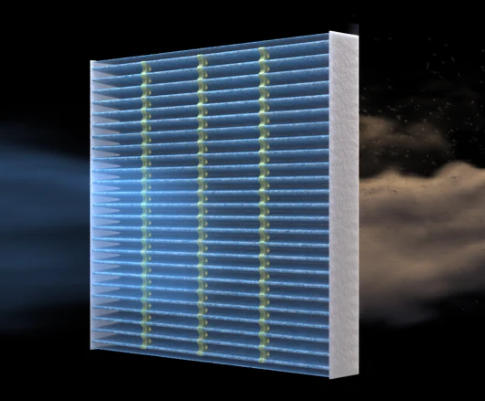
The term HEPA stands for *High-Efficiency Particulate Air*. A HEPA Air Filter is designed to trap at least 99.97% of particles as small as 0.3 microns. These include dust, pollen, mold spores, bacteria, and other airborne contaminants that can circulate inside your car cabin.
Unlike standard cabin filters that rely on coarse filtration materials, HEPA filters are composed of multiple dense layers of synthetic fibers that create a fine mesh. This structure captures even the tiniest particles while maintaining consistent airflow through the system.
In a car's HVAC (heating, ventilation, and air conditioning) system, a HEPA Cabin Air Filter serves as the final barrier between outdoor pollution and your breathing space. It ensures that the air you inhale inside the vehicle remains clean and safe—an increasingly critical factor in urban environments where smog and fine particulate matter (PM2.5) levels are high.
The science behind HEPA Air Filters lies in three filtration mechanisms: interception, impaction, and diffusion.
1. Interception – When particles pass close to a fiber, they stick to it due to adhesive forces.
2. Impaction – Larger particles cannot maneuver around fibers easily and become trapped within the web structure.
3. Diffusion – Very fine particles move erratically (Brownian motion), increasing their likelihood of colliding with and getting captured by filter fibers.
This multi-stage approach allows HEPA filters to outperform standard air filters, especially in capturing ultrafine particles that can irritate respiratory systems or trigger allergies.
The main advantage of a HEPA Air Filter lies in its exceptional ability to purify incoming air. For individuals who spend long hours driving in traffic or living in industrial areas, a HEPA Cabin Air Filter significantly reduces exposure to airborne contaminants. Clean air minimizes the risk of headaches, allergies, asthma attacks, and general fatigue caused by poor ventilation.
Better filtration results in a more pleasant cabin environment. Passengers can enjoy fresher, odor-free air. This improvement is particularly beneficial for children and elderly passengers with weaker immune systems.
Cleaner air circulation prevents the buildup of dust and debris in the HVAC system. As a result, critical components like the evaporator and vents last longer and operate more efficiently. In the long term, this reduces maintenance costs and improves the reliability of your vehicle's air conditioning system.
HEPA Cabin Air Filters are not limited to consumer cars. They are also valuable in medical transport vehicles, pharmaceutical logistics vans, or laboratory supply trucks—where maintaining clean, contaminant-free air is crucial. Companies like Everheal, specialized in sanitation and sterilization equipment, often recommend HEPA filtration systems for controlled environments.
HEPA filters are indeed more costly than ordinary cabin filters, primarily because of their advanced materials and manufacturing precision. A standard filter might cost between $10 and $25, while HEPA alternatives often range from $30 to $80 depending on the vehicle model.
However, when you factor in the health benefits, longer lifespan, and reduced risk of mechanical wear from dust accumulation, the cost difference becomes negligible. Many users replace their HEPA Cabin Air Filters once every 12 to 18 months, while cheaper filters may require replacement every six months.
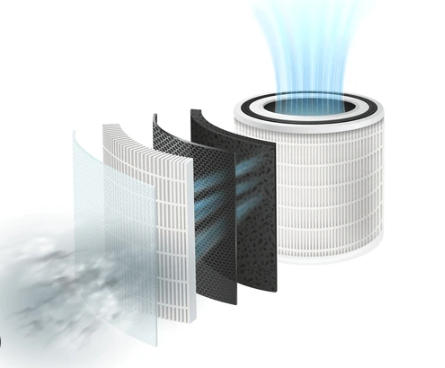
Not all vehicles are designed for HEPA filters by default. Some manufacturers now integrate HEPA-grade filtration in luxury or electric models, such as Tesla's “Bioweapon Defense Mode.” For standard models, aftermarket HEPA Cabin Air Filters are available but must match the specific dimensions and airflow characteristics of your vehicle's HVAC system.
Before installing, it's always advisable to:
- Check the vehicle's owner manual.
- Verify that the airflow resistance meets OEM (Original Equipment Manufacturer) recommendations.
- Ensure the installation process does not compromise ventilation performance.
Professional installation is highly recommended to prevent gaps or misalignment that could reduce filtration efficiency.
The effectiveness of a HEPA Air Filter depends on environmental conditions. In areas with high pollution levels or dusty roads, the filter will trap contaminants more rapidly, requiring more frequent replacement. Local climate also plays a role—humid conditions can lead to mold buildup if not properly ventilated.
To maintain top efficiency:
- Replace the filter on schedule or as soon as airflow weakens.
- Keep windows closed in high-traffic areas to maximize HEPA efficiency.
- Periodically clean the HVAC ducts to prevent the spread of trapped pollutants.
| Feature | Standard Cabin Filter | HEPA Cabin Air Filter |
|---|---|---|
| Filtration efficiency | 60–85% (≥3 μm particles) | ≥99.97% (≥0.3 μm particles) |
| Material composition | Coarse fiber or paper | Dense synthetic microfiber layers |
| Cost | Lower | Higher |
| Replacement frequency | Every 6 months | Every 12–18 months |
| Health protection | Basic dust removal | Advanced purification and allergen control |
This comparison clearly shows why many consumers and professionals alike prefer HEPA Air Filters—they offer measurable, science-backed improvements in air purity and personal well-being.
Replacement schedules vary according to usage. On average, a HEPA Cabin Air Filter should be replaced every 15,000 to 30,000 miles. If you live in an area with heavy pollution, frequent traffic jams, or dusty conditions, earlier replacement—about every 12,000 miles—is recommended.
Signs that it's time for a new HEPA filter include:
- Noticeable drop in airflow
- Persistent musty odors
- Increased dust accumulation inside the car
Proper maintenance ensures that your HEPA Air Filter continues providing optimal performance and protection.
The short answer: Yes, it is absolutely worth it—especially for urban drivers, allergy sufferers, and families concerned about clean air quality. While the upfront cost is slightly higher, the benefits far outweigh the investment. Cleaner breathing air contributes to better focus, improved health, and less fatigue during long drives.
A HEPA Cabin Air Filter is more than just an accessory—it's an essential component of a safe and comfortable driving experience. As air pollution becomes increasingly severe worldwide, protecting yourself and your passengers with advanced filtration technology is a practical choice.
For manufacturers, logistics operators, and healthcare-related companies, adopting HEPA filtration also enhances compliance with hygiene and quality-control standards. Companies like Everheal, with experience in air purification and sterilization systems, demonstrate how HEPA technology can extend beyond vehicles to industrial and pharmaceutical applications.
So whether you are upgrading your car for comfort or protecting sensitive goods in transit, a HEPA Air Filter is indeed a worthwhile investment in both health and performance.
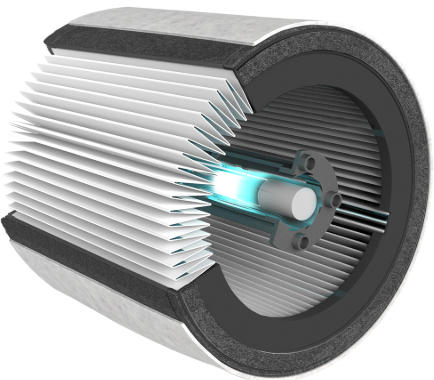
HEPA stands for High-Efficiency Particulate Air, referring to a filter that removes at least 99.97% of airborne particles measuring 0.3 microns or larger.
It's generally recommended to replace it every 15,000–30,000 miles, depending on air quality and driving conditions.
Most cars can be fitted with a compatible aftermarket HEPA Air Filter, but you should verify dimensions and airflow specifications before purchase.
A quality HEPA filter minimally impacts airflow if installed correctly. Poor installation or clogged filters may, however, reduce cooling efficiency.
Yes, many modern HEPA filters are made from recyclable materials. Their extended service life also reduces waste generation compared to frequent replacement of standard filters.


