Content Menu
● Understanding the Role of Water in a CPAP Machine
>> Why Water Quality Matters
● What Is Distilled Water?
>> The Distillation Process
● Why Distilled Water Is the Best for CPAP Machines
>> 1. Prevents Mineral Buildup
>> 2. Protects Machine Longevity
>> 3. Reduces Microbial Contamination
>> 4. Promotes User Safety
>> 5. Enhances Comfort and Sleep Quality
● Different Water Types and Their Suitability for CPAP Machines
● How to Make Distilled Water at Home
● Industrial and Medical-Grade Distillation Systems
● Choosing the Right Distillation Water Machine
>> Production Capacity
>> Material Quality
>> Automation Features
>> Energy Efficiency
>> Maintenance
● How Long Can Distilled Water Be Stored?
● Safe Handling and Maintenance Tips
● Environmental Considerations
● Distilled Water in Pharmaceutical Applications
● Conclusion
● Frequently Asked Questions (FAQ)
>> 1. Can I use boiled water instead of distilled water for my CPAP machine?
>> 2. What happens if I accidentally use tap water once?
>> 3. How often should I replace the water in my CPAP humidifier?
>> 4. Is bottled water safe for CPAP machines?
>> 5. Where can I buy a Distillation Water Machine for home or business use?
Continuous Positive Airway Pressure (CPAP) machines have become a lifeline for millions of people who suffer from sleep apnea. They work by delivering a continuous stream of pressurized air, helping keep the airways open during sleep. However, one crucial aspect of maintaining these devices is the type of water used in their humidifiers. Using the wrong type of water can lead to mineral buildup, bacterial growth, and damage to the equipment.
In this detailed guide, we'll explain what kind of distilled water is best for your CPAP machine, how to produce it with a Distillation Water Machine, and why using pure water is essential for your health and the longevity of your device.
Understanding the Role of Water in a CPAP Machine
The CPAP humidifier chamber requires water to provide moisture to the air you breathe through your mask. Without humidity, the air can dry out your throat and nasal passages, leading to irritation and discomfort.
Why Water Quality Matters
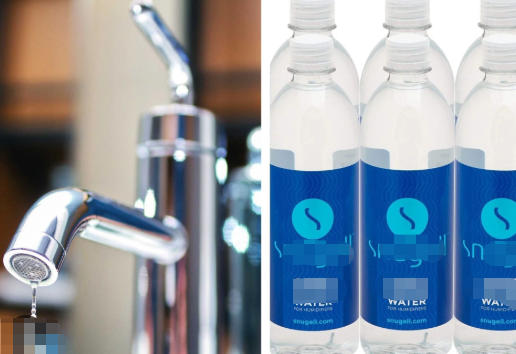
The water that goes into your CPAP machine directly influences the safety and performance of the device. Tap water, for instance, contains minerals like calcium and magnesium. When heated, these minerals form scale deposits inside the humidifier. Over time, this buildup can:
- Reduce heating efficiency
- Damage internal components
- Create environments where bacteria and mold can grow
That's why medical guidelines and most CPAP manufacturers strictly recommend distilled water as the only suitable choice.
What Is Distilled Water?
Distilled water is a purified form of water that has been boiled into vapor and condensed back into a liquid in a separate container. This process removes most impurities, minerals, and microorganisms.
The Distillation Process
The Distillation Water Machine performs this process automatically through the following steps:
1. Heating: The machine boils the source water until it becomes steam.
2. Condensation: The steam travels through cooling coils where it condenses into pure, liquid water.
3. Collection: The condensed water, now free of most contaminants, is collected in a sterile container.
4. Storage: The distilled water can be stored in clean, sealed bottles to maintain purity.
By using a Distillation Water Machine, pharmaceutical facilities, hospitals, or even households can ensure they have a constant supply of high-quality distilled water suitable for CPAP devices and other sensitive medical applications.
Why Distilled Water Is the Best for CPAP Machines
1. Prevents Mineral Buildup
When ordinary tap water is heated, minerals are left behind, creating white residues. Distilled water lacks these minerals, so it leaves no significant deposits.
2. Protects Machine Longevity
A Distillation Water Machine provides water that helps keep heating elements and plastic chambers free from scale, allowing CPAP devices to run efficiently for years.
3. Reduces Microbial Contamination
Bacteria, viruses, and algae can thrive in mineral-rich or unfiltered water. Distilled water reduces the risk of contaminating humidifiers and breathing circuits.
4. Promotes User Safety
Breathing in steam or mist from non-distilled water could introduce impurities into the lungs, potentially causing respiratory irritation. Distilled water, being free of microbes and hardness minerals, keeps inhaled moisture completely clean.
5. Enhances Comfort and Sleep Quality
By delivering clean and gentle humidity, patients experience improved breathing comfort and less dryness during sleep therapy.
Different Water Types and Their Suitability for CPAP Machines
| Water Type | Composition | Suitability for CPAP |
| Tap Water | Contains minerals, chlorine, microbes | Not recommended |
| Purified/Bottled Water | May contain trace minerals | Acceptable short-term |
| Reverse Osmosis (RO) Water | Highly filtered, low in TDS | Generally safe |
| Deionized Water | Contains no ions or minerals | Safe but less accessible |
| Distilled Water | Steam-purified, 99.9% impurity-free | Best Choice |
While purified or reverse osmosis water can be better than tap water, distilled water remains the gold standard recommended by CPAP manufacturers.
How to Make Distilled Water at Home
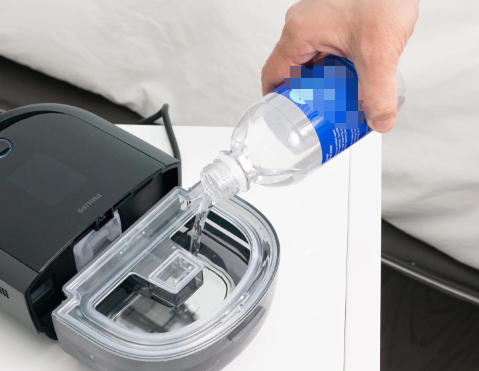
Some users opt to use commercial bottled distilled water, while others prefer to produce their own using a home Distillation Water Machine. Here's a simplified process:
1. Fill the distiller chamber with clean tap water.
2. Start the heating cycle and allow the distiller to vaporize the water.
3. Collect the condensed vapor in a sterile glass container.
4. Store the water in a food-grade, BPA-free bottle away from sunlight.
Most small-scale Distillation Water Machines can produce 3–4 liters of pure water within a few hours—perfect for daily CPAP use and other medical or cosmetic applications.
Industrial and Medical-Grade Distillation Systems
At Everheal, we design and supply advanced water purification equipment tailored for the pharmaceutical sector and medical device manufacturing. Our Distillation Water Machines are engineered according to international GMP (Good Manufacturing Practice) standards and deliver:
- Pure Water (PW) for general use
- Water for Injection (WFI) for sterile applications
- Multi-effect distillation systems for high-volume production
This same level of purity that our machines produce for hospitals and drug manufacturers is ideal for ensuring medical-grade water for CPAP humidifiers.
Choosing the Right Distillation Water Machine
When selecting a Distillation Water Machine, consider the following factors:
Production Capacity
Determine your average daily use. CPAP users typically require 300–500 mL per night, while clinical settings may need several liters daily.
Material Quality
Choose machines built with 316L stainless steel, which resists corrosion and ensures no metal contamination.
Automation Features
Modern distillation units come with automatic feeding, steam generation control, and shutdown safety features. These ensure consistent water purity.
Energy Efficiency
Cutting-edge models integrate heat recovery systems, minimizing power consumption while maintaining steady output.
Maintenance
Select machines that are easy to clean and maintain. Steam sterilization systems can automatically disinfect the distillation chamber after each cycle.
How Long Can Distilled Water Be Stored?
Distilled water does not contain preservatives, so storage conditions matter. Use sterilized, sealed containers and keep them in a cool, dark place. When stored properly, distilled water can last for up to 6 months.
For CPAP use, it's best to use freshly distilled water every night and discard any leftover water in the humidifier each morning. This ensures you always breathe in the cleanest vapor possible.
Safe Handling and Maintenance Tips
1. Clean your humidifier chamber daily. Empty it every morning to avoid bacterial growth.
2. Use only distilled water. Avoid mineralized bottled water or flavored varieties.
3. Disinfect regularly. Use mild vinegar solution weekly to clean components.
4. Store water safely. Never reuse old water from the previous night.
5. Monitor your machine. Replace the humidifier chamber every 6 months or as recommended by the manufacturer.
By adhering to these routine steps, you extend your CPAP device's life and maintain a safe respiratory environment.
Environmental Considerations
While traditional distilled water production consumes significant energy, newer Distillation Water Machines incorporate energy recovery cycles and efficient condensers. At Everheal, our systems are designed to minimize waste heat and reduce energy footprints while maintaining strict water purity levels.
Companies seeking sustainable solutions can also integrate waste steam from production lines into the distillation system, reducing energy costs and promoting green production.
Distilled Water in Pharmaceutical Applications
Distillation isn't just important for CPAP users—it's a cornerstone of pharmaceutical-grade water production. Everheal Distillation Water Machines are widely used for producing:
- Water for Injection (WFI): Used in sterile manufacturing
- Pure Steam: Used for sterilization and sanitization
- Purified Water: Used for preparing non-parenteral solutions
These technologies ensure water purity levels far beyond consumer-grade products, guaranteeing safety in sensitive environments such as hospitals, laboratories, and biopharma facilities.
Conclusion
The health benefits of your CPAP therapy largely depend on the quality of water you use. Distilled water keeps your equipment clean, prevents mineral scale, and ensures that every breath you take during sleep is as pure as possible. With a reliable Distillation Water Machine, you can easily produce high-quality distilled water for daily use—safely, efficiently, and economically.
Everheal continues to serve global clients with cutting-edge pure water production systems, ensuring that hospitals, pharmaceutical plants, and individual users alike can access the cleanest water technology available. Whether for industrial-scale installation or personal respiratory care, using distilled water is a simple step that makes a profound difference.
Frequently Asked Questions (FAQ)
1. Can I use boiled water instead of distilled water for my CPAP machine?
Boiling tap water kills microorganisms but doesn't remove dissolved minerals. These minerals can still accumulate and damage the humidifier, so only distilled water is recommended.
2. What happens if I accidentally use tap water once?
Using tap water occasionally won't immediately harm your CPAP, but it can leave residue inside the chamber. Clean the reservoir thoroughly and switch back to distilled water immediately.
3. How often should I replace the water in my CPAP humidifier?
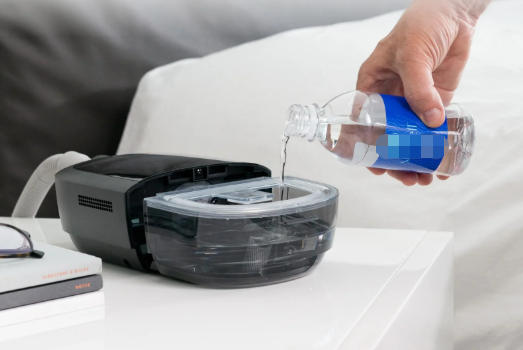
Replace the water daily. Empty any remaining water in the morning, rinse the chamber, and refill it with fresh distilled water before the next use.
4. Is bottled water safe for CPAP machines?
Some bottled waters are labeled “purified,” but they may still contain small amounts of minerals. Check labels carefully; distilled water remains the safest and most effective choice.
5. Where can I buy a Distillation Water Machine for home or business use?
Everheal offers a full range of Distillation Water Machines, from compact tabletop models for personal use to industrial-scale units for pharmaceutical manufacturing. Contact our sales team for customized solutions based on your production needs.


