Content Menu
● What Is a Washable Air Filter?
● Why Identifying a Washable Air Filter Matters
● Key Signs That an Air Filter Is Washable
>> 1. Material Type
>> 2. Label or Manufacturer's Information
>> 3. Structural Durability Test
>> 4. Visible Reusable Mesh or Electrostatic Material
>> 5. Cleaning Instructions in Documentation
● Common Materials Used in Washable Air Filters
● How to Properly Clean a Washable Air Filter
● Benefits of Using Washable Air Filters
● Drawbacks or Limitations of Washable Air Filters
● How Washable Air Filters Are Used in Pharmaceutical and Industrial Environments
● When to Replace a Washable Air Filter
● Environmental and Economic Impact
● Conclusion
● FAQ
>> 1. How often should I clean a washable air filter?
>> 2. Can I use soap or chemical cleaners?
>> 3. How do I know when a washable filter needs replacement?
>> 4. Are washable air filters as efficient as HEPA filters?
>> 5. Can washable air filters be used in pharmaceutical applications?
In modern facilities — from pharmaceutical cleanrooms to industrial plants — maintaining clean, high-quality air is crucial for product integrity, worker safety, and regulatory compliance. One key component that ensures this is the air filter. However, not all air filters are created equal. Some are disposable and need replacing, while others are designed to be cleaned and reused. Understanding how to tell if an air filter is washable can help factories, laboratories, and commercial facilities save time and costs while maintaining optimal performance.
This article explores what defines a washable air filter, how to identify one, the benefits and drawbacks of using washable types, and how to maintain them properly.
What Is a Washable Air Filter?
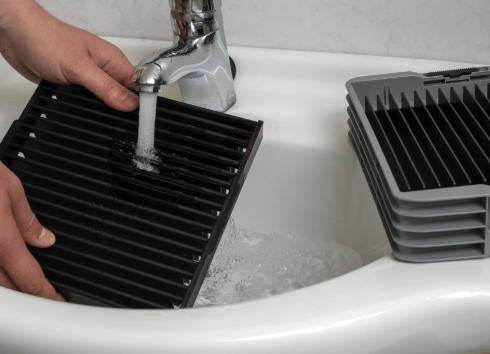
A washable air filter is an air filtration device designed for repeated use. Instead of discarding it after it becomes dirty, users can clean it, dry it, and reinstall it. These filters are usually made with durable materials such as aluminum mesh, stainless steel, or synthetic fibers coated with an electrostatic charge.
Washable filters are commonly used in environments where air quality control is critical, such as:
- Pharmaceutical manufacturing cleanrooms
- Food and beverage processing areas
- HVAC systems in industrial and commercial buildings
- Laboratories and hospital environments
Unlike disposable filters—typically made from paper or cardboard—washable air filters are built to withstand moisture, pressure, and repeated cleaning cycles without losing their filtration efficiency.
Why Identifying a Washable Air Filter Matters
Knowing whether your air filter is washable directly affects your system's performance, operating costs, and compliance with cleanliness standards.
- Cost Efficiency: Washable filters can last several years when properly maintained, reducing long-term replacement expenses.
- Sustainability: Reusable filters reduce waste and align with eco-friendly manufacturing and facility management practices.
- Performance Consistency: Regular cleaning keeps airflow stable and prevents system inefficiencies that dirty filters can cause.
- Regulatory Compliance: Industries like pharmaceuticals or electronics require consistent air purity; using the correct filter type is fundamental to meeting standards such as ISO 14644 or GMP requirements.
Key Signs That an Air Filter Is Washable
If you are unsure whether your facility's air filter is washable or disposable, several distinct indicators can help you determine it safely.
1. Material Type
Washable air filters are made from robust materials. Look for:
- Metal frames rather than cardboard or fiberboard
- Wire mesh layers or synthetic fibers coated with a polymer
- No signs of glued seams or easily dissolvable components
Disposable filters typically have paper-like pleats, weak frames, and adhesives that deteriorate when exposed to moisture.
2. Label or Manufacturer's Information
Check the filter's side or edges for any printed information. Washable filters often have labels stating phrases such as “Reusable,” “Washable Air Filter,” or “Cleanable.” Additionally, there may be cleaning instructions, maintenance schedules, or warnings not to use harsh chemicals.
If the filter lacks labeling, consult your equipment manual or contact the manufacturer for confirmation.
3. Structural Durability Test
Gently touch and flex the filter's frame. Washable filters feel solid and rigid due to metal or polymer construction. Disposable types bend or crumble easily. This durability allows washable units to endure exposure to water or compressed air during cleaning.
4. Visible Reusable Mesh or Electrostatic Material
Washable air filters often feature a multi-layer structure with visible mesh or synthetic fibers designed to trap various particle sizes. In contrast, disposable types have uniform paper pleats without mesh reinforcement.
Electrostatic washable filters may also carry a light static charge, attracting fine debris such as dust, pollen, and spores.
5. Cleaning Instructions in Documentation
Check your system's user guide or maintenance documents. Most installations, especially in industrial or cleanroom settings, specify the type of filter required. If the cleaning process is mentioned (e.g., “rinse with water” or “use compressed air”), the filter is almost certainly washable.
Common Materials Used in Washable Air Filters
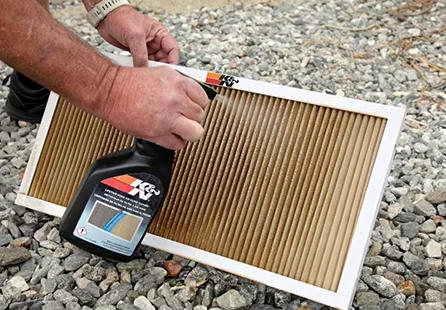
Washable filters rely on strong materials that resist corrosion and maintain form through many cleaning cycles. Common materials include:
- Aluminum Mesh: Lightweight, corrosion-resistant, and ideal for HVAC pre-filtration systems.
- Stainless Steel: Used in pharmaceutical or food production areas where sanitary conditions are mandatory.
- Synthetic Polymer Fibers: Often coated with electrostatic properties to capture fine particulates.
- Foam Filters: Used for specific applications like engines or air compressors where moisture resistance is needed.
Each material type offers a balance between durability, efficiency, and ease of cleaning.
How to Properly Clean a Washable Air Filter
Once you've confirmed the filter is washable, correct cleaning preserves its function and lifespan. Follow these steps:
1. Turn Off the System: Disconnect air systems or HVAC units before removing the filter to prevent dust dispersal.
2. Remove the Filter Carefully: Avoid damaging the edges or frames.
3. Pre-Rinse With Water: Use low-pressure tap water to remove loose dust and debris.
4. Apply Mild Detergent if Necessary: For heavily soiled filters, use a gentle detergent diluted in warm water. Avoid chemical solvents that could damage coating materials.
5. Rinse Thoroughly: Ensure no soap residue remains, as residues can affect airflow.
6. Air Dry Completely: Let the filter dry naturally in a shaded, well-ventilated area. Do not use heat sources like blow dryers or heaters.
7. Reinstall Properly: Once dry, place the filter back ensuring correct airflow direction.
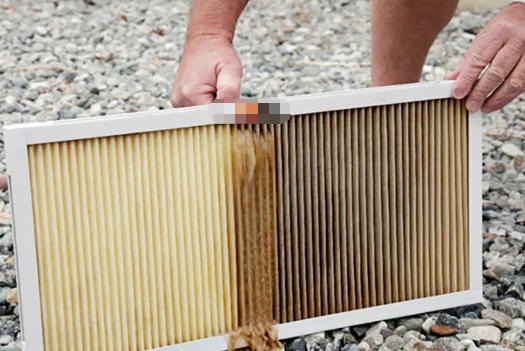
Cleaning frequency depends on the environment. Industrial or pharmaceutical settings may require weekly maintenance, while domestic systems might need monthly or quarterly cleaning.
Benefits of Using Washable Air Filters
Choosing washable air filters brings significant long-term operational and environmental benefits.
- Longevity: Many washable filters last up to 5–10 years under proper care.
- Consistent Efficiency: Regularly cleaned filters maintain stable air pressure and filtration levels.
- Reduced Waste: Reusing filters limits the frequency of discarding used disposables.
- Cost Reductions: Although initial costs are higher, savings from fewer replacements and stable system performance quickly offset investment.
- Better Airflow: Clean filters reduce strain on air systems, improving energy efficiency.
In clean manufacturing environments, these advantages also support consistent compliance with ISO cleanroom and GMP standards.
Drawbacks or Limitations of Washable Air Filters
While beneficial, washable filters are not ideal for every situation. Key limitations include:
- Higher Upfront Cost: Initial purchase price is typically higher than that of disposable filters.
- Maintenance Requirements: Cleaning introduces downtime, which may not be ideal for continuous operations.
- Potential for Improper Drying: If reinstalled before fully dry, mold or bacterial growth could occur.
- Lower HEPA Efficiency Options: Although efficient, most washable air filters cannot reach HEPA-grade performance required in ultra-clean environments.
For pharmaceutical or medical facilities, washable filters are often used as pre-filters before fine-grade HEPA stages, ensuring cost-effective operation without compromising hygiene.
How Washable Air Filters Are Used in Pharmaceutical and Industrial Environments
In Everheal's core field — pharmaceutical equipment and production systems — air purity defines every stage of manufacturing. Washable air filters play vital roles in:
- Cleanroom Air Pre-Filtration: Capturing large particles before airflow enters HEPA or ULPA filters.
- HVAC System Protection: Maintaining steady airflow for climate control systems.
- Utility Systems: Filtering intake air for steam generators, distilled water machines, and filling units.
Everheal's design approach often integrates washable air filters into comprehensive solutions alongside pure steam generators, distilled water systems, and sterilization lines. This ensures efficient, regulatory-compliant operations with reduced maintenance costs.
When to Replace a Washable Air Filter
Despite being reusable, washable air filters have a finite life. Replacement may be needed when:
- The frame becomes deformed or corroded.
- Filtration mesh displays holes or fraying fibers.
- Airflow resistance remains high after cleaning.
- The filter no longer retains its electrostatic charge (in electrostatic models).
Most manufacturers provide guidelines for maximum cycles or years of use. In industrial environments, periodic performance testing helps determine when replacement is necessary.
Environmental and Economic Impact
Facilities that adopt washable air filters benefit from lower environmental footprints. Each reusable filter prevents dozens of disposable filters from ending up in landfills annually. Additionally, because washable filters maintain efficient airflow, they reduce overall HVAC energy consumption. This aligns with modern sustainability initiatives, including ISO 14001 and corporate carbon reduction goals.
Conclusion
Determining whether your air filter is washable involves checking its material, structure, label, and manufacturer's documentation. Washable air filters, made from durable materials like aluminum or synthetic mesh, offer long-term savings and environmental benefits. They are essential in industries that demand reliability and hygiene — particularly pharmaceutical manufacturing.
By following proper maintenance routines and replacement guidelines, facilities can maximize both efficiency and cleanliness while supporting sustainability commitments.
FAQ
1. How often should I clean a washable air filter?
The cleaning frequency depends on usage and environment. In heavily contaminated industrial areas, weekly cleaning may be necessary. In standard commercial or office HVAC systems, once every one to three months is often sufficient.
2. Can I use soap or chemical cleaners?
Use only mild detergent in warm water. Avoid chemical solvents, bleach, or alcohol — they can degrade coating materials and reduce the lifespan of your washable air filter.
3. How do I know when a washable filter needs replacement?
If the filter shows visible damage, corrosion, or reduced airflow even after cleaning, it should be replaced. Most washable filters last between five to ten years depending on maintenance.
4. Are washable air filters as efficient as HEPA filters?
No. Washable filters offer good particle capture performance but generally do not achieve HEPA-level filtration. However, they work well as pre-filters that protect finer filters downstream.
5. Can washable air filters be used in pharmaceutical applications?
Yes. Many pharmaceutical systems use washable filters as pre-filtration components in cleanrooms, sterile environments, and water system air intakes, ensuring regulatory compliance and operational efficiency.


