Content Menu
● What Is a HEPA Air Filter?
● Why Use an Air Purifier with a HEPA Air Filter?
● Step-by-Step Guide: How to Use an Air Purifier with HEPA Filter
>> Step 1: Choose the Right Location
>> Step 2: Unbox and Inspect the HEPA Air Filter
>> Step 3: Turn On and Adjust Airflow Settings
>> Step 4: Keep Doors and Windows Closed
>> Step 5: Maintain Regular Filter Cleaning and Replacement
>> Step 6: Clean the Unit Exterior
>> Step 7: Monitor Air Quality Indicators
● Tips to Maximize Your HEPA Air Filter's Efficiency
● Common Mistakes to Avoid When Using HEPA Air Purifiers
● Advanced Applications of HEPA Air Filters
● Conclusion
● FAQ About Air Purifiers with HEPA Filters
>> 1. What is the difference between HEPA and regular air filters?
>> 2. How often should I replace the HEPA air filter?
>> 3. Can I wash and reuse a HEPA filter?
>> 4. Do HEPA filters remove viruses and bacteria?
>> 5. Does using an air purifier consume a lot of energy?
Air quality has become one of the most critical factors affecting our health, both indoors and outdoors. Whether you live in a busy city or a quiet residential area, invisible pollutants can seriously impact air quality, leading to allergies, asthma, and other respiratory issues. One of the most effective solutions to this problem is an air purifier with a HEPA air filter. This device can capture and remove microscopic particles, ensuring cleaner, healthier air in your home or workplace.
This article will guide you step-by-step on how to use an air purifier with a HEPA filter correctly, how to maintain it, and how to maximize its performance for long-term air quality improvement.
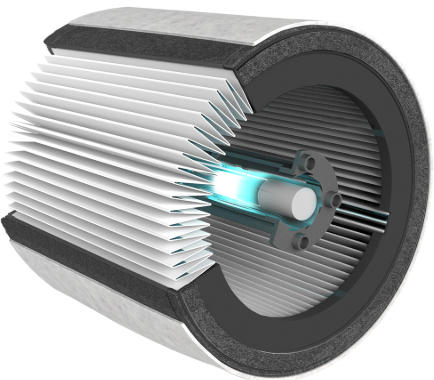
What Is a HEPA Air Filter?
A HEPA (High-Efficiency Particulate Air) filter is a scientifically designed filtration medium that removes at least 99.97% of particles as small as 0.3 microns. These tiny particles include dust, bacteria, pollen, pet dander, and smoke. HEPA filters are not just standard filters—they meet strict international standards used in pharmaceutical manufacturing, aerospace clean rooms, and hospital operating theaters.
There are several types of HEPA filters depending on their grade, ranging from H10 to H14. Higher grades (like H13 and H14) are used in environments that demand exceptional purity. For most residential and office environments, an H12 or H13 HEPA air filter provides more than enough protection.
Why Use an Air Purifier with a HEPA Air Filter?
Using an air purifier equipped with a HEPA air filter offers significant health and environmental benefits:
- Removes microscopic pollutants: These particles are too small to be trapped by normal filters.
- Improves respiratory health: Ideal for allergy sufferers and individuals sensitive to airborne particles.
- Eliminates smoke and odor: Especially useful for households with smokers or cooking areas.
- Reduces indoor allergens: Keeps spaces safe for pets and children.
- Enhances air quality in controlled environments: Perfect for laboratories, pharmaceutical facilities, and clean rooms.
In industries like pharmaceutical production—where Everheal specializes in pure water preparation and sterilization systems—the same HEPA filtration technology helps keep production areas compliant with GMP cleanliness standards.
Step-by-Step Guide: How to Use an Air Purifier with HEPA Filter
Step 1: Choose the Right Location
Placement is critical. For maximum efficiency:
- Keep the air purifier in a central, open space within the room.
- Ensure there is at least 15–20 inches of clearance around the unit.
- Avoid placing it behind furniture or near curtains, as these can block air movement.
- If possible, position it near common pollutant sources like windows or doors.
Step 2: Unbox and Inspect the HEPA Air Filter
Before operating the purifier, carefully remove the packaging. Most new devices come with the HEPA air filter sealed in plastic to prevent contamination during shipping.
Remove all packaging layers, and ensure there is no obstruction inside the airflow chamber. Using the purifier with its wrapping still intact can damage the machine and reduce air quality.
Step 3: Turn On and Adjust Airflow Settings
Modern HEPA air purifiers come with adjustable fan speeds, timers, and smart sensors. Start at medium power for the first few hours, then adjust based on your room size and air quality level.
Some models detect particulate concentration automatically through built-in PM2.5 sensors, adjusting fan speeds accordingly.
Step 4: Keep Doors and Windows Closed
To allow your HEPA air filter unit to function effectively, it's important to operate it in a closed environment. Open doors or windows continuously allow outside contaminants to reintroduce dust and pollen, forcing your purifier to work harder and shortening the filter's lifespan.
Step 5: Maintain Regular Filter Cleaning and Replacement
Although HEPA filters cannot be washed (unless the model specifies it as “washable HEPA”), you should routinely vacuum the pre-filter to remove hair and large dust particles.
Generally, the HEPA air filter should be replaced every 6 to 12 months depending on usage and air quality conditions. If your purifier includes a filter replacement indicator, follow those alerts closely.
Step 6: Clean the Unit Exterior
Wipe the purifier's body using a soft, damp cloth every few weeks. Avoid using alcohol or cleaning chemicals directly on the machine's surface. Keeping the outer casing clean helps prevent dust build-up around the air intake and outlets.
Step 7: Monitor Air Quality Indicators
Many air purifiers come with color-coded air quality indicators—green for good, yellow for moderate, and red for polluted air. Monitoring these indicators helps you gauge when to replace or upgrade your HEPA air filter.
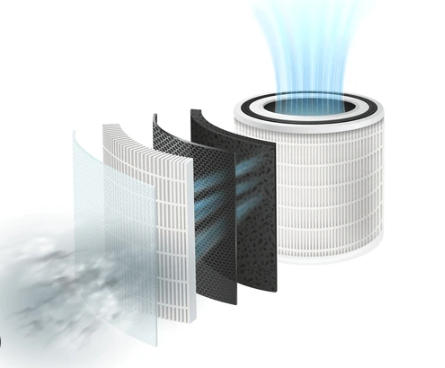
Tips to Maximize Your HEPA Air Filter's Efficiency
To get the best results, you can optimize your air purifier's operation using the following strategies:
- Run it continuously, especially during high pollution seasons.
- Keep HVAC vents clean, as dust from vents can offset purification effects.
- Avoid blocking airflow, allowing the purifier to draw room air smoothly.
- Use in combination with dehumidifiers in damp environments to reduce mold spores.
- Replace filters on schedule, as clogged filters force the motor to work harder and consume more energy.
HEPA filter efficiency depends heavily on air exchange rate—how often the purifier circulates all air in the room. Ideally, your purifier should refresh the air 4 to 5 times per hour in a closed area for maximum cleanliness.
Common Mistakes to Avoid When Using HEPA Air Purifiers
Even the most advanced unit fails to perform if not used correctly. Avoid these frequent user mistakes:
- Running with windows open: Outdoor air introduces more pollutants.
- Ignoring filter alerts: A saturated HEPA air filter drastically lowers purification efficiency.
- Choosing the wrong size purifier: Undersized units cannot handle large rooms.
- Placing near moisture sources: Avoid positioning near bathrooms or humidifiers.
- Skipping professional maintenance: Dust buildup inside the motor can shorten lifespan.
Correct operation ensures the HEPA air filter continues capturing microscopic particles as designed, providing long-term benefits.
Advanced Applications of HEPA Air Filters
In industrial and medical sectors, HEPA filters go far beyond home use. They are essential in:
- Pharmaceutical production facilities, ensuring sterile environments during manufacturing.
- Clean rooms in electronics or biotechnology plants.
- Hospital air handling systems, preventing airborne infection spread.
- Research laboratories, protecting both experiments and personnel.
Everheal's pharmaceutical equipment, such as pure steam systems, sterilization units, and pure water preparation systems, often integrates HEPA air filtration to ensure compliance with international cleanroom standards. Understanding household HEPA systems follows the same scientific principle—capturing contaminants before they compromise your air or products.
Conclusion
Using an air purifier with a HEPA air filter is one of the smartest investments for improving air quality, protecting health, and maintaining a clean environment. Whether at home, in an office, or an industrial cleanroom, operating and maintaining your purifier correctly ensures it runs efficiently and lasts longer.
Remember to install the HEPA air filter properly, replace it when necessary, and position your device thoughtfully. Combined with smart maintenance habits and careful operation, these steps will keep your living and working environments filled with clean, breathable air every day.
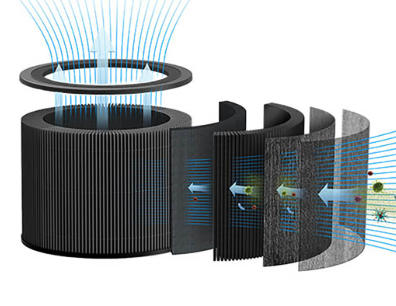
FAQ About Air Purifiers with HEPA Filters
1. What is the difference between HEPA and regular air filters?
Regular filters capture only large particles like dust or pet hair. A HEPA air filter, however, traps ultrafine particles down to 0.3 microns with a 99.97% efficiency rate, making it much more effective for allergy and pollution control.
2. How often should I replace the HEPA air filter?
Replacement frequency depends on usage and pollution levels, but generally every 6–12 months. Some purifiers include a filter replacement indicator—follow that for accurate timing.
3. Can I wash and reuse a HEPA filter?
Most HEPA air filters are not washable. Washing can damage the filter fibers and reduce efficiency. Always check your purifier's manual; if it specifies a washable HEPA filter, follow the manufacturer's cleaning guidelines.
4. Do HEPA filters remove viruses and bacteria?
Yes, to an extent. While not all viruses are captured, HEPA filters can trap larger bacteria and virus-carrying droplets, significantly reducing airborne pathogens in the environment.
5. Does using an air purifier consume a lot of energy?
No, most HEPA air purifiers are energy-efficient, especially those rated by Energy Star. Running them continuously at low or automatic settings consumes minimal power compared to other household appliances.


