Content Menu
● What Is Vapor Distilled Water?
● Why CPAP Manufacturers Recommend Distilled Water
● Is Vapor Distilled Water the Same as Distilled Water for CPAP?
● Benefits of Using High‑Purity Distilled Water in CPAP
● Alternatives When Distilled Water Is Not Available
● Role of Distillation Water Machines in Medical and CPAP Applications
● Practical Tips for Using Vapor Distilled Water in CPAP Machines
● Summary
● FAQ
>> 1. Is vapor distilled water really safe for my CPAP machine?
>> 2. Can I use tap water instead of vapor distilled water if I run out?
>> 3. What makes water from a pharmaceutical Distillation Water Machine different?
>> 4. Do I still need to clean my humidifier if I always use vapor distilled water?
>> 5. Can I make my own distilled water instead of buying vapor distilled water?
Vapor distilled water is not only acceptable for CPAP machines; it is essentially the same type of distilled water that manufacturers and sleep‑medicine organizations recommend for protecting both your lungs and your equipment. For reliable long‑term CPAP therapy, using high‑purity water—ideally produced in a professional Distillation Water Machine—is one of the simplest ways to keep your humidifier clean and your treatment comfortable and safe.
What Is Vapor Distilled Water?
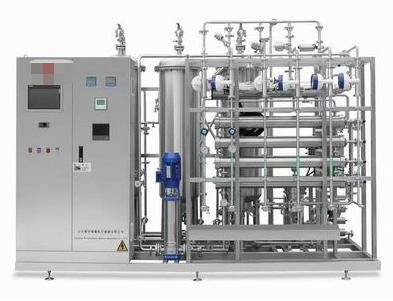
Vapor distilled water is water that has been boiled into steam and then condensed back into liquid in a separate chamber, leaving minerals and most contaminants behind. This is exactly the core principle used in a pharmaceutical‑grade Distillation Water Machine, just executed within more controlled industrial or medical infrastructure. The repeated phase change—liquid to vapor and back to liquid—strips out dissolved solids, many impurities, and substantially reduces microbial load when designed and operated properly.
In consumer products, “vapor distilled” often appears on bottled water labels to signal that the water has gone through a distillation step, sometimes followed by the addition of small amounts of minerals or taste‑enhancing components. For CPAP use, though, the ideal is vapor distilled water that does not have mineral “electrolytes” added back, because those extra substances can still leave mineral scale around the humidifier chamber. A typical Distillation Water Machine for medical or pharmaceutical applications omits such additives altogether, treating water simply to remove contaminants rather than to improve palate or mouthfeel.
When a Distillation Water Machine is specialized for pharmaceutical and clinical environments, it is designed to target extremely low levels of conductivity, organic impurities, silicate content, and microbial load, producing water that easily meets or exceeds the purity recommended for CPAP‑compatible humidification. This kind of water is suitable not only for breathing applications but also for injection preparation, cleaning of critical fluid‑handling components, and running highly sensitive processes in sterile manufacturing lines.
Why CPAP Manufacturers Recommend Distilled Water
Most modern CPAP machines are equipped with a heated humidifier, which warms water to add moisture to the airflow and prevent dryness, irritation, or nasal congestion during use. CPAP manufacturers consistently recommend using distilled water in these humidifiers because it minimizes mineral buildup inside the chamber, protects internal components, and greatly reduces the risk of bacterial or fungal contamination.
Tap water, spring water, and many bottled “purified” waters often contain dissolved minerals such as calcium and magnesium, as well as trace metals, chlorine byproducts, and other impurities. When this water is heated and evaporates inside the CPAP chamber, the non‑volatile minerals remain behind as white deposits that can coat the tank walls, heater plate, and sensor surfaces. These deposits not only cloud the reservoir visually but can also insulate heater components, reduce thermal efficiency, and create rough textures where biofilms are more likely to form.
Distilled water created by a Distillation Water Machine goes through a rigorously controlled boiling and condensation cycle designed to strip out these dissolved minerals and many organic and inorganic contaminants. The resulting liquid evaporates cleanly, leaving no scale, which simplifies routine inspection and cleaning of the humidifier chamber. Because fewer mineral residues accumulate over time, the internal geometry and heating characteristics of the CPAP humidifier stay closer to factory‑new conditions, supporting more stable airflow and humidity for the user.
In clinical and hospital settings where CPAP, BiPAP, and other respiratory‑assist devices are in constant rotation, using high‑purity distilled water—often sourced from a centralized Distillation Water Machine—also contributes to infection‑control protocols. Lower levels of dissolved solids and microbial load in the water supply, combined with regular chamber cleaning, help reduce opportunities for waterborne pathogens to circulate in the breathing circuit.
Is Vapor Distilled Water the Same as Distilled Water for CPAP?
From a functional standpoint in CPAP therapy, vapor distilled water and standard distilled water are the same: both are produced by boiling water into steam and condensing the vapor into fresh, purified liquid. The key factor is not the branding term on the bottle but whether the water is genuinely mineral‑free and produced in equipment that reliably removes contaminants—a hallmark of a well‑designed Distillation Water Machine used in medical or pharmaceutical environments.
Some commercial vapor distilled waters add trace electrolytes or “essential minerals” to improve taste for everyday drinking, which makes no benefit to CPAP machines and can actually accelerate mineral deposits in the humidifier reservoir. If you choose a vapor distilled product for your CPAP device, it is important to read the label and confirm that no minerals or salts have been re‑introduced. For long‑term comfort and equipment protection, pure vapor distilled water without added minerals—essentially distilled water—is what you want.
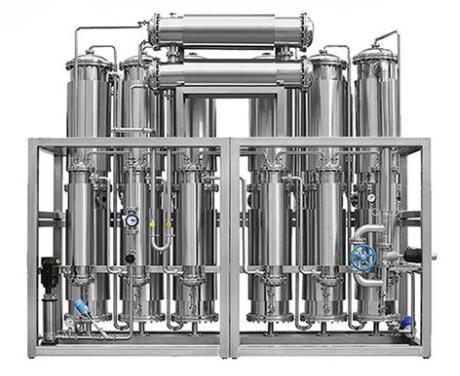
In medical and pharmaceutical environments, multi‑effect and multi‑function Distillation Water Machine systems are engineered specifically to avoid post‑distillation contamination and to meet pharmacopeia standards for high‑purity water. These systems can produce water with very low endotoxin levels, low conductivity, and tight control over microbial counts, making the output suitable for sensitive applications ranging from injectable products to sterile‑equipment rinsing. When such a Distillation Water Machine supplies steam‑humanized CPAP water for clinic use, the quality profile aligns closely with what manufacturers intend for optimal device performance and patient safety.
Benefits of Using High‑Purity Distilled Water in CPAP
Using high‑purity distilled or vapor distilled water offers several practical and clinical advantages for CPAP users. Many of these benefits become even more reliable when the water is produced by a pharmaceutical‑grade Distillation Water Machine with strict process controls, because the entire supply chain—the source, evaporation, condensation, storage, and distribution—is designed with purity and safety in mind.
First, using distilled water reduces mineral scaling on the inner surfaces of the humidifier chamber and around the heater plate. With little to no mineral deposit, the reservoir stays visibly clearer, sensors remain uncoated, and the heater can transfer energy efficiently without having to burn through an insulating crust. This means more consistent humidity delivery and fewer fluctuations that could otherwise affect comfort during the night.
Second, high‑purity water improves hygiene. By limiting dissolved minerals and organic materials, distilled water reduces the nutrient load available for bacterial and fungal growth, which is especially important in a humid, warm environment like a CPAP chamber. When combined with daily emptying and regular washing, water from a Distillation Water Machine‑type source helps create a regime in which microbial biofilm is minimized rather than encouraged.
Third, pure water supports stable humidity delivery. A clean chamber with no mineral crust allows the heater and moisture‑control feedback systems to work consistently, helping your machine maintain the selected humidity level. Users often report smoother, more comfortable therapy when they switch from tap or spring water to distilled or vapor distilled water.
Fourth, using distilled or vapor distilled water makes routine maintenance easier. You spend less time scrubbing stubborn mineral residue, soaking bottles, or replacing tanks prematurely due to calcification. For multi‑bed respiratory units or CPAP clinics that refill many devices, this can translate into measurable time and labor savings.
Fifth, distilled water contributes to longer device longevity. Consistent exposure to hard water and impurity‑rich tap water can gradually degrade heater components, cramp seal integrity, and weaken plastic reservoirs over months or years. By contrast, operating with distilled or vapor distilled water—especially water produced or verified by a high‑grade Distillation Water Machine—helps extend the service life of both small home‑use devices and larger clinical systems.
Alternatives When Distilled Water Is Not Available
There will inevitably be times when distilled or vapor distilled water is not immediately available, such as while traveling, during short‑term supply interruptions, or in remote locations. In those situations, it is still possible to continue CPAP therapy safely as long as you follow some clear principles and increase your cleaning frequency.
Some sleep and respiratory‑health organizations note that purified or filtered water can be used for short periods if distilled water cannot be obtained, although it may leave more residue and can become harder to keep clean. Boiled tap water can effectively kill many microorganisms, but boiling alone does not remove dissolved minerals, so it will still contribute to scale formation in the chamber. From a mechanical and hygiene standpoint, neither filtered nor boiled water offers the same level of protection as true distilled or vapor distilled water.
A home user can theoretically create distilled water by boiling water and capturing the condensate with ad‑hoc kitchen equipment, but this is time‑consuming, can be inconsistent in quality, and may introduce new contaminants if the collection surfaces are not sterile. By contrast, a dedicated Distillation Water Machine is engineered to repeat the boiling–condensation cycle precisely, manage energy efficiency, cool and condense steam effectively, and shield the product water from re‑contamination during collection and storage. For anyone who uses CPAP regularly—especially in a clinical or manufacturing setting—having access to a Distillation Water Machine is a much more dependable route to ongoing high‑purity water than DIY distillation.
If you must use non‑distilled water temporarily in your CPAP machine, you should clean and dry the chamber more often than usual to remove any visible film or deposits. For example, you might rinse the reservoir daily after use and perform a more thorough washing at least every few days. Once you regain access to vapor distilled or distilled water—especially water produced or verified by a Distillation Water Machine—return to using it as your preferred source to protect both your airways and your equipment over the long term.
Role of Distillation Water Machines in Medical and CPAP Applications
In pharmaceutical plants, hospitals, and advanced medical centers, a Distillation Water Machine is a critical utility that generates large volumes of purified or distilled water for many life‑supporting processes. These systems are not just about convenience; they are part of a broader infrastructure designed to ensure consistent, safe, and terminally controlled water for use in injection, equipment cleaning, sterile rinsing, and process support.
Multi‑function and multi‑effect Distillation Water Machine designs can incorporate several evaporation stages, preheating circuits, and energy‑recovery units to give higher yields per unit of energy while still delivering water that meets strict pharmacopeia specifications. For a company like Everheal, which specializes in pure water preparation systems, pure steam generators, multi‑function Distillation Water Machine solutions, filling‑sealing machines, and sterilization systems, such equipment sits at the heart of compliant, high‑performance pharmaceutical and medical water networks.
When CPAP‑related operations are hosted inside a medical or pharmaceutical campus—such as sleep‑laboratory testing rooms, respiratory‑therapy treatment areas, or device‑reprocessing stations—connecting them to an existing Distillation Water Machine or a dedicated CPAP water supply network ensures a reliable stream of water with controlled microbiological and chemical quality. This approach not only supports direct patient safety but also simplifies compliance with GMP, ISO, and similar regulatory frameworks that require documented water‑quality evidence for critical utilities.
For international partners, OEM customers, and turnkey project planners, working with an experienced Distillation Water Machine supplier allows for customized plant‑wide pure water and pure steam designs that align with regional standards and project constraints. These integrators can help size and select systems that simultaneously serve sterile manufacturing lines, clean‑room utilities, and CPAP‑support water demands, providing a single, well‑validated water backbone that spans the entire facility.
Practical Tips for Using Vapor Distilled Water in CPAP Machines
To get the most from your CPAP therapy while using vapor distilled or distilled water—whether sourced from consumer bottles or a Distillation Water Machine—there are several practical habits that can make a noticeable difference in hygiene, comfort, and device performance.
Make sure to check labels carefully if buying bottled vapor distilled water for CPAP. Look for products that explicitly state “no added minerals” or “pure distilled water,” as some brands add electrolytes or flavoring agents that are suitable for drinking but unnecessary and potentially harmful to your humidifier. When sourcing from a centralized Distillation Water Machine in a clinic or production facility, verify that the outlet is dedicated solely to CPAP‑compatible water and that it is not mixed with industrial or lower‑grade process water.
Always fill the humidifier chamber only up to the indicated water‑level line. Filling beyond this line can allow water to spill into the tubing during use, which may cause gurgling, discomfort, or even minor flooding, while filling too little can result in the chamber drying out before the night ends, leading to dry air and nasal irritation.
After each use, empty whatever remaining water is in the chamber and do not reuse it, as this leftover liquid has been warmed and exposed to ambient air and surfaces that may harbor microorganisms. Rinse the reservoir with clean water, preferably distilled or vapor distilled, and allow it to air‑dry completely before the next use. This simple routine dramatically reduces the risk of microbial persistence inside the humidifier.
Clean the humidifier regularly, typically at least once per week, using mild soap and water, and avoid bleach or strong chemicals that could damage plastic or silicone components. After washing, rinse thoroughly so no detergent residue enters the breathing stream. If the chamber becomes cloudy, scratched, or permanently stained—even when you have been using water from a Distillation Water Machine—consider replacing it, since degraded surface finishes can harbor biofilm more easily than smooth, fresh material.
In professional environments where Everheal‑type pure water systems are installed, staff should follow internal standard operating procedures for drawing water from the Distillation Water Machine outlets, storing it in appropriate containers, and documenting batch usage for CPAP‑related applications. This creates a clear chain from raw water input, through the Distillation Water Machine, to final point‑of‑use at the CPAP device, which aids in audits, troubleshooting, and continuous‑quality monitoring.
Summary
Vapor distilled water is fully suitable—and strongly recommended—for use in CPAP machines because it undergoes a boiling‑and‑condensation purification process that effectively removes minerals and many contaminants. For patients, caregivers, and clinicians, choosing vapor distilled or distilled water, especially when sourced from a pharmaceutical‑grade Distillation Water Machine, supports both lung comfort and long‑term machine reliability.
Using high‑purity water from a Distillation Water Machine or from trusted vapor distilled products reduces mineral scale, improves hygiene, stabilizes humidity delivery, and eases maintenance. When distilled water is temporarily unavailable, short‑term alternatives exist but require more frequent cleaning and should be viewed strictly as stop‑gap measures. Integrating CPAP water supply into broader medical‑grade water systems allows hospitals, sleep labs, and manufacturing sites to maintain consistent quality, comply with regulatory expectations, and deliver safer, more effective therapy to patients.
FAQ
1. Is vapor distilled water really safe for my CPAP machine?
Yes, vapor distilled water is safe for CPAP humidifiers because it is produced by boiling water into steam and condensing it, which removes minerals and many impurities that can damage the machine or irritate your airways. It functions the same way as regular distilled water, especially when prepared using a controlled, industrial‑grade Distillation Water Machine designed for medical or pharmaceutical purity.
2. Can I use tap water instead of vapor distilled water if I run out?
You can use tap water on a short‑term basis in an emergency, but it is not recommended for regular use because minerals and impurities will accumulate in the reservoir and may encourage microbial growth. If you must use tap water temporarily, clean and dry the chamber more frequently and return to vapor distilled or Distillation Water Machine‑produced distilled water as soon as possible.
3. What makes water from a pharmaceutical Distillation Water Machine different?
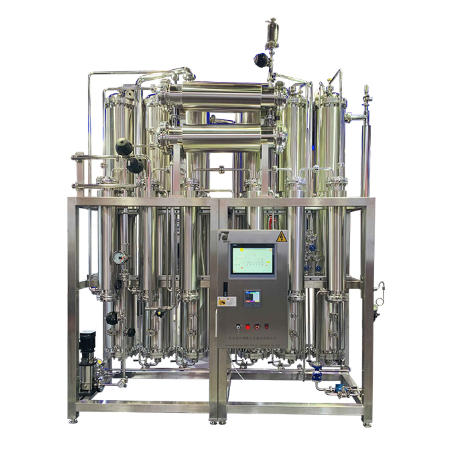
Water from a pharmaceutical Distillation Water Machine is produced under strict process control to achieve very high purity, low microbial counts, and consistent quality that meets pharmacopeia and GMP requirements. This level of control makes it ideal not only for CPAP humidifiers but also for sterile equipment cleaning, injectable formulation, and other critical processes where water quality is paramount.
4. Do I still need to clean my humidifier if I always use vapor distilled water?
Yes, you still need to clean your CPAP humidifier even when you always use distilled or vapor distilled water. Empty and rinse the reservoir daily, and perform a thorough wash at least weekly to remove biofilm and any residual contaminants. Distilled water, including water from a Distillation Water Machine, reduces mineral scaling but does not eliminate the need for regular hygiene.
5. Can I make my own distilled water instead of buying vapor distilled water?
You can make small amounts of distilled water at home by boiling water and condensing the steam, but the process is time‑consuming, can be inconsistent in quality, and may introduce new contaminants if equipment or collection surfaces are not sterile. For reliable and safe use, most experts recommend either purchasing vapor distilled water labeled for CPAP or sourcing high‑purity water from a professionally designed Distillation Water Machine.


