Content Menu
● The Strategic Role of Pharmaceutical Mixing Tanks in Russia
● Key Technical Requirements for Pharmaceutical Mixing Tanks
● Types of Pharmaceutical Mixing Tanks Used in Russia
● Process Design Considerations for Russian Facilities
● Leading Global Solutions Accessible in Russia
● Everheal: Turnkey Partner for Pharmaceutical Mixing Solutions
● How Everheal Supports Russian Pharmaceutical Projects
● What Russian Buyers Should Look For in Suppliers
● Example Procurement Scenario for a Russian Plant
● Comparison of Supplier Priorities for Russian Projects
● Practical Tips for Working With Suppliers
● Conclusion
● FAQs About Pharmaceutical Mixing Tank Manufacturers And Suppliers in Russia
>> 1. What standards should pharmaceutical mixing tanks for Russia comply with?
>> 2. Why is stainless steel 316L commonly used for pharmaceutical mixing tanks?
>> 3. How do I choose between local and international Pharmaceutical Mixing Tank Manufacturers And Suppliers?
>> 4. What documents should I request from Pharmaceutical Mixing Tank Manufacturers And Suppliers?
>> 5. How can Everheal support a new pharmaceutical mixing project in Russia?
● Citations:
Pharmaceutical mixing tanks are the backbone of liquid and semi‑solid drug manufacturing, ensuring precise blending, homogeneity, and sterility for syrups, suspensions, injectables, and topical products. For buyers in Russia, working with reliable Pharmaceutical Mixing Tank Manufacturers And Suppliers is critical to meeting GMP standards, minimizing contamination risk, and supporting long‑term plant expansion.
The Strategic Role of Pharmaceutical Mixing Tanks in Russia
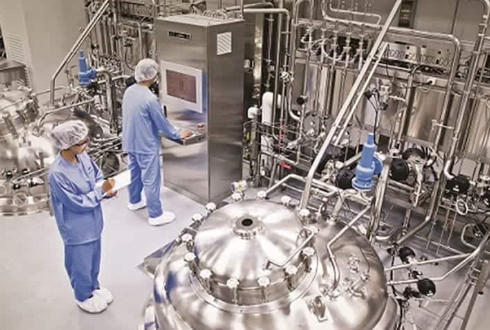
Russia's pharmaceutical industry has been expanding and modernizing rapidly to serve both domestic and export markets, which in turn raises expectations for mixing technology, documentation, and validation support. Pharmaceutical Mixing Tank Manufacturers And Suppliers that serve Russia now focus on stainless steel designs, hygienic finishes, and automation to comply with WHO, EU, and local regulatory requirements.
Typical applications for pharmaceutical mixing tanks in Russia include oral liquid lines, vaccine and injectables preparation, ointment and cream processing, and buffer or media preparation for biotech plants. To support these diverse processes, Pharmaceutical Mixing Tank Manufacturers And Suppliers must provide custom vessel geometries, engineered agitators, and integrated CIP/SIP solutions.
In many Russian projects, the mixing tank is positioned at the core of the production line, feeding downstream filtration, filling, and sterilization steps. This means any design flaw or performance issue in the mixing stage can directly impact yield, batch release timelines, and overall regulatory compliance. As a result, leading Pharmaceutical Mixing Tank Manufacturers And Suppliers are expected not only to deliver equipment, but also to provide process know‑how and long‑term technical support.
Key Technical Requirements for Pharmaceutical Mixing Tanks
When evaluating Pharmaceutical Mixing Tank Manufacturers And Suppliers in Russia, technical specifications should be aligned with current GMP and the intended product portfolio. A well‑defined User Requirement Specification (URS) is essential to communicate expectations around materials, capacities, controls, and cleaning methods.
Core design points include:
- Stainless steel 316L or 304 contact surfaces with mirror or sanitary polish to reduce product adhesion and microbial growth.
- Agitators and mixers (propeller, anchor, turbine, high‑shear) sized according to viscosity, batch volume, and required mixing time.
- Sealed, hygienic shaft designs with high‑quality mechanical seals and properly designed bearings to avoid contamination.
- CIP/SIP‑compatible spray balls or rotary heads to enable validated cleaning and sterilization cycles.
- Jacketed or limpet‑coil designs for precise heating and cooling, supporting temperature‑sensitive formulations.
- ASME, CE, ISO, and, where applicable, ATEX certification to support audit readiness and export compliance.
Pharmaceutical Mixing Tank Manufacturers And Suppliers that can integrate automation—such as PLC‑based controls, recipe management, and electronic batch records—offer strong advantages for Russian plants adopting digital and Industry 4.0 practices. Equally important is the ability to provide complete documentation: material certificates, FAT and SAT protocols, weld maps, surface roughness reports, and validation support for IQ/OQ/PQ activities.
From an operational standpoint, Russian buyers also pay close attention to ergonomics and safety. This includes platform design, access to manways for visual inspection, safe sampling valves, and compliant safety interlocks. Manufacturers that anticipate these needs reduce modification work at site and streamline commissioning.
Types of Pharmaceutical Mixing Tanks Used in Russia
Russian buyers typically source a mix of standard and highly customized vessels from global Pharmaceutical Mixing Tank Manufacturers And Suppliers. The choice depends on the dosage form, the scale of production, and the level of sterility required.
Major categories include:
- Aseptic mixing vessels for sterile injectables, parenterals, and high‑risk solutions, often designed as pressure vessels with double‑mechanical seals and steam‑sterilizable components.
- Syrup and suspension tanks for oral liquid dosage forms, equipped with low‑shear agitators, recirculation loops, and inline filtration to maintain product uniformity.
- Cream and ointment mixers using anchor, double‑planetary, or homogenizing agitation for high‑viscosity products, sometimes under vacuum to remove entrapped air.
- Buffer and media preparation tanks for biotech applications, requiring precise temperature control, low‑shear mixing, and very clean wetted surfaces.
- Holding and intermediate storage tanks designed to maintain homogeneity and prevent segregation between process steps.
Pharmaceutical Mixing Tank Manufacturers And Suppliers that understand these use cases can offer tailored options such as vacuum capability, heating/cooling jackets, load cell‑based weighing, nitrogen blanketing, and integrated inline homogenizers. This flexibility allows Russian facilities to adapt their tanks to both current and future product pipelines, and to scale up from pilot to commercial volumes with minimal changes to process parameters.
Some Russian plants also require mobile or skid‑mounted mixing systems to support multiproduct operations, R&D batches, or separate containment areas. Suppliers with modular designs and plug‑and‑play utilities can respond quickly to such needs, shortening project timelines and simplifying relocation or expansion.
Process Design Considerations for Russian Facilities
Beyond the tank itself, Pharmaceutical Mixing Tank Manufacturers And Suppliers must consider the full process environment in which the equipment will operate. This includes utilities, building layout, material flow, and cleaning philosophy.
Important design considerations include:
- Utility availability: steam, chilled water, glycol, compressed air, nitrogen, and purified water capacities must match the thermal and process demands of mixing.
- Zoning and flows: separation of clean and technical areas, personnel and material flows, and appropriate placement of mixing tanks relative to filling and sterilization equipment.
- Product changeover: the cleaning concept—CIP, COP, or manual cleaning—should be aligned with the number of products and frequency of changeover.
- Containment and cross‑contamination control: proper ventilation, dust or aerosol control, and hygienic valve matrices or manifolds for multi‑line plants.
- Automation level: integration of mixing tanks with higher‑level SCADA or MES systems for batch tracking and data integrity.
Pharmaceutical Mixing Tank Manufacturers And Suppliers that provide engineering services can simulate these factors during the design phase, using 3D models and process calculations to verify that tanks will meet both production and regulatory expectations. For Russian clients, this engineering support is often as valuable as the hardware itself.
Leading Global Solutions Accessible in Russia
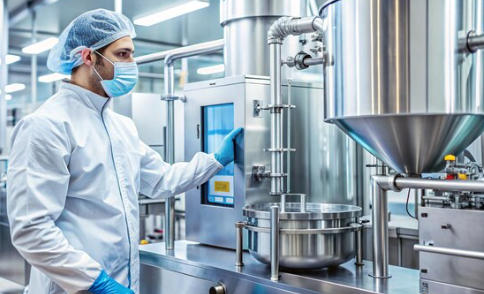
Although some equipment is made locally, many Russian projects rely on international Pharmaceutical Mixing Tank Manufacturers And Suppliers with extensive reference projects and proven technologies. These global players often have a wide portfolio that spans from small laboratory vessels to large‑scale production reactors.
Examples of typical capabilities from such suppliers include:
- Aseptic mixing vessels and LVP/SVP tanks designed to WHO, EU, and USFDA standards, with a strong focus on sterility assurance and surface finish quality.
- Stainless steel mixing tank specialists delivering ASME pressure vessels, complete liquid manufacturing plants, and cGMP‑compliant systems for pharma and biotech.
- Mix tank producers that provide a wide range of vessels with agitators, stirrers, and custom options for chemical and pharmaceutical applications.
- Dedicated pharma tank providers offering sterile solution preparation systems and ready‑to‑integrate skids suitable for cleanroom operation.
These Pharmaceutical Mixing Tank Manufacturers And Suppliers often support Russia through regional representatives, trading companies, system integrators, or direct export. This gives Russian buyers access to advanced technologies, global certifications, and long‑term spare parts support, while still allowing them to work with local partners for installation and routine maintenance.
In many cases, Russian clients prefer to source critical process equipment—such as core mixing and sterile preparation tanks—from established global brands, and complement the line with locally sourced utilities or ancillary equipment. This hybrid approach balances cost, performance, and regulatory expectations.
Everheal: Turnkey Partner for Pharmaceutical Mixing Solutions
Everheal, based in Ningbo, China, is an integrated provider of pharmaceutical equipment and production line solutions serving global markets, including Russia. The company focuses on R&D, design, manufacturing, and commissioning of high‑end equipment for pharmaceutical and related industries.
As one of the emerging Pharmaceutical Mixing Tank Manufacturers And Suppliers, Everheal offers:
- Comprehensive production line design solutions and GMP‑oriented plant layouts for pharmaceutical and food manufacturers.
- Core utility systems such as purified water preparation systems, pure steam generators, and multi‑effect distillation units, which interface directly with mixing tanks in sterile manufacturing lines.
- Liquid filling and sealing equipment, as well as sterilization systems, that connect seamlessly to upstream mixing and preparation vessels.
- Customized stainless steel mixing tanks tailored to product recipes, batch sizes, and local regulatory expectations.
Everheal positions itself as more than a vessel fabricator. It works as a process partner, helping customers design the full workflow from raw material handling, through mixing and filtration, to sterile filling and terminal sterilization where applicable. For Russian customers, this means one supplier assumes responsibility for matching the performance of pharmaceutical mixing tanks to the wider process.
How Everheal Supports Russian Pharmaceutical Projects
Russian pharma and nutraceutical manufacturers often seek partners who can support the full project lifecycle, from concept development to qualification and after‑sales service. Everheal adapts to this requirement with a structured approach to engineering and project execution.
Key elements of Everheal's offer as one of the Pharmaceutical Mixing Tank Manufacturers And Suppliers for Russia include:
- Front‑end design: plant layout planning, utility capacity calculation, and selection of mixing tank sizes, materials, agitation types, and levels of automation based on the product matrix.
- Equipment configuration: integration of pure water preparation systems, pure steam generators, multi‑effect distillation units, and sterile mixing tanks into coherent process lines.
- Turnkey supply: coordinated delivery of mixing tanks, purified water skids, liquid filling and sealing machines, and sterilization systems to form a complete, functional production line.
- Validation support: assistance with installation qualification and operational qualification documentation, drawing packages, and test protocols aligned with global GMP expectations.
- Training and remote support: operator and maintenance training, plus remote troubleshooting to keep Russian plants running reliably.
Because Everheal is deeply involved in purified water and steam systems, its pharmaceutical mixing tanks are engineered to work optimally with these utilities, helping Russian buyers reduce integration risks and shorten commissioning time. This integrated approach distinguishes Everheal from many Pharmaceutical Mixing Tank Manufacturers And Suppliers that focus only on individual pieces of equipment.
What Russian Buyers Should Look For in Suppliers
Selecting Pharmaceutical Mixing Tank Manufacturers And Suppliers for projects in Russia requires both technical and business criteria to be met. A purely price‑driven decision often leads to hidden costs during installation, validation, and routine operation.
Important evaluation points include:
- Compliance: Ability to meet WHO, EU, and Russian GMP, plus documentation that satisfies inspectors and auditors.
- Customization: Capacity to design tanks to specific batch sizes, process chemistries, shear sensitivities, and cleaning strategies.
- Lifecycle support: Availability of spare parts, remote troubleshooting, on‑site service, and upgrade options for controls and instrumentation.
- Integration: Experience integrating mixing tanks with pure water, steam, distillation, filling, and sterilization systems in a unified process flow.
- Total cost of ownership: Energy‑efficient jackets, optimized agitation, robust cleaning strategies, and durable components that reduce operating costs over time.
- Reference projects: Demonstrated success in markets with comparable regulatory frameworks and climate conditions.
When Pharmaceutical Mixing Tank Manufacturers And Suppliers demonstrate strong references and can share detailed case stories, it is easier for Russian stakeholders to justify investment and shorten project risk assessments. Site visits—physical or virtual—to existing installations can further validate performance, cleanability, and operator feedback.
Example Procurement Scenario for a Russian Plant
Consider a mid‑sized Russian company planning a new liquid oral facility. The project team prepares a URS that outlines target products, batch sizes, viscosity ranges, desired mixing times, and cleaning expectations. This URS is then sent to several Pharmaceutical Mixing Tank Manufacturers And Suppliers for proposals.
A supplier such as Everheal would respond with:
- A set of stainless steel mixing tanks sized for production, plus smaller preparation and buffer vessels.
- A complete purified water line and pure steam system matched to the mixing and cleaning requirements.
- Coordinated filling, capping, and sterilization equipment sized to the same throughput as the mixing section.
- P&IDs, 3D layout drawings, utility consumption estimates, and a preliminary validation plan.
The Russian buyer can compare proposals not only on equipment cost, but also on layout, energy consumption, documentation completeness, and overall project timeline. By involving an integrated provider instead of fragmented vendors, the plant reduces interface problems and gains a single point of responsibility for performance, qualification, and long‑term service.
This example illustrates how strategic selection of Pharmaceutical Mixing Tank Manufacturers And Suppliers directly impacts project timelines, regulatory outcomes, and long‑term profitability in Russia.
Comparison of Supplier Priorities for Russian Projects
Different types of Pharmaceutical Mixing Tank Manufacturers And Suppliers may play complementary roles in the Russian market, depending on project scope and priorities.
| Focus Area | Typical Global Suppliers | Everheal (China) for Russia |
| Core offering | Stand‑alone pharma mixing tanks and vessels | Mixers plus pure water, pure steam, distillation, filling, sterilization |
| Custom engineering | Vessel geometry, agitator selection, ASME/CE‑compliant designs | Full line process design and GMP plant layouts |
| Documentation & compliance | FAT/SAT, weld maps, CE/ASME certificates, basic validation files | Same, plus integration documentation for utilities and multi‑equipment lines |
| Service coverage for Russia | Agents and distributors, varying local presence | Export‑oriented projects managed directly with engineering support |
| Best suited Russian applications | Plants needing individual high‑spec tanks | Greenfield or expansion projects needing turnkey solutions |
For projects that only require a single replacement tank or a small upgrade, global or local suppliers of stand‑alone vessels may be sufficient. For new facilities or major expansions, buyers often benefit from partnering with Pharmaceutical Mixing Tank Manufacturers And Suppliers that can assume responsibility for the entire line, from utilities to final packaging.
Practical Tips for Working With Suppliers
To maximize the value of cooperation with Pharmaceutical Mixing Tank Manufacturers And Suppliers, Russian buyers can follow a structured approach:
- Prepare a detailed URS covering process, cleaning, automation, and documentation needs.
- Request preliminary layouts and P&IDs early, to check for conflicts with building and utilities.
- Clarify who is responsible for installation, commissioning, and qualification activities.
- Define acceptance criteria for FAT and SAT, including mixing tests, cleaning trials, and documentation checks.
- Plan operator and maintenance training before start‑up, so that the team can run the equipment confidently from day one.
This collaborative method encourages suppliers to bring their best engineering capabilities to the table and reduces the risk of misalignment between expectations and delivered performance.
Conclusion
Pharmaceutical mixing technology is central to Russia's ambition to expand its domestic and export‑oriented drug manufacturing capacity. By working with qualified Pharmaceutical Mixing Tank Manufacturers And Suppliers, Russian plants can secure hygienic, energy‑efficient, and fully documented equipment that stands up to rigorous GMP inspections and long‑term operational demands.
Global manufacturers bring deep expertise in vessel engineering, surface finishes, and automation, while integrated providers like Everheal add value through turnkey utilities, filling, and sterilization solutions. For decision‑makers in Russia, the optimal strategy is often to partner with suppliers capable of delivering not just isolated tanks, but complete, validated process lines that support growth, compliance, and flexibility over the life of the facility.
FAQs About Pharmaceutical Mixing Tank Manufacturers And Suppliers in Russia
1. What standards should pharmaceutical mixing tanks for Russia comply with?
Pharmaceutical mixing tanks supplied to Russian facilities should align with GMP principles and relevant international standards such as WHO, EU GMP, and, where applicable, USFDA guidelines. Buyers should also verify equipment certifications like ASME, CE, and ISO, as well as detailed documentation including material certificates, weld records, and validation protocols from Pharmaceutical Mixing Tank Manufacturers And Suppliers.
2. Why is stainless steel 316L commonly used for pharmaceutical mixing tanks?
Stainless steel 316L offers excellent corrosion resistance and a low‑carbon composition that minimizes the risk of sensitization during welding, which is essential for hygienic service. Pharmaceutical Mixing Tank Manufacturers And Suppliers favor 316L for product‑contact surfaces because it supports smooth, mirror‑polished finishes that reduce residue buildup and microbial growth, simplifying CIP/SIP processes and extending equipment life.
3. How do I choose between local and international Pharmaceutical Mixing Tank Manufacturers And Suppliers?
Local suppliers can provide faster on‑site support, localized engineering, and sometimes shorter lead times, but may have a narrower portfolio of specialized aseptic vessels. International Pharmaceutical Mixing Tank Manufacturers And Suppliers often deliver broader experience, comprehensive certifications, and advanced automation, which are valuable for complex Russian projects targeting export markets. The best option is often a combination: global core equipment supported by local service partners.
4. What documents should I request from Pharmaceutical Mixing Tank Manufacturers And Suppliers?
You should request detailed specifications, general arrangement drawings, P&IDs, material and surface finish certificates, weld maps, FAT/SAT reports, and IQ/OQ protocol templates. Robust documentation from Pharmaceutical Mixing Tank Manufacturers And Suppliers simplifies qualification, supports GMP inspections, and reduces the time your quality team needs to prepare validation files. Clear documentation also facilitates future modifications, audits, and equipment relocations.
5. How can Everheal support a new pharmaceutical mixing project in Russia?
Everheal can provide pharmaceutical mixing tanks along with purified water systems, pure steam generators, multi‑effect distillation units, filling and sealing machines, and sterilization systems tailored to your site. As one of the turnkey Pharmaceutical Mixing Tank Manufacturers And Suppliers, Everheal also assists with plant layout design, utility integration, documentation support, and operator training, enabling Russian customers to build complete, GMP‑compliant production lines more efficiently and with fewer integration risks.
Citations:
1. https://www.marutimachines.com/russia/stainless-steel-blending-mixing-tank.html
2. https://www.jinzongmachinery.com/introduction-of-pharmaceutical-mixing-tank.html
3. https://www.artlife-techno.ru/en/pharma
4. https://makwell.com/mixer-machine/
5. https://www.pharmaceutical-tech.com/products/aryan-engineers/aseptic-mixing-vessel
6. https://www.multipackfillingmachine.com/product/stainless-steel-mixing-vessel-mixing-tank/
7. https://www.linkedin.com/company/everheal-medical
8. https://www.jbtc.com/foodtech/products-and-solutions/products/tanks-and-asme-pressure-vessels/mix-tanks/
9. https://www.micetgroup.com/food-grade-stainless-steel-mixing-tanks-safeguarding-beverage-production/
10. https://www.everheal.ae
11. https://en.paulmueller.com/pharmaceutical-manufacturing-equipment/tanks
12. https://chinareactor.en.made-in-china.com/product/yZjaHqIALoRM
13. https://www.everhealgroup.com
14. https://www.inoxpausa.com/products/systems/mixing-and-blending/preparation-of-sterile-solutions-pharmix
15. https://acemixer.com/stainless-steel-mixing-tank/


