Content Menu
● Importance of Pharmaceutical Mixing Tanks in the Production Process
● The Pharmaceutical Equipment Market in Vietnam
● Key Criteria for Selecting a Reliable Mixing Tank Manufacturer
● Leading Pharmaceutical Mixing Tank Manufacturers and Suppliers in Vietnam
>> 1. Everheal Pharmaceutical Equipment Co., Ltd.
>> 2. Tan Phat Industrial Equipment JSC
>> 3. Viet Mechanical Equipment Co., Ltd.
>> 4. AsepticTech Vietnam
>> 5. Nam Phat Engineering Co., Ltd.
>> 6. Minh Tam Industrial Solutions Co.
● Technologies Used in Modern Pharmaceutical Mixing Tanks
● Vietnam's Competitive Edge in the Pharmaceutical Equipment Market
● The Role of International Partnerships
● Quality Assurance and Certification
● Future Trends in Pharmaceutical Mixing Equipment
● Conclusion
● FAQs About Pharmaceutical Mixing Tank Manufacturers And Suppliers in Vietnam
>> 1. What materials are commonly used in pharmaceutical mixing tanks?
>> 2. Are Vietnamese mixing tank suppliers compliant with global standards?
>> 3. Can Vietnam's manufacturers provide custom tank designs?
>> 4. Do local manufacturers offer installation and after-sales service?
>> 5. What is the typical capacity range of pharmaceutical mixing tanks?
Vietnam's pharmaceutical industry is rapidly expanding, creating a growing demand for advanced drug production equipment. Among the most crucial of these tools are pharmaceutical mixing tanks—key components that ensure the safe, consistent, and sterile blending of liquid, semi-solid, and powder materials used in medicine production. In this guide, we'll explore the leading pharmaceutical mixing tank manufacturers and suppliers in Vietnam, their capabilities, quality standards, technologies, and competitive advantages.
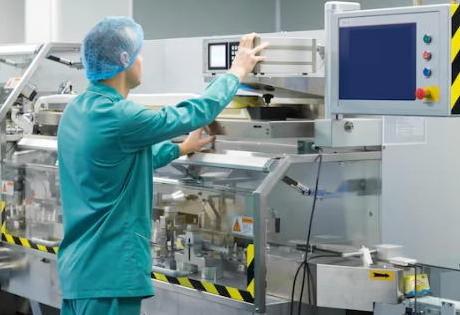
Importance of Pharmaceutical Mixing Tanks in the Production Process
Mixing tanks are fundamental in almost every stage of pharmaceutical manufacturing—from producing syrups, suspensions, and vaccines to creams, gels, and ophthalmic solutions. Their design determines not only the efficiency of material homogenization but also the sterility and safety of the final product.
A typical pharmaceutical mixing tank features precise temperature control, sanitary interior surfaces, customizable agitation modes, and stainless steel construction (usually SUS316L). These units help maintain uniform blending while preventing contamination and preserving product purity—key elements in compliance with GMP and FDA standards.
The Pharmaceutical Equipment Market in Vietnam
Vietnam has positioned itself as a fast-growing hub for pharmaceutical manufacturing in Southeast Asia. According to industry projections, Vietnam's pharmaceutical market is expected to surpass USD 16 billion by 2030. This growth is driven by international investment, favorable government policies, and increasing demand for high-quality medical products.
Consequently, the country has experienced a rise in specialized pharmaceutical mixing tank manufacturers and suppliers who provide locally made or imported solutions tailored for different production capacities—from laboratory-scale pilot batches to full-scale industrial manufacturing lines.
Key Criteria for Selecting a Reliable Mixing Tank Manufacturer
When selecting a pharmaceutical mixing tank manufacturer or supplier in Vietnam, pharmaceutical companies and contract manufacturers should assess several critical factors:
- Compliance with Industry Standards: Equipment must meet GMP, ISO, and ASME specifications to guarantee sanitary performance.
- Customization Capability: Manufacturers should offer flexible design options for volume, pressure, heating method, and mixing speed.
- After-Sales Service: Reliable technical support, spare parts availability, and timely maintenance service are essential for production stability.
- Material Quality: High-grade stainless steel (SUS316L or SUS304) ensures corrosion resistance and easy sterilization.
- Automation and Control Systems: Modern tanks include PLC or SCADA systems for process monitoring and data logging.
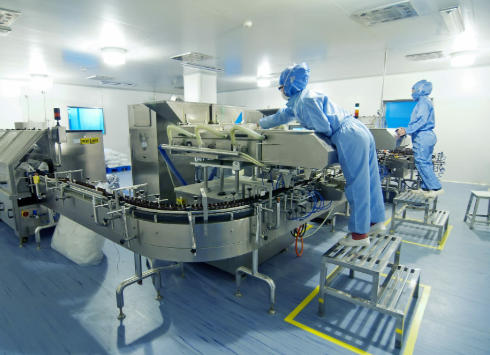
Leading Pharmaceutical Mixing Tank Manufacturers and Suppliers in Vietnam
Below are some of the most trusted pharmaceutical mixing tank manufacturers and suppliers in Vietnam, recognized for their engineering expertise, international certifications, and consistent product quality.
1. Everheal Pharmaceutical Equipment Co., Ltd.
Everheal is a China-based company with a strong presence in Vietnam, specializing in customized pharmaceutical systems. It provides pure water preparation units, multi-effect distilled water machines, sterilizers, liquid filling systems, and pharmaceutical mixing tanks. The company's advantage lies in integrating factory layout design, equipment installation, and validation services, making it a one-stop solution provider for drug production facilities.
- Key Features:
- Custom-engineered mixing solutions with CIP/SIP compatibility.
- Automatic temperature, speed, and pressure control.
- High-quality stainless steel construction compliant with GMP/FDA.
- Energy-efficient designs reducing operational costs.
Everheal has become a trusted supplier for Vietnamese and Southeast Asian pharmaceutical companies seeking both advanced technology and competitive pricing.
2. Tan Phat Industrial Equipment JSC
Tan Phat specializes in manufacturing stainless steel vessels and pressure tanks for the pharmaceutical, food, and cosmetic industries. Their pharmaceutical mixing tanks are known for robust design, precision welding, and customizable agitators suitable for diverse viscosity ranges.
- Highlights:
- Fabrication of atmospheric and pressure-rated tanks from 50L to 10,000L.
- Double-jacket systems for heating/cooling with thermal oil or water.
- Compliance with ISO 9001 and GMP manufacturing principles.
Tan Phat's strong engineering team and domestic production capabilities make it one of the most flexible pharmaceutical mixing tank suppliers in Vietnam.
3. Viet Mechanical Equipment Co., Ltd.
Viet Mechanical specializes in stainless steel equipment for the pharmaceutical, beverage, and chemical sectors. The company excels in making mixing tanks, reactors, and storage vessels, often integrating advanced agitation solutions like bottom-driven magnetic stirrers and variable-speed impellers.
- Advantages:
- In-house design and fabrication ensuring product consistency.
- Custom solutions compatible with automation systems.
- Quality assurance through non-destructive testing and surface polishing controls.
Their adherence to international quality norms positions them among Vietnam's top mixing tank manufacturers for medium-to-large-scale pharmaceutical plant projects.
4. AsepticTech Vietnam
AsepticTech Vietnam is a specialist in aseptic processing systems, including sterile mixing, filtration, and filling units. Its pharmaceutical mixing tanks are widely used in the production of vaccines, biologicals, and ophthalmic solutions, where sterility is critical.
- Features:
- Magnetic mixer design for sealed operations.
- Compliance with EU GMP and PIC/S standards.
- Integration of cleanroom-ready systems and validation documentation.
For clients prioritizing contamination control and regulatory compliance, AsepticTech is a leading pharmaceutical equipment supplier offering turnkey aseptic system design.
5. Nam Phat Engineering Co., Ltd.
Nam Phat Engineering designs and produces customized pharmaceutical mixing tanks for liquids and creams. Their systems support various agitation mechanisms including paddle, anchor, turbine, and high-shear mixers. Nam Phat also fabricates buffer tanks, storage tanks, and transfer systems.
- Product Range:
- Volumes from 100L to 20,000L.
- Optional temperature control, vacuum capability, and CIP design.
- Skid-mounted solutions for modular installation.
This manufacturer offers competitive pricing with dependable local service, appealing to small and mid-size pharmaceutical plants in Vietnam.
6. Minh Tam Industrial Solutions Co.
Minh Tam specializes in process integration for pharmaceutical and food manufacturing plants. They offer stainless steel tanks, piping systems, mixers, and automation panels. With engineers experienced in GAMP and GMP documentation, Minh Tam is recognized as a turnkey solution provider among pharmaceutical mixing tank suppliers in Vietnam.
Technologies Used in Modern Pharmaceutical Mixing Tanks
Advanced pharmaceutical mixing tank manufacturers integrate several state-of-the-art technologies to ensure consistency, efficiency, and traceability:
- CIP/SIP Systems: Automated cleaning and sterilization in place minimize manual labor and contamination risk.
- Temperature and Pressure Control: For maintaining ideal process conditions across different formulations.
- Automated Agitation Control: Variable frequency drives (VFDs) enable adjustable mixing speeds.
- Data Logging: Digital process records support quality audits and validation.
- Magnetic Mixers: Eliminate shaft seals and leakage risks.
Such innovations improve economic efficiency while upholding the strict hygiene standards demanded by pharmaceutical production.
Vietnam's Competitive Edge in the Pharmaceutical Equipment Market
Vietnam holds several competitive advantages that make its pharmaceutical mixing tank manufacturers and suppliers increasingly attractive to global buyers:
- Cost Efficiency: Manufacturing costs in Vietnam remain lower than in China or Thailand while maintaining high engineering standards.
- Skilled Workforce: Vietnam's strong base of mechanical engineers well-trained in GMP and process design.
- Government Incentives: Preferential tax and import policies for pharmaceutical technology investments.
- Strategic Location: Easy access to ASEAN markets and efficient export logistics to Europe and North America.
These factors collectively create an ideal environment for both local production and international partnerships.
The Role of International Partnerships
Several Vietnamese pharmaceutical mixing tank manufacturers collaborate with Asian and European partners to integrate advanced controls and validation protocols. By importing PLC systems or utilizing joint-engineering projects, these companies deliver hybrid solutions that combine local affordability with global quality standards.
Everheal, for instance, partners with Vietnamese distributors and engineering service providers to streamline equipment delivery, on-site installation, and post-sale technical support—offering clients seamless plant commissioning experiences.
Quality Assurance and Certification
Quality assurance is vital in pharmaceutical equipment manufacturing. Reputable mixing tank suppliers ensure that their products are welded using sanitary techniques (TIG welding), tested with non-destructive methods, and polished to Ra ≤ 0.4 μm roughness.
Common certifications among top manufacturers include:
- ISO 9001:2015 Quality Management System
- ASME U-stamp for pressure vessels
- GMP Compliance (Good Manufacturing Practice)
- CE Marking for exported equipment
These standards assure that Vietnamese manufacturers can serve both domestic and global pharmaceutical industries with confidence.
Future Trends in Pharmaceutical Mixing Equipment
The next generation of pharmaceutical mixing tanks is being shaped by automation, data integration, and sustainability. Some emerging trends include:
- Smart Manufacturing: IoT sensors enabling real-time monitoring of viscosity, temperature, and energy use.
- Sustainable Design: Use of energy-saving motors and recyclable materials.
- Modular Systems: Skid-mounted units for flexible installation and scalability.
- Enhanced Sterilization: UV and ozone-assisted cleaning cycles.
These innovations will redefine how pharmaceutical companies approach process efficiency and compliance.
Conclusion
Vietnam's pharmaceutical mixing tank manufacturers and suppliers have evolved rapidly, matching international standards while maintaining competitive pricing. Companies like Everheal, Tan Phat, Viet Mechanical, and AsepticTech exemplify this progress by offering high-quality, fully automatic, and compliant mixing systems suitable for liquid, cream, and suspension production.
For pharmaceutical manufacturers seeking reliable partners to enhance production capabilities, Vietnam offers a fertile ground of opportunities—supported by skilled engineering, low cost of ownership, and growing international cooperation in pharmaceutical technology.
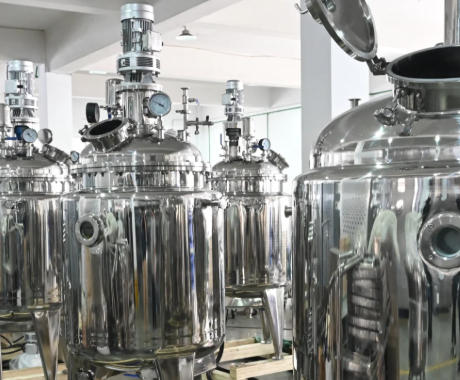
FAQs About Pharmaceutical Mixing Tank Manufacturers And Suppliers in Vietnam
1. What materials are commonly used in pharmaceutical mixing tanks?
Most tanks use stainless steel SUS316L due to its superior corrosion resistance, smooth surface finish, and ease of sterilization, meeting GMP and FDA standards.
2. Are Vietnamese mixing tank suppliers compliant with global standards?
Yes, leading pharmaceutical mixing tank manufacturers in Vietnam follow international norms such as ISO, GMP, and ASME to ensure product quality and safety.
3. Can Vietnam's manufacturers provide custom tank designs?
Absolutely. Many suppliers offer customized tank volumes, shapes, heating methods, and control systems to suit specific pharmaceutical processes and formulations.
4. Do local manufacturers offer installation and after-sales service?
Yes. Most pharmaceutical equipment suppliers in Vietnam provide installation, training, validation, and maintenance services for turnkey solutions.
5. What is the typical capacity range of pharmaceutical mixing tanks?
Pharmaceutical mixing tanks are available from small laboratory models of 50 L to industrial-scale units over 20,000 L, depending on the production requirement.


