Content Menu
● Overview of Pharmaceutical Mixing Tanks
● Qatar's Growing Pharmaceutical Manufacturing Landscape
● Top Pharmaceutical Mixing Tank Manufacturers And Suppliers in Qatar
>> 1. Everheal Pharmaceutical Equipment Co., Ltd
>> 2. GEA Group
>> 3. Stainless Tech Industries (Qatar)
>> 4. PharmEquip Middle East
>> 5. United Engineering Solutions
● What to Look for in a Pharmaceutical Mixing Tank Supplier
● The Role of Suppliers in Turnkey Pharmaceutical Projects
● Advantages of Using High-Quality Pharmaceutical Mixing Tanks
● Future Trends in Pharmaceutical Mixing Technology
● Conclusion
● FAQs About Pharmaceutical Mixing Tank Manufacturers And Suppliers
>> 1. What are pharmaceutical mixing tanks used for?
>> 2. Why choose Everheal among suppliers in Qatar?
>> 3. How can I verify a supplier's quality?
>> 4. What materials are best for pharmaceutical mixing tanks?
>> 5. Do suppliers provide customization options?
The pharmaceutical industry in Qatar has been developing rapidly, driven by government investment, healthcare expansion, and increased demand for high-quality local production. As pharmaceutical manufacturing becomes more advanced, the need for specialized equipment such as pharmaceutical mixing tanks has grown significantly. Finding reliable Pharmaceutical Mixing Tank Manufacturers And Suppliers in Qatar can ensure production consistency, compliance with international standards, and improved efficiency across operations.
This article explores the leading companies, key features of high-performance mixing tanks, and what to consider when choosing the best suppliers for your pharmaceutical plant in Qatar.
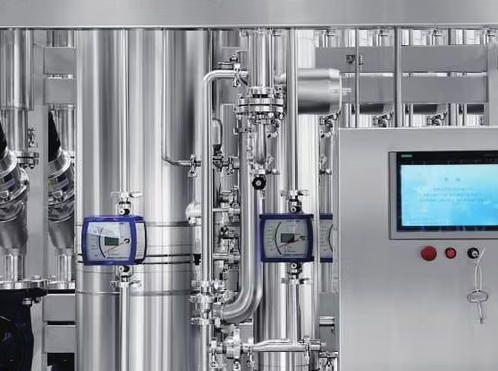
Overview of Pharmaceutical Mixing Tanks
Pharmaceutical mixing tanks are specialized vessels used for blending, homogenizing, and processing liquid or semi-liquid substances during drug production. These tanks play a critical role in achieving precise formulations for products such as vaccines, syrups, suspensions, and ointments.
Modern pharmaceutical mixing tanks are engineered to maintain sterility, accurate temperature control, and chemical stability while being easy to clean and validate under cGMP (Current Good Manufacturing Practices) guidelines.
Key characteristics include:
- Stainless steel or corrosion-resistant construction (typically SS316L)
- Hygienic design with smooth internal surfaces
- Integrated CIP (Clean-in-Place) and SIP (Sterilization-in-Place) systems
- Advanced mixing technologies, such as magnetic or mechanical agitators
- Full automation with PLC/HMI-based control systems
These features ensure that every batch maintains uniformity, purity, and reproducibility — essential for pharmaceutical quality assurance.
Qatar's Growing Pharmaceutical Manufacturing Landscape
Over the past decade, Qatar has taken significant steps toward building a regional hub for pharmaceutical manufacturing. Through its national health strategy and initiatives under Qatar National Vision 2030, the country has encouraged investment in local drug production and technology transfer from international partners.
This industrial growth has led to:
- Establishment of new GMP-compliant facilities
- Investments in R&D and biotechnology plants
- Demand for advanced process equipment, including mixing and blending systems
- Collaboration with global Pharmaceutical Mixing Tank Manufacturers And Suppliers
As a result, both local and international equipment providers have entered the market to serve pharmaceutical companies in Qatar, ensuring they have access to state-of-the-art production technology.
Top Pharmaceutical Mixing Tank Manufacturers And Suppliers in Qatar
1. Everheal Pharmaceutical Equipment Co., Ltd
Everheal is a China-based company with strong presence in the Middle Eastern market, offering comprehensive pharmaceutical equipment solutions. Its expertise extends beyond fabrication — providing factory layout design, project consultation, and custom turnkey solutions.
Product range:
- Pure water generation systems
- Pure steam generators
- Multi-effect distillers
- Liquid filling and sealing machines
- Sterilization and CIP/SIP systems
- Pharmaceutical mixing tanks
Everheal's pharmaceutical mixing tanks are known for their sanitary design, automation control, and compliance with EU and US FDA standards. The company also assists Qatari clients in achieving efficient factory integration and process validation, making it a top choice among Pharmaceutical Mixing Tank Manufacturers And Suppliers in Qatar.
2. GEA Group
A leader in global process technology, GEA Group provides advanced process equipment for pharmaceutical, food, and chemical industries. Its pharmaceutical mixing solutions are trusted worldwide for their precision, energy efficiency, and adherence to cGMP protocols.
GEA's systems are available through authorized distributors and service partners in Qatar, offering both standard and customized mixing tank designs.
3. Stainless Tech Industries (Qatar)
Stainless Tech Industries is a local manufacturer specializing in stainless steel fabrication and processing equipment. The company partners with regional pharmaceutical companies to design and build high-quality hygienic tanks tailored to local production needs.
Their mixing tanks are built according to ASME and ISO standards, ensuring safety and performance under demanding pharmaceutical conditions.
4. PharmEquip Middle East
As a regional supplier of industrial pharmaceutical machinery, PharmEquip Middle East sources mixing tanks and related equipment from certified manufacturers in Europe and Asia. They provide full after-sales support, installation assistance, and maintenance services for clients across Qatar and the GCC.
Their growing presence makes them an essential intermediary connecting Qatari manufacturers with global Pharmaceutical Mixing Tank Manufacturers And Suppliers.
5. United Engineering Solutions
United Engineering Solutions caters to the pharmaceutical and biotech sectors, offering equipment installation, validation support, and compliance consulting. The company imports advanced pharmaceutical mixing tanks with integrated automation systems, ensuring precise process control.
Their collaborations with international tank producers make them a reliable partner for pharmaceutical firms in Qatar seeking high-grade process equipment.
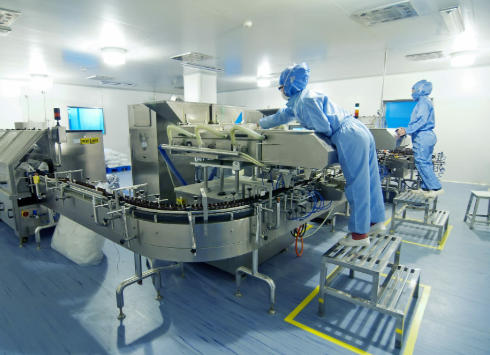
What to Look for in a Pharmaceutical Mixing Tank Supplier
Choosing the right Pharmaceutical Mixing Tank Manufacturers And Suppliers involves evaluating technical features, certification credentials, and local service support. Consider the following aspects before purchase:
- Material Quality: Prefer SS316L over SS304 for better corrosion resistance and pharmaceutical-grade hygiene.
- Design Certification: Ensure compliance with cGMP, ASME-BPE, and PED regulations.
- Automation and Control: Look for PID, PLC, and HMI-based systems for precision mixing and temperature control.
- Testing and Validation Support: Reliable suppliers provide FAT (Factory Acceptance Testing) and SAT (Site Acceptance Testing) documentation.
- After-Sales and Spare Parts: Availability of local technicians and prompt response times improves equipment uptime.
- Customization: Suppliers offering tailor-made designs for batch size, viscosity, and process requirements will enhance product consistency.
The Role of Suppliers in Turnkey Pharmaceutical Projects
As Qatar's pharmaceutical industry grows, many companies prefer turnkey solutions that include equipment design, installation, and plant commissioning. Leading Pharmaceutical Mixing Tank Manufacturers And Suppliers now act as unified solution providers integrating water systems, sterilization, and mixing stations under one project framework.
Everheal, for instance, has successfully delivered turnkey projects that incorporate:
- Full production line design (from purified water to packaging)
- Digital plant monitoring systems
- Energy-efficient process layouts
- Regulatory documentation support (DQ, IQ, OQ, PQ)
This integrated approach reduces downtime, ensures regulatory compliance, and accelerates time-to-market for new pharmaceutical products.
Advantages of Using High-Quality Pharmaceutical Mixing Tanks
Investing in advanced mixing technology provides multiple production benefits:
- Improved Homogeneity: Consistent blending of active ingredients ensures uniform dosage accuracy.
- Enhanced Process Safety: Controlled temperature and mixing speeds prevent product degradation.
- Reduced Human Error: Automation minimizes manual intervention, improving production repeatability.
- Regulatory Compliance: Sanitary design ensures adherence to FDA, EMA, and WHO manufacturing requirements.
- Operational Efficiency: Easy cleaning and sterilization reduce changeover time between batches.
A real-world example is a Qatari biopharmaceutical facility that integrated automated Everheal mixing tanks and saw productivity increase by 25%, along with lower water and energy use.
Future Trends in Pharmaceutical Mixing Technology
The future of Pharmaceutical Mixing Tank Manufacturers And Suppliers in Qatar will be heavily influenced by digitalization, sustainability, and automation.
Emerging trends include:
- IoT-enabled monitoring systems for real-time data tracking.
- Energy recovery systems to minimize operational costs.
- AI-driven process control, adjusting speed and temperature automatically.
- Single-use technologies reducing cross-contamination risks.
As Qatar continues investing in local pharmaceutical innovation, the demand for such forward-looking equipment will only increase.
Conclusion
The pharmaceutical sector in Qatar is undergoing rapid modernization, making high-performance mixing solutions more essential than ever. Reliable Pharmaceutical Mixing Tank Manufacturers And Suppliers, such as Everheal, GEA Group, and local firms like Stainless Tech Industries, are helping pharmaceutical plants reach international quality standards while improving production efficiency.
For any company planning to expand or optimize its drug manufacturing capabilities in Qatar, choosing a reputable supplier with proven expertise in sanitary design, automation, and turnkey plant support is an essential step toward long-term success.
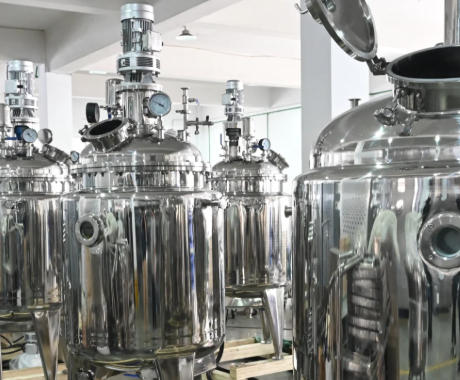
FAQs About Pharmaceutical Mixing Tank Manufacturers And Suppliers
1. What are pharmaceutical mixing tanks used for?
Pharmaceutical mixing tanks are used for blending, dissolving, homogenizing, and suspending liquid or semi-solid formulations in medicine production. They ensure uniformity, sterility, and consistency during manufacturing.
2. Why choose Everheal among suppliers in Qatar?
Everheal provides not only high-quality mixing tanks but also complete pharmaceutical plant integration solutions. Their equipment meets international GMP and FDA standards and includes automation and digital control for process optimization.
3. How can I verify a supplier's quality?
Look for certifications such as ISO 9001, ASME-BPE, and CE. Also, request FAT/SAT documentation and customer project references to verify compliance and reliability.
4. What materials are best for pharmaceutical mixing tanks?
The most suitable material is stainless steel SS316L due to its corrosion resistance, easy cleaning, and microbial safety — crucial in sterile pharmaceutical environments.
5. Do suppliers provide customization options?
Yes. Many Pharmaceutical Mixing Tank Manufacturers And Suppliers offer customization in tank capacity, agitation mechanism, control interface, and temperature management systems to meet specific production needs.


