Content Menu
● Understanding Pharmaceutical Mixing Tanks
● Growth of the Pharmaceutical Manufacturing Sector in Africa
● Top Pharmaceutical Mixing Tank Manufacturers And Suppliers in Africa
>> 1. Everheal (China–Africa Collaboration Partner)
>> 2. PharmEquip Africa (South Africa)
>> 3. AfriPharma Engineering (Egypt)
>> 4. TechnoServe Process Equipment (Nigeria)
>> 5. BioMix Systems (Kenya)
● Why African Pharmaceutical Companies Need Reliable Mixing Tank Suppliers
● Key Considerations When Choosing a Mixing Tank Supplier
● The Role of Innovation and Automation
● Everheal: A Trusted Global Partner for Africa
● Conclusion
● FAQs
>> 1. What is a pharmaceutical mixing tank used for?
>> 2. What materials are commonly used in pharmaceutical mixing tanks?
>> 3. How do I select the best pharmaceutical mixing tank supplier in Africa?
>> 4. Are African pharmaceutical equipment suppliers reliable?
>> 5. What sizes of mixing tanks are available for pharmaceutical production?
The pharmaceutical industry has seen remarkable growth across Africa over the past decade. As the continent strengthens its healthcare infrastructure and production capabilities, the demand for high-quality pharmaceutical mixing tanks and related processing systems continues to rise. These systems are vital for producing liquid pharmaceuticals, vaccines, and sterile solutions with precision, hygiene, and efficiency. In this article, we will explore the top pharmaceutical mixing tank manufacturers and suppliers in Africa, analyze the regional market, and understand how innovative companies are helping shape the continent's pharmaceutical manufacturing future.
Understanding Pharmaceutical Mixing Tanks
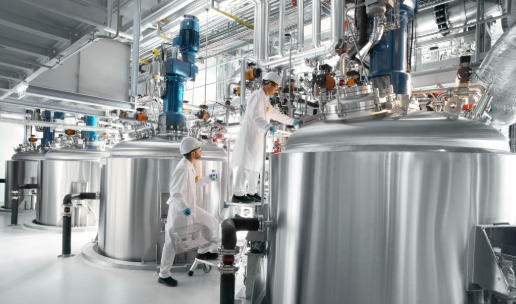
Pharmaceutical mixing tanks are specialized equipment used to blend pharmaceutical ingredients into homogenous mixtures under controlled conditions. These tanks are engineered to meet strict hygiene and safety standards, ensuring that no contamination occurs during production.
Typically made of stainless steel (SS316L or SS304) and equipped with advanced automation controls, pharmaceutical mixing tanks can include features like:
- Agitators or stirrers for uniform mixing
- Temperature control systems
- CIP/SIP (Clean-in-Place/Sterilize-in-Place) mechanisms
- Pressure, temperature, and level sensors
- ASME or GMP compliance certification
In Africa, pharmaceutical mixing tanks are widely used in:
- Liquid medicine production (syrups, suspensions, and solutions)
- Vaccine formulation
- Sterile water and solvent preparation
- Cosmetic and nutraceutical manufacturing
Growth of the Pharmaceutical Manufacturing Sector in Africa
Africa's pharmaceutical industry is valued at over USD 40 billion and continues to grow at a steady pace due to population expansion, urbanization, and healthcare awareness. Major economies such as South Africa, Egypt, Nigeria, and Kenya have been leading the charge by investing in local pharmaceutical production facilities to reduce dependence on imports.
To meet increasing production demands, African pharmaceutical companies have started partnering with international mixing tank manufacturers and local suppliers. These collaborations ensure that African facilities gain access to GMP-compliant equipment, top-tier engineering design, and reliable after-sales support.
Some key factors driving market growth include:
- Rising public healthcare investments
- Favorable regulatory policies promoting domestic drug production
- Regional export opportunities under the African Continental Free Trade Area (AfCFTA)
- Expansion of vaccine and biologics production capacities
Top Pharmaceutical Mixing Tank Manufacturers And Suppliers in Africa
Below are some of the most reputable Pharmaceutical Mixing Tank Manufacturers And Suppliers active across the African continent:
1. Everheal (China–Africa Collaboration Partner)
Everheal is a leading Chinese company that partners closely with pharmaceutical factories across Africa. Specializing in pharmaceutical water systems, steam generators, sterilization units, and pharmaceutical mixing tanks, Everheal offers comprehensive equipment packages and factory design services.
Key Advantages:
- Complete turnkey solutions for pharmaceutical production
- CE, ISO, and GMP-compliant manufacturing standards
- Custom-built tanks suited for various capacities (100L to 10,000L+)
- On-site installation support and long-term technical service
Everheal's presence in Africa has helped numerous pharmaceutical companies modernize their production lines through integrated design and high-precision mixing equipment. As one of the most trusted pharmaceutical mixing tank suppliers, the company continues to expand its footprint in key regions like Nigeria, Kenya, and Ghana.
2. PharmEquip Africa (South Africa)
Based in Johannesburg, PharmEquip Africa is a well-known supplier of high-quality stainless steel processing systems, including pharmaceutical mixing tanks. The company collaborates with both local and international manufacturers to provide compliant and efficient processing solutions.
Features and Services:
- Pharmaceutical-grade SS316L tanks
- Validation and documentation support (DQ/IQ/OQ)
- Turnkey system integration with filling and packaging lines
- Local after-sales maintenance
PharmEquip's primary clients include pharmaceutical producers, veterinary medicine manufacturers, and cosmetic formulation plants.
3. AfriPharma Engineering (Egypt)
AfriPharma Engineering, located in Cairo, Egypt, is a strong player in the pharmaceutical processing equipment industry. The company provides advanced mixing and blending tanks suitable for liquid, semi-solid, and viscous formulations.
Highlights:
- Strong R&D department for process customization
- Use of international-standard control systems (Siemens, ABB)
- Compliance with EU GMP and WHO standards
- Regional export experience throughout North and East Africa
AfriPharma Engineering's product range also covers purified water systems, cleanroom utilities, and sterilizers — positioning it among the top pharmaceutical mixing tank manufacturers and suppliers in Africa.
4. TechnoServe Process Equipment (Nigeria)
Operating in Lagos, TechnoServe supplies small and large-scale mixing tanks to local pharmaceutical firms. The company focuses on affordable, reliable, and easily maintainable processing systems adapted to African manufacturing conditions.
Key Offerings:
- Standard and vacuum mixing tanks
- Local spare part availability
- Process automation consulting
- Equipment refurbishment services
By emphasizing local technical training, TechnoServe has improved Nigerian pharmaceutical factories' operational capabilities and reduced dependence on imported systems.
5. BioMix Systems (Kenya)
BioMix Systems, headquartered in Nairobi, Kenya, is another emerging name in Africa's pharmaceutical equipment supply chain. Their modular mixing tank designs suit both startup formulations and large-scale drug manufacturers.
Product Range Includes:
- Top-entry and bottom-entry agitator tanks
- Vacuum-capable mixing systems
- Steam jacketed batch reactors
- Hygienic pipelines and valves
BioMix collaborates with international partners to meet GMP and ISO standards, ensuring their clients receive world-class quality equipment domestically.
Why African Pharmaceutical Companies Need Reliable Mixing Tank Suppliers
Reliable Pharmaceutical Mixing Tank Manufacturers And Suppliers play a crucial role in ensuring production efficiency, quality assurance, and compliance. Pharmaceutical production demands strict process controls—temperature, agitation speed, pH level, and sterilization must all meet regulatory requirements.
Working with the right supplier ensures:
- Proper validation documentation
- GMP-compliant designs
- Energy-efficient and hygienic manufacturing
- Minimized downtime and maintenance issues
- Long-term scalability for increased production capacity
For pharmaceutical firms in Africa seeking growth, choosing the right supplier is not merely an equipment purchase—it is a strategic investment that determines competitive success in the market.
Key Considerations When Choosing a Mixing Tank Supplier
When selecting the ideal pharmaceutical mixing tank manufacturer or supplier, pharmaceutical firms should evaluate the following aspects:
1. Material and Design Quality: Ensure tanks use certified stainless steel and follow ASME or ISO fabrication guidelines.
2. Regulatory Compliance: Check for WHO, GMP, CE, and FDA certifications.
3. Service Support: Look for manufacturers offering installation, training, and maintenance locally.
4. Customization Flexibility: The supplier should design tanks according to your formulation and batch requirements.
5. Cost Efficiency: Consider delivery timelines, spare part availability, and total lifecycle cost, not just purchase price.
By aligning technical specifications with production needs, pharmaceutical companies can maximize efficiency and maintain consistency in every batch.
The Role of Innovation and Automation
Automation and digital monitoring are transforming how pharmaceutical mixing tanks operate. Modern tanks are equipped with PLC-controlled systems and real-time data capture, enabling quality control and traceability.
Key innovations include:
- Smart sensors for temperature and viscosity adjustments
- AI-assisted mixing algorithms for precise homogeneity
- Remote operation through HMI or cloud-based interfaces
- Energy-efficient motors and impellers
These advancements make Africa's pharmaceutical industry more competitive while maintaining international quality standards.
Everheal: A Trusted Global Partner for Africa
Among the various Pharmaceutical Mixing Tank Manufacturers And Suppliers, Everheal stands out for its deep understanding of pharmaceutical manufacturing challenges in emerging markets. As a full-solution provider, the company not only manufactures equipment but also designs complete pharmaceutical production lines — from purified water systems to final drug packaging.
Everheal's service portfolio includes:
- Plant layout planning and pipeline design
- Equipment fabrication and integration
- Validation support (DQ/IQ/OQ/PQ)
- Operator training and continuous technical consultation
Through close partnerships with African pharmaceutical firms, Everheal helps create modern, compliant, and efficient pharmaceutical plants capable of meeting both domestic and export needs.
Conclusion
The African pharmaceutical landscape is undergoing a period of rapid transformation. Access to reliable Pharmaceutical Mixing Tank Manufacturers And Suppliers is key to building sustainable and GMP-compliant production facilities. Companies like Everheal, PharmEquip Africa, AfriPharma Engineering, TechnoServe, and BioMix Systems are leading this evolution by providing dependable, innovative, and scalable solutions suited to Africa's growing pharmaceutical industry.
As the demand for quality medicines increases across the continent, strategic partnerships between African manufacturers and global equipment providers will continue to empower the region's pharmaceutical production future.
FAQs
1. What is a pharmaceutical mixing tank used for?
A pharmaceutical mixing tank blends active ingredients and excipients to create uniform, sterile formulations such as syrups, suspensions, and vaccines under controlled hygienic conditions.
2. What materials are commonly used in pharmaceutical mixing tanks?
Most pharmaceutical mixing tanks are made from high-grade stainless steel (SS304/SS316L) due to its corrosion resistance, durability, and ability to maintain sterility.
3. How do I select the best pharmaceutical mixing tank supplier in Africa?
Evaluate their GMP certification, after-sales support, customization capability, and reputation in handling pharmaceutical-grade projects. Global partners like Everheal provide both quality and technical support.
4. Are African pharmaceutical equipment suppliers reliable?
Yes. Many suppliers in South Africa, Egypt, Kenya, and Nigeria have established strong reputations and now collaborate with global brands to deliver internationally compliant equipment.
5. What sizes of mixing tanks are available for pharmaceutical production?
Typical capacities range from 100 liters to 10,000 liters or more, depending on the project scale. Custom-built tanks can be designed to meet specific batch and process requirements.


