Content Menu
● Understanding the Role of Distilled Water in CPAP Machines
● What Happens When You Reuse CPAP Distilled Water
● Scientific Perspective: Why Purity Breaks Down After Use
● The Role of Distillation Water Machines in Healthcare Purity
● Why Manufacturers Recommend Single-Use Distilled Water
● Alternative Water Choices: Are They Safe?
● Proper Maintenance for CPAP Water Chambers
● Environmental and Economic Considerations
● Signs It's Time to Replace the Distilled Water
● Best Practices for Storing Distilled Water
● The Role of Pharmaceutical-Grade Distillation in Respiratory Therapy
● Conclusion
● FAQ
>> 1. Can I use tap water if I run out of distilled water?
>> 2. How often should I clean my CPAP water chamber?
>> 3. Is bottled distilled water safe for CPAP use?
>> 4. Can I use deionized or reverse osmosis water instead?
>> 5. How can I make distilled water at home safely?
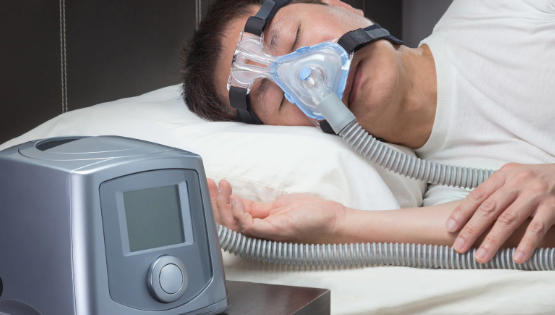
Continuous Positive Airway Pressure (CPAP) machines are essential for people who have sleep apnea, ensuring a consistent flow of pressurized air to keep airways open during sleep. Many CPAP models feature a humidifier that prevents dryness and irritation by using water to produce moisture. Most users fill this humidifier with distilled water—but a common question arises: Can you reuse the distilled water in your CPAP machine?
To answer this properly, we'll dive into how distilled water works, why purity matters, the potential risks of reuse, and how advanced Distillation Water Machines contribute to maintaining safety and performance for such applications.
Understanding the Role of Distilled Water in CPAP Machines
Distilled water is free from minerals, dissolved solids, and microorganisms, making it ideal for sensitive healthcare equipment like CPAP machines. The Distillation Water Machine uses the process of distillation—heating water into steam and then condensing it back into liquid form—to eliminate impurities.
When used in CPAP humidifiers, distilled water helps prevent:
- Mineral buildup on the machine's heating plate and internal components
- Microbial contamination that can lead to respiratory issues
- Reduced efficiency in humidification performance
This makes distilled water not just a preference but often a requirement recommended by CPAP manufacturers.
What Happens When You Reuse CPAP Distilled Water
Every time you operate your CPAP machine, part of the water in the humidifier evaporates to produce moisture for your airway. The leftover water is exposed to warm temperatures and airflow, which creates a favorable environment for bacterial or fungal growth.
Reusing the same water may cause:
- Bacterial contamination: Warm and stagnant water is a prime breeding ground for microorganisms.
- Mineral concentration: Even in distilled water, trace minerals can remain and accumulate after multiple uses.
- Film or residue formation: Continuous reuse may leave a film inside the water chamber that affects taste and hygiene.
- Odor or discoloration: Signs that the water has degraded or become contaminated.
The risk increases if the humidifier chamber is not properly cleaned between uses.
Scientific Perspective: Why Purity Breaks Down After Use
Distilled water starts pure, but once exposed to the air, it begins to absorb dust, microorganisms, and airborne particles. Furthermore, contact with the humidifier reservoir introduces potential contaminants from:
- Incomplete drying after previous use
- Impurities in the environment or air filter
- Backflow from tubing or mask areas
Even a small bacterial presence can multiply quickly, especially as CPAP chambers maintain a warm, moist environment overnight. So while your Distillation Water Machine produces highly purified water, reuse within the CPAP system compromises that purity over time.
The Role of Distillation Water Machines in Healthcare Purity
High-performance Distillation Water Machines, such as those used in pharmaceutical-grade manufacturing facilities, are engineered to produce pure and sterile water through multi-effect or vapor compression distillation. Companies like Everheal, specializing in pharmaceutical water systems, design such distillers to meet international standards (e.g., USP, EP, and cGMP).
These machines ensure:
- Consistent quality: Each batch meets pharmaceutical or laboratory-grade purity standards.
- Sterility assurance: Systems are often equipped with automatic sanitization and sterilization features.
- Energy efficiency: Multi-effect distillation minimizes energy waste while maintaining precision.
- Integrated validation: Continuous monitoring of conductivity, TOC, and microbial presence.
While household distilled water is suitable for CPAP use, industrial facilities rely on advanced Distillation Water Machines to maintain strict purity levels for critical processes such as medical device rinsing, injection preparation, and sterile solution production.
Why Manufacturers Recommend Single-Use Distilled Water
CPAP machine manufacturers universally recommend using fresh distilled water every night. The reasons go beyond hygiene—it's about maintaining the machine's operational life and protecting respiratory health.
1. Elimination of contamination risks: Each refill reduces bacteria exposure.
2. Reduction of mineral traces: Even small mineral buildup reduces heater efficiency and can lead to scaling.
3. Warranty protection: Using non-distilled or reused water may void warranty coverage.
4. Enhanced user comfort: Fresh water prevents unpleasant odors and ensures clean humidified air.
Using a home-grade Distillation Water Machine to generate small batches of distilled water daily can be an efficient way to ensure supply without needing to rely on bottled options.
Alternative Water Choices: Are They Safe?
Some users wonder if filtered or boiled water can substitute for distilled water. Let's look at their safety profiles:
- Filtered water: Carbon or reverse osmosis filters remove chlorine and some minerals but cannot guarantee sterile purity.
- Boiled water: Boiling kills most bacteria but doesn't remove dissolved minerals or chemical residues.
- Deionized water: Although low in minerals, it may still contain organic or bacterial contaminants.
In short, only distilled water effectively combines low mineral content with microbiological safety. Investing in an efficient Distillation Water Machine at home or sourcing distilled water from reliable suppliers remains the best approach.
Proper Maintenance for CPAP Water Chambers
To extend the lifespan of your CPAP and ensure hygienic use:
1. Empty the water reservoir daily after use.
2. Rinse the chamber with warm water and mild soap.
3. Let it air dry completely before refilling.
4. Refill with freshly distilled water each night.
5. Descale or disinfect weekly, depending on your manufacturer's instructions.
For heavy users or medical institutions managing multiple CPAP devices, using an Everheal Distillation Water Machine enhances consistency, lowers procurement costs, and guarantees purity compliance.
Environmental and Economic Considerations
Some users worry that changing water daily wastes resources. However, the environmental impact is minimal compared to the health and safety benefits. Moreover, producing your own distilled water using a Distillation Water Machine offers several advantages:
- Reduced plastic waste: No need to purchase single-use bottled water.
- Long-term cost savings: The initial investment in a machine pays off quickly for frequent users.
- Control over purity and supply: Ensures a continuous source independent of local water quality.
Advanced machines allow users to produce just the amount they need daily, aligning with both environmental responsibility and hygiene standards.
Signs It's Time to Replace the Distilled Water
To know when your CPAP water is no longer safe for reuse, watch for these indicators:
- Cloudy appearance or visible particles
- Foul or musty odor
- Discoloration of the water or chamber base
- Sticky or slippery residue inside the container
Any of these are signals that microorganisms have developed, making reuse unsafe. Always discard remaining water and replace it with a fresh batch from your Distillation Water Machine.
Best Practices for Storing Distilled Water
Even unused distilled water must be stored properly to maintain purity:
- Use sealed glass or BPA-free plastic bottles.
- Keep in a cool, dark place to prevent microbial growth.
- Avoid exposure to air for extended periods.
If you produce distilled water using an in-house Everheal Distillation Water Machine, storage containers should be regularly sanitized to prevent contamination between batches.
The Role of Pharmaceutical-Grade Distillation in Respiratory Therapy
Everheal's Distillation Water Machines serve not only in industrial and laboratory environments but also support the production of sterile-grade distilled water for respiratory equipment manufacturing and hospital use. In these settings:
- Multi-effect distillers ensure purity levels suitable for sterilization processes.
- Steam generators and water purification systems integrate seamlessly with hospital central supply units.
- Custom plant layouts optimize space, energy efficiency, and compliance with international pharmaceutical standards.
This commitment to high-purity water systems mirrors the strict hygiene requirements users should follow with their CPAP equipment.
Conclusion
Reusing distilled water in a CPAP machine might seem convenient, but it poses real risks to both health and equipment. Even the purest distilled water—produced by a Distillation Water Machine—loses its integrity once exposed to air and warmth. Regular replacement with fresh distilled water ensures hygienic operation, prevents bacterial growth, and prolongs machine life.
For hospitals, pharmaceutical manufacturers, or even advanced home users, investing in a reliable Distillation Water Machine not only enhances purity control but also contributes to long-term safety and sustainability.
FAQ
1. Can I use tap water if I run out of distilled water?
Using tap water is not recommended as it contains minerals and impurities that can damage your CPAP machine and potentially introduce contaminants into the air you breathe.
2. How often should I clean my CPAP water chamber?
The chamber should be emptied and rinsed daily and deep-cleaned with mild soap and water at least once a week to maintain hygiene.
3. Is bottled distilled water safe for CPAP use?
Yes, as long as it is labeled “distilled water” and not just “purified” or “spring” water. However, producing distilled water with a Distillation Water Machine offers more control over purity.
4. Can I use deionized or reverse osmosis water instead?
These waters are cleaner than tap water but not equivalent to distilled. They may contain organic residues or trace minerals that can still cause buildup over time.
5. How can I make distilled water at home safely?
You can produce distilled water using a countertop Distillation Water Machine, which boils and condenses water automatically, ensuring pharmaceutical-grade purity suitable for CPAP humidification.


