Content Menu
● Why Pharmaceutical Mixing Tanks Matter in South Africa
● Key Requirements for Pharmaceutical Mixing Tanks
>> Material and Surface Finish
>> Hygienic and GMP‑Compliant Design
>> Agitation, Heating, and Control
>> Validation and Documentation
● Overview of the South African Market Landscape
● Representative Manufacturers and Suppliers
● How Everheal Supports South African Pharmaceutical Projects
>> Turnkey Layout and Line Design
>> Compliance, Training, and Support
● Evaluating Pharmaceutical Mixing Tank Manufacturers And Suppliers
>> Technical Capability and Customization
>> Quality Systems and Certifications
>> After‑Sales Service and Lifecycle Support
● Integration with Upstream and Downstream Processes
>> Utilities: Pure Water and Pure Steam
>> Downstream: Filling, Sealing, and Sterilization
● Emerging Trends in Pharmaceutical Mixing Tanks
>> Automation and Digitalization
>> Flexibility and Scalability
● Practical Steps for Buyers in South Africa
>> Step 1: Define Process Needs
>> Step 2: Prepare a URS (User Requirement Specification)
>> Step 3: Shortlist and Evaluate Suppliers
>> Step 4: Assess Total Cost of Ownership
>> Step 5: Plan for Future Expansion
● Conclusion
● FAQ
>> 1. What should I look for in Pharmaceutical Mixing Tank Manufacturers And Suppliers?
>> 2. Are local South African suppliers suitable for high‑end pharma applications?
>> 3. How does Everheal support South African pharmaceutical factories?
>> 4. Why is CIP/SIP important for pharmaceutical mixing tanks?
>> 5. How can I future‑proof my investment in mixing tanks?
● Citations:
South Africa's fast‑growing pharma and biotech sector is driving strong demand for pharmaceutical mixing tanks that meet strict GMP, hygiene, and validation requirements. For buyers, choosing the right Pharmaceutical Mixing Tank Manufacturers And Suppliers in South Africa means balancing compliance, customization, cost, and long‑term service support.
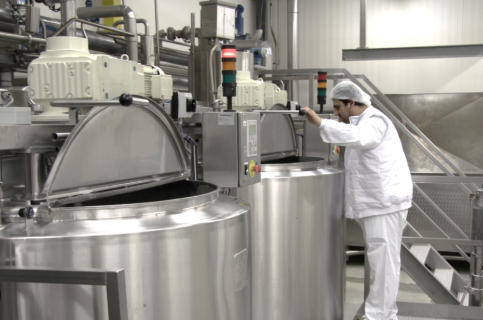
Why Pharmaceutical Mixing Tanks Matter in South Africa
Pharmaceutical mixing tanks sit at the heart of formulation, helping ensure consistent product quality, batch‑to‑batch repeatability, and regulatory compliance. In South Africa, local and imported tanks are used in oral solids, injectables, vaccines, OTC liquids, nutraceuticals, and cosmetics manufacturing. Leading Pharmaceutical Mixing Tank Manufacturers And Suppliers now offer stainless steel tanks with CIP/SIP, automated controls, and hygienic design that align with global GMP expectations. This is critical as more African facilities target international approvals, WHO prequalification, and export markets.
Pharmaceutical producers in South Africa also face rising expectations from multinational clients, regional regulators, and global NGOs. As a result, mixing tanks are no longer seen as simple vessels but as engineered, validated assets embedded in the overall quality system. When Pharmaceutical Mixing Tank Manufacturers And Suppliers understand this strategic role, they can design equipment that supports both technical performance and regulatory credibility.
Key Requirements for Pharmaceutical Mixing Tanks
To select suitable Pharmaceutical Mixing Tank Manufacturers And Suppliers, buyers must understand the core technical and regulatory requirements of pharma‑grade tanks. These requirements affect not only the tank itself but also its integration into upstream and downstream processes.
Material and Surface Finish
Pharma‑grade tanks are usually fabricated from SS 304 or SS 316L stainless steel to resist corrosion and ensure product safety. SS 316L is often preferred for more aggressive cleaning agents, higher chloride content, or critical sterile applications. Internal surfaces are typically finished to a smooth roughness (low Ra value) to minimize product adhesion and microbial growth. Proper weld treatment, passivation, and polishing are vital for hygienic performance and long‑term reliability in pharmaceutical mixing operations.
Hygienic and GMP‑Compliant Design
Leading Pharmaceutical Mixing Tank Manufacturers And Suppliers design vessels with crevice‑free internals, sloped bottoms, and self‑draining outlets to avoid dead legs and product hold‑up. Tanks often integrate CIP/SIP‑ready spray balls, sanitary manholes, hygienic valves, and aseptic sampling ports to support validated cleaning cycles. Design and documentation must align with GMP principles, relevant ISO standards, and often ASME BPE guidelines used in global pharma facilities. Mechanical details such as gasket materials, seal types, and instrument connections are carefully selected to match cleanroom and process requirements.
Agitation, Heating, and Control
Pharmaceutical mixing tanks require engineered agitators for blending, suspension, homogenization, or gentle mixing, depending on the dosage form and product rheology. Options include top‑entry agitators, side‑entry mixers, magnetic stirrers, and high‑shear mixers, all driven by variable‑speed drives tuned to the process. Jacketed tanks, insulation, and controlled heating or cooling (electric, steam, or thermal fluid) are common for temperature‑sensitive formulations. Modern Pharmaceutical Mixing Tank Manufacturers And Suppliers offer PLC, DCS, or SCADA integration, automation, and recipe management to support data integrity, repeatability, and advanced process control.
Validation and Documentation
Pharma customers expect design qualification (DQ), installation qualification (IQ), operational qualification (OQ), and support for performance qualification (PQ). Equipment manuals, material certificates, weld logs, surface finish reports, FAT/SAT protocols, and validation documentation form part of a complete delivery package from serious Pharmaceutical Mixing Tank Manufacturers And Suppliers. In many cases, suppliers also participate in risk assessments, HAZOP reviews, and change‑control processes to align equipment with the site's quality system.
Overview of the South African Market Landscape
South Africa hosts a mix of local stainless steel tank fabricators, specialized process equipment integrators, and international suppliers serving the pharmaceutical segment. Local engineering houses offer strong customization, competitive lead times, and on‑site support, while global Pharmaceutical Mixing Tank Manufacturers And Suppliers bring advanced designs and turnkey lines. As the market matures, buyers increasingly request full system integration, from mixing tanks and utility skids to automation, cleanroom interfaces, and factory layout.
Local suppliers have historically focused on food, beverage, and dairy, but many have expanded into pharma by upgrading their design standards and documentation practices. At the same time, international brands and overseas integrators see South Africa as a strategic hub for the wider African pharmaceutical market. This combination gives buyers a broad spectrum of choices, from cost‑effective local fabrication to high‑end imported systems.
Representative Manufacturers and Suppliers
The following examples illustrate the diversity of Pharmaceutical Mixing Tank Manufacturers And Suppliers that can serve South African pharma users. This list is not exhaustive, but it highlights typical capabilities and positioning.
- Stegel Engineering – A South African mixing tank manufacturer that designs stainless steel mixing tanks for beverages, dairy, chemicals, and pharmaceutical applications, often built to customer specifications and plant layouts.
- Anderson Engineering – A local engineering company that builds stainless steel process tanks and systems for food, dairy, and pharma, including custom mixing tanks, vessels, and skids.
- SA Tanks – A supplier of new and pre‑owned stainless steel tanks, with options that can be adapted for pharmaceutical and cosmetic applications where hygienic requirements are less stringent.
- Technogen Enterprise – A supplier of stainless steel storage and mixing tanks to the South African market, offering pharma‑grade features, CIP/SIP‑ready designs, and temperature‑controlled vessels.
- Pharmateq Machinery – A South African supplier of pharmaceutical machines, including process equipment and integrated mixing systems for pharma and biotech facilities seeking GMP‑compliant solutions.
- Latham Engineering Africa – A stainless steel tank manufacturer with experience in engineering and producing vessels for pharmaceutical, food, and other hygienic industries, including special‑purpose mixing tanks.
Together, these organizations show how Pharmaceutical Mixing Tank Manufacturers And Suppliers can cover everything from general mixing applications to highly specialized GMP installations. Buyers can combine local fabrication strengths with imported components and controls to meet specific project goals.
How Everheal Supports South African Pharmaceutical Projects
Everheal is a China‑based provider of pharmaceutical equipment and turnkey production lines, already focused on serving customers across Africa, including South Africa. The company offers purified water preparation systems, pure steam generators, multi‑effect distilled water machines, liquid filling and sealing machines, sterilization systems, and related process equipment. As one of the specialized Pharmaceutical Mixing Tank Manufacturers And Suppliers serving global customers, Everheal integrates mixing tanks into broader, GMP‑compliant production solutions rather than selling them as isolated products.
Turnkey Layout and Line Design
Everheal provides customized factory layout planning to align mixing tanks, utilities, and downstream equipment with efficient product flow and personnel movement. Its engineering team designs production lines around purified water, clean steam, and mixing modules to support sterile and non‑sterile products, from syrups and suspensions to injectables. By acting as a system integrator among Pharmaceutical Mixing Tank Manufacturers And Suppliers, Everheal helps South African clients move from concept and URS definition to fully installed, commissioned, and validated production lines.
Compliance, Training, and Support
Everheal's equipment portfolio is engineered to support GMP, with a strong focus on sanitary design, validated cleaning and sterilization, and traceable materials. The company's role goes beyond stand‑alone tanks, providing technical documentation, FAT/SAT participation, and training for operators and maintenance teams. For South African facilities, this combination of mixing tanks, utilities, filling, and sterilization systems from aligned Pharmaceutical Mixing Tank Manufacturers And Suppliers can streamline regulatory inspections and accelerate time‑to‑market.
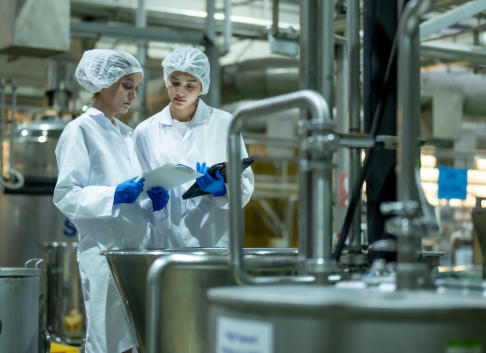
Evaluating Pharmaceutical Mixing Tank Manufacturers And Suppliers
When comparing Pharmaceutical Mixing Tank Manufacturers And Suppliers in South Africa and globally, buyers should use a structured set of criteria. A systematic approach reduces project risk, clarifies expectations, and ensures better alignment with long‑term manufacturing strategy.
Technical Capability and Customization
Buyers should confirm that the manufacturer can build tanks in the required working volumes, from small pilot‑scale units to large production vessels. It is important to review experience in pharma‑specific features such as CIP/SIP, aseptic connections, sterile sampling, nitrogen blanketing, and high‑shear mixing where needed. Asking for references or case studies in pharmaceutical or biotech installations, not just food or chemical sectors, helps assess how familiar the supplier is with regulated environments.
Quality Systems and Certifications
Buyers should check whether Pharmaceutical Mixing Tank Manufacturers And Suppliers operate under robust quality management systems, ideally with ISO certification. For critical applications, alignment with ASME BPE, EN, or other relevant standards and documented weld procedures offers a strong advantage. Suppliers that carry out regular internal audits, maintain calibration systems, and keep detailed manufacturing records are better positioned to support regulatory inspections and customer audits.
After‑Sales Service and Lifecycle Support
Local technical support, spare parts availability, and preventive maintenance services are essential for minimizing downtime in pharmaceutical facilities. Some suppliers offer periodic inspections, on‑site maintenance, operator training, and remote diagnostics to maintain equipment performance over the long term. When Pharmaceutical Mixing Tank Manufacturers And Suppliers participate actively in lifecycle management, total cost of ownership can be reduced, and unplanned shutdowns can be avoided.
Integration with Upstream and Downstream Processes
Pharmaceutical mixing tanks rarely operate in isolation; they must integrate into end‑to‑end processes ranging from utilities and raw material handling to final packaging and sterilization. Advanced Pharmaceutical Mixing Tank Manufacturers And Suppliers focus on compatibility with purified water and WFI systems, pure steam and clean compressed air, building management systems, and cleanroom layouts.
Utilities: Pure Water and Pure Steam
Pharmaceutical mixing tanks often receive feeds from purified water and WFI systems, making interconnection and material compatibility critical. Pipework, valves, and instrumentation must match the same hygienic standards as the tank itself. Pure steam generators supply sterilization capability for SIP cycles, jacket sterilization, and sterilization of critical line components. Companies like Everheal provide these utility systems together with mixing tanks to ensure coherent, GMP‑compliant process design and simplified validation.
Downstream: Filling, Sealing, and Sterilization
Liquids mixed in tanks may be transferred to filling and sealing machines for vials, ampoules, bottles, or bags under controlled conditions. Integrated autoclaves or sterilization systems help maintain sterility, especially for parenteral products, vaccines, or other high‑risk formulations. Pharmaceutical Mixing Tank Manufacturers And Suppliers that understand the entire process chain can better position outlet nozzles, outlet heights, drain points, and automation interfaces. This reduces the need for rework on piping, prevents dead legs, and ensures smooth interaction between mixing, transfer, filling, and sterilization steps.
Emerging Trends in Pharmaceutical Mixing Tanks
South African buyers increasingly look for advanced features as they expand into complex formulations and regulated export markets. Pharmaceutical Mixing Tank Manufacturers And Suppliers are responding with more automation, modularity, and digital capabilities.
Automation and Digitalization
Automation platforms now allow precise control of mixing speed, temperature, pressure, agitation profiles, and CIP/SIP cycles with full electronic audit trails. Batch records can be integrated with plant‑wide manufacturing execution systems (MES) for electronic batch documentation. Data logging and recipe management help plants demonstrate compliance with data integrity principles and simplify investigations. Pharmaceutical Mixing Tank Manufacturers And Suppliers that offer ready‑to‑integrate PLC, DCS, or SCADA solutions reduce engineering workload and speed up commissioning.
Flexibility and Scalability
Modular skid‑mounted systems enable phased capacity upgrades, from pilot‑scale tanks to full commercial lines. Multi‑product facilities often demand flexible tank configurations, fast changeovers, and validated cleaning strategies to switch between products quickly. International Pharmaceutical Mixing Tank Manufacturers And Suppliers combine modular designs with strong documentation and standardization, making future expansion easier. For South African plants that anticipate growth or diversification, choosing scalable equipment from the outset is a strategic advantage.
Practical Steps for Buyers in South Africa
Pharmaceutical companies and CDMOs in South Africa can follow a clear roadmap when selecting Pharmaceutical Mixing Tank Manufacturers And Suppliers. A structured process helps align stakeholders in engineering, production, quality, and procurement.
Step 1: Define Process Needs
Start by documenting product types, viscosities, batch sizes, active ingredients, and required mixing times. Clarify whether you need sterile or non‑sterile systems, as this affects tank geometry, valve technology, and instrumentation. Decide which functions the tank must support, such as dissolution, dispersion, emulsification, suspension, or buffer preparation.
Step 2: Prepare a URS (User Requirement Specification)
Translate process needs into a URS covering capacity, materials of construction, surface finish, agitation principles, heating and cooling requirements, instrumentation, and control philosophy. Also include requirements for documentation, risk assessments, and qualification support. Share the URS with shortlisted Pharmaceutical Mixing Tank Manufacturers And Suppliers for detailed proposals and technical clarifications.
Step 3: Shortlist and Evaluate Suppliers
Create a shortlist that includes a mix of local fabricators and international pharma‑focused suppliers to compare offers. Evaluate their project history in pharma, the quality and completeness of their documentation, and their ability to integrate with existing equipment and utilities. Site visits, reference checks, and technical workshops can provide deeper insights into a supplier's capabilities.
Step 4: Assess Total Cost of Ownership
Beyond the initial purchase price, consider installation, commissioning, validation, energy use, cleaning media consumption, and planned maintenance. Pay attention to after‑sales support, spare parts lead times, software support, and training programs from the Pharmaceutical Mixing Tank Manufacturers And Suppliers. Calculating total cost of ownership over the expected lifecycle helps identify the true value of each proposal.
Step 5: Plan for Future Expansion
Ensure the chosen design can be scaled up with additional tanks, increased automation, or expanded utilities as demand grows. Build some flexibility into pipe racks, cable trays, and control cabinets to accommodate future connections. Partnering with a turnkey provider like Everheal that understands both mixing tanks and full production lines can simplify long‑term planning and reduce the risk of bottlenecks as capacity increases.
Conclusion
South Africa's pharmaceutical sector increasingly relies on high‑performance mixing systems that combine hygienic design, automation, and robust documentation. By carefully evaluating Pharmaceutical Mixing Tank Manufacturers And Suppliers on technical capability, regulatory alignment, integration skills, and lifecycle support, buyers can secure equipment that supports both current operations and long‑term growth. Local manufacturers, international tank specialists, and turnkey providers such as Everheal together offer a wide spectrum of solutions for liquid, semi‑solid, and sterile product manufacturing. With a structured supplier selection process, a clear URS, and a future‑oriented mindset, South African plants can build efficient, GMP‑compliant mixing systems that integrate seamlessly with water, steam, filling, and sterilization equipment.
FAQ
1. What should I look for in Pharmaceutical Mixing Tank Manufacturers And Suppliers?
You should prioritize Pharmaceutical Mixing Tank Manufacturers And Suppliers that understand GMP, use pharma‑grade stainless steel (such as SS 304 or SS 316L), and provide complete validation documentation. Check their experience with CIP/SIP, hygienic design, automation, and past projects in regulated pharmaceutical environments.
2. Are local South African suppliers suitable for high‑end pharma applications?
Several South African stainless steel and process equipment companies design tanks for food, dairy, and pharma, and can customize solutions to URS requirements. For complex or sterile applications, many buyers combine local fabricators with global Pharmaceutical Mixing Tank Manufacturers And Suppliers or turnkey partners to meet advanced specifications and documentation needs.
3. How does Everheal support South African pharmaceutical factories?
Everheal supports African customers by supplying purified water systems, pure steam generators, distilled water systems, mixing and process equipment, filling and sealing machines, and sterilization systems within integrated GMP layouts. Acting alongside other Pharmaceutical Mixing Tank Manufacturers And Suppliers, Everheal helps design, deliver, qualify, and optimize complete production lines rather than isolated tanks.
4. Why is CIP/SIP important for pharmaceutical mixing tanks?
CIP/SIP features allow automated, validated cleaning and sterilization of tank interiors, agitators, and critical piping without dismantling the equipment. Pharmaceutical Mixing Tank Manufacturers And Suppliers that engineer CIP/SIP‑ready designs help plants reduce contamination risk, shorten changeover times, support data integrity, and maintain regulatory compliance.
5. How can I future‑proof my investment in mixing tanks?
To future‑proof your investment, choose Pharmaceutical Mixing Tank Manufacturers And Suppliers that offer modular, scalable tank designs, flexible automation platforms, and strong after‑sales service. Design today's system with spare capacity in utilities, control infrastructure, and physical layout so it can support additional tanks, higher throughput, and new products in the future.
Citations:
1. https://www.satanks.co.za
2. https://stegel.co.za/mixing-tank-manufacture/
3. https://continentalsuppliers.co.za/products/stainless-steel-vertical-cosmetic-liquid-chemical-mixing-tank
4. https://za.technogenenterprise.com/products/stainless-steel-storage-and-mixing-tanks.html
5. https://www.ips-sa.co.za/mixing-equipment.html
6. https://yalian.en.made-in-china.com/product/XFmTshWOrxfd/China-100-Gallon-Stainless-Steel-Chemical-Mixing-Tanks-South-Africa.html
7. https://pagmachinery.com/south-africa-gmp-factory/
8. https://www.andersoneng.co.za/services/tanks/
9. https://www.bhagwatipharma.com/storage-vessel/
10. https://www.pharmateq.co.za
11. https://en.paulmueller.com/pharmaceutical-manufacturing-equipment/tanks
12. https://lathamengineeringafrica.co.za
13. https://www.everhealgroup.com/top-pharmaceutical-equipment-manufacturers-and-suppliers-in-africa.html
14. https://www.zonesunpack.com/th/products/zonesun-1000l-electric-heating-mixer-with-agitator-stirring-blending-mixing-tank-zs-mb10
15. https://www.stainlesstradingsa.com/products-tanks.html


