Content Menu
● Understanding the Role of Pharmaceutical Mixing Tanks
● Market Overview of Pharmaceutical Mixing Tank Manufacturers in the Middle East
● Key Features of High-Quality Pharmaceutical Mixing Tanks
● Leading Pharmaceutical Mixing Tank Manufacturers and Suppliers in the Middle East
>> 1. Everheal Equipment Co., Ltd (China)
>> 2. GEA Middle East
>> 3. Alkhaleej Industrial Equipment (Saudi Arabia)
>> 4. TAHINI Engineering (United Arab Emirates)
>> 5. Pharmatech Egypt
● Emerging Trends in Mixing Tank Manufacturing
● How to Choose the Right Pharmaceutical Mixing Tank Supplier
● The Role of Turnkey Project Providers Like Everheal
● The Future of Pharmaceutical Equipment Manufacturing in the Middle East
● Conclusion
● Frequently Asked Questions (FAQ)
>> 1. What materials are used in pharmaceutical mixing tanks?
>> 2. How do I ensure a mixing tank complies with GMP standards?
>> 3. What capacity options are available for pharmaceutical mixing tanks?
>> 4. Can pharmaceutical mixing tanks be customized for specific formulations?
>> 5. What makes Everheal a preferred supplier in the Middle East?
The pharmaceutical industry in the Middle East has been undergoing a technology-driven transformation in recent years. As global demand for medicines continues to grow, the region has become a major hub for pharmaceutical manufacturing and processing equipment. Among the crucial elements of pharmaceutical production, mixing tanks play an irreplaceable role. If you are seeking the best Pharmaceutical Mixing Tank Manufacturers and Suppliers in the Middle East, this article will give you a detailed overview of the key players, industry standards, market trends, and equipment features to help you make an informed purchasing decision.
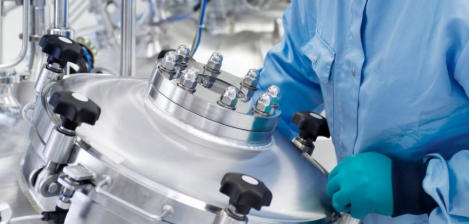
Understanding the Role of Pharmaceutical Mixing Tanks
Pharmaceutical mixing tanks are specialized vessels used to mix, blend, and homogenize various ingredients during drug production. These tanks help ensure the consistency, purity, and quality of medicines, particularly for liquid, suspension, and emulsion formulations.
They are used in multiple stages of production, including formulation, reaction, dissolution, and sterile preparation. A well-designed mixing tank prevents contamination and maintains precise environmental conditions such as temperature and pressure.
Typical materials used include stainless steel (SS304, SS316L), glass-lined steel, and customized alloys depending on the application. High precision and sanitary design are mandatory according to GMP (Good Manufacturing Practice) standards.
Market Overview of Pharmaceutical Mixing Tank Manufacturers in the Middle East
The Middle East has seen rapid investment in pharmaceutical infrastructure. Countries such as the United Arab Emirates, Saudi Arabia, Egypt, and Jordan now host multiple GMP-certified facilities. This expansion has created strong demand for reliable *pharmaceutical mixing tank manufacturers and suppliers* who can meet strict international standards.
Key market drivers include:
- Government funding to boost local drug production.
- Growing focus on import substitution and local self-sufficiency.
- Increasing number of collaborations with global pharmaceutical engineering companies.
- The expansion of contract manufacturing in sterile and liquid dosage forms.
As a result, several equipment suppliers—both domestic and international—have entered the region, offering turnkey solutions for mixing, filling, sterilization, and plant design.
Key Features of High-Quality Pharmaceutical Mixing Tanks
When choosing a pharmaceutical mixing tank manufacturer, it's vital to assess both design quality and compliance certifications. Reputable *pharmaceutical mixing tank manufacturers and suppliers* in the Middle East typically offer tanks with these features:
- Hygienic design: Polished stainless steel interior with mirror finish (Ra ≤ 0.4 µm).
- CIP/SIP system: Cleaning-In-Place and Sterilization-In-Place to ensure sterility and ease of maintenance.
- Automation control: PLC and HMI systems for precise mixing parameters.
- Sealing technology: Mechanical seals resistant to wear, pressure, and temperature fluctuation.
- Mixing efficiency: Advanced impeller designs, including anchor, paddle, or magnetic mixers, to ensure uniform blending.
- Pressure and heating options: Ability to heat, cool, or pressurize based on process needs.
These functional and design advantages ensure that every stage of the manufacturing process meets both GMP and FDA standards.
Leading Pharmaceutical Mixing Tank Manufacturers and Suppliers in the Middle East
Below is a closer look at some of the prominent *pharmaceutical mixing tank manufacturers and suppliers* operating in the region, known for quality craftsmanship, technical innovation, and customer support.
1. Everheal Equipment Co., Ltd (China)
Though based in China, Everheal has established a strong reputation as one of the trusted international *pharmaceutical equipment suppliers* to Middle Eastern pharmaceutical plants. The company provides complete turnkey solutions including pure water systems, pure steam generators, multi-effect distillation units, sterilizers, and high-precision mixing tanks.
Key strengths:
- Custom factory layout design for local clients in the Middle East.
- Equipment designed according to EU GMP and ASME standards.
- Full after-sales support including commissioning and staff training.
Everheal's pharmaceutical mixing tanks are particularly popular for sterile preparation and IV solution applications. With a growing client base across Saudi Arabia, UAE, and Oman, Everheal continues to bridge Chinese engineering technology with Middle Eastern production needs.
2. GEA Middle East
GEA Group, headquartered in Germany, operates actively in the Middle East through its subsidiary network. Renowned globally for engineering and process technology, GEA offers some of the highest-quality mixing tanks used in pharmaceutical manufacturing.
Highlights:
- Horizontal and vertical mixing systems for liquids and semi-solids.
- Advanced mixers with vacuum homogenizers for creams and ointments.
- Local service centers in Dubai and Riyadh offering on-site maintenance.
GEA's systems integrate seamlessly with other pharmaceutical processing components, making them a preferred choice for multinational pharmaceutical brands investing in Middle Eastern production units.
3. Alkhaleej Industrial Equipment (Saudi Arabia)
Alkhaleej Industrial Equipment is one of the leading domestic *pharmaceutical mixing tank manufacturers* in Saudi Arabia. The company designs and fabricates stainless steel tanks that comply with both local SFDA and EU pharmaceutical standards.
Product advantages:
- Cost-effective and locally manufactured solutions.
- GMP-compliant polishing and weld finishing.
- On-demand customization for pilot and full-scale production setups.
By combining technical capability with local manufacturing efficiency, Alkhaleej serves both pharmaceutical and biotech firms throughout the GCC.
4. TAHINI Engineering (United Arab Emirates)
While originally specialized in food and cosmetic processing equipment, TAHINI Engineering has expanded into the pharmaceutical sector with advanced stainless-steel mixers and process vessels. The firm partners with European and Chinese manufacturing companies to deliver hybrid solutions for pharmaceutical clients.
Their product line covers:
- Automated liquid mixing systems with homogenizers.
- CIP-integrated mixing vessels.
- Modular skid-based reactor systems.
With its base in Sharjah, TAHINI Engineering supports several multinational drug manufacturing projects across the UAE and Bahrain.
5. Pharmatech Egypt
Pharmatech Egypt stands among the top *pharmaceutical equipment suppliers* in North Africa and the Middle East region. They focus on manufacturing stainless steel tanks, fermenters, and bioreactors tailored for liquid pharmaceutical products.
Distinctive features:
- Conformance to ISO 9001, GMP, and CE standards.
- Modular plant design services.
- Experienced engineering team specializing in sterile systems and validation documentation.
Pharmatech's central location gives them logistical advantages for serving North African and GCC clients effectively.
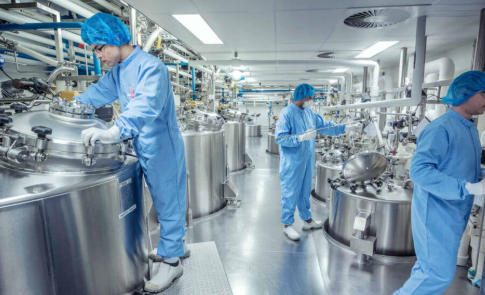
Emerging Trends in Mixing Tank Manufacturing
The *pharmaceutical mixing tank manufacturers and suppliers* in the Middle East are rapidly adopting new technologies to enhance efficiency and compliance. Some key trends include:
- Smart automation: Integration of IoT sensors and digital control panels for real-time monitoring.
- Green manufacturing: Energy-saving designs with improved insulation and optimized agitator performance.
- Material innovation: Use of duplex stainless steel and hybrid coatings for corrosion resistance.
- Scalable solutions: Modular tank systems allowing easy capacity expansion.
- Validation-ready design: Manufacturers now deliver tanks with complete documentation for regulatory validation.
These innovations are shaping the next generation of pharmaceutical manufacturing plants in the region.
How to Choose the Right Pharmaceutical Mixing Tank Supplier
Selecting the right supplier is not just about product quality — it's also about long-term partnership and technical capability. Consider the following factors:
1. Compliance track record: Ensure the manufacturer meets GMP, FDA, and ASME standards.
2. Customization flexibility: Look for suppliers offering tailor-made designs to fit your process flow.
3. After-sales support: Choose a company with technical training, maintenance, and spare parts availability.
4. Integration capability: The tank system should align with your filling, sterilization, and CIP/SIP lines.
5. Pricing and lead time: Balance cost efficiency with quality reliability and delivery time.
Partnering with experienced *pharmaceutical mixing tank manufacturers and suppliers* allows local plants to achieve higher consistency and scalability.
The Role of Turnkey Project Providers Like Everheal
Turnkey solution providers such as Everheal are becoming increasingly popular in the Middle East. Instead of sourcing equipment from multiple vendors, pharmaceutical investors prefer integrated services from a single engineering partner.
Everheal offers comprehensive services including:
- Factory layout planning and cleanroom design.
- Pure water and steam generation systems.
- Customized mixing tanks for sterile and non-sterile products.
- Filling, sealing, and sterilization equipment integration.
This integrated approach minimizes project risk, speeds up construction timelines, and ensures compliance with international quality standards.
The Future of Pharmaceutical Equipment Manufacturing in the Middle East
As governments in the Middle East continue to prioritize pharmaceutical self-reliance, the demand for advanced *pharmaceutical mixing tank manufacturers and suppliers* will continue to expand. Regional markets are expected to grow by more than 8% annually through 2030, driven by biological drugs, vaccines, and sterile IV solutions.
Collaborations between Chinese engineering firms like Everheal and regional contractors will further accelerate technology transfer, promoting sustainable industrial expansion across the GCC.
Conclusion
The pharmaceutical equipment market in the Middle East is entering a new era of growth and modernization. Reliable *pharmaceutical mixing tank manufacturers and suppliers* are at the heart of this transformation, ensuring that production processes meet strict global standards for quality, safety, and efficiency.
Companies such as Everheal, GEA Middle East, Alkhaleej Industrial Equipment, TAHINI Engineering, and Pharmatech Egypt lead the way in offering precision-engineered mixing tanks for pharmaceutical production lines. With advanced automation, hygienic design, and turnkey project support, these manufacturers are helping Middle Eastern pharmaceutical facilities achieve world-class manufacturing excellence.
Frequently Asked Questions (FAQ)
1. What materials are used in pharmaceutical mixing tanks?
Most pharmaceutical mixing tanks are made from stainless steel (SS316L or SS304) due to their corrosion resistance and sanitary properties. In some cases, glass-lined steel or special alloys are used for high-purity applications.
2. How do I ensure a mixing tank complies with GMP standards?
Verify that the manufacturer follows GMP, FDA, and ASME BPE guidelines. The supplier should also provide surface finish certificates, welding documentation, and validation reports during factory acceptance testing.
3. What capacity options are available for pharmaceutical mixing tanks?
Manufacturers offer a wide range from small laboratory tanks (5–50 L) to large-scale industrial tanks (up to 20,000 L). The right capacity depends on your production volume and process design.
4. Can pharmaceutical mixing tanks be customized for specific formulations?
Yes, many *pharmaceutical mixing tank manufacturers and suppliers* offer custom agitators, temperature control systems, and CIP/SIP configurations to suit unique product formulations.
5. What makes Everheal a preferred supplier in the Middle East?
Everheal provides turnkey pharmaceutical plant solutions, including factory layout design, pure water systems, sterilizers, and high-precision mixing tanks. Their ability to tailor equipment to Middle Eastern production standards makes them a trusted partner for many clients.


