Content Menu
● Chile's Growing Pharmaceutical Manufacturing Landscape
● GMP Regulations and Their Impact on Mixing Tank Design
● Core Features of Pharmaceutical Mixing Tanks for Chilean Facilities
>> Hygienic Construction and Materials
>> Agitation, Shear, and Mixing Performance
>> Automation, Controls, and Documentation
● Types of Pharmaceutical Mixing Tanks Used in Chile
>> Mixing and Blending Tanks
>> Storage and Buffer Vessels
>> CIP/SIP and Utility Tanks
● Selection Criteria for Chilean Buyers
>> Compliance and Certification
>> Customization and Process Fit
>> Life‑Cycle Services and Support
● Local and International Supply Options
● How Everheal Supports Chilean Pharmaceutical Projects
● Example: Typical Mixing Area Configuration in a Chilean Plant
● Practical Tips for Working With Pharmaceutical Mixing Tank Manufacturers And Suppliers
● Conclusion
● FAQ
>> 1. What standards should Pharmaceutical Mixing Tank Manufacturers And Suppliers meet in Chile?
>> 2. Why is 316L stainless steel preferred for pharmaceutical mixing tanks?
>> 3. How do automation and controls benefit Chilean pharma plants?
>> 4. Can international Pharmaceutical Mixing Tank Manufacturers And Suppliers effectively support Chilean clients?
>> 5. How can Everheal help when selecting Pharmaceutical Mixing Tank Manufacturers And Suppliers in Chile?
Choosing reliable Pharmaceutical Mixing Tank Manufacturers And Suppliers in Chile is critical for drug safety, GMP compliance, and long‑term operational efficiency. This guide explains the Chilean pharma environment, key selection criteria, typical equipment features, and how international partners like Everheal can support local projects.
Chile's Growing Pharmaceutical Manufacturing Landscape
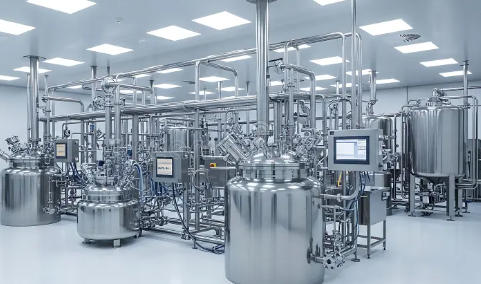
Chile's pharmaceutical market has been expanding steadily, supported by rising healthcare demand, regulatory modernization, and increasing interest from multinational manufacturers. Growth projections indicate that Chile will remain an attractive base for regional production and contract manufacturing in Latin America.
The Instituto de Salud Pública de Chile (ISP) oversees GMP compliance and inspections, aligning regulations with international standards such as WHO, PIC/S, and ICH. For Pharmaceutical Mixing Tank Manufacturers And Suppliers, this means equipment must support traceable, controlled, and validated processes to meet both local and global expectations.
Chile is also a significant importer of finished medicines, APIs, and process equipment. As a result, Pharmaceutical Mixing Tank Manufacturers And Suppliers from Asia, Europe, and North America have substantial opportunities to provide advanced stainless steel mixing tanks to Chilean companies and regional CDMOs.
GMP Regulations and Their Impact on Mixing Tank Design
Chile's GMP framework is defined through ISP regulations that cover plant design, equipment engineering, quality management, and documentation. Pharmaceutical Mixing Tank Manufacturers And Suppliers serving the Chilean market must show that their designs support robust cleaning, calibration, and validation practices.
To pass ISP inspections and international customer audits, tanks used for oral liquids, injectables, and intermediates must be easy to clean, resistant to contamination, and fully traceable. That is why leading Pharmaceutical Mixing Tank Manufacturers And Suppliers typically design equipment in line with cGMP, FDA, ASME, and, where relevant, EU guidelines.
Documentation is treated as part of the equipment package rather than an optional extra. Pharmaceutical Mixing Tank Manufacturers And Suppliers are expected to provide material certificates, surface roughness reports, welding records, FAT protocols, and IQ/OQ documentation so Chilean plants can build complete validation files.
Core Features of Pharmaceutical Mixing Tanks for Chilean Facilities
When evaluating Pharmaceutical Mixing Tank Manufacturers And Suppliers, Chilean buyers look for a set of design features that ensure product safety and process repeatability. These features influence the ability of a plant to scale capacity, add new formulations, and pass regulatory inspections over the long term.
Hygienic Construction and Materials
Most pharmaceutical‑grade tanks are fabricated from high‑quality stainless steel such as 316L, which offers strong corrosion resistance and excellent cleanability. Pharmaceutical Mixing Tank Manufacturers And Suppliers routinely provide internal surface finishes with very low roughness values to minimize product build‑up and microbial growth.
Seamless welds, sanitary connections, and crevice‑free internal geometries make CIP and SIP processes more effective. For use in Chile's diverse climate and in export‑oriented plants, Pharmaceutical Mixing Tank Manufacturers And Suppliers also frequently offer insulation and jackets to maintain precise product temperatures during mixing and holding.
Agitation, Shear, and Mixing Performance
Proper agitator design is essential for achieving uniformity in syrups, emulsions, suspensions, and solutions. Pharmaceutical Mixing Tank Manufacturers And Suppliers typically offer a range of agitation options, including top‑entry agitators, side‑entry mixers, magnetic mixers, and high‑shear heads for more challenging formulations.
Variable‑speed drives allow operators to switch between gentle blending and intensive dispersion without compromising product quality. Pharmaceutical Mixing Tank Manufacturers And Suppliers also optimize baffles, impeller design, and tank geometry to avoid dead zones and ensure homogeneous mixing in all regions of the vessel.
Automation, Controls, and Documentation
Modern Chilean facilities increasingly require automated, recipe‑driven mixing systems tied to electronic batch records and integrated quality systems. To support this, Pharmaceutical Mixing Tank Manufacturers And Suppliers design tanks with integrated temperature, pressure, level, and conductivity sensors, as well as PLC and SCADA connectivity for real‑time visibility and data logging.
Comprehensive automation also enables alarms, event logging, and audit trails that strengthen data integrity. Pharmaceutical Mixing Tank Manufacturers And Suppliers that can deliver GAMP‑compliant control systems and 21 CFR Part 11‑ready software solutions help Chilean plants streamline qualification and routine operations.
Types of Pharmaceutical Mixing Tanks Used in Chile
A typical Chilean manufacturing site for oral liquids, OTC products, or biosimilar formulations can use several tank types across its process. Pharmaceutical Mixing Tank Manufacturers And Suppliers normally design families of vessels that cover these use cases in a modular and scalable way.
Mixing and Blending Tanks
Dedicated mixing tanks handle active pharmaceutical ingredients and excipients for syrups, suspensions, solutions, and gels. Pharmaceutical Mixing Tank Manufacturers And Suppliers configure capacity, agitation, heating, vacuum, and pressure options depending on viscosity, solubility, and batch size requirements.
These tanks may include jackets for heating or cooling, integrated load cells for accurate dosing, CIP/SIP systems for fast changeovers, and vacuum domes for deaeration. Pharmaceutical Mixing Tank Manufacturers And Suppliers are also adopting modular skid‑mounted solutions so Chilean plants can add capacity or new recipes without major civil work.
Storage and Buffer Vessels
In addition to active mixing, facilities require buffer tanks to hold intermediates, WFI, or bulk solutions before filtration and filling. Pharmaceutical Mixing Tank Manufacturers And Suppliers often supply both agitated and non‑agitated storage vessels tailored to hold time, temperature, and cleanliness needs.
Storage vessels may be pressurized or atmospheric and typically feature sanitary vents, sterile filters, level sensors, and aseptic sampling valves. Pharmaceutical Mixing Tank Manufacturers And Suppliers also adapt vessel designs for integration with purified water loops, clean steam networks, and CIP/SIP skids.
CIP/SIP and Utility Tanks
High‑performance cleaning is essential to minimize cross‑contamination and meet GMP expectations. Many Pharmaceutical Mixing Tank Manufacturers And Suppliers also build or integrate CIP and SIP tanks to hold caustic, acid, and rinse solutions, often made from 316L stainless steel with insulation and automated control.
These systems deliver controlled cleaning cycles to all process vessels, pipework, and filling equipment. By sourcing CIP/SIP tanks from the same Pharmaceutical Mixing Tank Manufacturers And Suppliers, Chilean plants can simplify documentation and ensure hygienic design consistency throughout the utility and process systems.
Selection Criteria for Chilean Buyers
Choosing the right partner among Pharmaceutical Mixing Tank Manufacturers And Suppliers involves technical, regulatory, and commercial considerations. A structured approach helps engineering and procurement teams compare offers more objectively and avoid hidden long‑term costs.
Compliance and Certification
Chilean pharma companies must show that their equipment supports ISP GMP requirements and, in many cases, target export regulations such as EU or FDA expectations. Pharmaceutical Mixing Tank Manufacturers And Suppliers that design to recognized standards such as ASME, 3‑A, and cGMP offer a clear compliance advantage.
Beyond mechanical design, buyers evaluate whether suppliers can provide validation support, including DQ, FAT, SAT, IQ, OQ, and sometimes PQ documentation. Pharmaceutical Mixing Tank Manufacturers And Suppliers that operate under robust ISO‑certified quality systems typically offer more consistent documentation quality and traceability.
Customization and Process Fit
Each Chilean facility has unique formulations, building constraints, and medium‑term capacity plans. Pharmaceutical Mixing Tank Manufacturers And Suppliers with strong custom engineering capabilities can adapt vessel geometry, capacity, nozzle orientation, and platform design to match these constraints.
For example, some suppliers offer tanks from small lab‑scale units up to several thousand liters, with special shapes for confined spaces or reduced ceiling heights. Pharmaceutical Mixing Tank Manufacturers And Suppliers that provide 3D layout support, piping isometrics, and integrated skid designs make it easier for local teams to visualize and optimize process flow.
Life‑Cycle Services and Support
Post‑installation service is a key consideration due to Chile's geographic distance from many global equipment hubs. Pharmaceutical Mixing Tank Manufacturers And Suppliers that support remote diagnostics, on‑site commissioning, operator training, and preventive maintenance can significantly reduce downtime.
Spare parts availability, replacement agitators, seal upgrades, and modification services also influence the total cost of ownership. Pharmaceutical Mixing Tank Manufacturers And Suppliers that build long‑term partnerships with Chilean plants help customers respond to new products and evolving regulatory expectations without replacing entire systems.
Local and International Supply Options
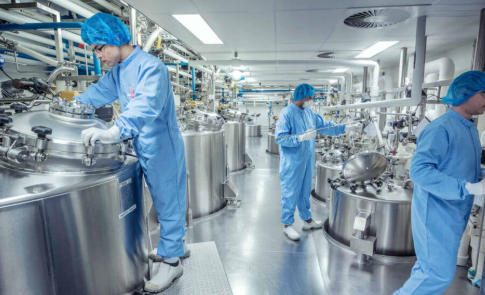
Chile hosts a mix of local fabrication capabilities and imports from specialized process equipment manufacturers. Some mechanical workshops can manufacture tanks for food, beverage, or cosmetics, while more complex pharma‑grade vessels are often imported from experienced Pharmaceutical Mixing Tank Manufacturers And Suppliers abroad.
International suppliers from China, India, Europe, and North America regularly export fully certified stainless steel mixing tanks into the Chilean market. Pharmaceutical Mixing Tank Manufacturers And Suppliers that already have references or installations in Chile or neighboring countries can usually demonstrate experience with local utilities, seismic requirements, and regulatory expectations.
In practice, many Chilean buyers adopt a hybrid strategy: partnering with global Pharmaceutical Mixing Tank Manufacturers And Suppliers for critical GMP vessels, while relying on local firms for platforms, support structures, and non‑critical tanks. This approach balances technical quality with lead‑time and cost efficiency.
How Everheal Supports Chilean Pharmaceutical Projects
Everheal, as a specialized Chinese provider of pure water and pharmaceutical process systems, can play a key role for Chilean manufacturers seeking integrated solutions. In addition to purified water preparation systems, pure steam generators, and multi‑effect distillation units, Everheal can coordinate with trusted Pharmaceutical Mixing Tank Manufacturers And Suppliers to build complete liquid processing lines.
For greenfield plants or line upgrades in Chile, Everheal offers customized factory layout planning and process line design aligned with GMP and ISP expectations. Working with carefully selected Pharmaceutical Mixing Tank Manufacturers And Suppliers, Everheal helps clients connect utilities, mixing tanks, filling and sealing machines, and sterilization systems into one coherent, validated solution.
Everheal's experience with WFI generation, distribution loops, and pure steam ensures that critical utilities are fully compatible with the needs of advanced stainless steel mixing tanks. By combining expertise in utilities and process equipment, Everheal and its partner Pharmaceutical Mixing Tank Manufacturers And Suppliers can reduce project complexity and shorten time to qualification.
Example: Typical Mixing Area Configuration in a Chilean Plant
A Chilean oral‑liquid facility might use a series of vessels for WFI storage, premixing, final solution preparation, filtration, and holding before filling. Pharmaceutical Mixing Tank Manufacturers And Suppliers provide each vessel with its own agitation, heating, and control strategy, while Everheal links them to purified water and clean steam systems.
A typical line may include automated dosing systems for APIs and excipients, in‑line homogenizers for emulsions, and CIP/SIP skids to clean tanks and pipework between batches. Pharmaceutical Mixing Tank Manufacturers And Suppliers designing for this context focus on reliability, fast changeover, and documentation that meets both ISP and export‑market standards.
As production volumes grow, additional tanks or larger capacities can be integrated with minimal disruption. By working closely with Pharmaceutical Mixing Tank Manufacturers And Suppliers, Chilean plants can plan for staged expansion and new product introductions without redesigning the entire facility.
Practical Tips for Working With Pharmaceutical Mixing Tank Manufacturers And Suppliers
Engineering and procurement teams in Chile can follow several best practices to get the most value from their chosen Pharmaceutical Mixing Tank Manufacturers And Suppliers.
First, develop a clear User Requirement Specification that defines capacity, product types, viscosity range, temperature range, cleaning method, and automation level. Sharing a detailed URS enables Pharmaceutical Mixing Tank Manufacturers And Suppliers to propose technically sound and compliant solutions from the outset.
Second, involve quality assurance and validation teams early in the project. Their input on documentation, test protocols, and sampling requirements helps Pharmaceutical Mixing Tank Manufacturers And Suppliers prepare complete qualification packages and avoid late design changes.
Third, consider total cost of ownership rather than only the purchase price. Energy efficiency, ease of cleaning, spare parts policies, and service response times all affect the long‑term cost profile and should be evaluated when comparing Pharmaceutical Mixing Tank Manufacturers And Suppliers.
Conclusion
Chile's expanding pharma sector, combined with a robust GMP framework, creates strong demand for high‑quality Pharmaceutical Mixing Tank Manufacturers And Suppliers that understand both process technology and regulation. By focusing on hygienic design, compliant documentation, automation readiness, and long‑term service, buyers can select Pharmaceutical Mixing Tank Manufacturers And Suppliers that keep their plants efficient, audit‑ready, and positioned for regional exports.
For greenfield projects and major upgrades, Everheal can integrate water systems, pure steam, distillation, mixing tanks, filling, and sterilization into a single, optimized solution for Chilean manufacturers. Working with the right Pharmaceutical Mixing Tank Manufacturers And Suppliers, Chile's pharma companies can strengthen quality, consistency, and competitiveness across Latin America and beyond.
FAQ
1. What standards should Pharmaceutical Mixing Tank Manufacturers And Suppliers meet in Chile?
Pharmaceutical equipment installed in Chile should comply with ISP GMP rules, which are aligned with international expectations from WHO, PIC/S, and other global bodies. Pharmaceutical Mixing Tank Manufacturers And Suppliers should therefore design tanks according to cGMP, ASME, and other recognized guidelines to support both local inspections and foreign customer audits.
2. Why is 316L stainless steel preferred for pharmaceutical mixing tanks?
Austenitic stainless steel 316L offers excellent corrosion resistance and is easier to clean than many alternative materials used in industrial vessels. Pharmaceutical Mixing Tank Manufacturers And Suppliers commonly use 316L for all product‑contact surfaces to minimize contamination risks, support effective CIP/SIP processes, and extend the service life of the equipment.
3. How do automation and controls benefit Chilean pharma plants?
Automated tanks with integrated sensors, batch recipes, and PLC/SCADA connectivity improve repeatability and reduce human error in critical operations. Pharmaceutical Mixing Tank Manufacturers And Suppliers that support electronic batch records, alarm management, and audit trails help Chilean facilities maintain strong data integrity and accelerate GMP documentation and review cycles.
4. Can international Pharmaceutical Mixing Tank Manufacturers And Suppliers effectively support Chilean clients?
Yes, many global suppliers export stainless steel mixing tanks and related vessels to Chile and provide remote or on‑site support through regional partners or direct service teams. Some Pharmaceutical Mixing Tank Manufacturers And Suppliers already have references in Chile or neighboring markets, giving them practical experience with local regulations, utilities, and logistics.
5. How can Everheal help when selecting Pharmaceutical Mixing Tank Manufacturers And Suppliers in Chile?
Everheal supplies purified water systems, pure steam generators, and distillation units and collaborates closely with trusted tank fabricators. This allows Everheal to design complete, GMP‑compliant mixing and filling lines for Chilean customers while coordinating with suitable Pharmaceutical Mixing Tank Manufacturers And Suppliers for engineering, fabrication, and on‑site commissioning.


