Content Menu
● Algeria's Growing Pharmaceutical Manufacturing Landscape
● Why Pharmaceutical Mixing Tanks Matter in Algeria
● Key Requirements for Pharmaceutical Mixing Tanks
>> GMP and Regulatory Compliance
>> Hygienic Design and Cleanability
>> Mixing Performance and Process Control
>> Integration With Utilities and Sterile Systems
>> Automation, Data Integrity, and Industry 4.0
● Everheal: A Global Partner for Algeria's Mixing Tank Projects
>> Company Profile and Core Expertise
>> Technical Features of Everheal's Pharmaceutical Mixing Tanks
>> Automation, Data Integrity, and Validation Support
>> Turnkey Solutions for Algerian Projects
● Other Types of Mixing Tank Suppliers Relevant to Algeria
>> Global Mixing and Tank Specialists
>> Local and Regional Fabricators
>> Engineering, Procurement, and Construction (EPC) Partners
● How Algerian Buyers Should Select Pharmaceutical Mixing Tank Manufacturers And Suppliers
>> 1. Define Process and Regulatory Requirements
>> 2. Assess Design, Documentation, and Validation Support
>> 3. Evaluate Integration with Utility and Filling Systems
>> 4. Compare Lifecycle Cost, Support, and Training
>> 5. Consider Future Expansion and Standardization
● Future Outlook for Mixing Tank Demand in Algeria
● Conclusion
● FAQs About Pharmaceutical Mixing Tank Manufacturers And Suppliers in Algeria
>> 1. What should Algerian pharma plants look for in Pharmaceutical Mixing Tank Manufacturers And Suppliers?
>> 2. How do Pharmaceutical Mixing Tank Manufacturers And Suppliers support regulatory compliance in Algeria?
>> 3. Why is turnkey capability important when choosing Pharmaceutical Mixing Tank Manufacturers And Suppliers?
>> 4. Can international Pharmaceutical Mixing Tank Manufacturers And Suppliers adapt equipment to local Algerian needs?
>> 5. How does Everheal compare with other Pharmaceutical Mixing Tank Manufacturers And Suppliers for Algeria?
Algeria is becoming one of the most dynamic pharmaceutical markets in Africa, and demand for reliable Pharmaceutical Mixing Tank Manufacturers And Suppliers is growing rapidly as local production expands. As more factories are built and existing plants upgrade their lines, buyers in Algeria need partners that understand GMP, sterile processing, and the practical realities of liquid medicine production.
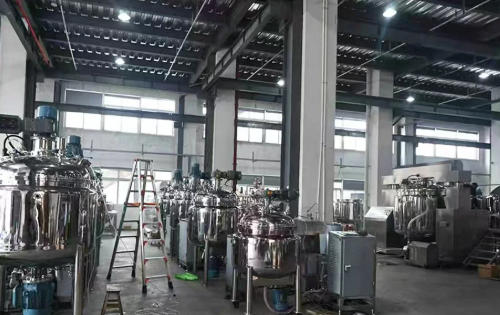
Algeria's Growing Pharmaceutical Manufacturing Landscape
Algeria is now among the largest pharmaceutical markets in Africa, supported by strong public investment in healthcare and drug production. In recent years, the government has promoted local manufacturing through incentives, industrial policies, and the creation of dedicated pharmaceutical authorities.
Local production already covers a large share of domestic demand, and authorities aim to reach even higher levels of self‑sufficiency in essential medicines. This environment creates significant opportunities for Pharmaceutical Mixing Tank Manufacturers And Suppliers that can support greenfield plants, capacity expansions, and technology upgrades in Algeria.
As Algeria moves from simple packaging and import‑substitution toward higher‑value manufacturing and even regional exports, expectations on quality, traceability, and regulatory compliance increase. Pharmaceutical Mixing Tank Manufacturers And Suppliers that can help Algerian companies meet these expectations will play a crucial role in the country's industrial strategy.
Why Pharmaceutical Mixing Tanks Matter in Algeria
Pharmaceutical liquid production—such as syrups, suspensions, injectables, vaccines, and ophthalmic solutions—depends on precise, validated mixing operations. High‑quality pharmaceutical mixing tanks ensure homogeneity, protect product stability, and help plants comply with GMP and pharmacopoeia requirements.
For Algerian manufacturers, choosing the right Pharmaceutical Mixing Tank Manufacturers And Suppliers is crucial to:
- Meet regulatory expectations for product quality and data integrity.
- Achieve consistent batch‑to‑batch performance and higher yields.
- Integrate mixing with purified water, pure steam, and sterilization systems for end‑to‑end compliance.
As Algeria continues to build out more production lines and biopharma capacity, demand will increase for Pharmaceutical Mixing Tank Manufacturers And Suppliers that offer engineering support, automation, and turnkey project capability. Well‑designed tanks and preparation systems also reduce production risks, helping companies avoid costly deviations, recalls, and product failures.
Key Requirements for Pharmaceutical Mixing Tanks
When Algerian buyers evaluate Pharmaceutical Mixing Tank Manufacturers And Suppliers, they typically look at several technical and compliance factors. These parameters influence not only product quality but also energy consumption, cleaning time, and overall plant efficiency.
GMP and Regulatory Compliance
Pharmaceutical mixing tanks must be designed according to international standards, because Algerian plants often produce for regional export and must align with global norms. Equipment that cannot pass audits or support validation quickly becomes a bottleneck.
Important aspects include:
- GMP‑compliant design with hygienic construction and documented quality control.
- Use of 316L stainless steel with high‑grade surface finish to minimize contamination risk.
- Mechanical and electrical design that can be qualified under widely accepted regulatory frameworks.
Top Pharmaceutical Mixing Tank Manufacturers And Suppliers serving the Algerian market emphasize complete documentation (DQ, IQ, OQ, PQ) and traceability of materials to facilitate inspections and validation. This documentation is especially important for injectable and critical care products, where regulators expect robust technical files.
Hygienic Design and Cleanability
Sanitary design is essential for pharmaceutical mixing equipment where cross‑contamination is unacceptable. Poorly designed tanks can trap residues, harbor microorganisms, and lead to repeated cleaning failures.
Leading Pharmaceutical Mixing Tank Manufacturers And Suppliers typically provide:
- Crevice‑free welding and fully drainable bottoms to eliminate product hold‑up and dead legs.
- CIP/SIP‑ready features so tanks can be cleaned and sterilized in place with validated cycles.
- Hygienic mechanical seals or magnetically coupled mixers to reduce risk of leakage and contamination.
In Algeria, where production sites may handle multiple formulations on the same line, fast and reliable cleaning directly impacts productivity and regulatory compliance. Plants with effective CIP/SIP design can reduce changeover times, save water and detergents, and maintain a higher level of microbiological control.
Mixing Performance and Process Control
Pharmaceutical production in Algeria increasingly includes more complex formulations, from high‑viscosity syrups to sensitive biological products. Consequently, buyers seek Pharmaceutical Mixing Tank Manufacturers And Suppliers that can tailor mixing technology to different rheologies and process goals.
Typical performance features include:
- Variable‑speed drives controlling impellers over a wide RPM range for optimal shear and blending.
- Impeller configurations (anchor, turbine, high‑shear) chosen according to product viscosity and required mixing intensity.
- Automated process control through PLC/HMI systems with recipe management, trend recording, and alarm handling.
Good mixing performance is not only about speed; it is about achieving uniformity without damaging sensitive active ingredients. For example, vaccines, protein solutions, and emulsions may need carefully controlled shear and temperature profiles. Pharmaceutical Mixing Tank Manufacturers And Suppliers that understand these nuances can design systems that protect product integrity while keeping cycle times efficient.
Integration With Utilities and Sterile Systems
Pharmaceutical mixing tanks rarely operate in isolation; they are part of broader utility and process ecosystems that include purified water, water for injection, pure steam, and clean compressed air. Poor integration can create bottlenecks, contamination risks, and validation challenges.
Because of this, many Algerian buyers prefer Pharmaceutical Mixing Tank Manufacturers And Suppliers that can also:
- Supply purified water preparation systems and pure steam generators for sterile environments.
- Provide multi‑effect distillation units to generate WFI for injectables and sensitive liquid products.
- Integrate sterilization processes, filtration, and sterile transfer into the overall production line.
Turnkey capability is particularly valuable for greenfield pharmaceutical plants being established under Algeria's industrial expansion programs. When utilities, mixing, and filling systems are designed together, the result is usually a more compact, energy‑efficient, and audit‑ready facility.
Automation, Data Integrity, and Industry 4.0
Modern pharmaceutical plants are moving toward higher levels of automation and digital integration. This trend is also visible in Algeria, where new facilities seek to adopt best practices from Europe, the Middle East, and Asia.
Advanced Pharmaceutical Mixing Tank Manufacturers And Suppliers support this shift by offering:
- PLC or DCS integration with central SCADA systems.
- Electronic batch records, alarms, and data trends that support data integrity principles.
- Remote diagnostics and connectivity options to support predictive maintenance and performance monitoring.
By selecting Pharmaceutical Mixing Tank Manufacturers And Suppliers with strong automation capabilities, Algerian companies can prepare for future regulatory expectations related to data integrity and digitalization.
Everheal: A Global Partner for Algeria's Mixing Tank Projects
Among international Pharmaceutical Mixing Tank Manufacturers And Suppliers, Everheal stands out as a Chinese provider with a comprehensive portfolio of liquid preparation and process utility systems. The company combines core equipment manufacturing with engineering and project execution capabilities.
Company Profile and Core Expertise
Everheal is a dedicated pharmaceutical equipment manufacturer focusing on process utilities, liquid preparation systems, and sterile production support equipment. The company's portfolio includes:
- Purified water preparation systems for pharmaceutical‑grade water.
- Pure steam generators and multi‑effect distillation machines for WFI production and sterilization.
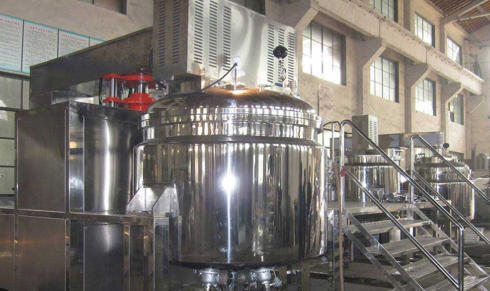
- Pharmaceutical mixing tanks and preparation systems for a wide range of liquid formulations.
- Liquid filling and sealing machines, plus sterilization systems for integrated production lines.
This combination makes Everheal more than just one of many Pharmaceutical Mixing Tank Manufacturers And Suppliers; it positions the company as a complete solution provider for Algerian pharmaceutical plants. Instead of buying equipment from many sources, customers can work with a single partner that understands both utilities and process equipment.
Technical Features of Everheal's Pharmaceutical Mixing Tanks
Everheal's pharmaceutical mixing tanks are engineered to meet stringent requirements of international pharmaceutical regulations, which directly benefits customers in emerging markets like Algeria.
Key design elements include:
- Sanitary 316L stainless‑steel construction with smooth internal surface finish, minimizing microbial adhesion and residue build‑up.
- Jacketed vessels enabling precise heating or cooling for temperature‑sensitive formulations.
- Impeller options (anchor, turbine, high‑shear) optimized for different viscosities and mixing objectives, from simple solutions to creams and gels.
From a performance standpoint, Everheal's tanks are designed to reach high levels of homogeneity within short mixing times, increasing throughput and consistency. These characteristics are crucial for Algerian manufacturers seeking reliable Pharmaceutical Mixing Tank Manufacturers And Suppliers to support both generic and branded product lines.
Automation, Data Integrity, and Validation Support
Everheal integrates advanced process control into its pharmaceutical mixing tank solutions, which is essential for plants facing strict audit requirements.
Highlights include:
- PLC‑based automation with HMI interfaces and recipe‑driven operation.
- Real‑time monitoring of parameters such as speed, temperature, levels, and batch information.
- Support for validation and documentation aligned with GMP expectations, including test records and calibration logs.
These capabilities help position Everheal among internationally competitive Pharmaceutical Mixing Tank Manufacturers And Suppliers for markets like Algeria, where plants must demonstrate robust quality systems. Comprehensive validation support also reduces the internal workload of engineering and quality teams on the client side.
Turnkey Solutions for Algerian Projects
In addition to individual equipment, Everheal offers customized factory layout planning and production line construction support for global clients. For Algerian investors and manufacturers, this means:
- Integrated design of purified water systems, pure steam, and mixing tanks into a coherent utility platform.
- Coordination of liquid preparation, mixing, filling, and sterilization equipment for streamlined workflows.
- Tailored solutions based on plant capacity, product mix, and local regulatory requirements.
Such holistic support differentiates Everheal from many other Pharmaceutical Mixing Tank Manufacturers And Suppliers, especially for clients who need both hardware and engineering expertise to build compliant, efficient facilities in Algeria.
Other Types of Mixing Tank Suppliers Relevant to Algeria
Although Everheal is a strong option, Algerian buyers typically consider several categories of Pharmaceutical Mixing Tank Manufacturers And Suppliers when planning investments. Understanding these categories helps procurement teams develop a balanced sourcing strategy.
Global Mixing and Tank Specialists
International tank and mixing specialists supply high‑end solutions for pharmaceutical and biotech applications and may already be familiar to Algerian engineering teams. They often have long experience in Europe or North America and bring mature product lines.
Typical capabilities include:
- Magnetic mixers and sanitary agitators for sterile environments and critical applications.
- Custom process skids and turnkey lines for health‑chemical and pharma industries.
- Experience integrating tanks with CIP/SIP as well as advanced automation and digital monitoring.
These global Pharmaceutical Mixing Tank Manufacturers And Suppliers often work with local engineering companies or system integrators in Algeria to implement projects. Their equipment is typically standardized and can be easily validated, but project costs may be higher than regional alternatives.
Local and Regional Fabricators
Algeria's industrial base includes metal fabricators and process equipment companies that may supply stainless‑steel vessels and basic mixing units. While they may not always specialize in pharma, they can be valuable partners for:
- Support structures, storage tanks for non‑critical utilities, or pre‑treatment systems.
- On‑site modifications, mechanical services, and small capacity expansions.
However, for core GMP mixing operations, buyers usually turn to specialized Pharmaceutical Mixing Tank Manufacturers And Suppliers with proven regulatory and documentation experience. Local firms can still participate in projects through fabrication of non‑product‑contact components or site installation work.
Engineering, Procurement, and Construction (EPC) Partners
In some Algerian projects, EPC companies or engineering consultants play a central role in selecting and coordinating Pharmaceutical Mixing Tank Manufacturers And Suppliers. They may have framework agreements with certain manufacturers and can help standardize technologies across multiple sites.
By working closely with EPC partners, equipment makers like Everheal can ensure that their pharmaceutical mixing tanks, purified water systems, and sterilization units fit seamlessly into the broader plant concept.
How Algerian Buyers Should Select Pharmaceutical Mixing Tank Manufacturers And Suppliers
When evaluating Pharmaceutical Mixing Tank Manufacturers And Suppliers for projects in Algeria, decision‑makers should follow a structured process. This reduces risk and helps align engineering choices with business objectives.
1. Define Process and Regulatory Requirements
- Clarify product types (e.g., oral liquids, sterile injectables, vaccines, cosmetics) and batch sizes.
- Identify applicable regulations: local Algerian rules plus international guidelines for export markets.
- Determine critical parameters such as temperature range, viscosity, and required homogeneity.
This information helps filter Pharmaceutical Mixing Tank Manufacturers And Suppliers that can deliver technically appropriate equipment. Supplying a detailed user requirement specification (URS) at the beginning will make offers more comparable and transparent.
2. Assess Design, Documentation, and Validation Support
- Confirm the supplier can provide full design documentation, including P&IDs and 3D layouts if needed.
- Check whether they offer FAT, SAT, IQ/OQ, and support for PQ and process validation.
- Review references from previous installations in regulated markets or comparable emerging economies.
Suppliers like Everheal, which already support global customers with documentation linked to purified water, pure steam, and mixing systems, can simplify project execution in Algeria. Strong validation support is especially valuable for companies setting up their first GMP facility or entering new dosage forms.
3. Evaluate Integration with Utility and Filling Systems
- Determine how the mixing tanks will connect to purified water, WFI, and pure steam.
- Assess compatibility with existing or planned filling, capping, and sterilization equipment.
- Consider the benefits of working with Pharmaceutical Mixing Tank Manufacturers And Suppliers that can deliver complete lines, from mixing through filling.
Integrated solutions usually reduce coordination risks and make it easier to demonstrate compliance during inspections. They also allow better optimization of piping lengths, pump sizing, and cleaning strategies across the entire process.
4. Compare Lifecycle Cost, Support, and Training
- Look beyond purchase price to evaluate lifecycle costs, including energy usage, cleaning media, and maintenance.
- Ensure that the supplier can provide remote technical support, spare parts, and training for local operators.
- Confirm that after‑sales service is available via local partners or regional offices.
This approach helps Algerian companies choose Pharmaceutical Mixing Tank Manufacturers And Suppliers that offer sustainable long‑term value rather than just low upfront cost. Well‑trained operators and maintenance technicians can further extend equipment life and improve OEE (overall equipment effectiveness).
5. Consider Future Expansion and Standardization
As Algerian producers grow, they may expand to new sites or add lines for different dosage forms. It is therefore wise to:
- Choose Pharmaceutical Mixing Tank Manufacturers And Suppliers that can scale capacities from pilot to commercial.
- Standardize on certain designs, control platforms, and components to simplify spare parts and training.
- Discuss long‑term cooperation and framework agreements with key suppliers.
A strategic partnership approach can reduce project lead times and ensure that future expansions maintain compatibility with existing systems.
Future Outlook for Mixing Tank Demand in Algeria
With Algeria positioned as a strategic pharmaceutical hub and hosting a large share of Africa's pharmaceutical establishments, capacity expansion will likely continue. Government strategies to limit imports of drugs that can be made locally and to attract investment in new plants will further increase the need for modern processing equipment.
As a result, Pharmaceutical Mixing Tank Manufacturers And Suppliers that combine technical expertise with turnkey capabilities—such as Everheal and other specialized global providers—are well positioned to support Algeria's growing industry. Over time, collaboration between international equipment suppliers and Algerian stakeholders can foster technology transfer, local skills development, and stronger regional supply chains in pharmaceuticals.
For Algerian buyers, now is an ideal moment to benchmark technologies, visit reference plants, and define clear long‑term strategies for selecting Pharmaceutical Mixing Tank Manufacturers And Suppliers that can grow with them.
Conclusion
Algeria's pharmaceutical sector is expanding rapidly, backed by supportive government policies, growing healthcare needs, and a push toward self‑sufficiency in drug production. In this context, demand is rising for high‑quality Pharmaceutical Mixing Tank Manufacturers And Suppliers that can provide GMP‑compliant, hygienic, and automation‑ready mixing solutions for liquid medicines and biopharmaceuticals.
International partners like Everheal—offering pharmaceutical mixing tanks along with purified water, pure steam, distillation, filling, and sterilization systems—are particularly valuable for Algerian projects that require integrated, turnkey solutions. By carefully evaluating technical performance, documentation, integration capabilities, lifecycle support, and long‑term partnership potential, Algerian manufacturers can build efficient, compliant mixing operations that support both domestic and export‑oriented production.
FAQs About Pharmaceutical Mixing Tank Manufacturers And Suppliers in Algeria
1. What should Algerian pharma plants look for in Pharmaceutical Mixing Tank Manufacturers And Suppliers?
Algerian pharma plants should prioritize Pharmaceutical Mixing Tank Manufacturers And Suppliers that deliver GMP‑compliant design, high‑grade stainless steel construction, and complete documentation for validation. Suppliers should also demonstrate experience in regulated markets and the ability to integrate mixing tanks with utilities such as purified water, WFI, and pure steam systems.
2. How do Pharmaceutical Mixing Tank Manufacturers And Suppliers support regulatory compliance in Algeria?
Specialized Pharmaceutical Mixing Tank Manufacturers And Suppliers support compliance by providing hygienic equipment designs, traceable materials, and documentation aligned with GMP and other international standards. They assist with factory testing, site testing, and qualification activities so that Algerian plants can demonstrate control over their mixing processes during inspections and audits.
3. Why is turnkey capability important when choosing Pharmaceutical Mixing Tank Manufacturers And Suppliers?
Turnkey capability is important because it allows Pharmaceutical Mixing Tank Manufacturers And Suppliers to deliver not only tanks but also utilities, automation, and line integration. For Algeria's expanding industry, integrated solutions for purified water, pure steam, mixing, filling, and sterilization can shorten project timelines, reduce technical risks, and simplify regulatory approval and validation.
4. Can international Pharmaceutical Mixing Tank Manufacturers And Suppliers adapt equipment to local Algerian needs?
Yes, leading international Pharmaceutical Mixing Tank Manufacturers And Suppliers routinely customize their systems to local regulatory, climatic, and operational requirements. For Algeria, this may include adapting utilities to local water quality, supporting French or Arabic documentation, training local teams, and aligning with national pharmaceutical regulations and investment policies.
5. How does Everheal compare with other Pharmaceutical Mixing Tank Manufacturers And Suppliers for Algeria?
Everheal distinguishes itself among Pharmaceutical Mixing Tank Manufacturers And Suppliers by combining advanced mixing tanks with purified water, pure steam, multi‑effect distillation, filling, and sterilization equipment in a unified portfolio. This enables Everheal to provide Algerian clients with complete, validated liquid preparation lines and customized factory layout planning, supporting efficient, GMP‑compliant production and future expansion plans.


